


These small batch pancakes make just enough for two people, with no leftover batter and no need to scale down a full recipe. They’re soft and fluffy in the middle, lightly crisp around the edges, and full of buttery flavor. Everything comes together quickly with basic ingredients, making them perfect for an easy breakfast to share.
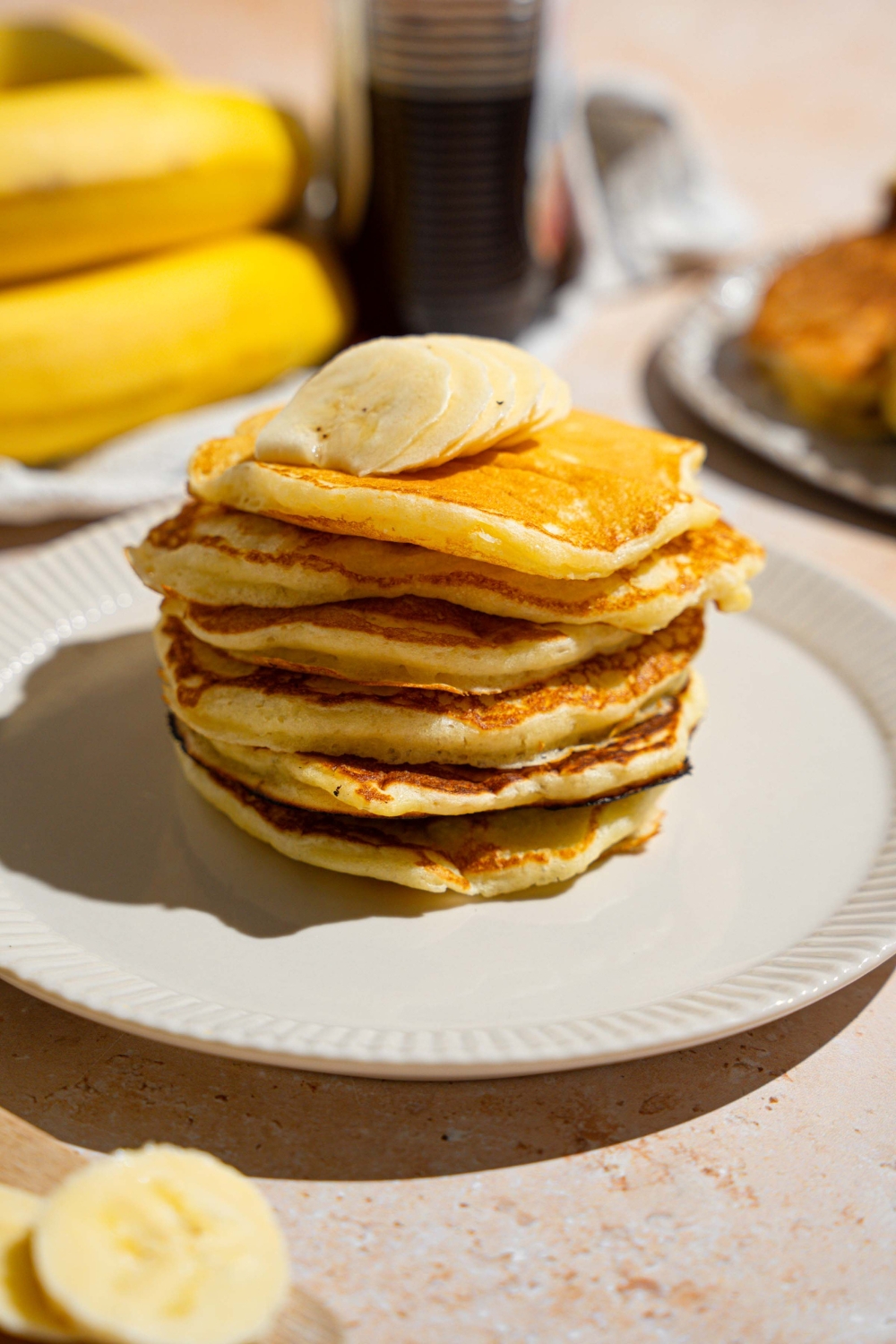
Table of Contents
Why You'll Love These Pancakes For Two
My wife and I love making pancakes, but we always ran into the same problem, too many or not enough. So, I set out to create a recipe with exact measurements to yield the perfect amount for two people, just like my French toast for two, but for pancakes, of course. I tested and tweaked this recipe over and over, scaling down my classic buttermilk pancake formula until I landed on the ideal version: about four medium pancakes, perfectly fluffy and lightly golden every single time.
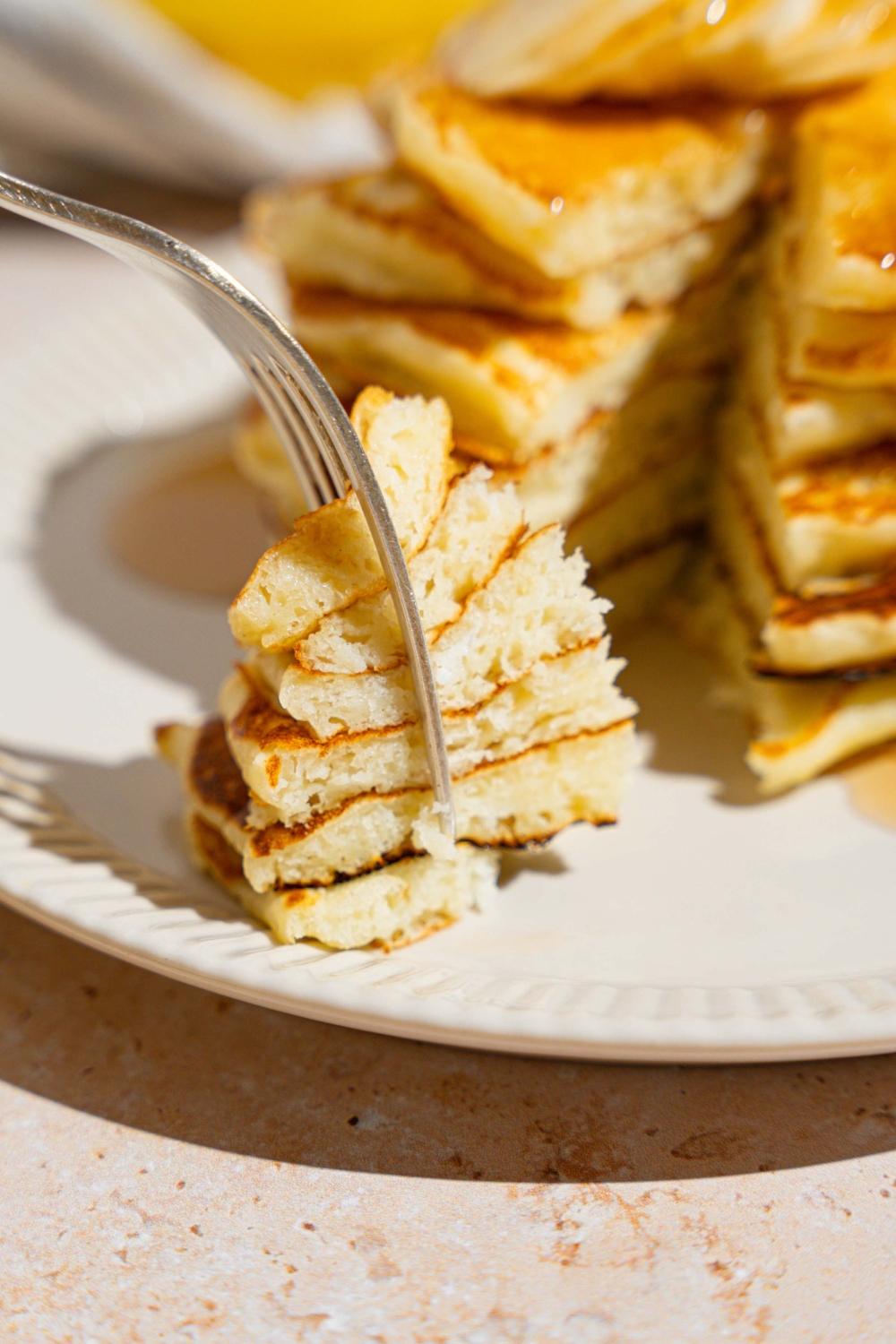
What makes this recipe special is its reliability and balance. The buttermilk gives the batter a subtle tang and keeps the pancakes moist, while the combination of baking powder and baking soda creates just the right amount of lift for that signature light and fluffy texture. These pancakes cook evenly, flip easily, and taste like something you’d get from a brunch spot, but they’re simple enough to make before your coffee’s even ready.
I love this recipe because it’s quick, consistent, and designed for smaller households. It’s my go-to for lazy Sunday mornings or breakfast-for-dinner nights when I want pancakes that feel indulgent without making a big batch or a big mess. Once you try them, you’ll never go back to guessing your portions again!
Ingredients You’ll Need
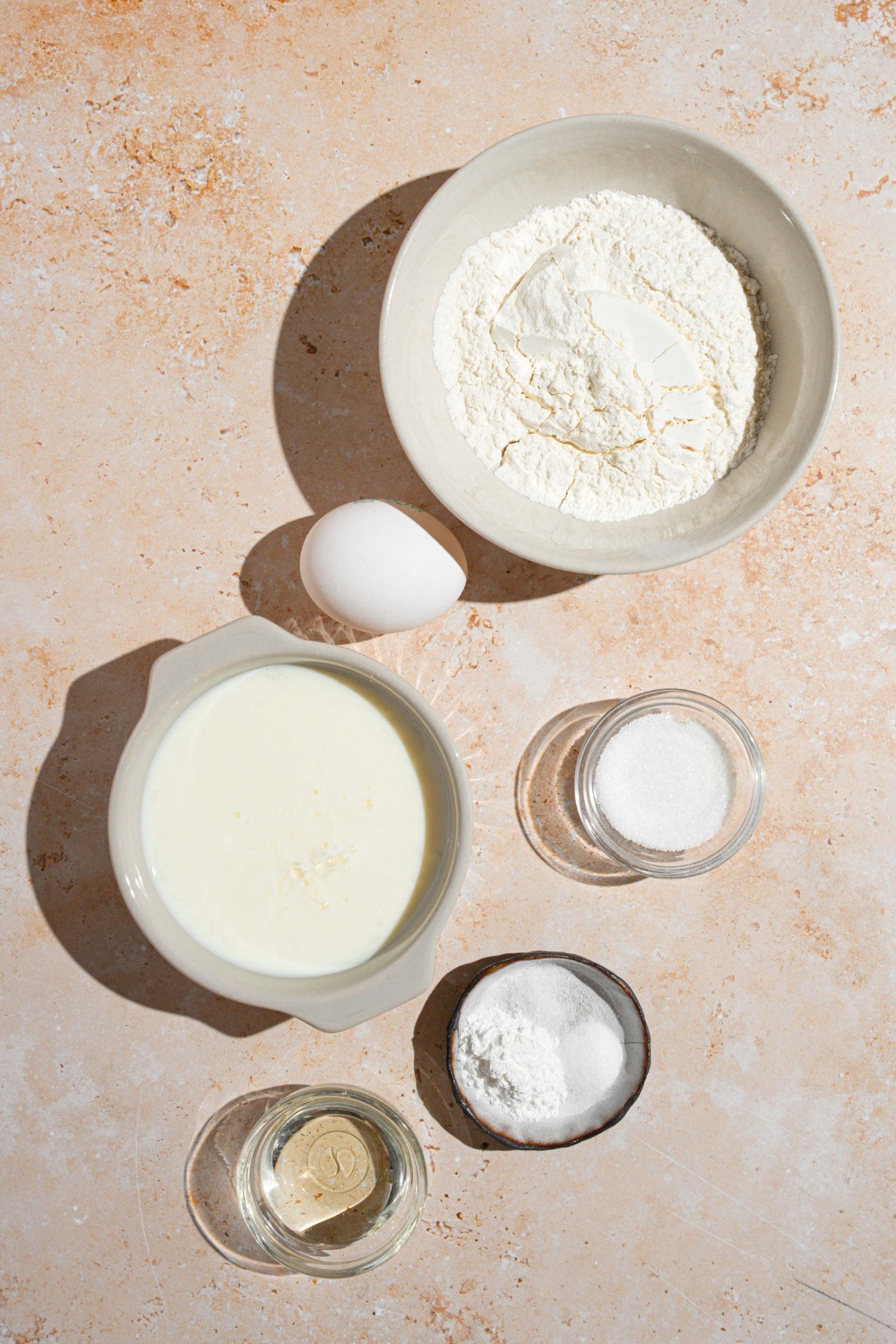
- 1 cup all-purpose flour
- 1 tablespoon granulated sugar
- 1 teaspoon baking powder
- ¼ teaspoon baking soda
- ¼ teaspoon salt
- 1 large egg
- 1 cup buttermilk
- 2 tablespoons melted butter or neutral oil
- ½ teaspoon vanilla extract, optional
How To Make Small Batch Pancakes
Step 1: Mix the Dry Ingredients
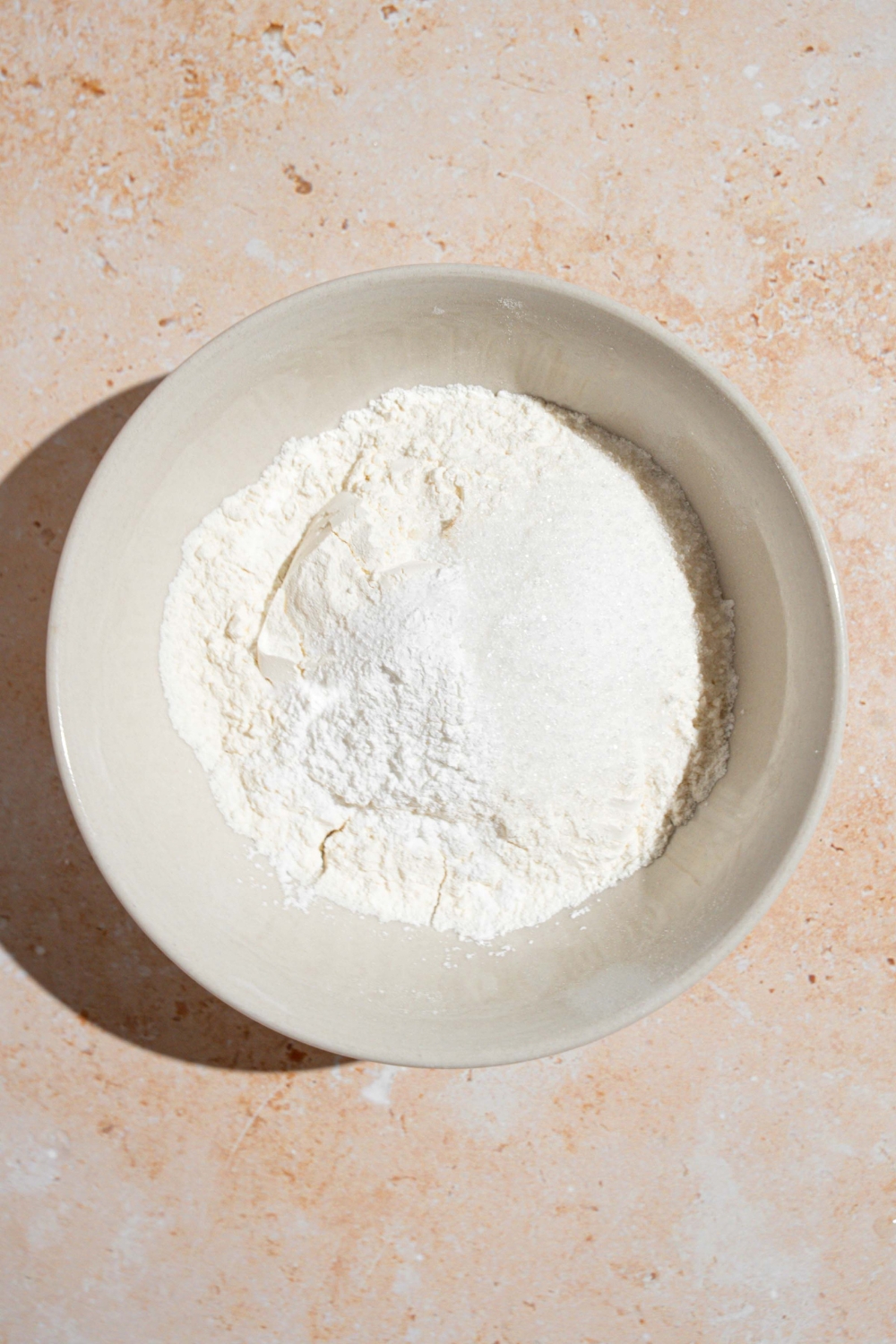
In a medium bowl, whisk together flour, baking powder, baking soda, salt, and sugar. Make a well in the center.
Step 2: Mix the Wet Ingredients
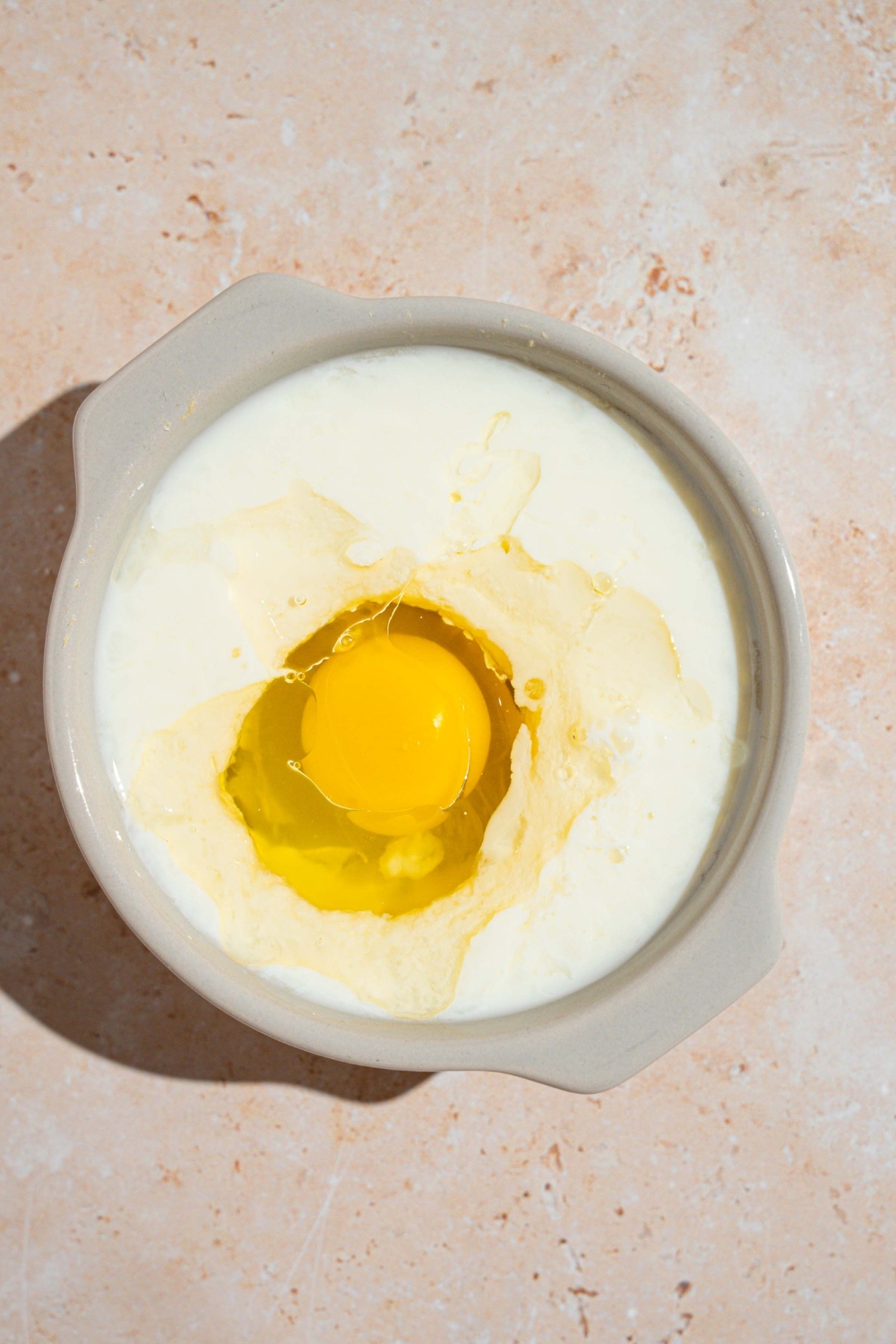
In a separate bowl, whisk the egg, buttermilk, vanilla, and oil or melted butter until smooth and fully combined.
Step 3: Combine Wet and Dry Ingredients
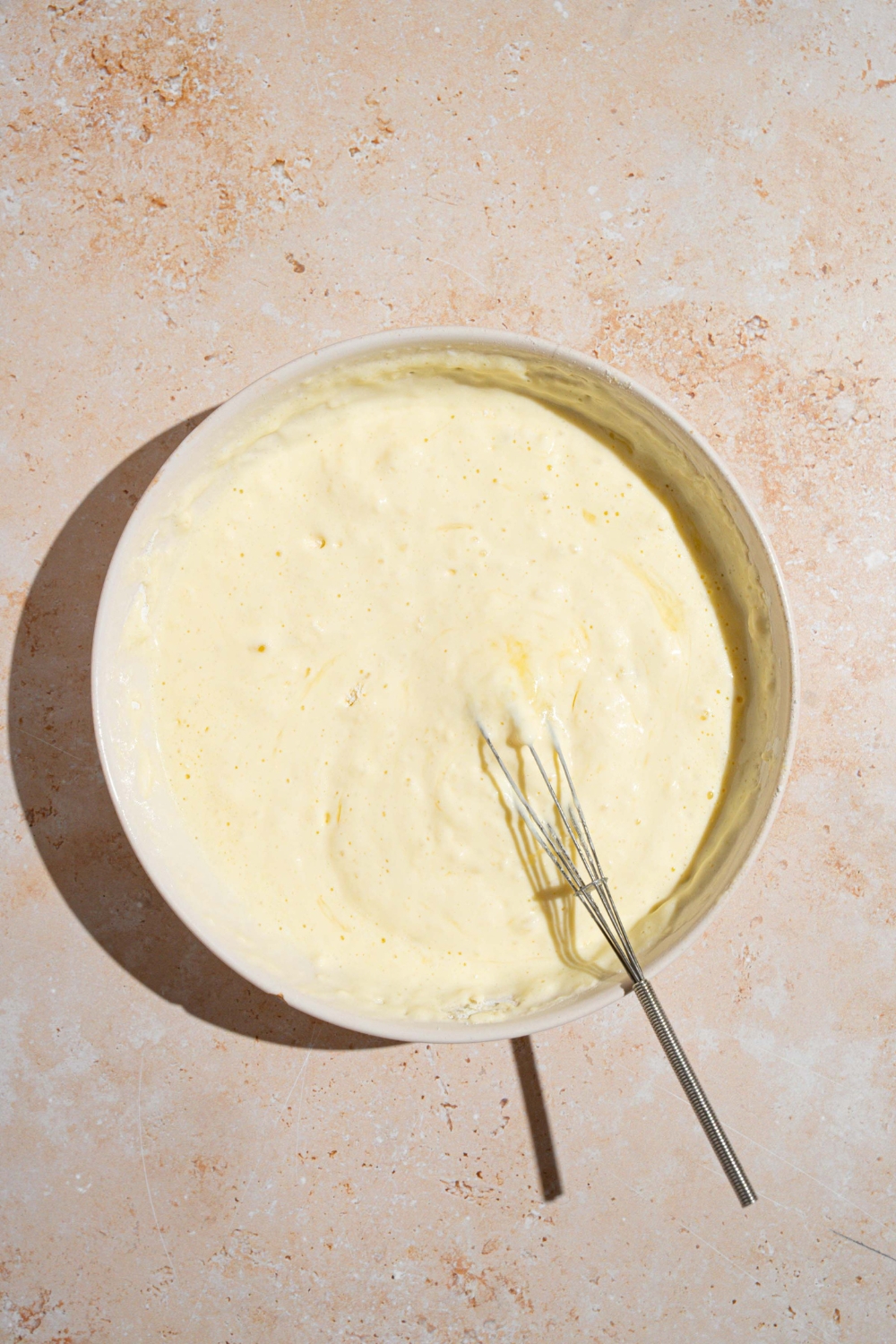
Pour the wet mixture into the well of dry ingredients. Stir gently until just combined and a batter forms; small lumps are fine. Do not overmix, or the pancakes will be tough.
Step 4: Rest the Batter
Let the batter rest for 10 minutes. This allows the gluten to relax and the baking agents to activate, resulting in fluffier pancakes.
Step 5: Cook the Pancakes
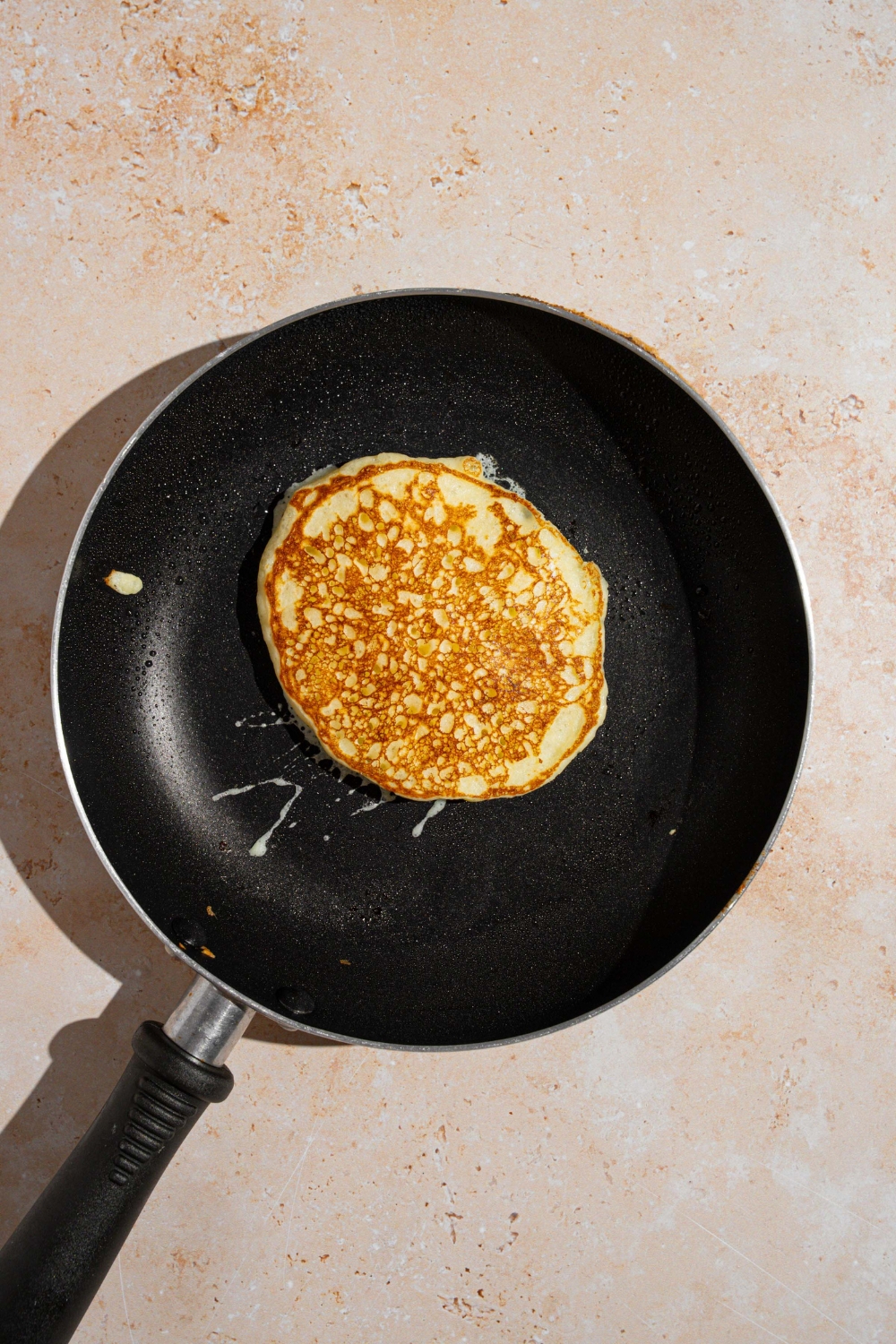
Heat a lightly greased skillet or griddle over medium heat. Using a scoop or ¼-cup measure, pour batter onto the surface. Cook until bubbles form and edges look set. Flip and cook for another minute or two until golden brown on the second side.
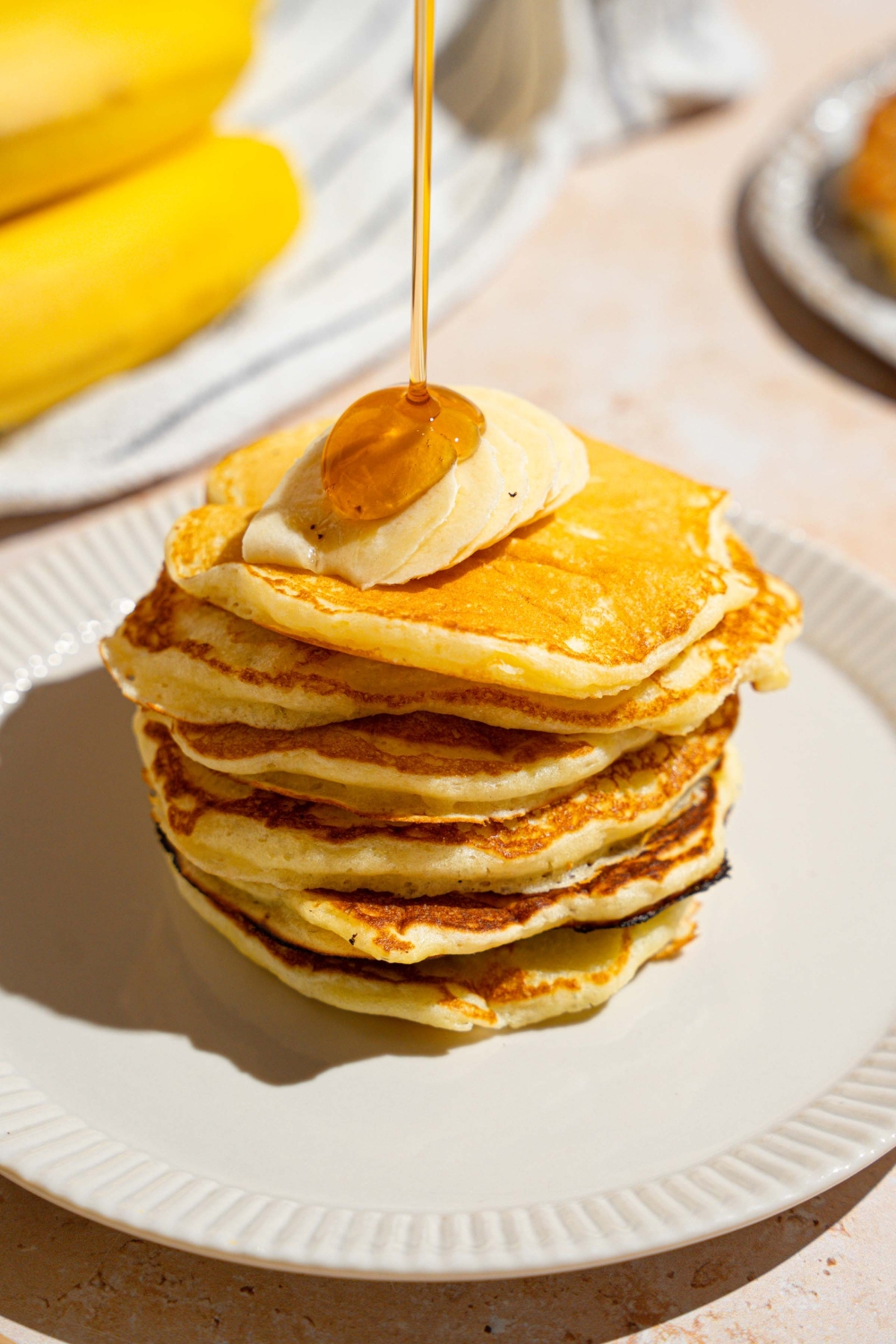
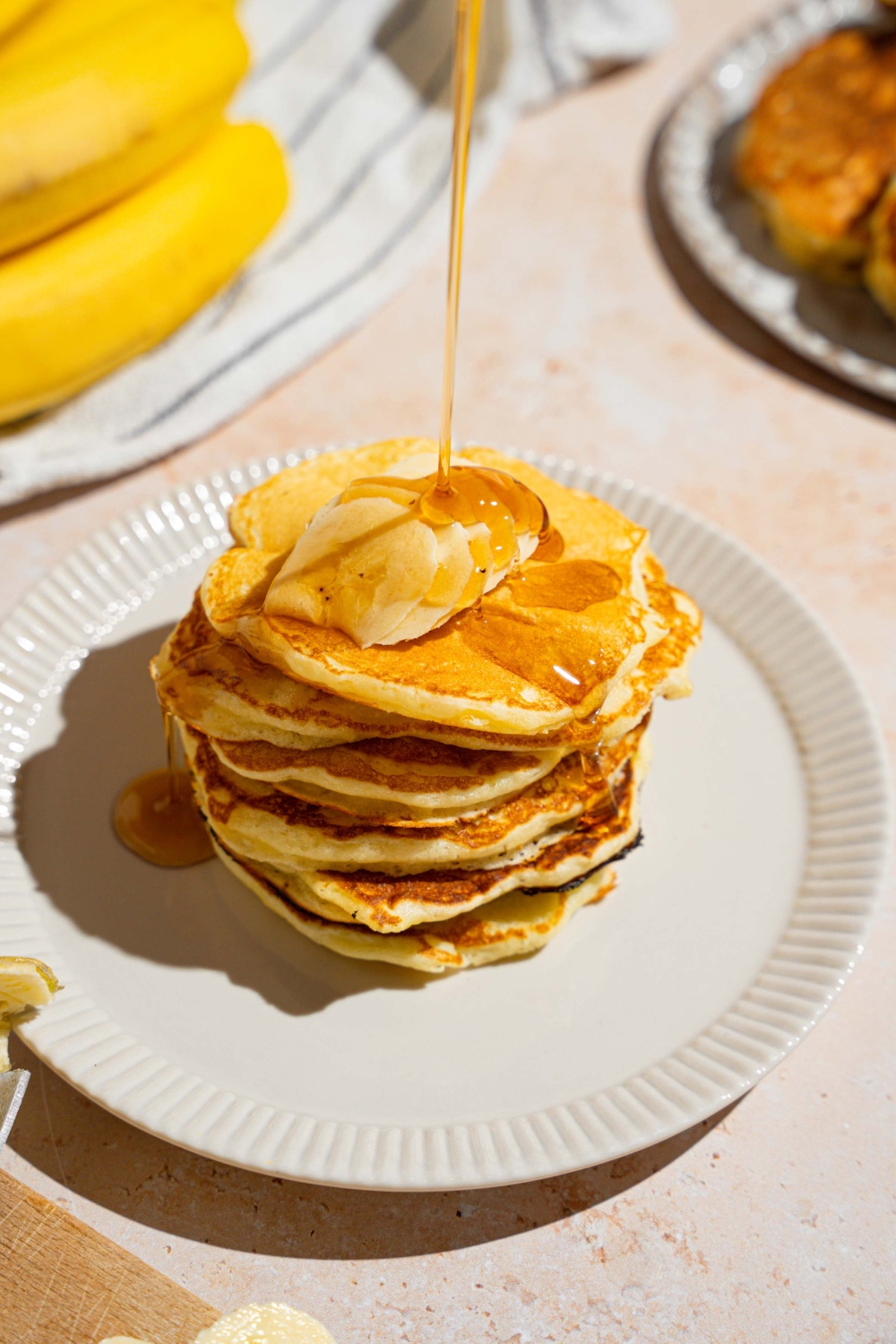
Stack the pancakes while they're still warm and finish with butter, maple syrup, or your favorite toppings.
My Tips for The Best Small Batch Pancakes
- Mix the batter gently. Stop as soon as the flour is incorporated. A few small lumps are fine and help prevent the pancakes from turning tough.
- Let the batter rest briefly. A 5-10 minute rest gives the flour time to absorb the buttermilk and helps the batter thicken. Cook it shortly afterward so the leavening stays effective.
- Use the first pancake to test the heat. If it browns before the edges set and bubbles form, lower the temperature. Medium heat usually gives the centers enough time to cook without burning the outside.
- Grease the skillet lightly. I add a small amount of butter, then wipe away the excess. Too much butter can make the pancakes brown unevenly.
- Add mix-ins after pouring the batter. Sprinkle blueberries, chocolate chips, or sliced bananas over each pancake in the skillet. This keeps them evenly distributed instead of sinking to the bottom of the bowl.
- Keep the first pancakes warm. Place them in a single layer in a 200°F oven while the rest cook. Wait to stack them until serving so trapped steam doesn’t make them soggy.
Small Batch Pancakes FAQs
How many pancakes does this make?
This small batch pancake recipe makes about 4 medium pancakes or 6 small ones, just enough for two people. It’s the perfect portion for a weekend breakfast or brunch without any leftovers.
Can I double the recipe for more people?
Yes! You can easily double (or even triple) the ingredients to serve more people. Just be sure to cook the pancakes in batches and keep the finished ones warm in a 200°F oven while you finish the rest.
Can I use regular milk instead of buttermilk?
Yes, but the pancakes will be slightly less tangy and tender. To make a buttermilk substitute, mix 1 cup of regular milk with 1 tablespoon of lemon juice or white vinegar, stir, and let it sit for 5 minutes before using. The acidity helps activate the baking soda and gives you that same soft, fluffy texture.
How do I store leftover pancakes?
If you happen to have leftovers, let them cool completely, then store them in an airtight container or resealable bag. Place parchment paper between each pancake to prevent sticking. They’ll keep well in the refrigerator for up to 3 days. Reheat in a skillet over low heat or in the toaster for a few minutes to bring back their fluffy texture.
Can I freeze leftover pancakes?
Absolutely! These small batch pancakes freeze beautifully. Arrange them in a single layer on a baking sheet and freeze until solid, then stack them with parchment paper between each pancake and store in a freezer-safe bag for up to 2 months. Reheat in a toaster, air fryer, or 350°F oven for 5–7 minutes, or microwave for 20–30 seconds for a quick breakfast.
What oil or fat is best for cooking pancakes?
Neutral oils like canola oil or vegetable oil work best for evenly browned pancakes without affecting flavor. You can also use coconut oil for a healthier oil option. If you don't want to use oil, you can use butter, which will give the pancakes a richer, buttery taste. Lightly grease your pan, then wipe off any excess with a paper towel for that perfect golden surface.
Why are my pancakes flat instead of fluffy?
Flat pancakes usually mean your baking powder or baking soda is expired, or the batter was overmixed. Always use fresh leavening agents and stir the batter gently — stop as soon as you no longer see streaks of flour. Also, avoid pressing down on the pancakes while cooking; they need room to puff up for that signature fluffy texture.
Can I make these pancakes ahead of time?
Yes! You can make the batter up to 30 minutes ahead and let it rest at room temperature. This resting period actually improves the texture by allowing the flour to fully hydrate. Alternatively, cook the pancakes in advance, refrigerate, and reheat in a toaster, microwave, or skillet over low heat before serving.
My Final Thoughts
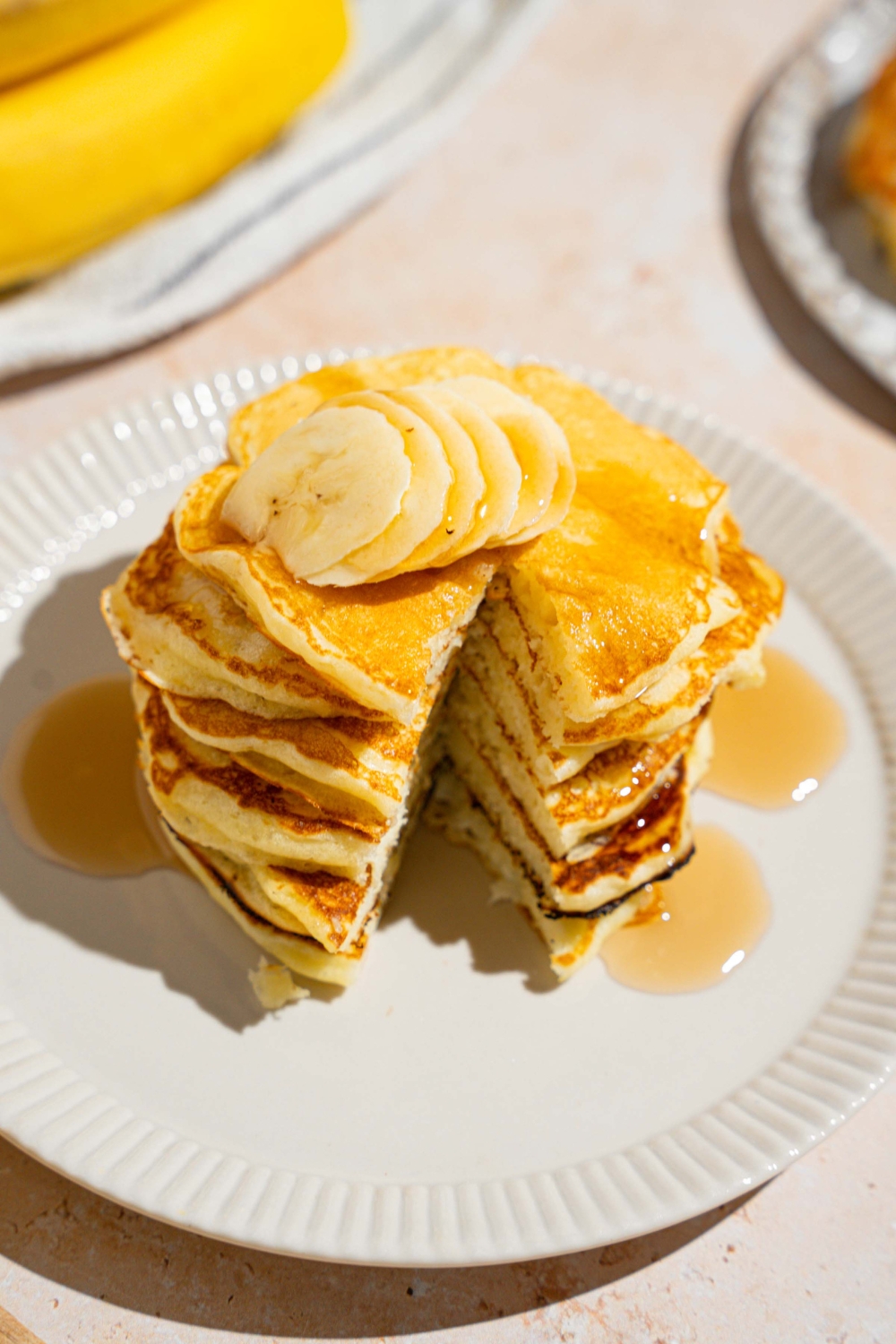
These small batch pancakes are soft, fluffy, and just the right size for two people. With buttermilk for tang, a touch of sugar for sweetness, and the perfect balance of rise and tenderness, they’re everything you love about classic pancakes, made simple and quick. Whether it’s breakfast in bed or a weekend treat, this recipe gives you all the comfort of homemade pancakes without any waste. Make this recipe and be sure to leave a comment and review below so I know how it turned out for you.
More Pancake Recipes To Try
- Pancakes for one
- Sweet cream pancakes
- Crispy edge pancakes
- Cottage cheese banana pancakes
- Pancakes without milk
- Pancakes without baking powder
Small Batch Pancakes for Two
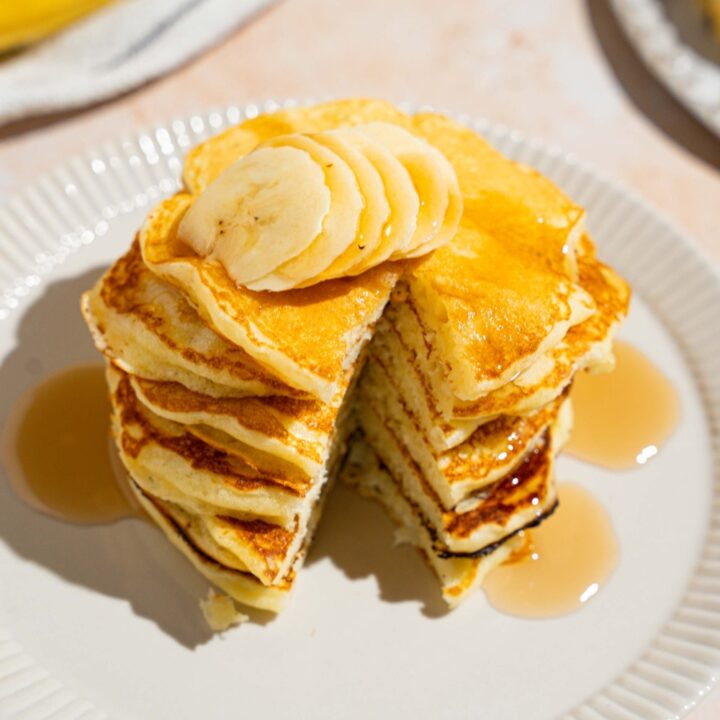
These small batch pancakes make just enough for two people, with no leftover batter and no need to scale down a full recipe. They’re soft and fluffy in the middle, lightly crisp around the edges, and full of buttery flavor. Everything comes together quickly with basic ingredients, making them perfect for an easy breakfast to share.
Ingredients
- 1 cup all-purpose flour
- 1 tablespoon granulated sugar
- 1 teaspoon baking powder
- ¼ teaspoon baking soda
- ¼ teaspoon salt
- 1 large egg
- 1 cup buttermilk
- 2 tablespoons melted butter or neutral oil
- ½ teaspoon vanilla extract, optional
Instructions
- Whisk the flour, sugar, baking powder, baking soda, and salt together in a medium bowl.
- In a separate bowl, whisk the egg, buttermilk, melted butter, and vanilla. Pour the wet ingredients into the dry ingredients and gently stir until just combined. A few small lumps are fine.
- Let the batter rest for 5 to 10 minutes while you heat a lightly greased skillet or griddle over medium heat.
- Scoop about ¼ cup of batter onto the skillet for each pancake. I like using a cookie scooper. Cook until bubbles appear across the surface, the edges look set, and the bottom is golden, about 2 to 3 minutes.
- Flip once and cook for another 1 to 2 minutes, until the center is cooked through. Serve warm with butter and maple syrup.
Nutrition Information:
Yield:
4Serving Size:
1Amount Per Serving: Calories: 256Total Fat: 13gSaturated Fat: 2gTrans Fat: 0gUnsaturated Fat: 11gCholesterol: 49mgSodium: 766mgCarbohydrates: 29gFiber: 1gSugar: 5gProtein: 7g
Leave a Reply