


This homemade oyster sauce is thick, glossy, and loaded with umami flavor—just like your favorite bottled version, but fresher and free of preservatives. It's easy to make, yet delivers the deep, savory sweetness that makes stir-fries, noodles, and marinades shine. Once you try this from-scratch version, you’ll never go back to store-bought again! If you’ve made my Seafood Boil Sauce or Adobo Sauce, you already know how much I love creating restaurant-quality sauces at home — and this one is no exception. It’s simple, authentic, and delivers that signature flavor that defines so many Asian dishes.
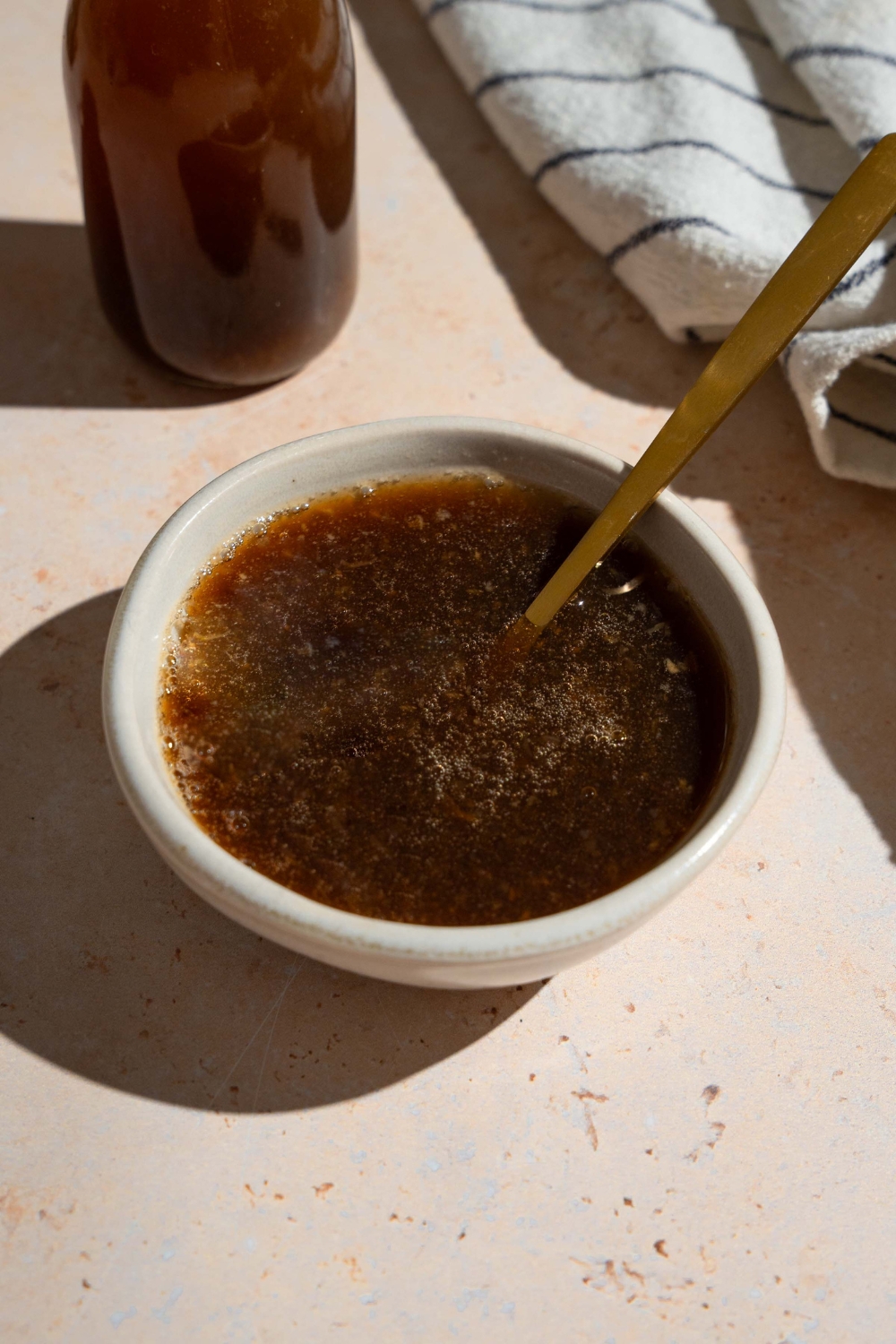
Table of Contents
Why I Love This Oyster Sauce Recipe
I've been cooking with bottled oyster sauce for quite some time. I use it in everything from fried rice to quick vegetable stir-fries, but I always wondered what it would taste like fresh. One day, I decided to make it from scratch using real oysters, and I was blown away by how rich and complex it turned out. The homemade version had this natural sweetness and depth that store-bought sauces just can’t replicate.
What I love most about this recipe is how it transforms a handful of humble ingredients into one of the most essential sauces in Asian cooking. The oysters simmer slowly, releasing their natural briny sweetness and creating a deeply flavorful broth — the heart of the sauce. The dark soy sauce adds color and a touch of caramelized flavor, the sugar balances the saltiness, and the cornstarch thickens it to that signature silky consistency you expect from a premium oyster sauce.
It’s the kind of sauce that instantly elevates any dish — drizzle it over vegetables, stir it into noodles, or use it as a base for marinades. I love making a batch on the weekend, storing it in the fridge, and using it throughout the week to give my meals that savory, restaurant-quality finish.
Ingredients You’ll Need
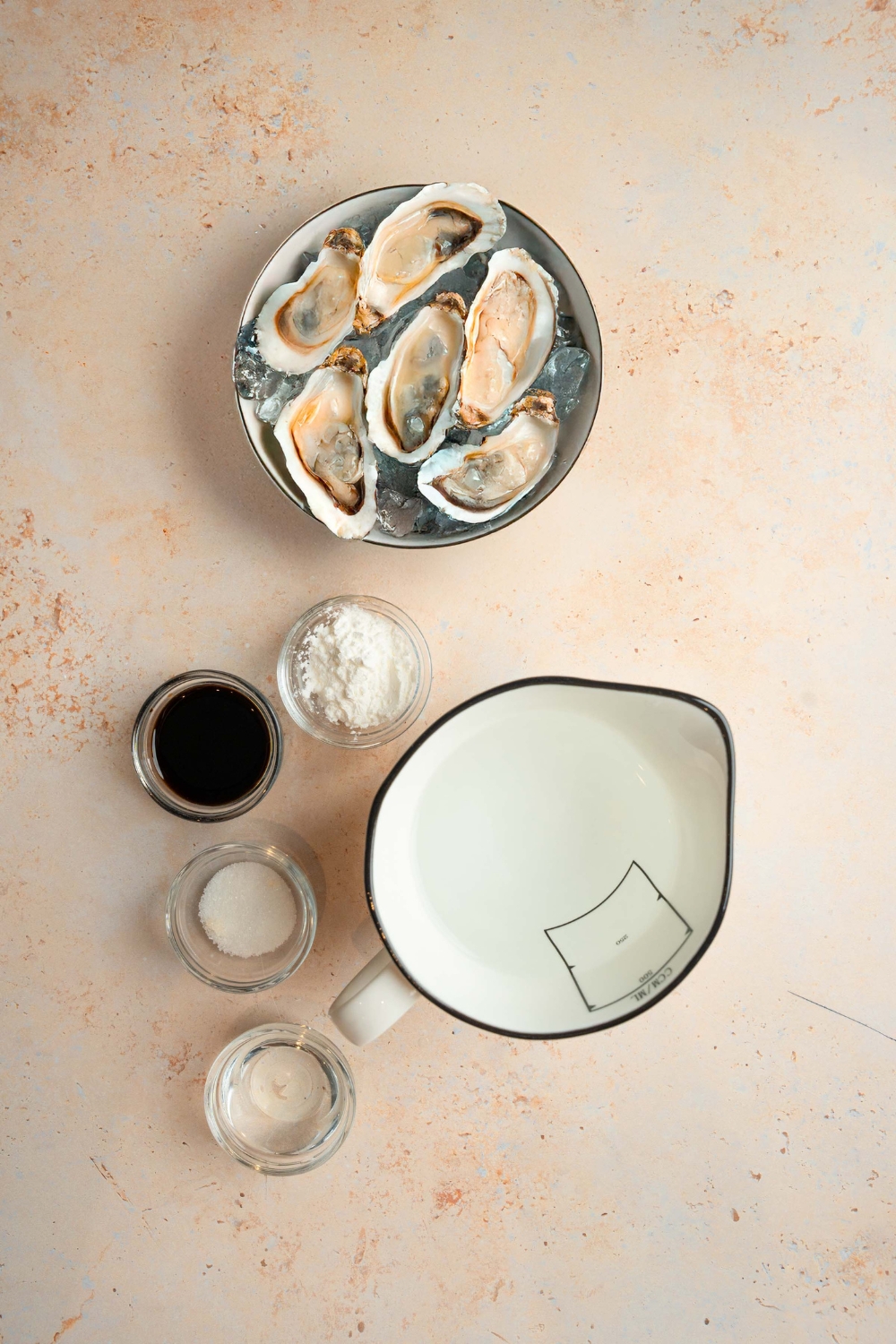
- 20 oz oyster meat (fresh or frozen)
- 2 cups (500 ml) water (for oyster broth)
- 1 tablespoon cornstarch
- 1 tablespoon sugar
- ½ teaspoon salt
- 1 tablespoon dark soy sauce
- 2 tablespoon water (for dissolving cornstarch)
How To Make Oyster Sauce
Step 1: Thaw & Rinse the Oysters
If using frozen oysters, place them in a bowl and cover with cold water. Let thaw for 10 minutes. Gently rinse 2–3 times in cold water to remove grit, then drain well.
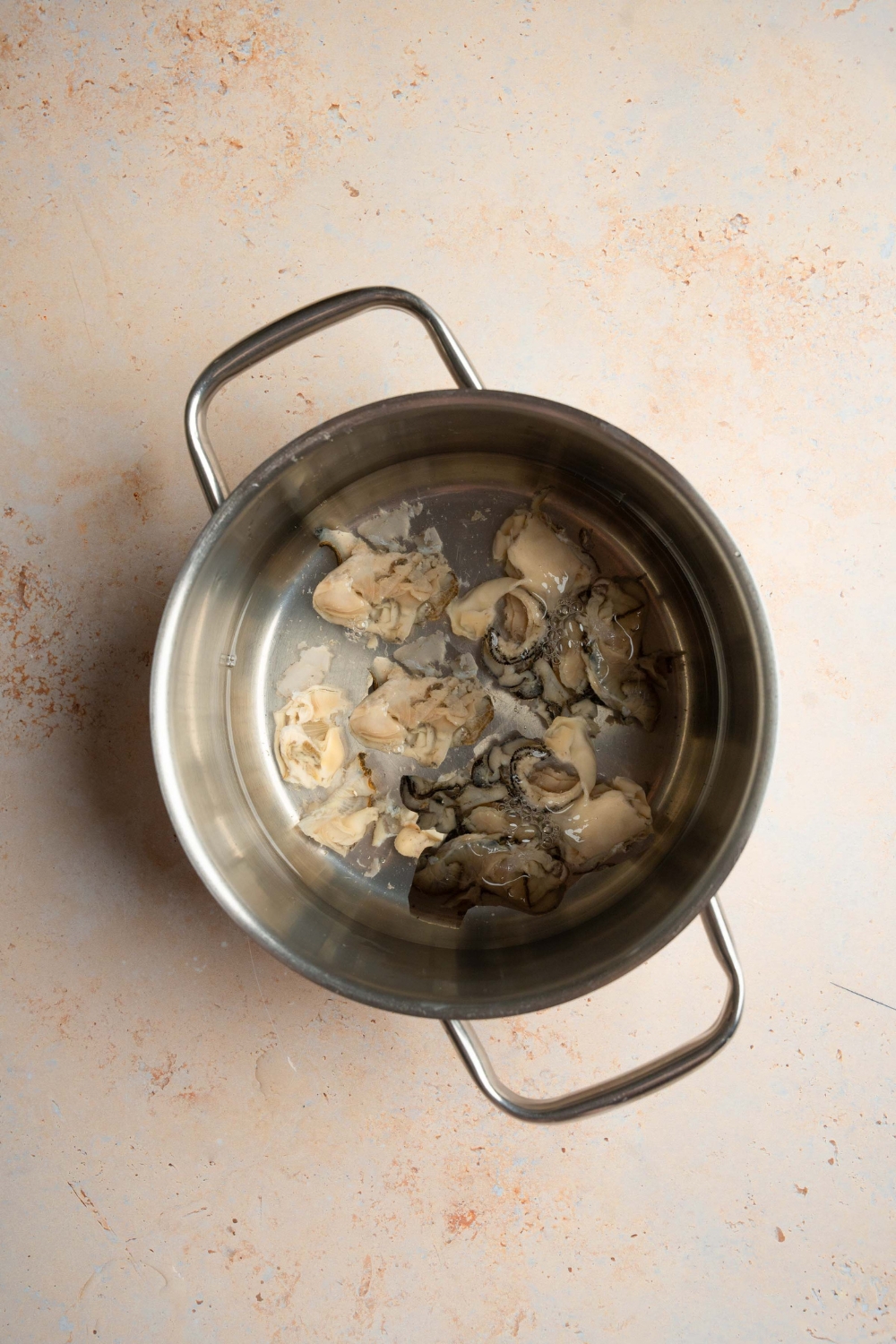
Step 2: Make the Oyster Broth
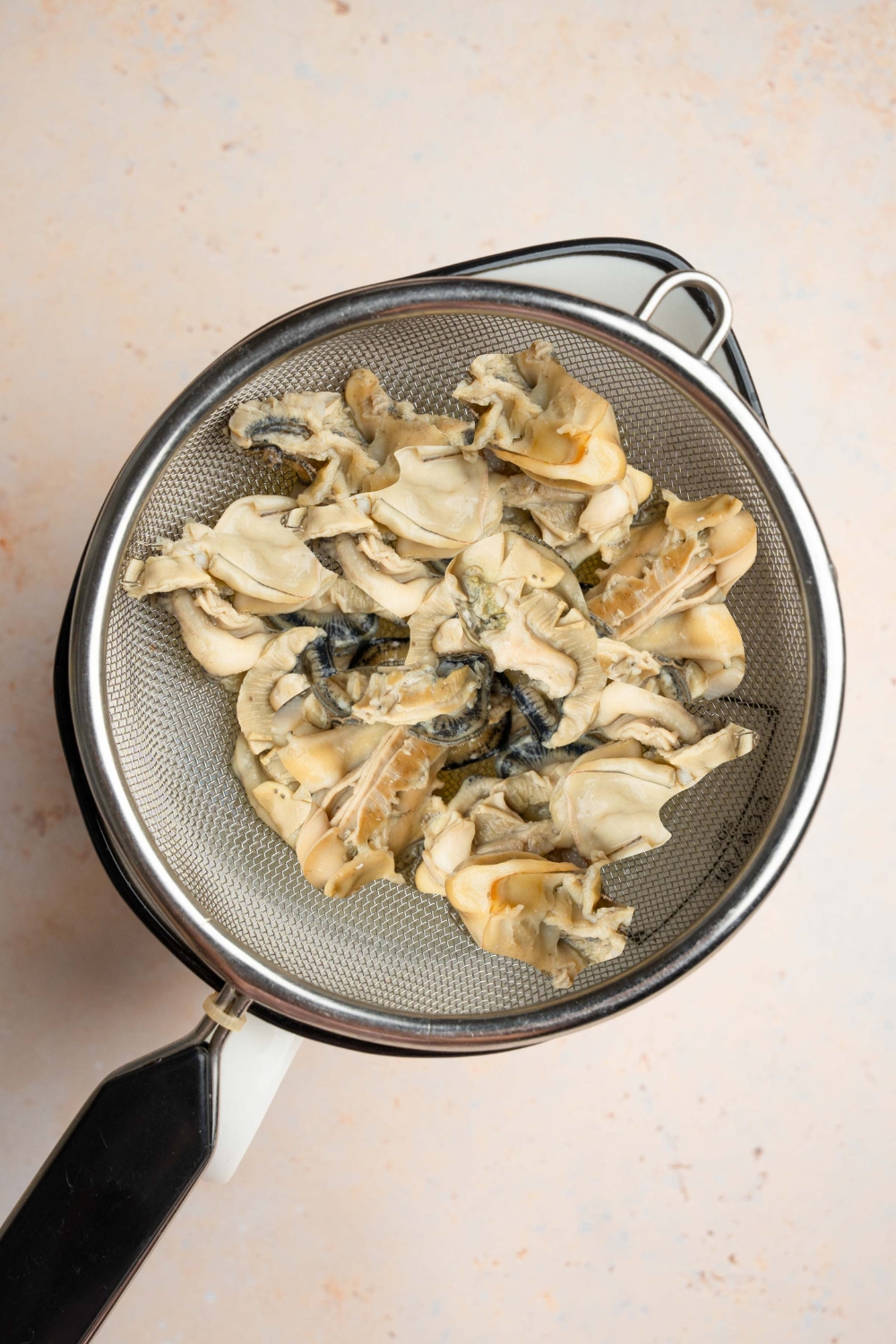
Transfer oysters to a large pot with just over 2 cups of cold water. Bring to a gentle simmer over medium-high heat, then reduce to medium-low. Simmer for 30 minutes, skimming off any foam as needed. The liquid should reduce by about half throughout the simmering time. Remove the oysters (reserve for another dish) and strain broth through a fine-mesh sieve or cheesecloth. You should have about 1 cup ml of clear oyster broth.
Step 3: Mix the Sauce Base
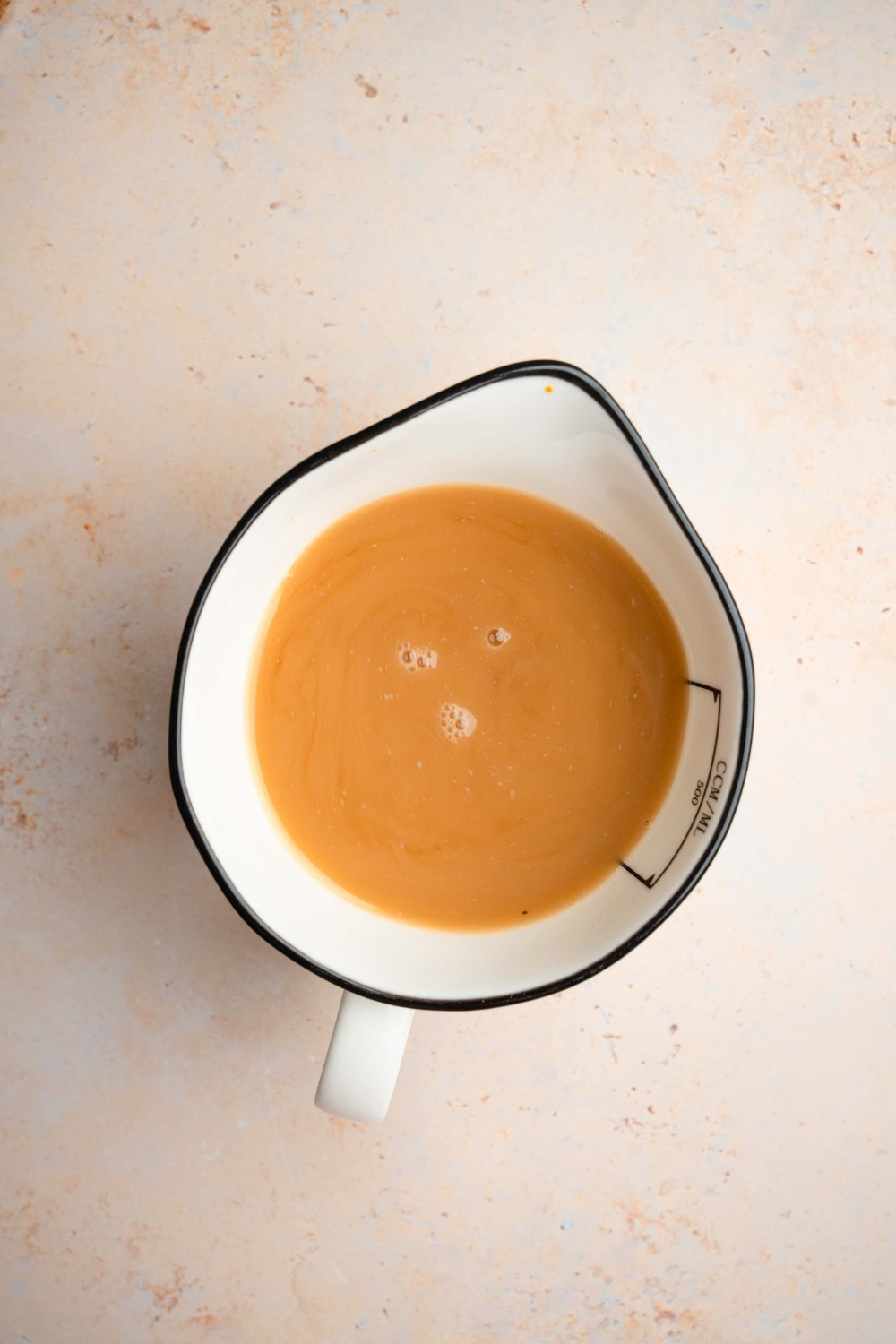
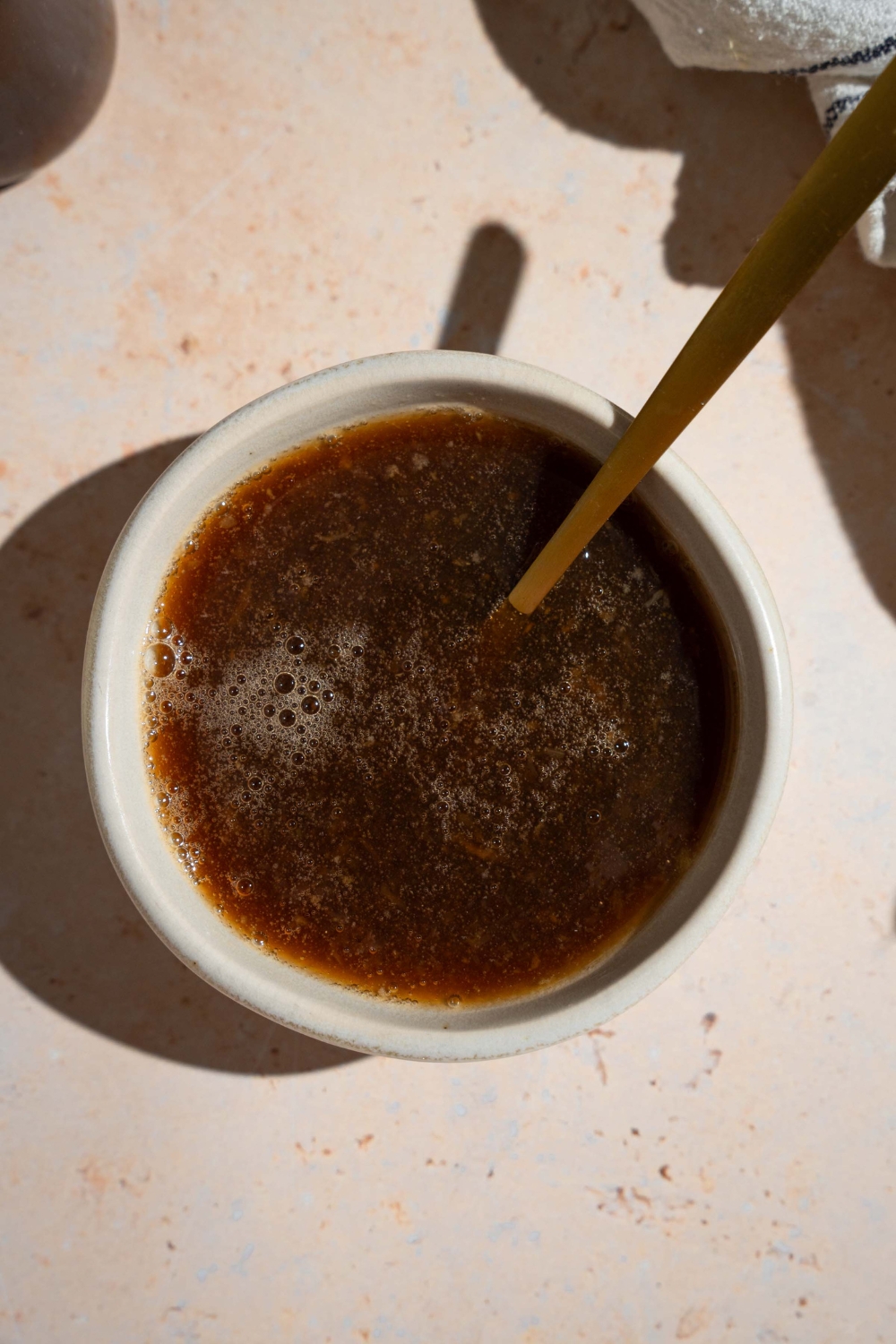
In a small bowl, whisk together cornstarch, sugar, salt, dark soy sauce, and 2 tablespoon water until smooth.
Step 4: Thicken the Sauce
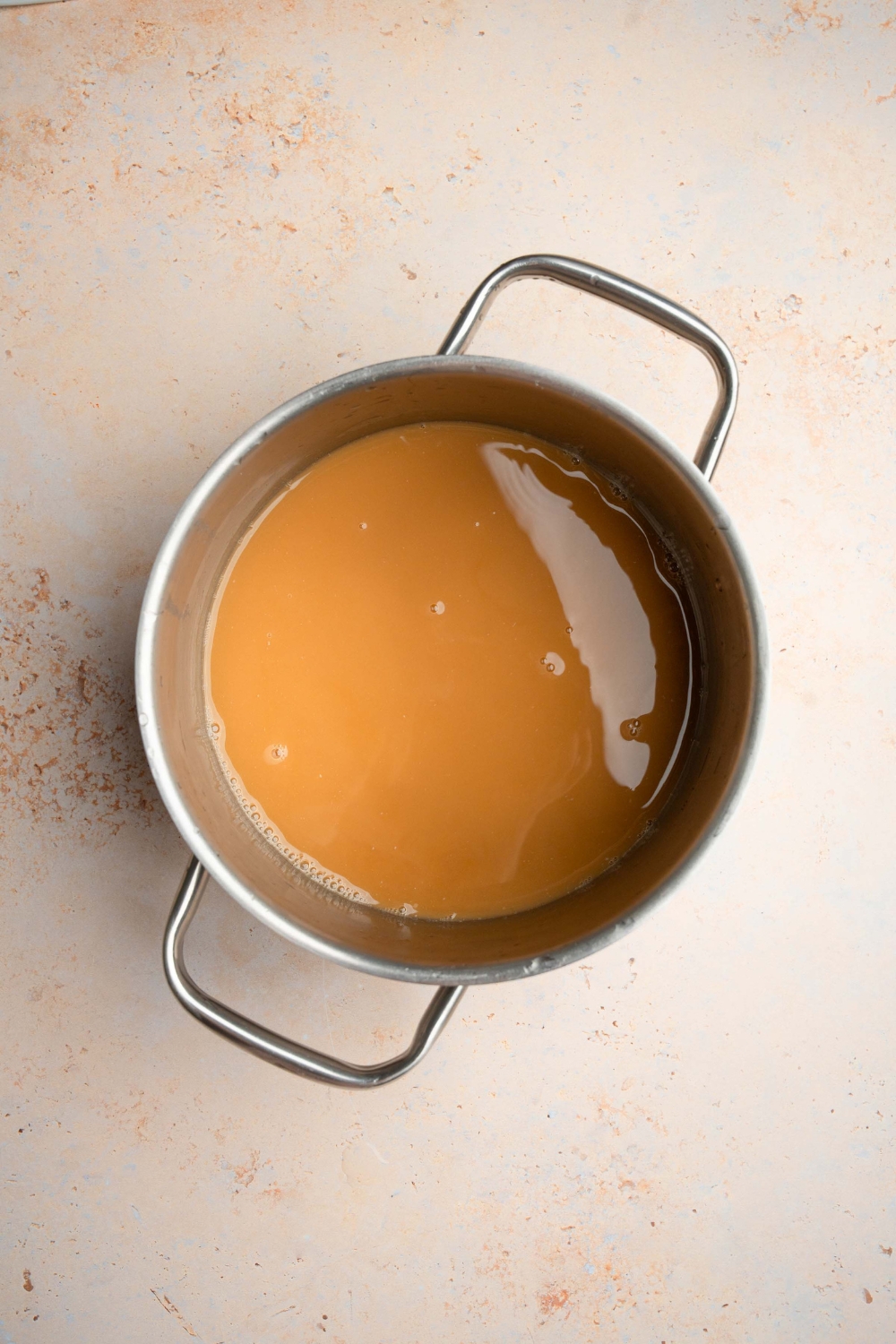
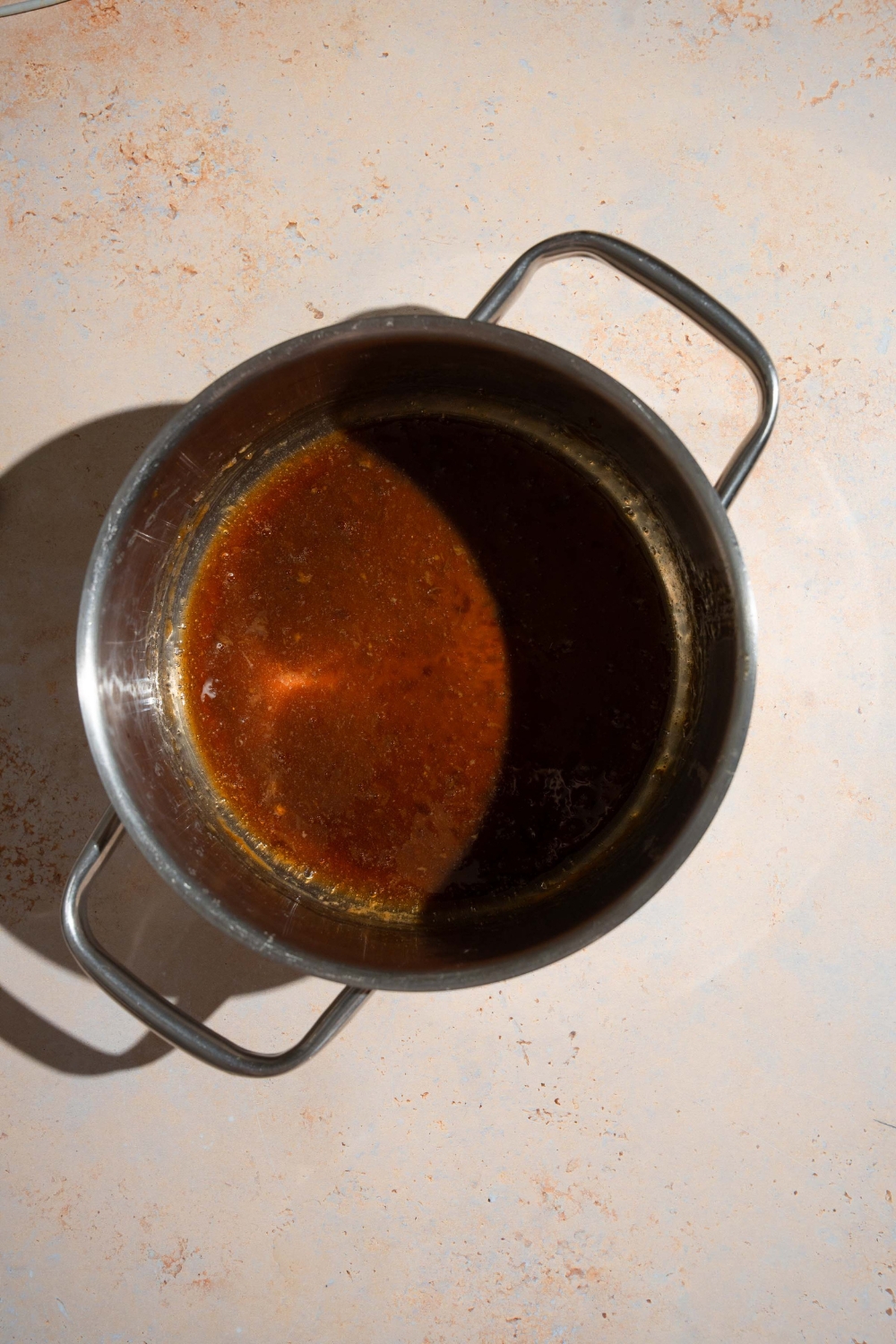
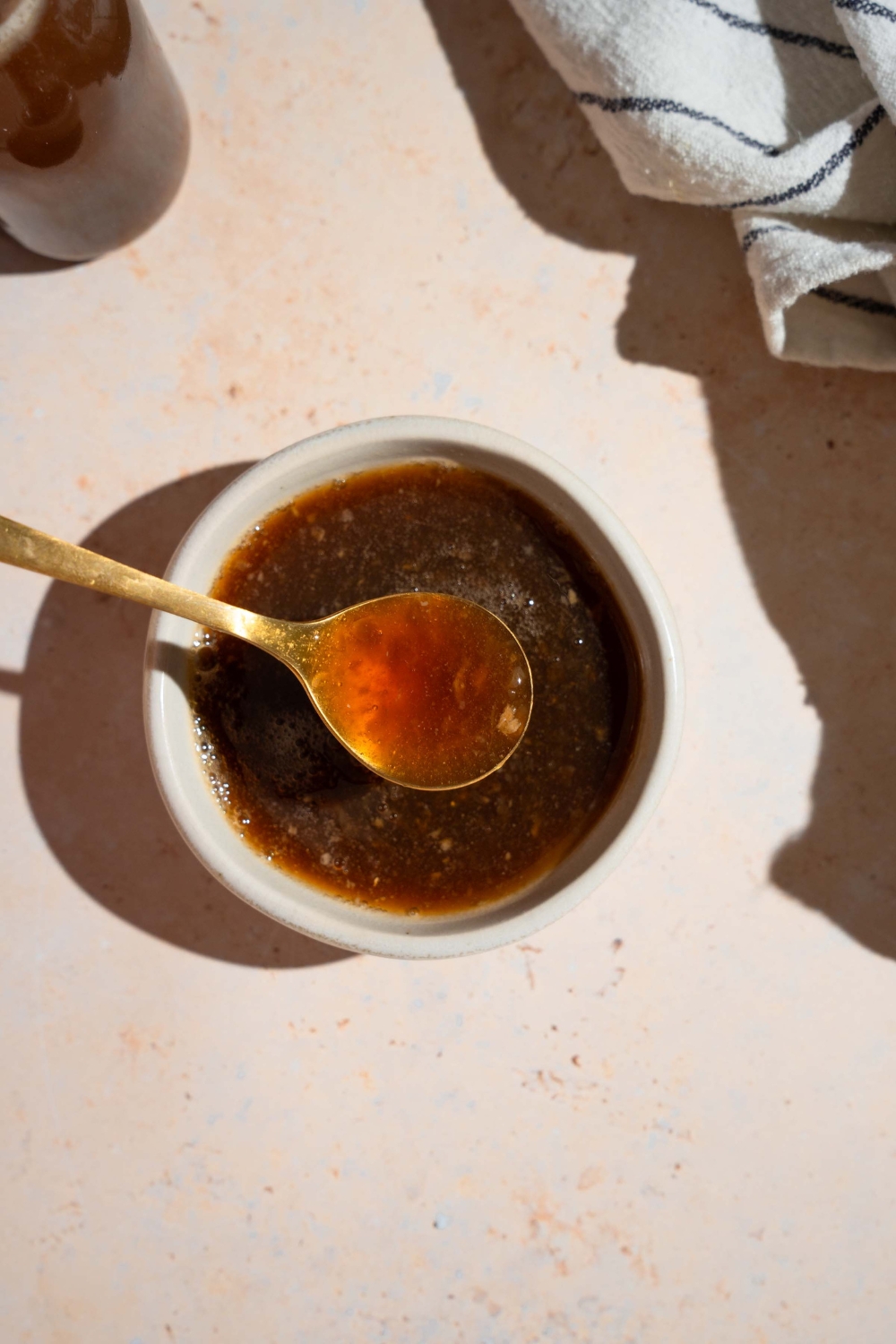
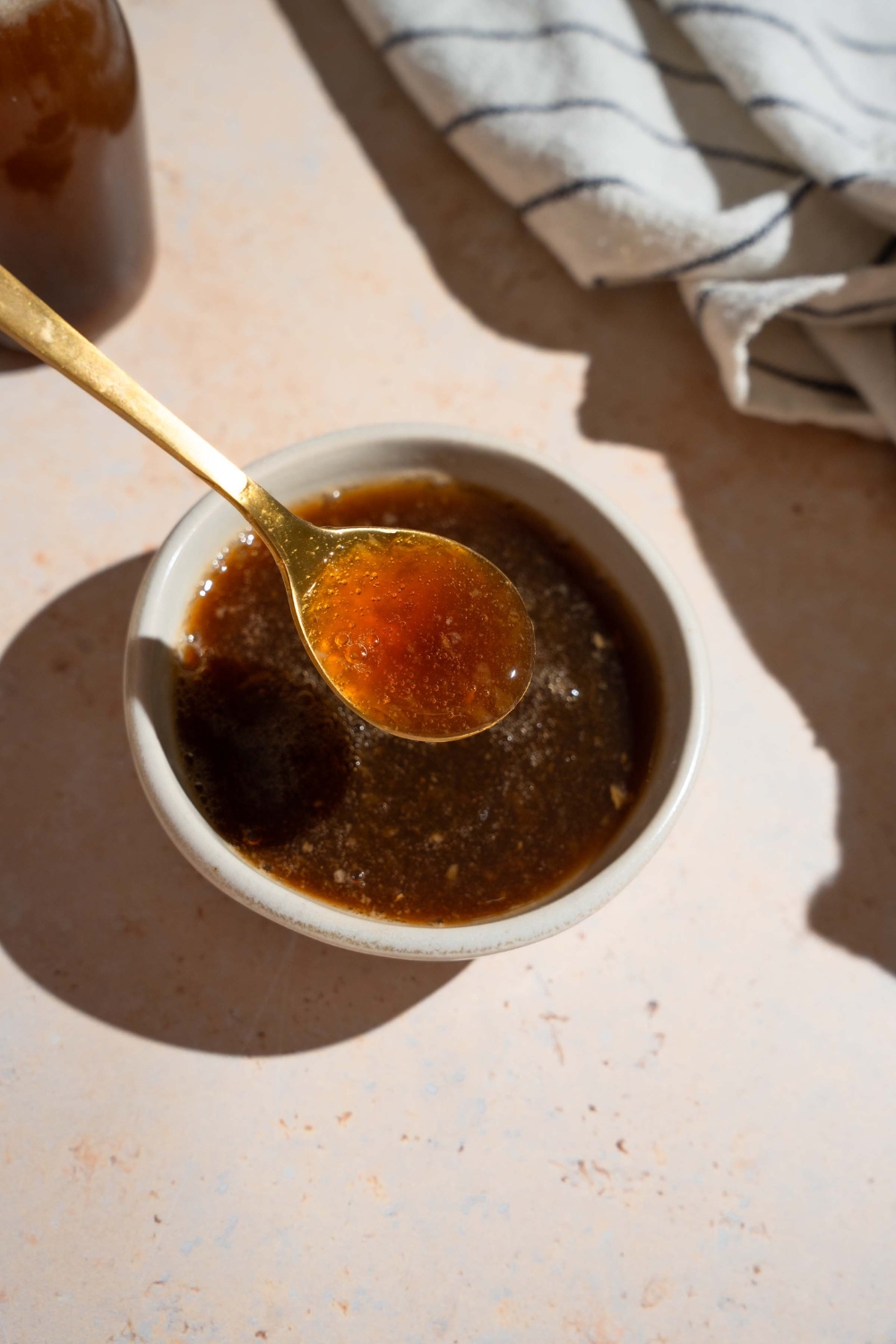
Pour oyster broth into a nonstick pot and bring to a gentle simmer. Lower the heat and stir in the soy sauce mixture. Cook, stirring constantly, for 8–10 minutes, until thickened to a caramel-like consistency.
Step 5: Cool & Store
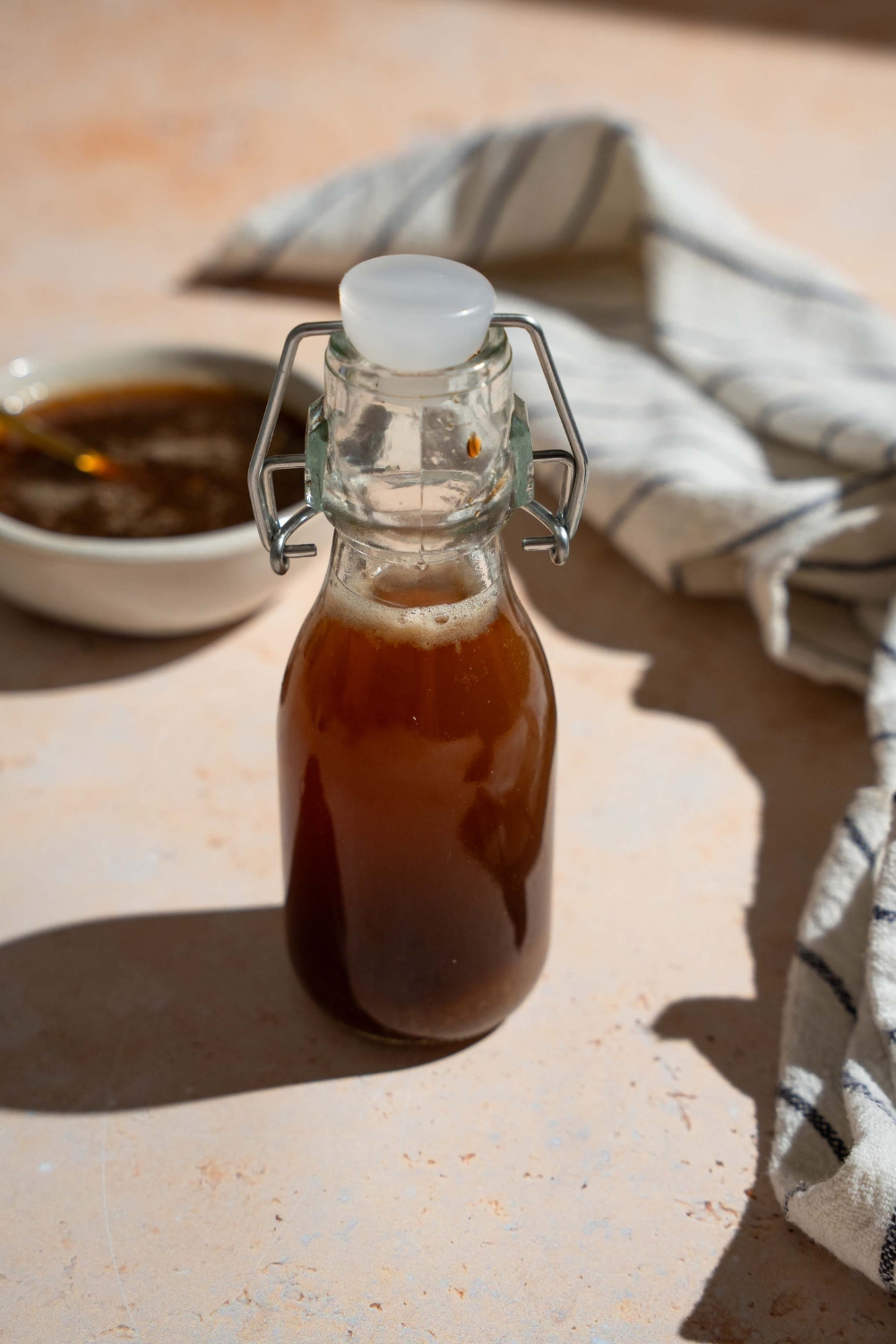
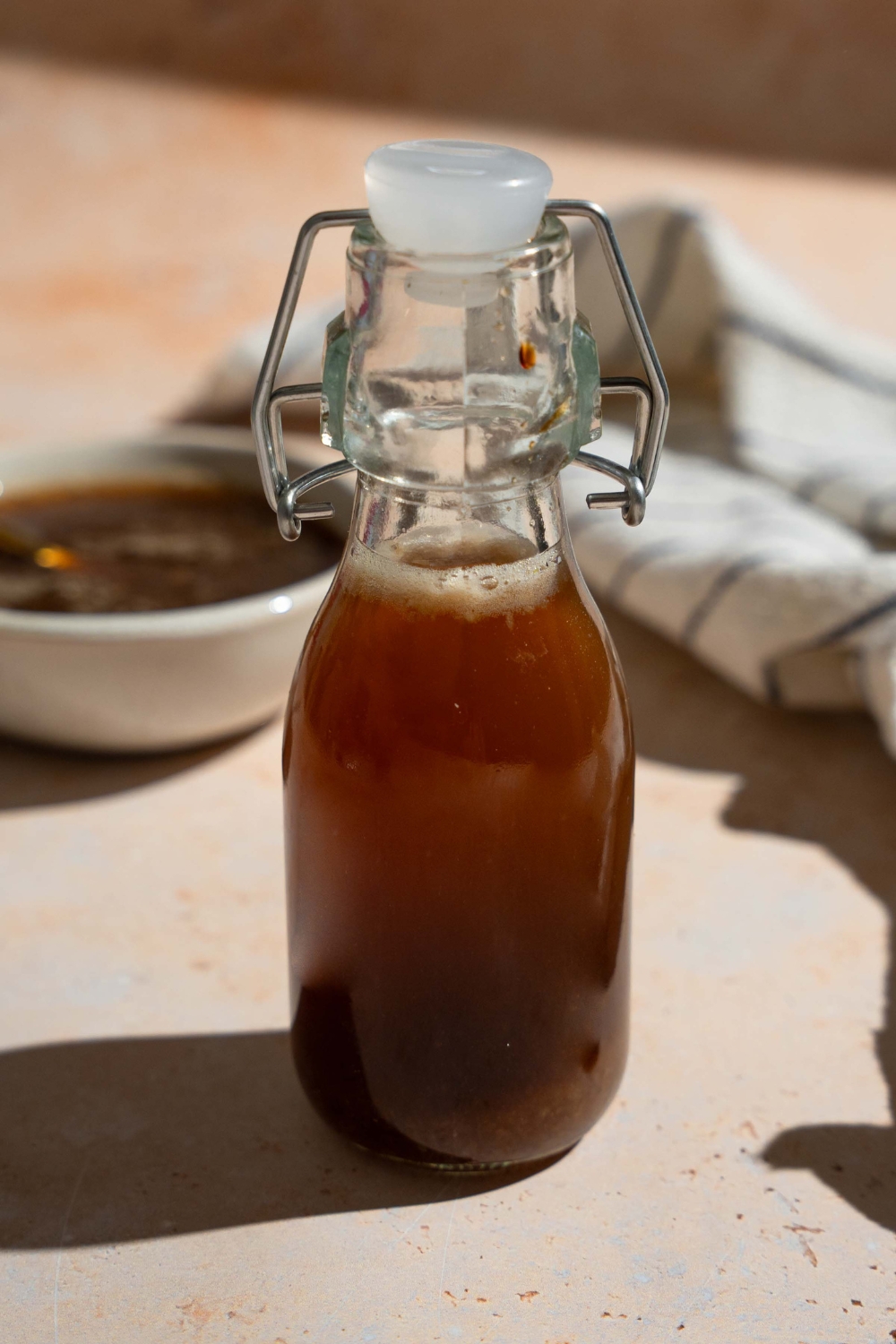
Let the sauce cool completely. Transfer to a clean, sealed jar and refrigerate for up to 1 month. Use a clean spoon each time to keep it fresh.
Expert Tips for The Best Homemade Oyster Sauce
- Simmer gently for clarity and clean flavor. The key to making great oyster sauce lies in a gentle simmer. If you let the broth boil too hard, it can turn cloudy or develop a bitter taste. Keeping the heat at a steady, low simmer slowly draws out the oysters’ natural umami and sweetness while maintaining a clean, delicate flavor. The result is a smooth, clear broth that forms the perfect base for your sauce.
- Skim impurities as you simmer. As the oysters cook, you’ll notice foam or small bits rising to the surface — this is normal. Skim these off periodically using a spoon or fine strainer. Removing these impurities prevents the sauce from becoming murky and gives you that restaurant-quality, glossy finish.
- Strain carefully for a silky texture. After simmering, always strain your oyster broth through a fine-mesh sieve or cheesecloth. This step removes any grit or small particles, leaving you with a clean, refined liquid. A properly strained broth ensures your final sauce is glossy and lump-free — a hallmark of well-made oyster sauce from scratch.
- Use dark soy sauce for color and complexity. Dark soy sauce gives the sauce its signature deep brown color and rich, caramelized flavor. Regular soy sauce works in a pinch, but the taste will be lighter and less robust. If you want to mimic the depth of bottled oyster sauce, dark soy is essential. You can even mix a splash of light soy sauce with dark soy for balanced saltiness and body.
- Stir constantly while thickening. When you add the cornstarch slurry, reduce the heat and stir continuously. Cornstarch thickens fast, and if it sits, it can form lumps or stick to the bottom of the pot. Use a rubber spatula or whisk to keep the sauce moving until it coats the back of a spoon and turns thick and glossy — about the consistency of warm honey.
- Taste and adjust before cooling. Before taking your sauce off the heat, taste it one last time and adjust the flavor to your liking. Add ½ teaspoon of sugar if you want more sweetness, or a splash of soy sauce for added saltiness. Keep in mind that the sauce will taste slightly less salty once cooled, so aim for a balanced, savory-sweet profile while it’s still warm.
- Don’t discard the cooked oysters! Those simmered oysters are packed with umami flavor. Instead of throwing them away, chop them finely and use them in fried rice, stir-fried noodles, congee, or soups. They add a subtle brininess that enhances any seafood dish — think of it as your secret chef’s ingredient.
- Cool completely before storing. Allow the sauce to cool fully before transferring it to jars or containers. Sealing it while warm traps condensation, which can shorten shelf life or affect the texture. Once cooled, pour it into a sterilized glass jar or airtight container.
Oyster Sauce Flavor Variations
- Garlic Oyster Sauce – Add 1 minced garlic clove during the simmering step for an aromatic flavor.
- Spicy Oyster Sauce – Stir in ¼ teaspoon chili flakes or chili oil for a subtle kick.
- Sweet Oyster Sauce – Increase sugar to 2 tablespoons for a flavor closer to bottled commercial sauces.
- Vegan Oyster Sauce – Replace oysters with dried shiitake mushrooms for a plant-based umami alternative.
Oyster Sauce FAQS
Can I use bottled oyster liquid instead of fresh oysters?
Yes — you can use bottled oyster liquor or canned oysters, but the flavor won’t be quite as rich or complex. Fresh or frozen oysters release natural sweetness and depth as they simmer, creating a more authentic, restaurant-quality homemade oyster sauce. Bottled oyster liquid is more convenient but tends to have a milder taste.
What’s the difference between regular soy sauce and dark soy sauce?
Dark soy sauce is thicker, slightly sweeter, and less salty than regular soy sauce. It adds both color and depth to your oyster sauce, giving it that glossy, caramelized finish you see in store-bought versions. Regular soy sauce can be used if that’s what you have, but your sauce will be lighter in color and a bit less robust in flavor. For the best result, use dark soy sauce or a blend of both.
Can I use this homemade oyster sauce in place of store-bought?
Absolutely — this recipe makes a perfect 1:1 substitute for bottled oyster sauce. Use it exactly the same way in stir-fries, marinades, noodle dishes, or dipping sauces. The flavor is fresher, cleaner, and preservative-free, so it enhances food without overpowering it.
How long does homemade oyster sauce last?
Properly stored in an airtight jar, this homemade oyster sauce lasts up to 1 month in the refrigerator. Always allow the sauce to cool fully before storing and use a clean, dry spoon each time to prevent contamination. If you notice any changes in color, texture, or smell, it’s best to make a new batch.
Can I freeze oyster sauce?
Yes! This sauce actually freezes very well. Pour it into ice cube trays, freeze until solid, then transfer the cubes to a freezer-safe bag or container. They’ll keep for up to 3 months. Each cube is about one tablespoon — perfect for portioning out when cooking. To use, thaw overnight in the fridge or warm over low heat in a pan.
How can I make my oyster sauce thicker?
If your sauce comes out thinner than expected, simply simmer it for a few more minutes to let the water evaporate naturally. For faster results, whisk together a small slurry of ½ teaspoon cornstarch and 1 tablespoon cold water, then stir it into the simmering sauce until it reaches your desired consistency. Avoid adding too much at once — the sauce thickens quickly and continues to firm up as it cools.
Can I make oyster sauce without oysters?
Yes — for a vegetarian or vegan version, replace the oysters with dried shiitake mushrooms. Simmer them in water to create a flavorful broth, then follow the same recipe steps. The mushrooms provide an umami-rich flavor that closely mimics traditional oyster sauce while keeping it plant-based.
What’s the best way to use oyster sauce?
Oyster sauce is an incredibly versatile condiment. Add a spoonful to stir-fries, marinades, glazes, or noodle dishes for instant savory depth. It pairs especially well with beef, chicken, seafood, and vegetables like bok choy, broccoli, or mushrooms. It’s also great for balancing sweetness and saltiness in homemade stir-fry sauces or fried rice. My favorite recipes to use it with are shrimp dumplings, chicken lettuce wraps, spicy noodles, and spicy miso ramen.
My Final Thoughts
This homemade oyster sauce is perfectly thick, rich, and packed with real umami flavor. It’s fresher and more flavorful than anything you’ll find in a bottle, and once you try it, you’ll want to keep a jar on hand for adding instant depth to all your favorite dishes. If you make it, leave me a comment and a review below so I can hear how it turned out for you.
Sauce Recipes to Try Next
- Chipotle red chimichurri sauce
- Carolina BBQ sauce
- Cajun garlic butter sauce
- Remoulade sauce
- Cajun cream sauce
- Homemade A1 steak sauce
- Popeye's sweet heat sauce
- Hibachi ginger sauce
- Crab cake sauce
How To Make Oyster Sauce (Oyster Sauce Recipe from Scratch)
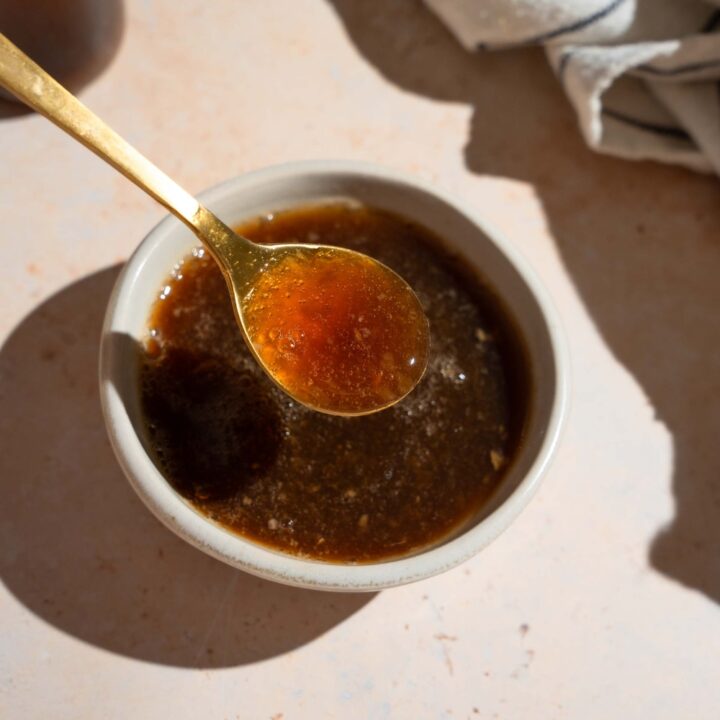
This homemade oyster sauce is thick, glossy, and loaded with umami flavor—just like your favorite bottled version, but fresher and free of preservatives. It's easy to make, yet delivers the deep, savory sweetness that makes stir-fries, noodles, and marinades shine. Once you try this from-scratch version, you’ll never go back to store-bought again! If you’ve made my Seafood Boil Sauce or Adobo Sauce, you already know how much I love creating restaurant-quality sauces at home — and this one is no exception. It’s simple, authentic, and delivers that signature flavor that defines so many Asian dishes.
Ingredients
- 20 oz oyster meat, fresh or frozen
- 500 ml water (for making oyster broth)
- 1 tablespoon cornstarch
- 1 tablespoon sugar
- ½ teaspoon salt
- 1 tablespoon dark soy sauce
- 2 tablespoon water (for dissolving cornstarch)
Instructions
1. Place 20 oz of frozen oyster meat in a bowl, cover with cold water, and let thaw for about 10 minutes. Gently rinse the oysters 2–3 times in cold water without breaking them, then drain well.
2. Transfer the oysters to a large pot with 500 ml of cold water. Bring to a gentle simmer over medium-high heat, then reduce to medium-low and simmer for 30 minutes, skimming off any foam. The liquid should reduce by about half. Remove and store the oysters for later use.
3. Strain the broth through a fine-mesh sieve or cheesecloth to get about 250 ml of clear oyster broth.
4. In a small bowl, mix cornstarch, sugar, salt, dark soy sauce, and a little water until smooth.
5. Pour the oyster broth into a small nonstick pot and bring to a simmer. Lower the heat and stir in the soy sauce mixture. Cook, stirring constantly, for 8–10 minutes, until thickened to a caramel-like consistency.
6. Transfer the finished oyster sauce to a clean, sealed container and refrigerate for up to 1 month. Always use a clean spoon when serving.
Nutrition Information:
Yield:
8Serving Size:
1Amount Per Serving: Calories: 158Total Fat: 5gSaturated Fat: 1gUnsaturated Fat: 3gCholesterol: 84mgSodium: 418mgCarbohydrates: 10gFiber: 0gSugar: 2gProtein: 17g
Leave a Reply