


This lemon cream sauce is silky and rich from heavy cream and Parmesan, but fresh lemon juice and zest keep it light, punchy, and not heavy. It turns simple pasta into something you’d pay for, and it’s just as good spooned over fish, shrimp, or chicken when you want a quick “wow” dinner. It’s as versatile as my White Wine Sauce or Cream Sauce Base, and if you’ve tried those, you already know I always deliver on sauces.
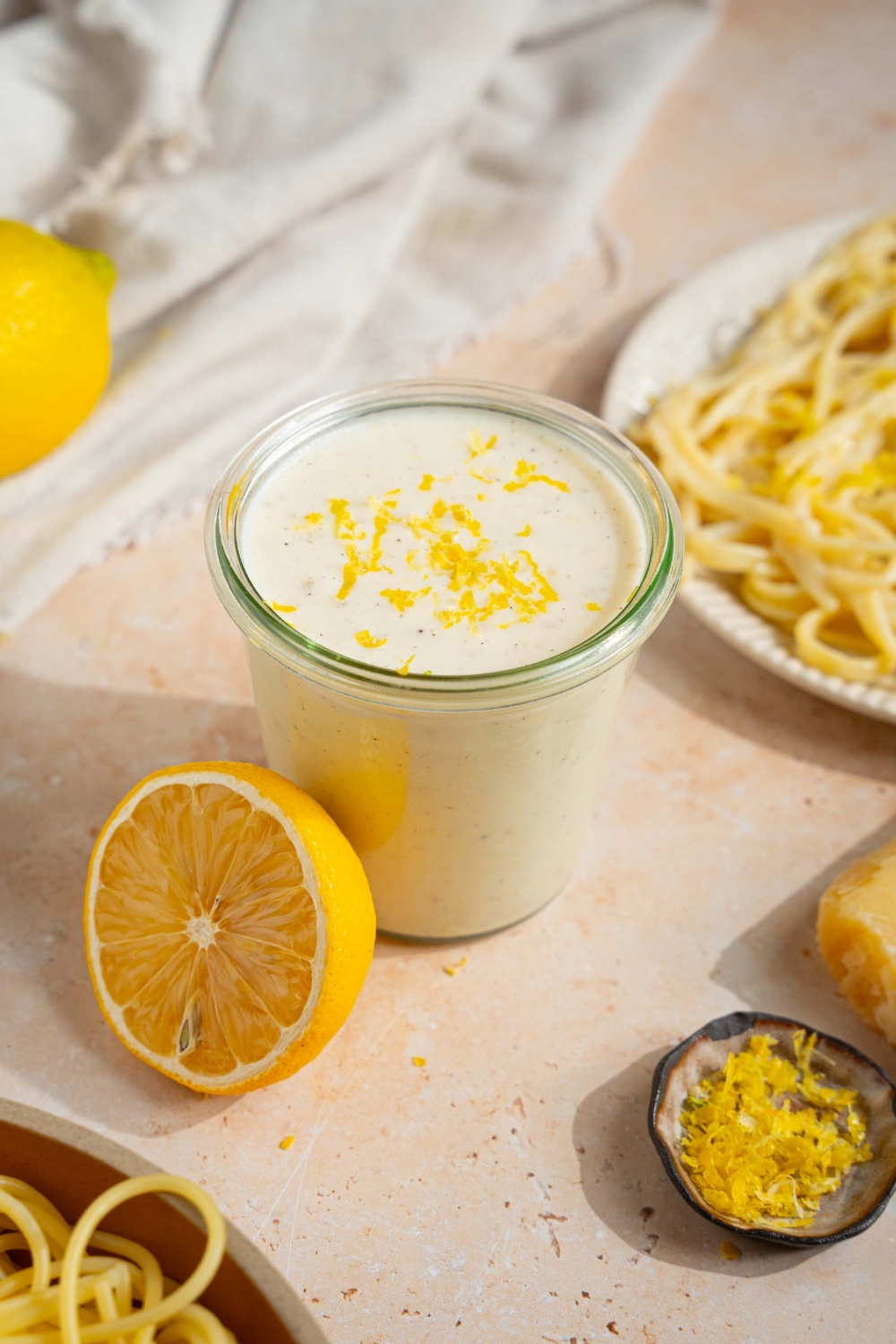
Table of Contents
Why You'll Love This Lemon Cream Sauce
This creamy lemon sauce solves the biggest problem creamy sauces can have: they’re rich, but they can taste flat. Lemon fixes that instantly. It lifts the whole thing, cuts through the cream, and makes every bite feel fresh even though the sauce is still creamy and indulgent.
It’s also a true one sauce, two dinners recipe. Toss it with pasta for a cozy weeknight meal, then use the leftovers to drizzle over salmon, white fish, shrimp, or chicken the next day. Same sauce, totally different meal, and it still tastes fresh.
The balance is really what makes it addictive. Garlic, cream, and Parmesan bring the comfort, lemon brings the brightness, and black pepper ties it all together. It’s quick, it’s versatile, and once you make it, you’ll start finding excuses to put it on everything.
Ingredients You'll Need
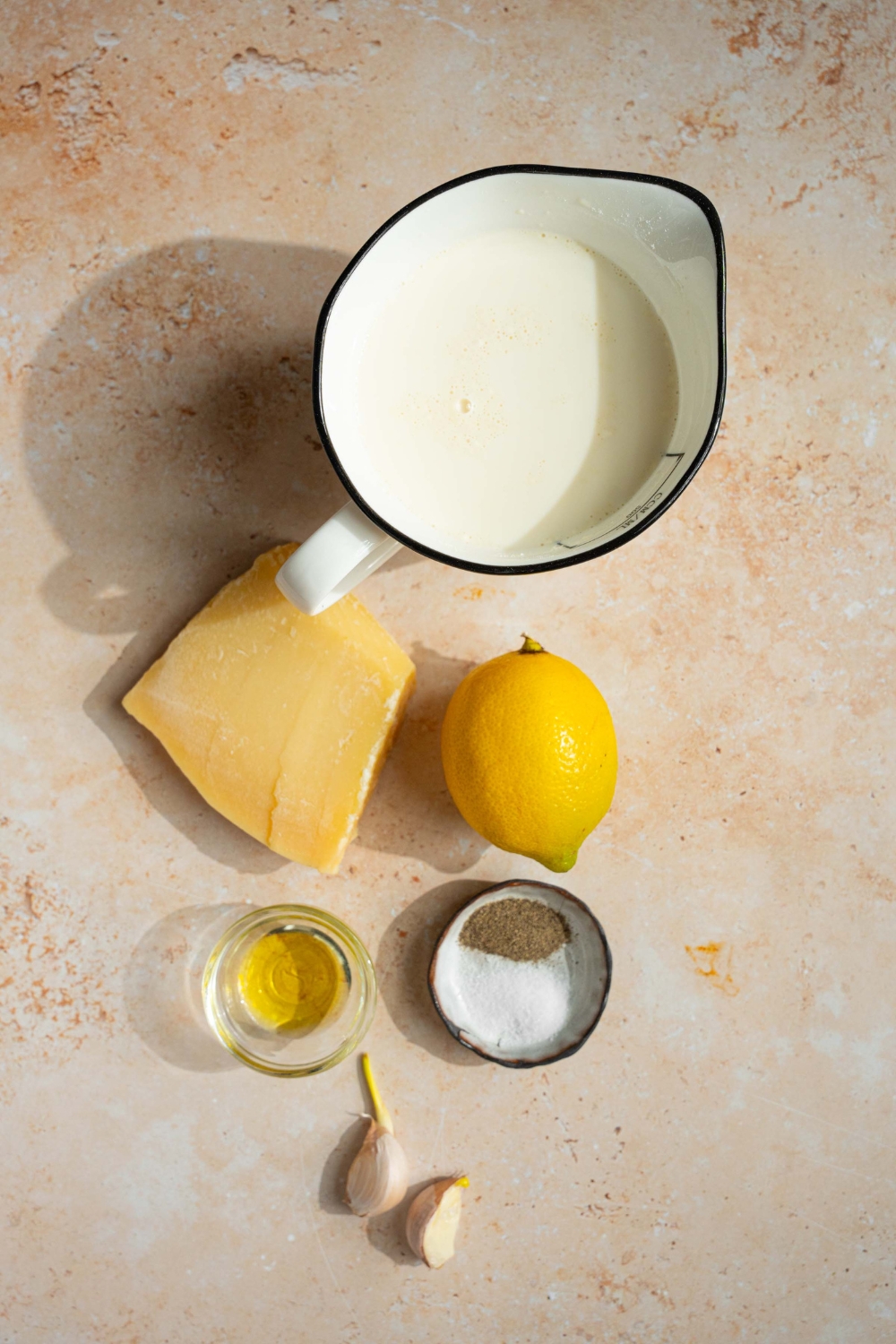
- 1 tablespoon olive oil
- 3 garlic cloves, minced
- 1 cup heavy cream
- ½ teaspoon black pepper
- ¼ to ½ teaspoon salt
- 50 grams Parmesan, finely grated
- 3 tablespoons lemon juice
- Zest of 1 lemon
- Pasta of your choice if using (200g dried or 300g fresh)
Ingredient Notes That Make This Sauce Better
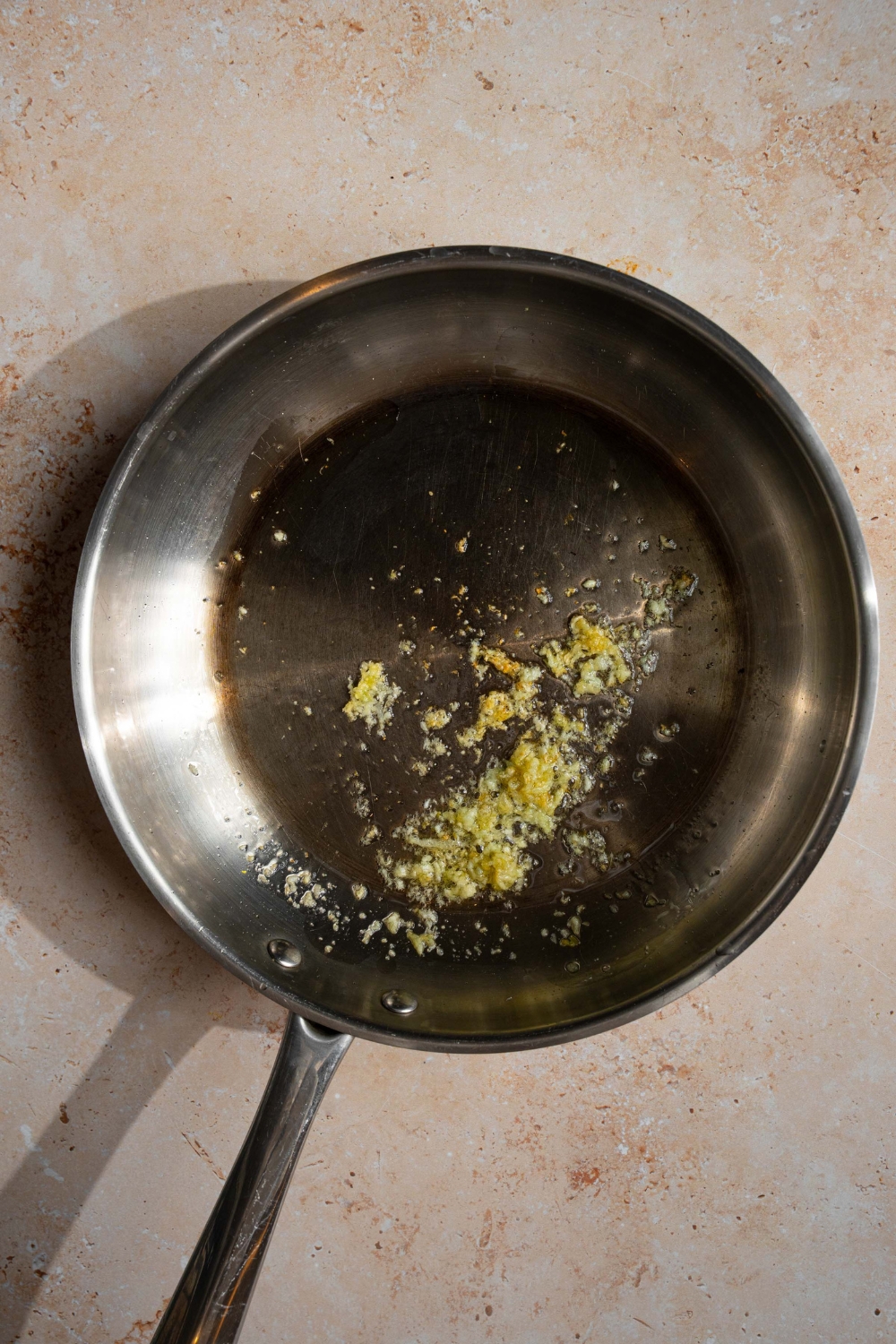
- Garlic: You want it gently sizzling, not browned. Browned garlic can taste bitter, especially with lemon.
- Heavy cream: This gives you the smooth, stable base. It’s also what keeps the sauce from curdling when you add lemon.
- Parmesan: Finely grated melts smoothly. Pre-shredded can clump because of anti-caking agents.
- Lemon juice and zest: Juice gives brightness. Zest gives that lemon aroma that makes the sauce taste fresh and vibrant. Add juice quickly and keep heat low so the sauce stays smooth.
- Pasta water: Starchy pasta water helps emulsify the sauce so it clings to pasta instead of sliding off.
How to Make Lemon Cream Sauce For Pasta
Step 1: Cook pasta and reserve pasta water
Cook pasta in a large pot of heavily salted water until al dente. Before draining, reserve 1 cup of pasta water.
Step 2: Sauté garlic gently
Heat olive oil in a large frying pan over medium heat. Add garlic and let it gently sizzle for about 1 minute. Do not let it brown.
Step 3: Add cream and gently simmer
Lower the heat slightly and pour in the cream. Bring to a very gentle simmer and cook about 1 minute.
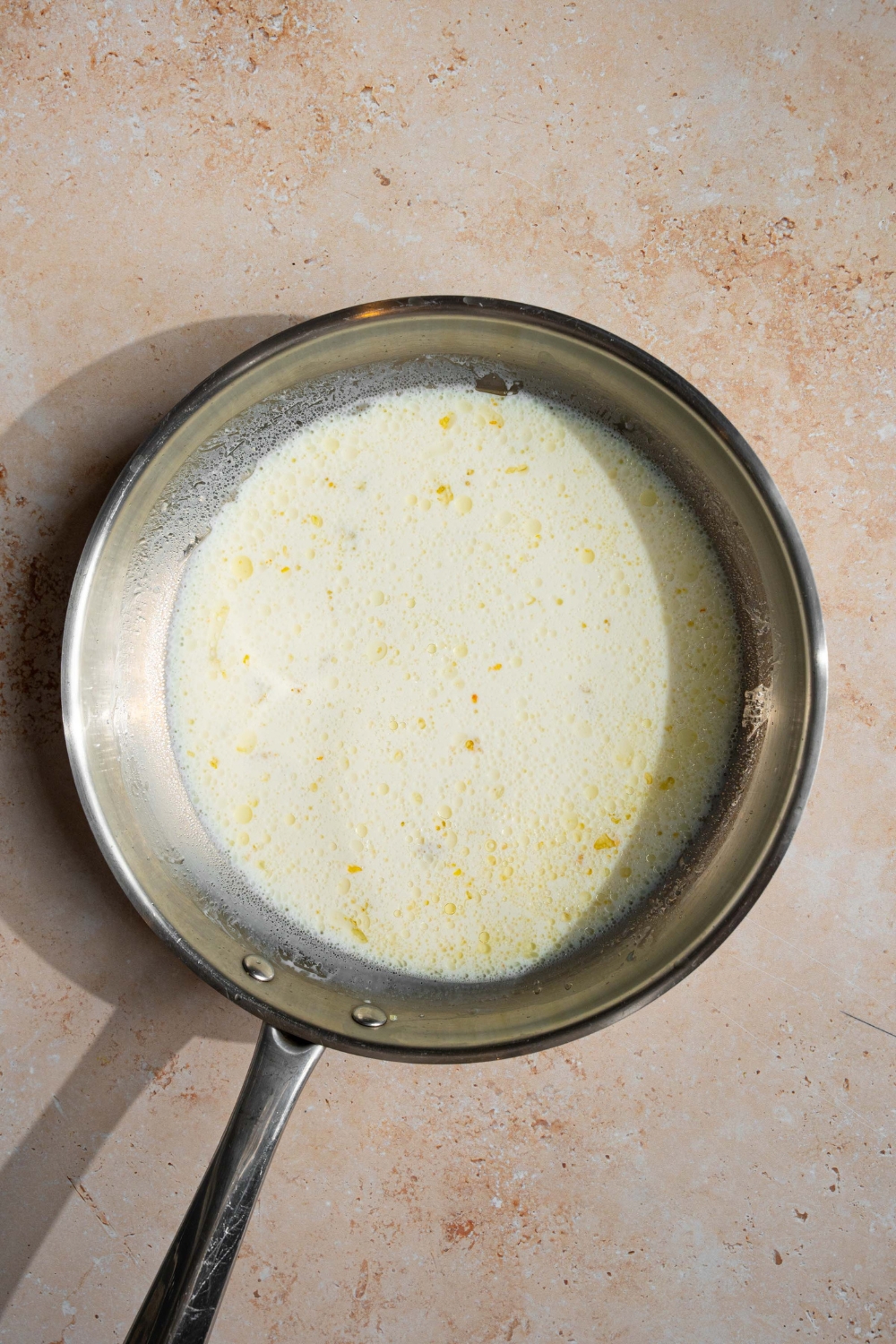
Step 4: Melt Parmesan gradually
Add Parmesan in a few additions, whisking between each so it melts smoothly. Keep the heat low with only a gentle simmer.
Step 5: Season and thicken
Season with salt and pepper. Let it bubble softly for 1 to 2 minutes until slightly thickened.
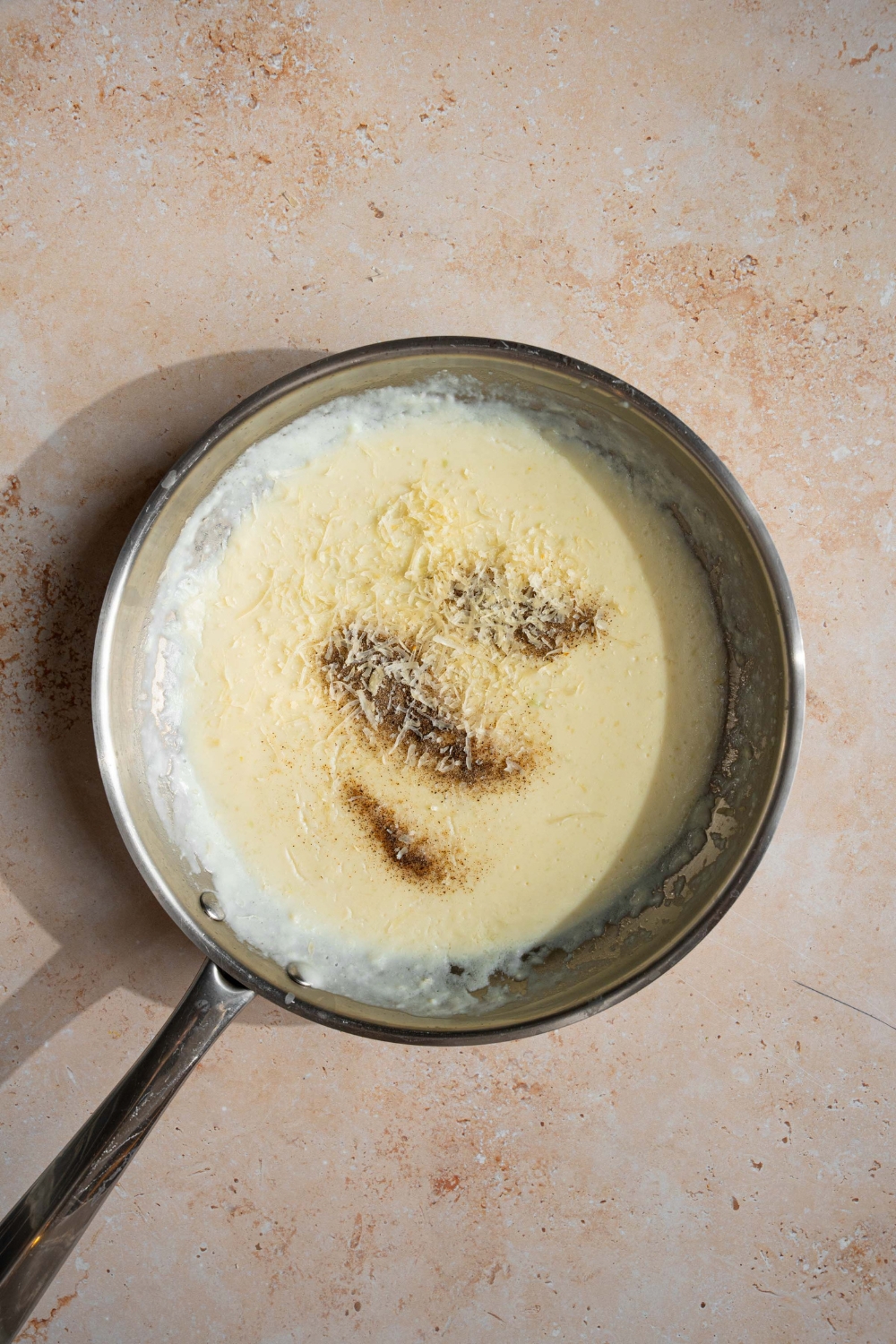
Step 6: Add lemon juice, then toss with pasta
Stir in lemon juice quickly. Add cooked pasta directly to the pan and toss well. Simmer gently in the sauce about 1 minute. If needed, add a splash of reserved pasta water to loosen the sauce. Taste and adjust salt, pepper, and lemon.
Step 7: Finish and serve
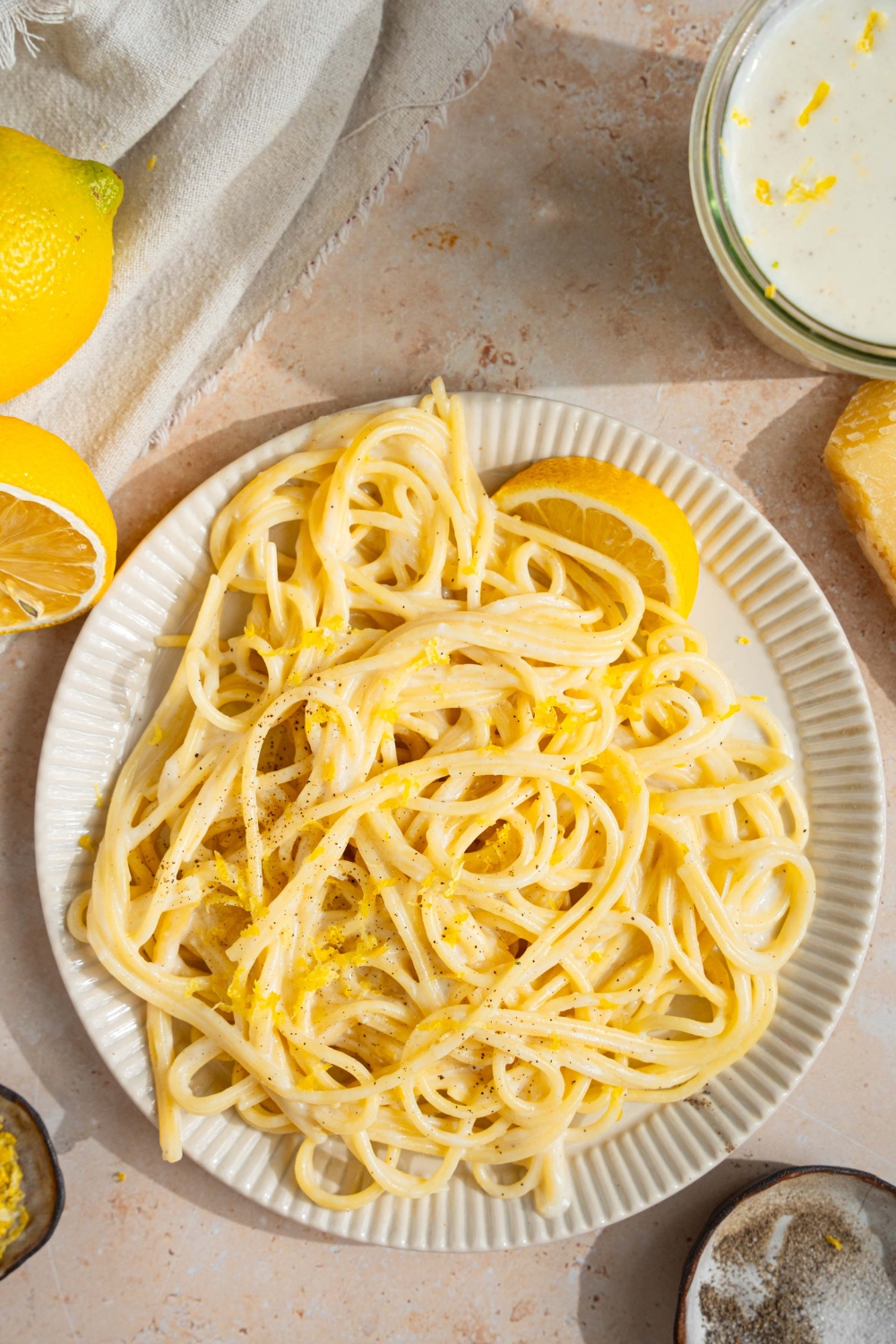
Serve immediately with extra grated Parmesan, lemon zest, and a generous crack of black pepper.
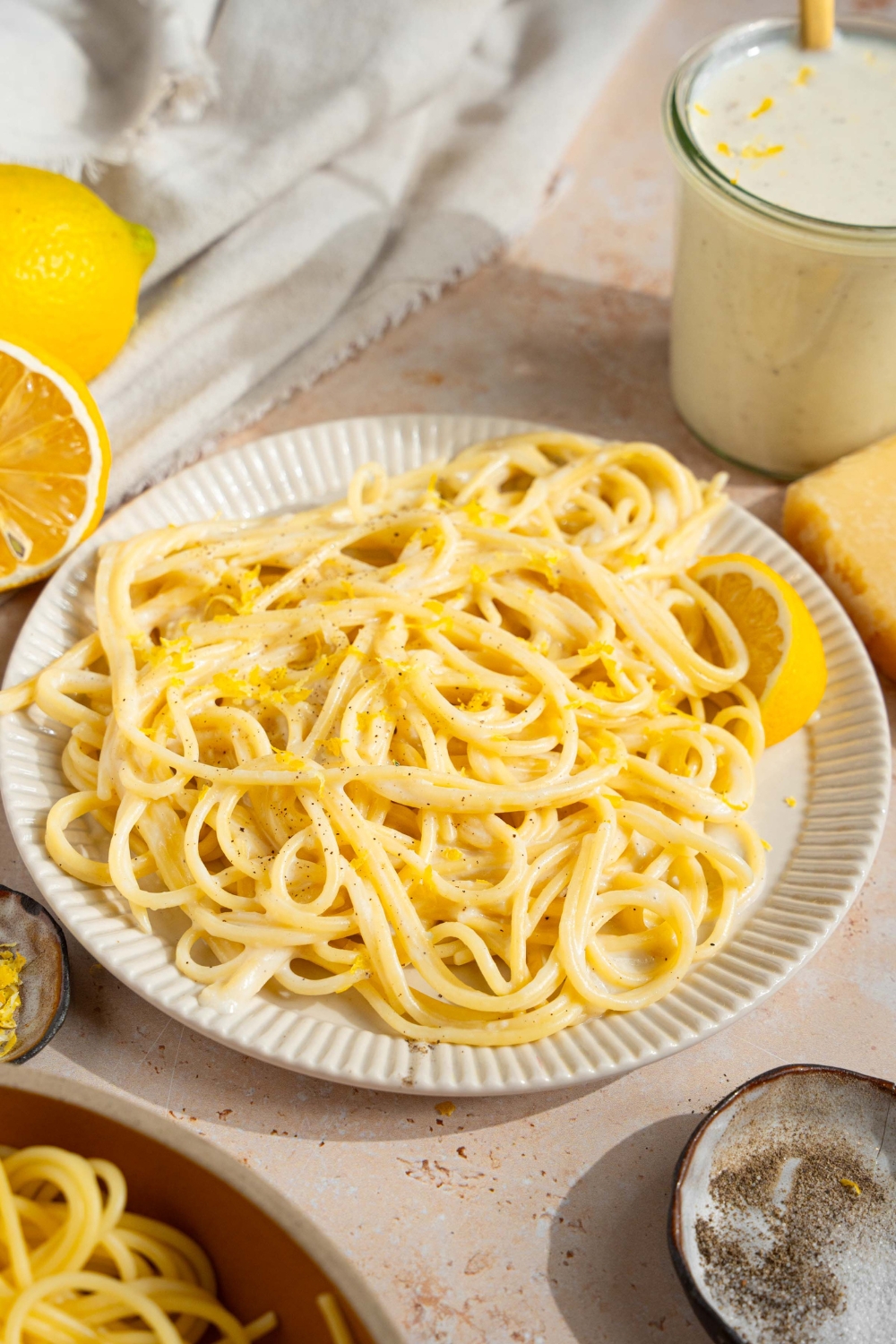
Pro Tips for a Smooth Lemon Cream Sauce
- Keep the heat low once dairy hits the pan. After you add the cream, you’re aiming for a gentle simmer, not a hard boil. High heat can cause the sauce to reduce too fast, turn greasy, or separate, and lemon can make that worse if the pan’s too hot.
- Add Parmesan slowly and whisk between additions. Sprinkle it in a little at a time so it melts smoothly into the cream instead of clumping. Freshly grated Parmesan melts best, and low heat is your best friend here.
- Add the lemon juice at the end. Lemon is acidic, so if you add it too early (or when the sauce is ripping hot), it can tighten the dairy and mess with the texture. Stir it in once the sauce is already smooth and emulsified so you get the brightest flavor and the silkiest finish.
- Use pasta water like a chef. A splash of starchy pasta water turns the sauce glossy and helps it cling to the noodles instead of sliding off. It also fixes common issues: if your sauce gets too thick, add pasta water 1 tablespoon at a time while tossing until it’s silky again.
- Serve it right away. Cream sauces are best fresh. They thicken fast as they sit, so if you’re waiting on anyone, keep the heat on low and loosen with a quick splash of pasta water right before serving.
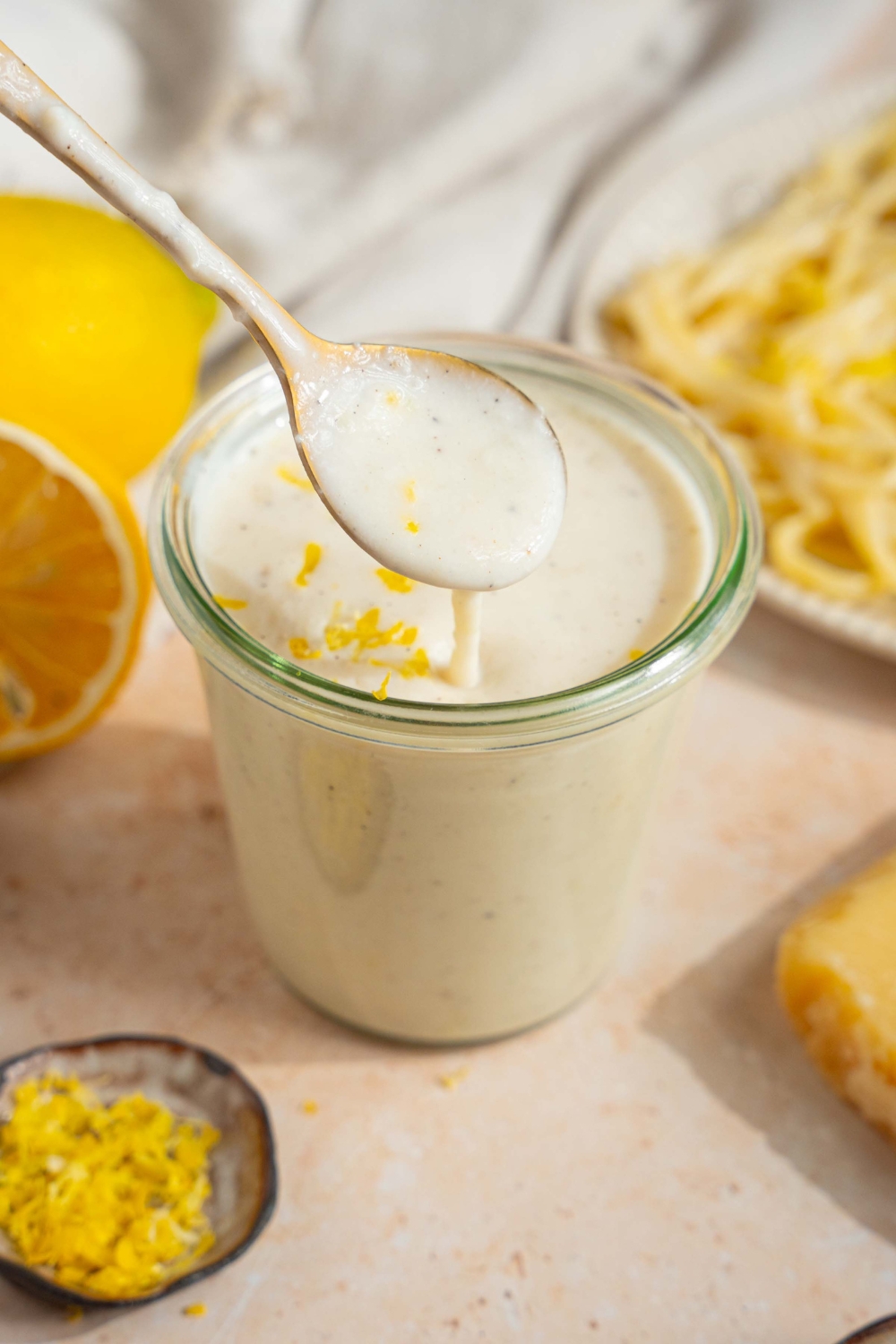
Lemon Cream Sauce Variations
- Lemon Garlic Butter Cream: For a richer, silkier finish, whisk in 1 tablespoon butter at the very end (right before serving). It makes the sauce taste extra glossy and restaurant-level without changing the lemon flavor.
- Spicy Lemon Cream Sauce: Add ¼ teaspoon crushed red pepper flakes with the garlic (or more if you like heat). The gentle spice is so good with lemon, especially if you’re serving this with shrimp or chicken.
- Herby Lemon Cream Sauce: Stir in 2 tablespoons chopped fresh herbs right before serving. Parsley keeps it classic, basil makes it taste extra fresh, and dill is amazing if you’re pairing the sauce with salmon.
- Add Shrimp: Sauté 1 pound shrimp in a little olive oil with salt and pepper until just pink, then toss in to the pasta at the end.
- Add Grilled Chicken: Slice or dice 2 cups cooked chicken and warm it in the sauce for a minute before serving.
- Add Salmon: Flake 1 to 2 cups cooked salmon and gently fold it in at the end so it stays tender.
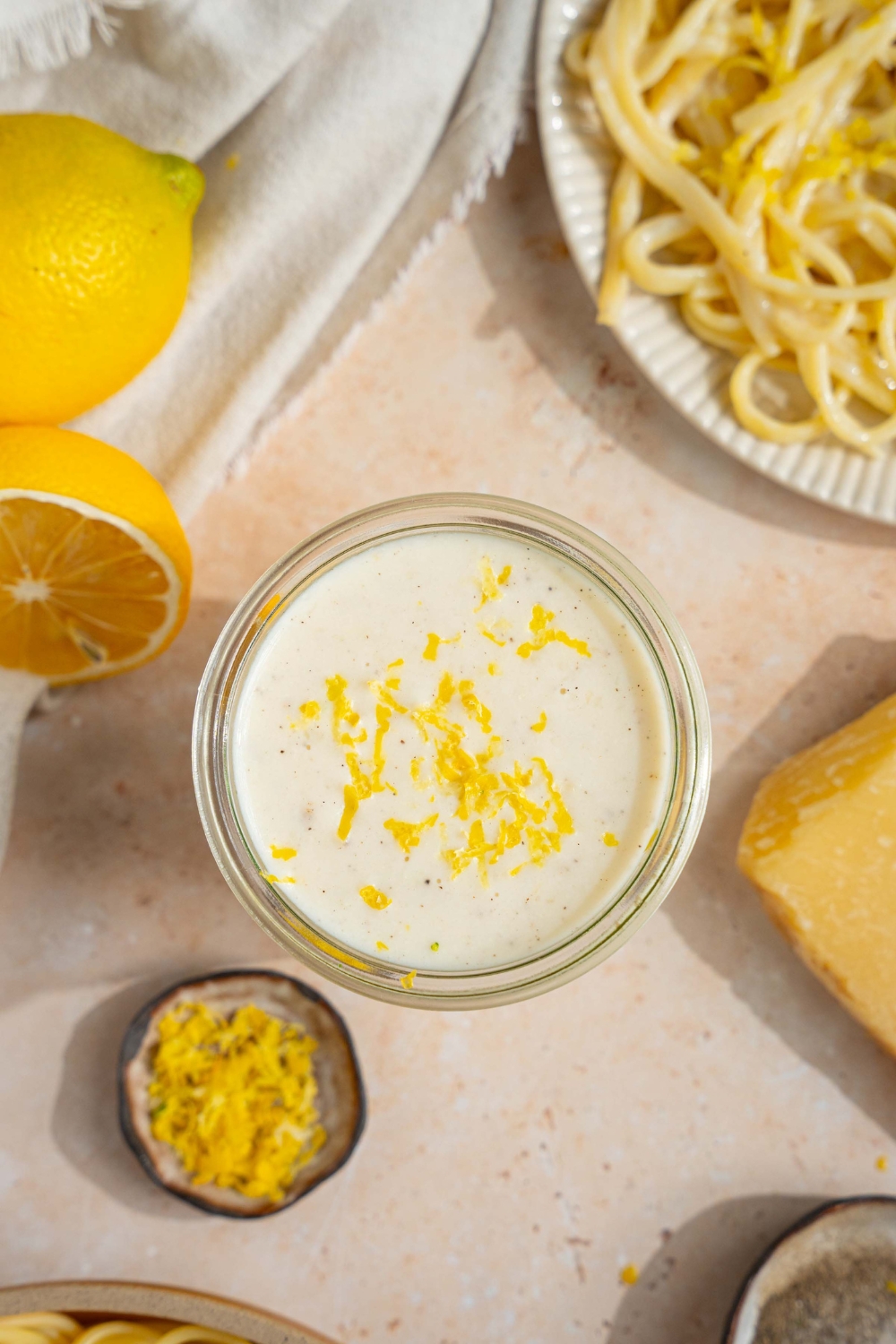
How To Use Lemon Cream Sauce
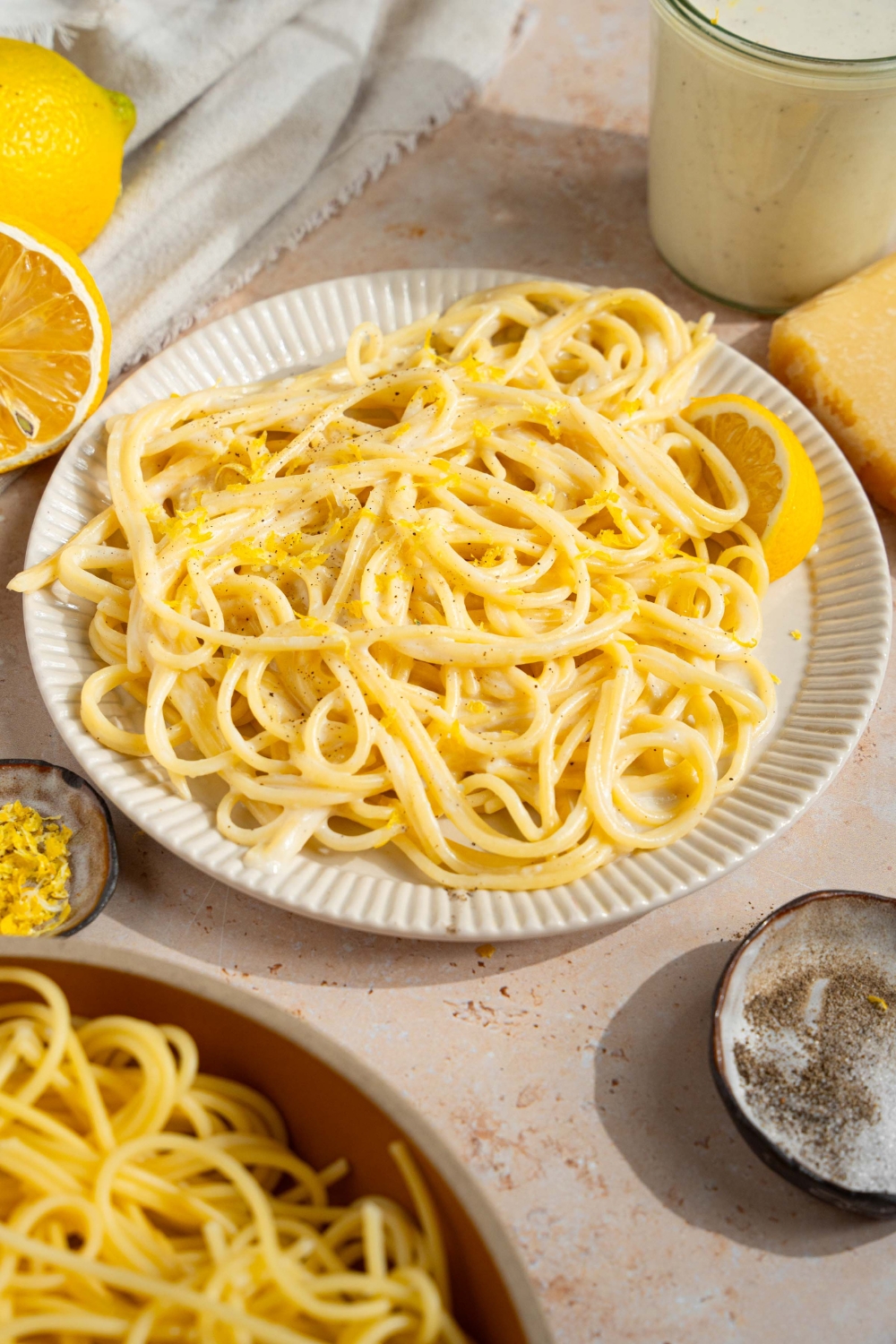
- Toss it with pasta (the classic move): This sauce was made for pasta. Add your cooked pasta straight into the pan, toss for 30 to 60 seconds, and use a splash of reserved pasta water to get that glossy, clingy finish. It’s perfect with fettuccine, linguine, spaghetti, or penne.
- Make it a quick seafood sauce: Lemon and seafood are best friends. Spoon it over shrimp, scallops, salmon, or white fish like cod. You can also cook your seafood separately and fold it in at the end. The sauce stays bright and creamy without overpowering the delicate flavor.
- Turn it into a chicken dinner: Drizzle it over grilled chicken, chicken cutlets, or baked chicken thighs. It’s also great as a quick skillet sauce, just warm sliced cooked chicken in the sauce for a minute, then serve over pasta, rice, or roasted potatoes.
- Upgrade vegetables fast: Use it as a finishing sauce for roasted broccoli, asparagus, green beans, or Brussels sprouts. A little lemon cream sauce turns veggies into something people actually want to eat.
- Use it as a creamy base for bowls: Spoon it into grain bowls with rice, quinoa, or farro, then add roasted veggies and a protein. It works like a bright, creamy “bowl sauce” that makes leftovers feel new.
- Make it a dip or drizzle: If you’ve got extra sauce, use it as a dip for crusty bread or drizzle it over garlic bread. If it’s too thick for dipping, loosen it with a tablespoon of warm water or cream.
Storage and Reheating Tips
- Refrigerator: Store leftover lemon cream sauce (or lemon cream pasta) in an airtight container in the fridge for up to 3 days. It’ll thicken as it chills, that’s normal for cream sauces.
- Reheating: Reheat gently on the stove over low heat and whisk as it warms to bring it back together. Add 1 to 2 tablespoons of water, milk, cream, or reserved pasta water to loosen it until it’s silky again. Avoid boiling the water, high heat can make the sauce separate or turn grainy.
- Freezing: Freezing isn’t recommended. Cream sauces can separate and lose that smooth texture after thawing. If you want the best results, make it fresh or plan to eat leftovers within a couple of days.
Leamon Cream Sauce FAQS
Can I use milk instead of heavy cream?
You can, but heavy cream is the best choice because it’s more stable when you add lemon. Milk is more likely to curdle and the sauce won’t be as rich. If you have to use milk, keep the heat very low and add the lemon slowly at the end.
Why did my lemon cream sauce turn grainy?
This usually happens when the heat is too high or the Parmesan didn’t melt smoothly. Keep the sauce at a gentle simmer, use finely grated Parmesan, and add it in small handfuls while whisking.
Can I add lemon juice earlier while cooking?
It’s better at the end. Lemon is acidic, and adding it too early can tighten the dairy or make the sauce separate. Stir it in once the sauce is already smooth and emulsified for the best texture and brightest flavor.
How do I make lemon cream sauce thicker?
Let it simmer gently for 1 to 2 minutes longer while whisking. Parmesan also helps thicken as it melts. Just keep the heat low so it thickens without breaking.
How do I make lemon cream sauce thinner?
Add reserved pasta water a splash at a time while tossing or whisking until it’s the consistency you want. If you’re not using pasta, use a splash of cream or a little water.
Can I make lemon cream sauce ahead of time?
It’s best fresh, but you can make it ahead and reheat gently. Warm it over low heat with a splash of water, milk, cream, or pasta water and whisk until smooth.
What pasta works best with lemon cream sauce?
Long noodles like fettuccine, linguine, and spaghetti are classic because they get coated really well, but penne and rigatoni are great too, since the sauce clings inside the tubes.
What can I serve lemon cream sauce with besides pasta?
It’s amazing over shrimp, salmon, chicken, and roasted vegetables. It’s one of those sauces that instantly makes a simple protein feel like a “real dinner.”
More Sauce Recipes You'll Love
Lemon Cream Sauce (Creamy Lemon Pasta Sauce)

This lemon cream sauce is silky and rich from heavy cream and Parmesan, but fresh lemon juice and zest keep it light, punchy, and not heavy. It turns simple pasta into something you’d pay for, and it’s just as good spooned over fish, shrimp, or chicken when you want a quick “wow” dinner. It’s as versatile as my White Wine Sauce or Cream Sauce Base, and if you’ve tried those, you already know I always deliver on sauces.
Ingredients
- 1 tablespoon olive oil
- 3 garlic cloves, minced
- 1 cup heavy cream
- ½ teaspoon black pepper
- ¼ - ½ teaspoon salt
- 50 g parmesan, finely grated
- 3 tablespoon lemon juice
- Zest of a lemon
- Pasta of your choice 200g dried or 300g fresh
Instructions
1. Cook the pasta in a large pot of heavily salted water until al dente. Before draining, reserve a cup of the pasta water and set it aside.
2. While the pasta cooks, heat the olive oil in a large frying pan over medium heat. Add the garlic and let it gently sizzle for about a minute, being careful not to let it brown.
3. Lower the heat slightly and pour in the cream. Bring it to a very gentle simmer and cook for about a minute.
4. Add the Parmesan in a few additions, whisking between each one so it melts smoothly into the cream. Keep the heat low and maintain only a gentle simmer throughout.
5. Season with salt and pepper, then let the sauce bubble softly for a minute or two until it thickens slightly.
6. Stir in the lemon juice quickly, then add the cooked pasta directly to the pan. Toss well and let it simmer gently in the sauce for about a minute. If needed, add a splash of the reserved pasta water to loosen the sauce. Taste and adjust seasoning as needed.
7. Serve immediately, finished with extra grated Parmesan, lemon zest, and a generous crack of black pepper on top.
Nutrition Information:
Yield:
2Serving Size:
1Amount Per Serving: Calories: 616Total Fat: 60gSaturated Fat: 34gUnsaturated Fat: 26gCholesterol: 161mgSodium: 564mgCarbohydrates: 11gFiber: 1gSugar: 4gProtein: 11g
Sandra
Your lemon sauce was terrific on linguine