


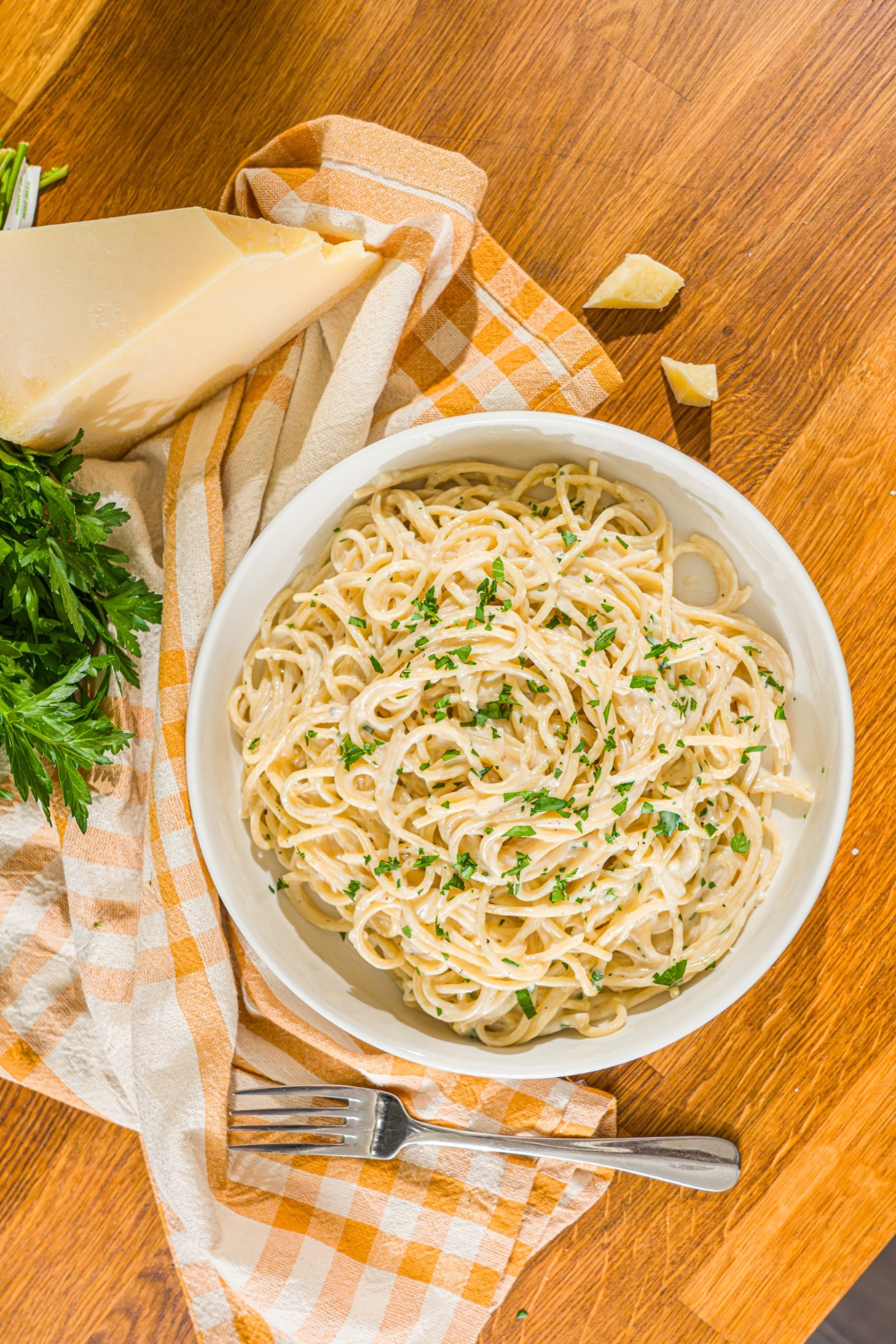
This creamy garlic Parmesan pasta is made in one pan and ready in about 25 minutes. The spaghetti cooks directly in milk and broth, creating a creamy, buttery, garlicky sauce that clings to every noodle without any heavy cream. It’s a simple weeknight dinner that's rich, cheesy, and satisfying.
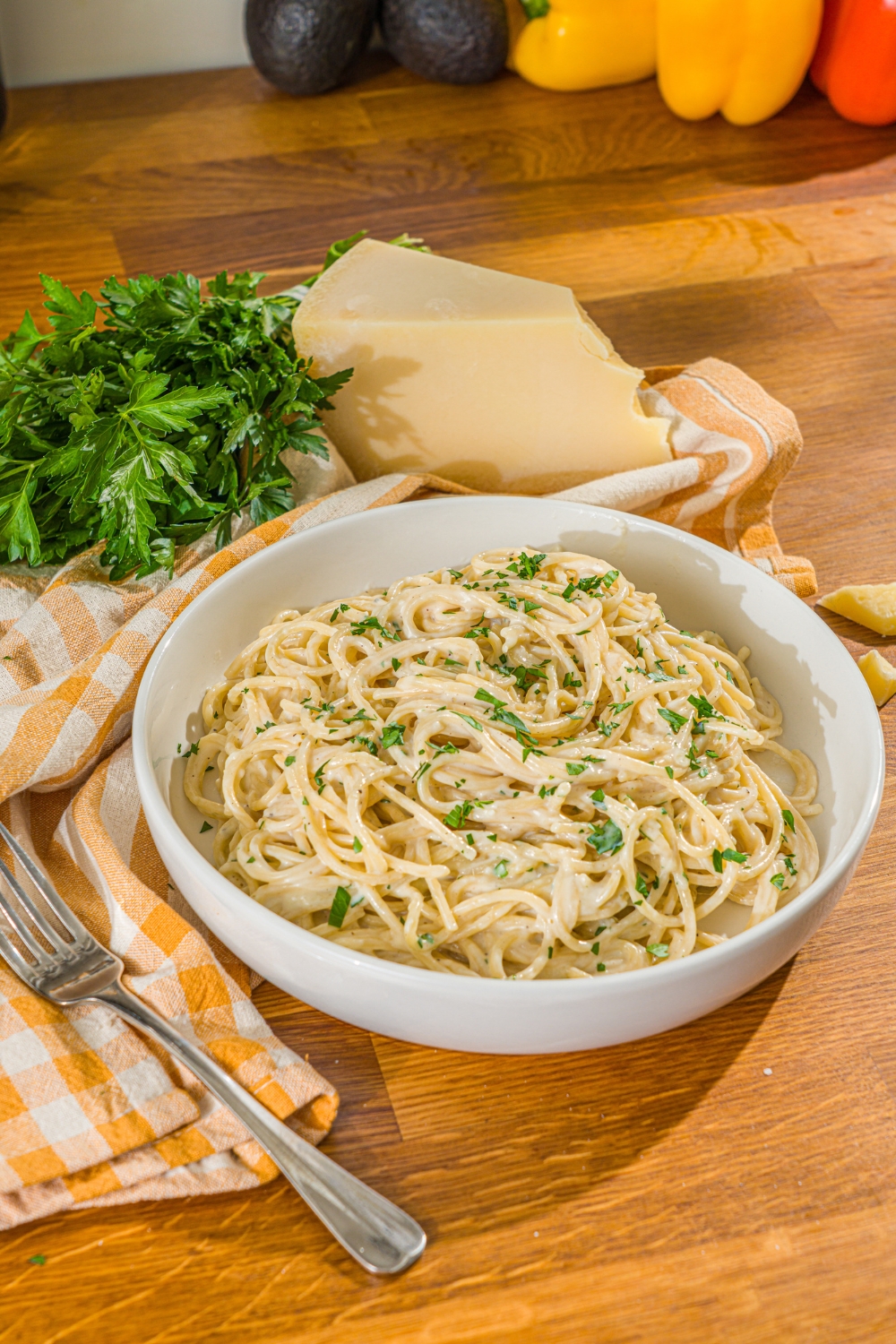
Table of Contents
Why This One-Pan Garlic Parmesan Pasta Works
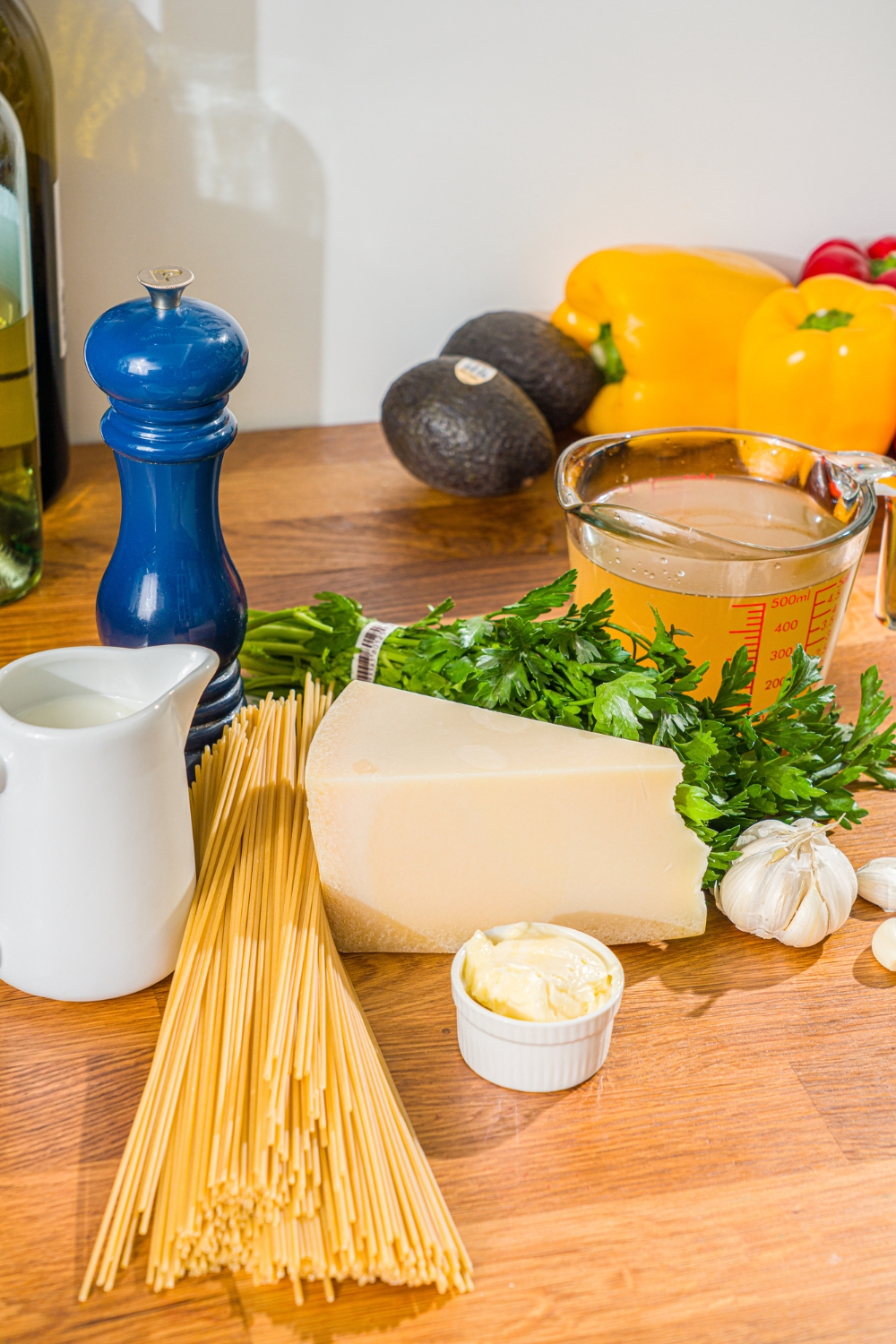
This is one-pan garlic parmesan pasta is one of my go-to dinners when I want something comforting without having a sink full of dishes. The spaghetti cooks directly in the broth and milk, releasing starch as it simmers. That starch naturally thickens the liquid into a creamy sauce that coats the noodles, so there’s no draining and no separate sauce to make.
I also love that it tastes much richer than the ingredient list suggests. Butter, garlic, and Parmesan give it plenty of savory flavor, but it doesn’t feel as heavy as a traditional cream-based Alfredo, similar to my alfredo sauce without heavy cream. It works as a simple meatless dinner or as a side for chicken, shrimp, salmon, or steak.
If you like easy pasta recipes such as my caramelized onion pasta and baked feta pasta, this is another one worth adding to your pasta dinner rotation.
Ingredients
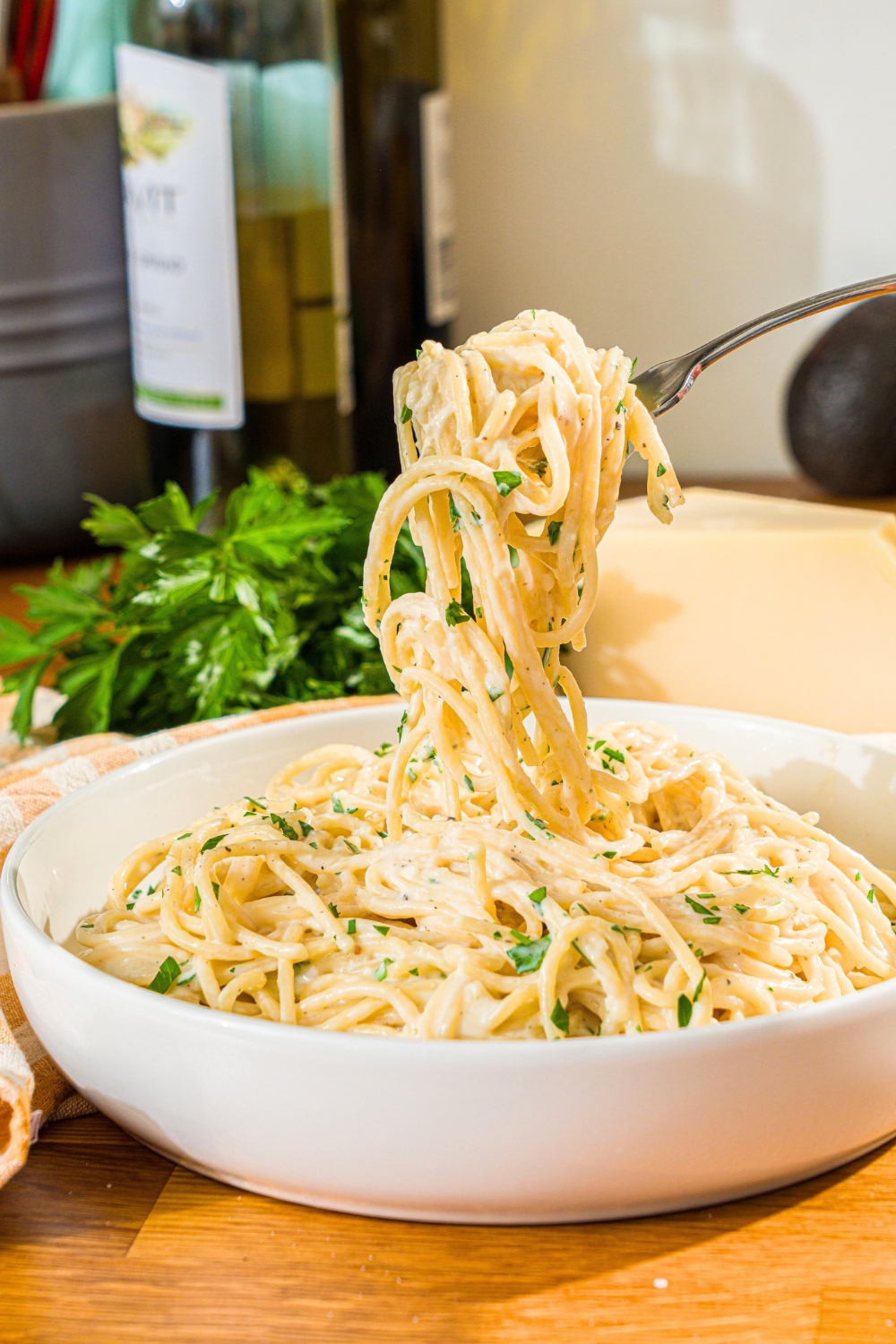
- 2 tablespoons unsalted butter
- 4 cloves garlic, minced
- 2 cups chicken broth
- 1 cup milk, or more as needed
- 8 ounces uncooked spaghetti
- ½ cup freshly grated Parmesan
- 2 tablespoons chopped fresh parsley leaves
- Salt and pepper, to taste
Ingredient Notes
- Spaghetti: Regular spaghetti works best because it releases enough starch to thicken the cooking liquid into a creamy sauce. Break the noodles in half if needed so they fit evenly across the skillet.
- Milk: Whole milk gives the pasta the creamiest texture without using heavy cream. Lower-fat milk will work, but the finished sauce may be slightly thinner and less rich.
- Chicken broth: The pasta absorbs the broth as it cooks, so use one with a flavor you enjoy. Choose low-sodium broth if possible, then season the finished pasta after adding the Parmesan. Vegetable broth works for a meatless version.
- Garlic: Freshly minced garlic gives the sauce its best flavor. Keep the heat under control while cooking it, since browned garlic can make the entire pasta taste bitter.
- Parmesan: Grate the Parmesan finely from a block so it melts smoothly into the sauce. Pre-shredded Parmesan may clump or leave the sauce slightly grainy.
- Salt: Wait until the Parmesan has been stirred in before adding the final salt. Both the broth and cheese can be salty, so the pasta may need less than expected.
How to Make Creamy Garlic Parmesan Pasta
Step 1: Sauté the Garlic
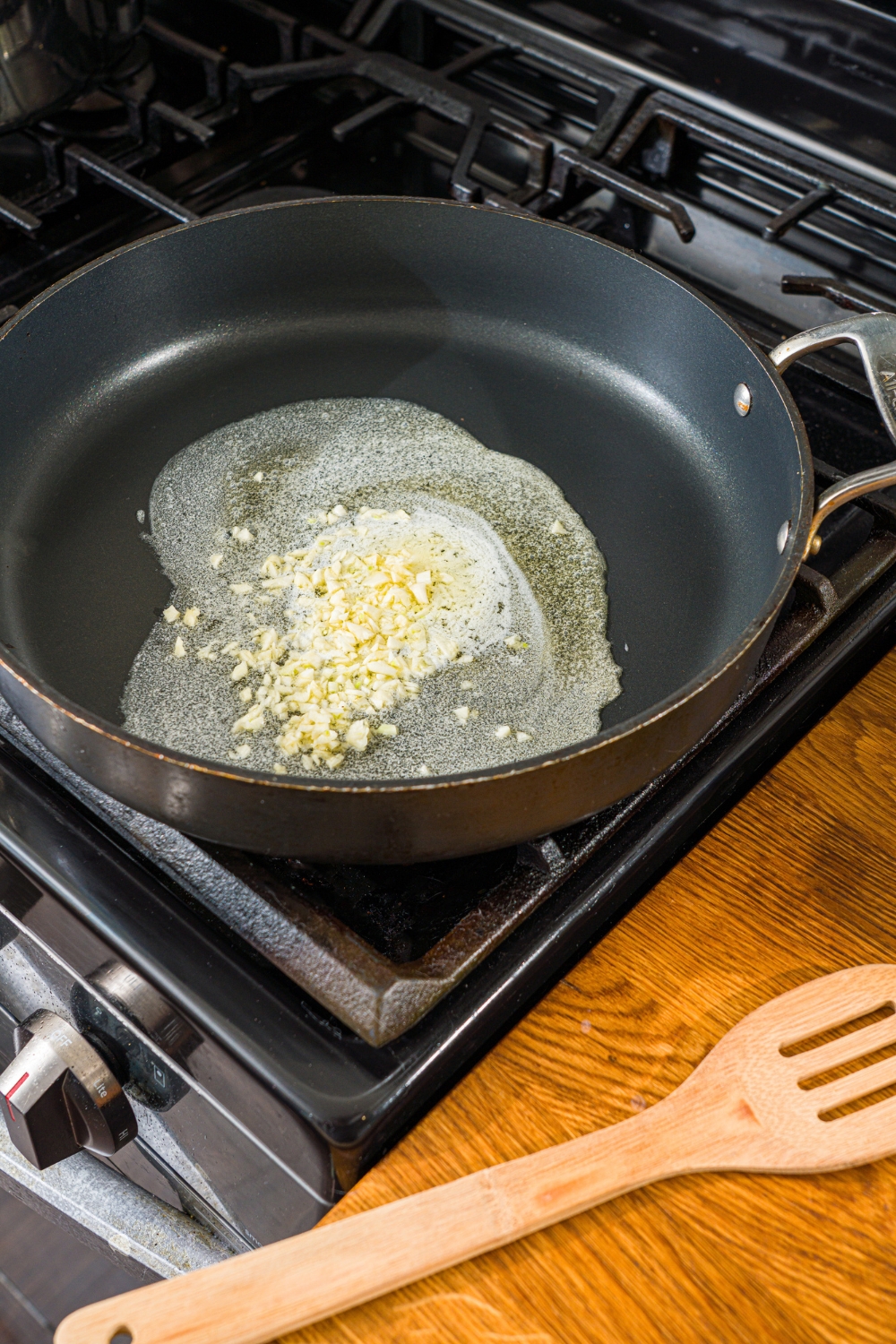
Melt the butter in a large skillet over medium-high heat. Add the minced garlic and cook, stirring frequently, until fragrant, about 1-2 minutes. Don't walk away during this step. Garlic goes from perfectly golden to burnt fast, and burnt garlic will make the whole dish bitter. You want it soft, fragrant, and just barely starting to turn golden.
Step 2: Add the Liquid and Pasta
Stir in the chicken broth, milk, and uncooked spaghetti.
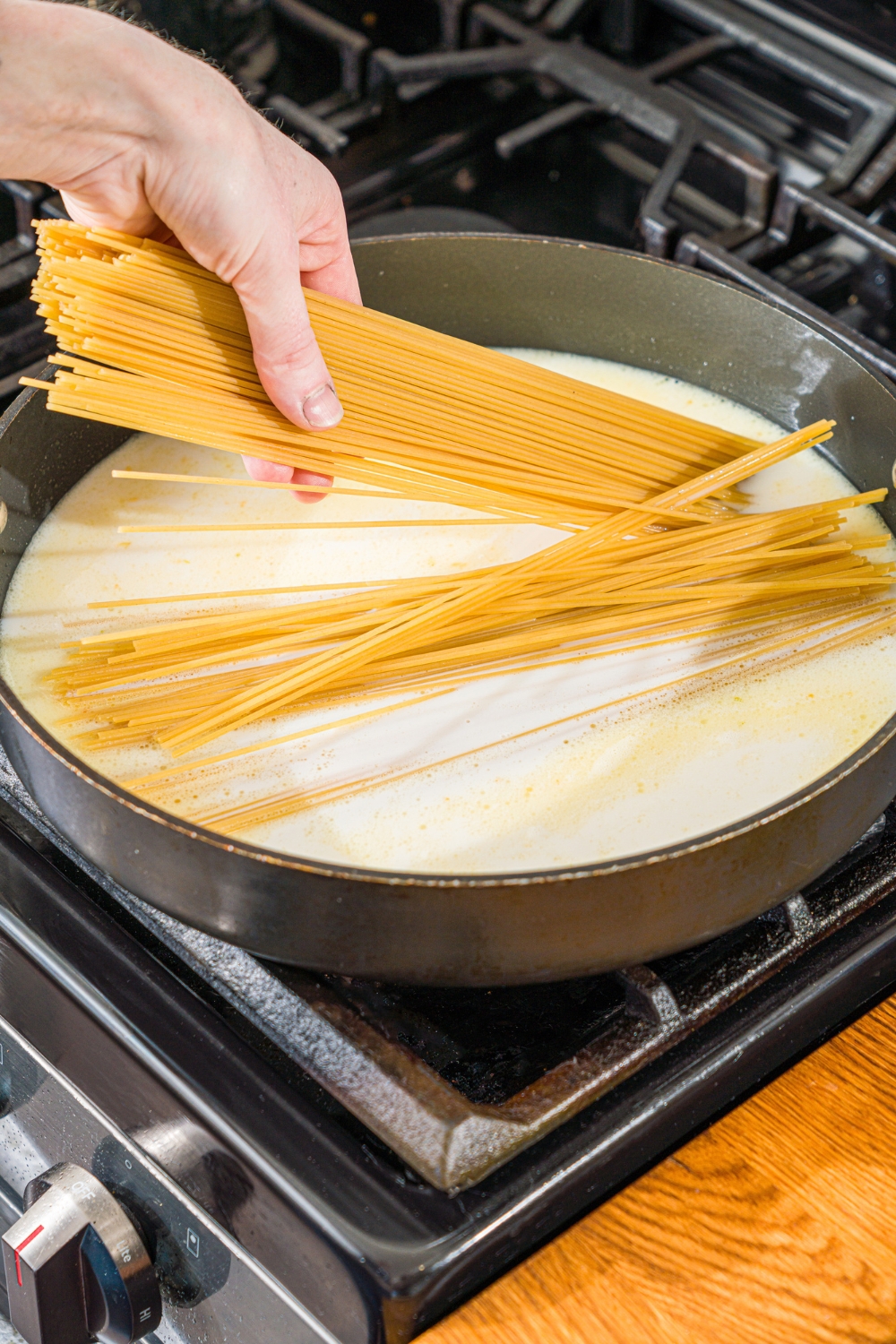
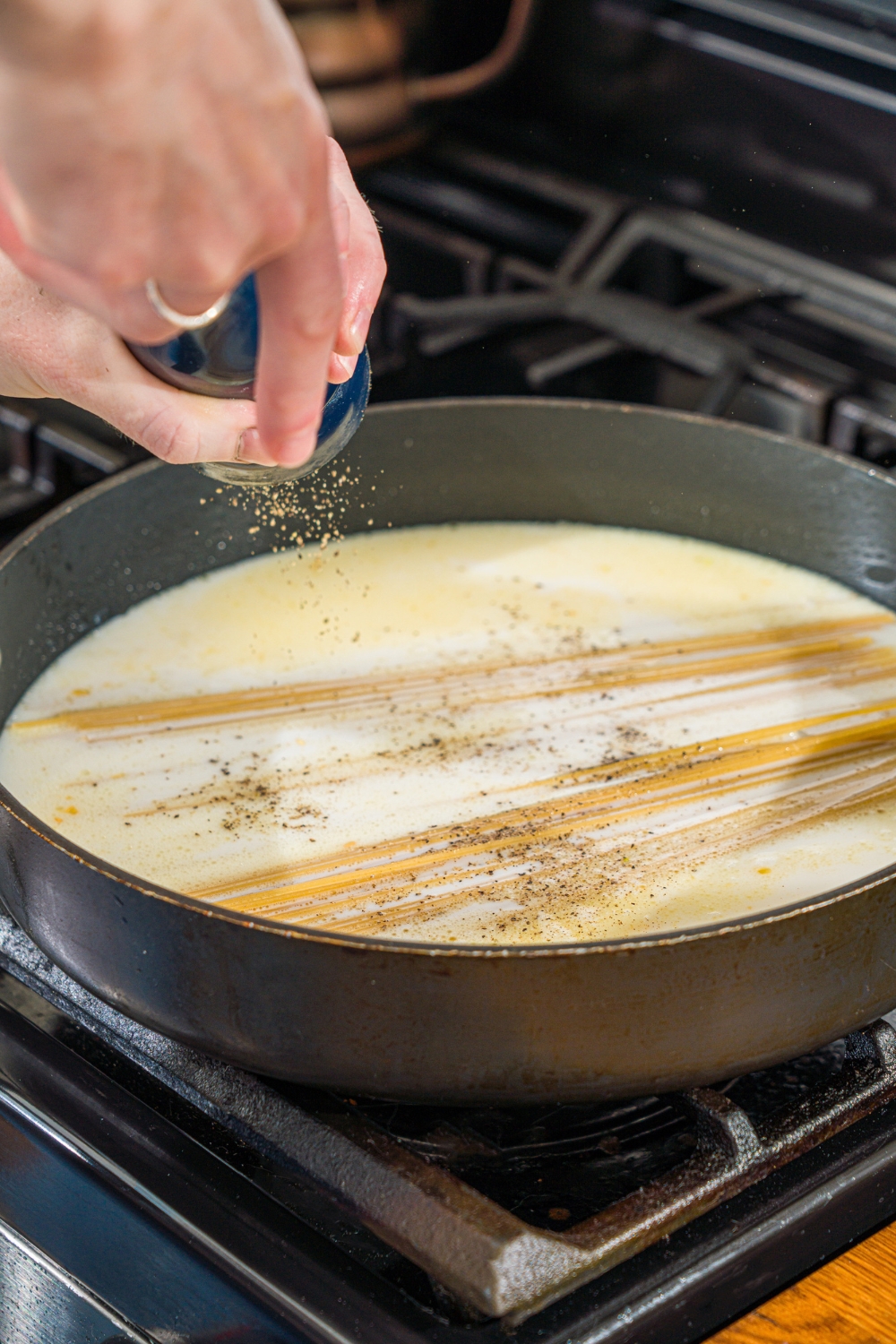
Season with salt and pepper to taste. Give everything a stir to make sure the pasta is submerged as much as possible in the liquid.
Step 3: Simmer Until the Pasta is Cooked
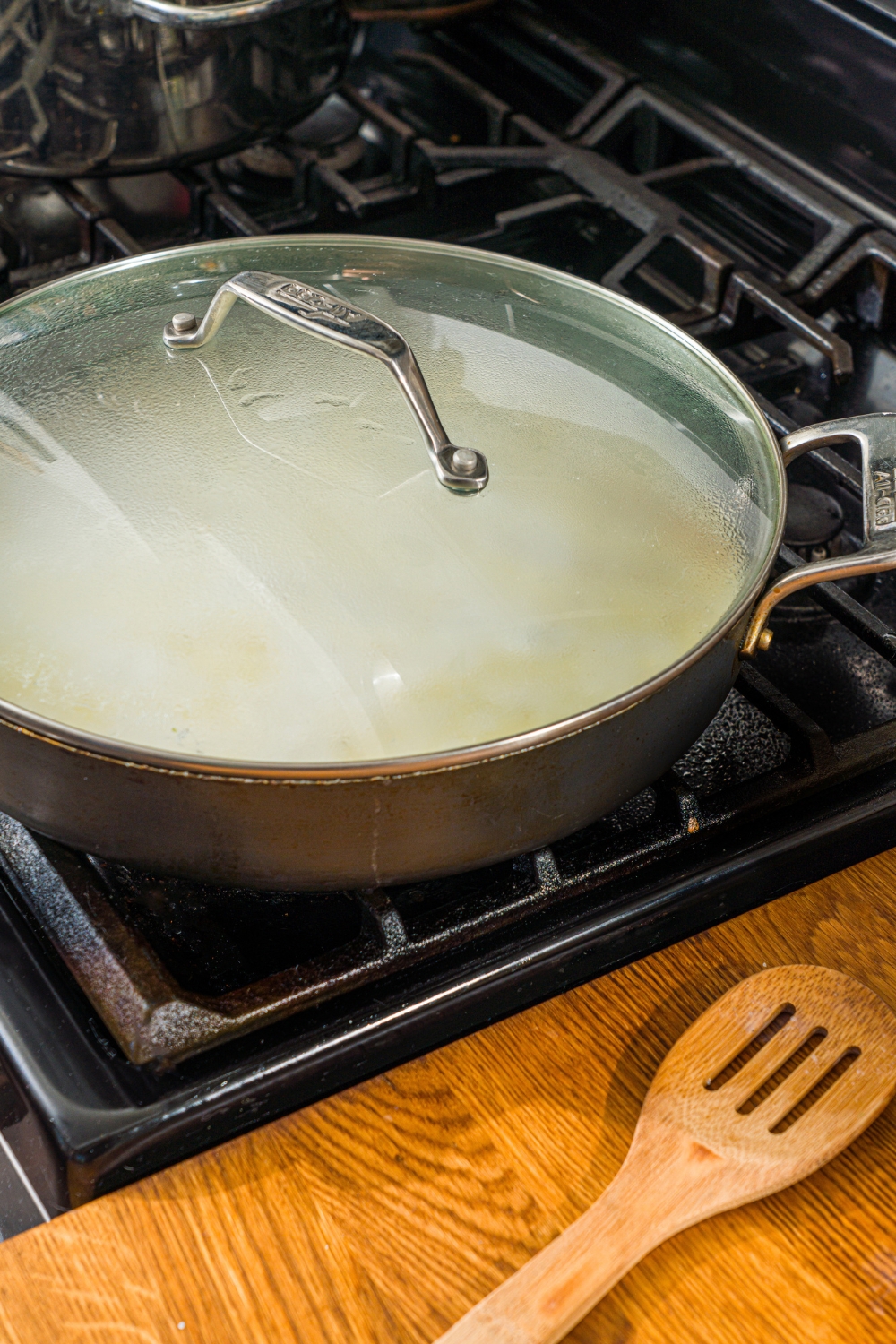
Bring to a boil, then reduce the heat and simmer, stirring occasionally, until the pasta is cooked through, about 18-20 minutes. Stir it every few minutes so nothing sticks to the bottom of the pan.
Step 4: Finish with Parmesan
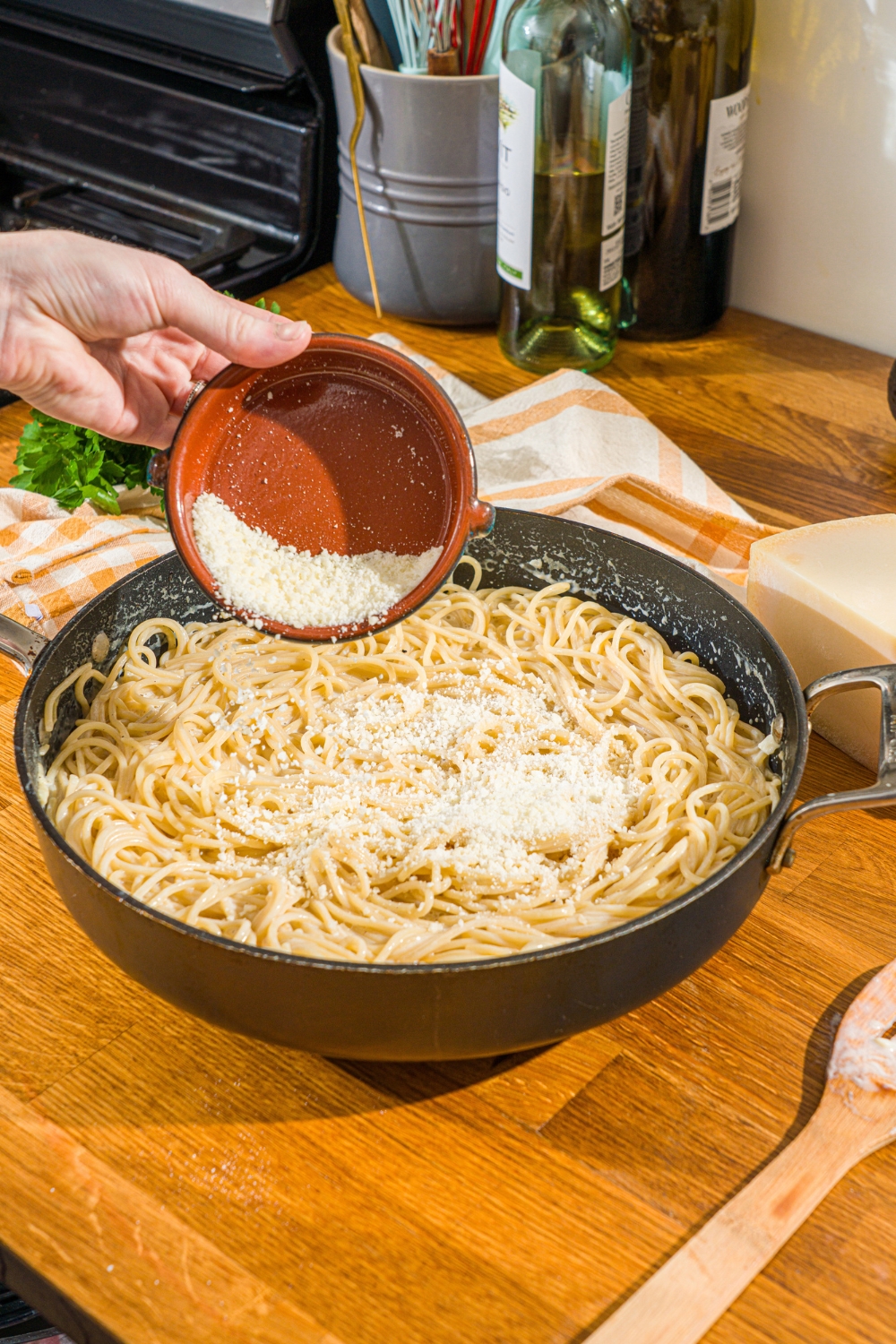
Once the pasta is cooked, stir in the freshly grated Parmesan until it melts into the sauce. If the mixture is too thick at this point, add a splash more milk and stir until you reach your desired consistency. Taste and adjust seasoning.
Step 5: Garnish and Serve
Serve immediately, topped with chopped fresh parsley and an extra grating of Parmesan. It thickens as it cools, so get it on the table while it's hot.
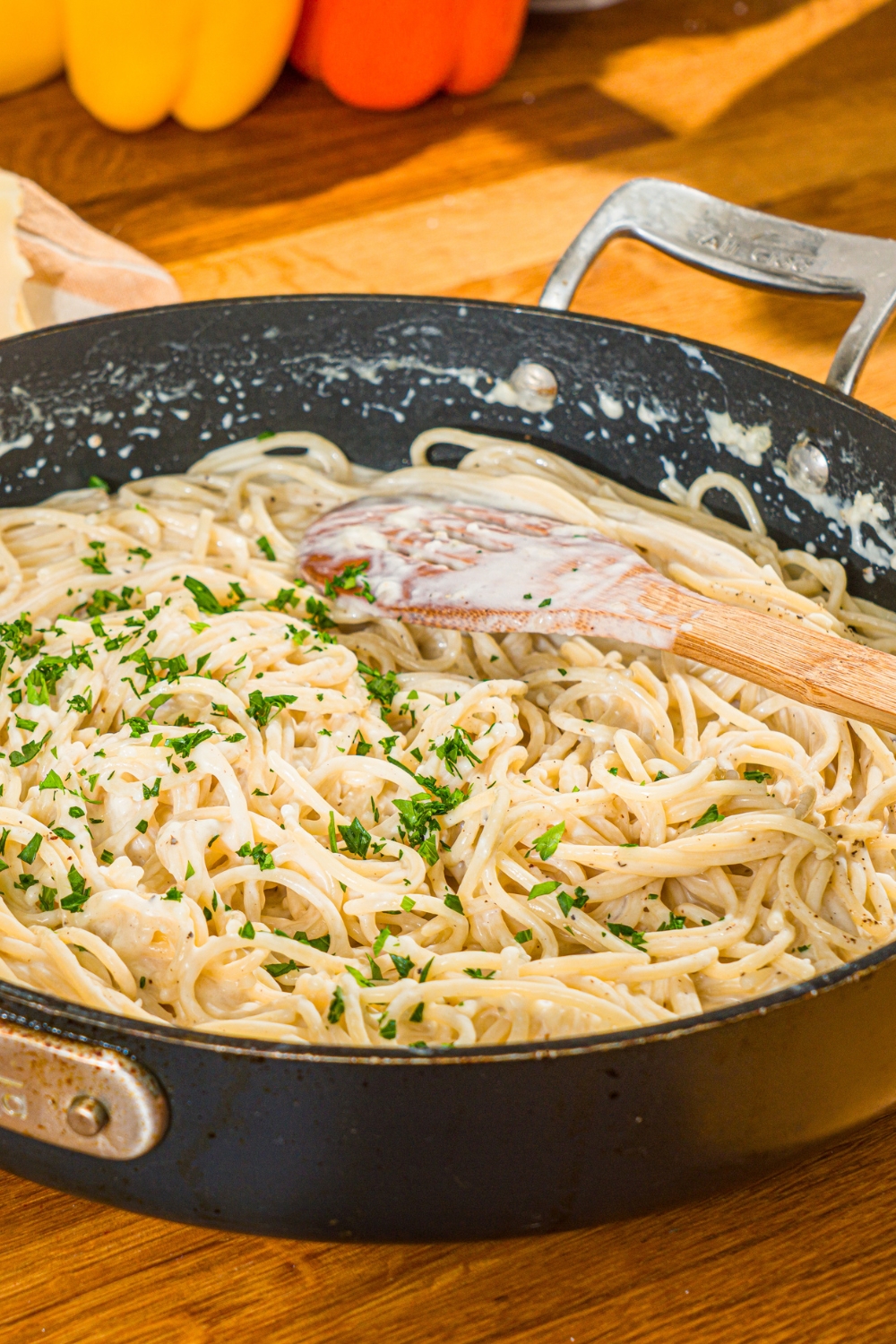
My Tips for the Best Garlic Parmesan Pasta
- Use a wide skillet with high sides. The spaghetti needs enough room to sit in the liquid and cook evenly. A narrow saucepan can leave some noodles submerged while others stay firm.
- Keep the liquid at a gentle simmer. A hard boil can cause the milk to scorch or reduce before the pasta is tender. Lower the heat once the liquid begins bubbling.
- Stir frequently as the pasta cooks. The noodles can stick together or settle against the bottom of the skillet, especially as the sauce thickens. Separate them gently with tongs every few minutes.
- Add more liquid only when needed. If the skillet looks dry before the pasta is cooked, add warm milk or broth ¼ cup at a time. Adding too much at once can leave the finished sauce watery.
- Remove the skillet from the heat before adding Parmesan. Residual heat will melt the cheese without causing it to clump or turn grainy. Stir continuously until the sauce is smooth.
- Take it off the heat while the sauce still looks slightly loose. The pasta continues absorbing liquid as it sits, so a sauce that looks perfect in the skillet may become too thick by the time it reaches the table.
- Serve it immediately. One-pan pasta is creamiest right after cooking. If it thickens before serving, stir in a splash of warm milk until the noodles are glossy and creamy again.
- Finish with black pepper and extra Parmesan. Taste the pasta first, then add freshly cracked pepper and more cheese at the table so everyone can adjust their serving.
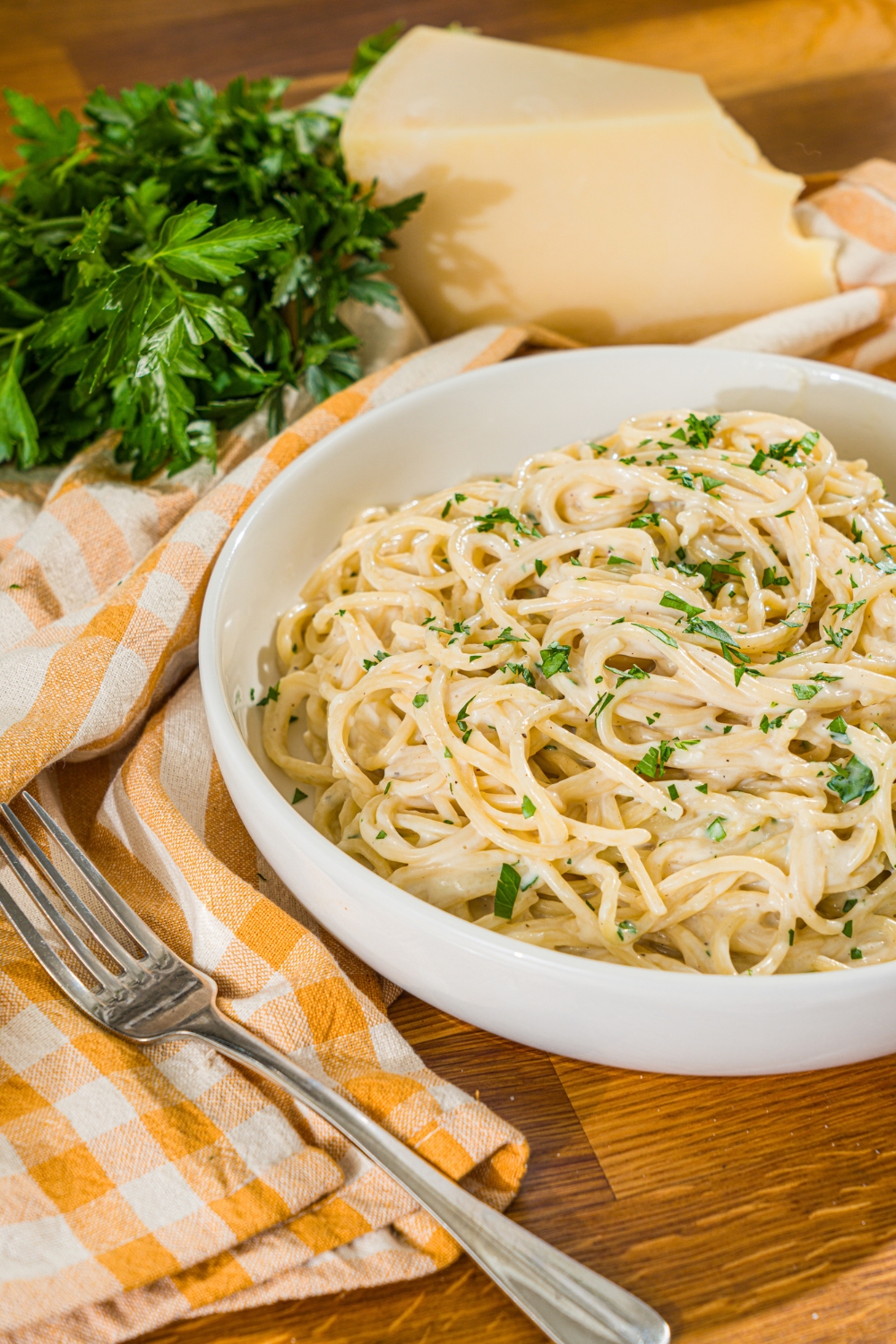
Easy Add-Ins for Garlic Parmesan Pasta
This pasta is delicious on its own, but it also makes a great base for a more filling meal:
- Chicken: Top it with sliced grilled chicken, a chicken cutlet, or stir in shredded rotisserie chicken just before serving. If you want to take it to another level, slice these garlic parmesan chicken tenders and serve them on top of the pasta.
- Shrimp: Sauté the shrimp in butter first, remove it from the skillet, then add it back after the Parmesan has melted.
- Bacon or pancetta: Sprinkle crispy pieces over the finished pasta for a smoky, salty contrast.
- Spinach or kale: Stir in a few handfuls during the final 2 minutes of cooking so the greens wilt without becoming overly soft.
- Sun-dried tomatoes: Add chopped sun-dried tomatoes near the end for a tangy flavor that cuts through the creamy sauce.
- Red pepper flakes: Cook a pinch with the garlic for gentle heat throughout the dish.
- Pecorino Romano: Replace part of the Parmesan with Pecorino for a sharper, saltier cheese flavor. Taste before adding extra salt.
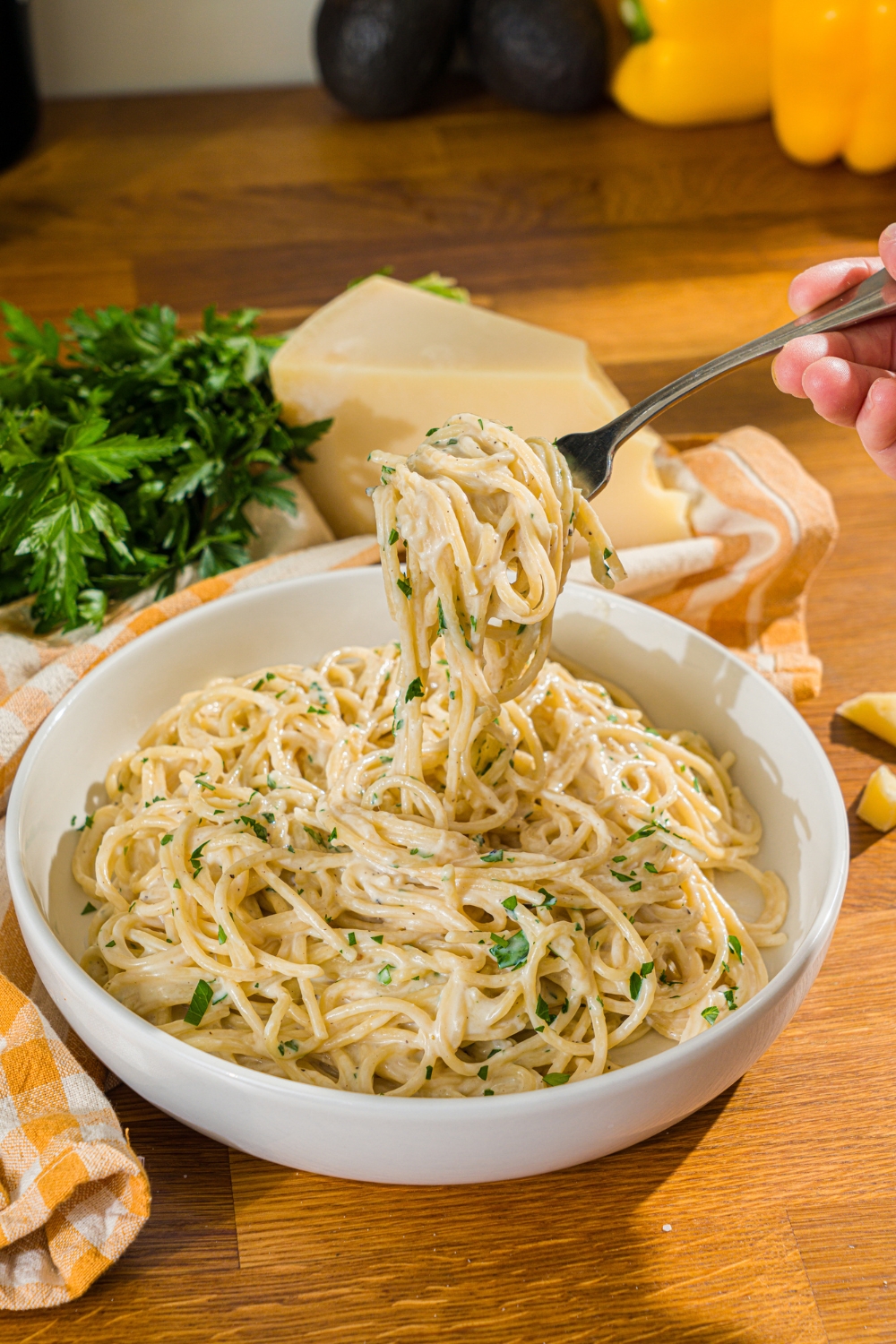
How to Store and Reheat Garlic Parmesan Pasta
Store leftover pasta in an airtight container in the refrigerator for up to 4 days. The sauce will thicken as the noodles continue absorbing liquid.
For the best texture, reheat it in a skillet over low heat with a splash of milk or chicken broth. Stir frequently until the sauce loosens and the pasta is hot throughout. You can also microwave individual portions in 30-second intervals, stirring and adding a little milk as needed.
I don’t recommend freezing this pasta. The noodles can become soft, and the milk and Parmesan sauce may separate after thawing.
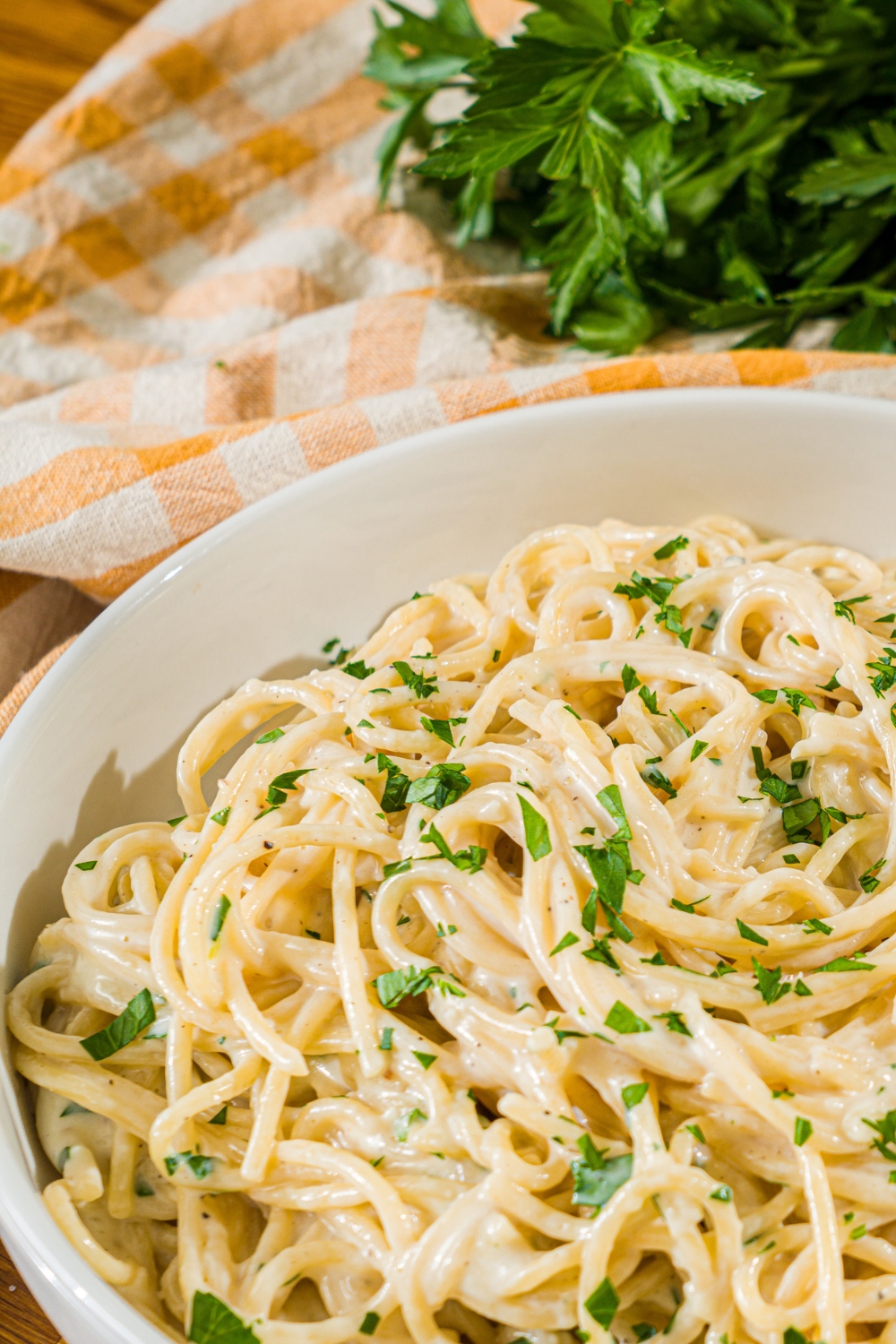
Garlic Parmesan Pasta FAQs
What is garlic Parmesan pasta?
Garlic Parmesan pasta is a creamy pasta dish flavored with butter, fresh garlic, Parmesan cheese, and black pepper. In this recipe, the spaghetti cooks directly in milk and chicken broth, allowing the starch from the pasta to thicken the liquid into a smooth sauce.
Is garlic Parmesan pasta the same as Alfredo?
No. Traditional fettuccine Alfredo is made by emulsifying butter, Parmesan, and starchy pasta water. American-style Alfredo commonly includes heavy cream. This garlic Parmesan pasta uses milk, chicken broth, butter, garlic, and Parmesan. It has a lighter sauce and a more noticeable garlic flavor than most Alfredo recipes.
Can you make garlic Parmesan pasta without heavy cream?
Yes. This recipe uses milk and doesn’t require any heavy cream. As the spaghetti cooks in the skillet, it releases starch that thickens the milk and broth into a creamy sauce.
Do I need to boil the pasta separately?
No. Add the uncooked spaghetti directly to the skillet with the milk and broth. The noodles cook in the same liquid that becomes the sauce, so there’s no separate pot to boil or drain. Stir the spaghetti frequently so it cooks evenly and doesn’t stick to the bottom of the skillet.
Can I use a different type of pasta?
Yes, but the cooking time and amount of liquid may change. Linguine, fettuccine, and angle hair are the easiest substitutes because they cook similarly to spaghetti. Short pasta shapes can also work, but begin checking them according to their package instructions. Add warm milk or broth as needed if the liquid is absorbed before the pasta becomes tender.
Can I make this garlic Parmesan pasta vegetarian?
Yes. Replace the chicken broth with vegetable broth. Also check the Parmesan label if you follow a strict vegetarian diet, since some traditional Parmesan cheeses are made with animal-derived rennet.
How do you thicken garlic Parmesan pasta sauce?
Let the pasta simmer uncovered for a few more minutes while stirring frequently. The sauce thickens as liquid evaporates and starch is released from the spaghetti. It will also continue thickening after the skillet is removed from the heat, so avoid reducing it until it looks completely finished in the pan.
Why is my garlic Parmesan pasta too thick?
The pasta continued absorbing liquid as it cooked or rested. Stir in warm milk or broth, a small splash at a time, until the sauce becomes creamy and coats the noodles again. Serve the pasta shortly after adding the Parmesan because one-pot pasta thickens noticeably as it sits.
Why did my Parmesan cheese clump?
The skillet may have been too hot when the cheese was added. Remove the pasta from the heat first, then stir in finely grated Parmesan gradually. High heat can cause hard cheeses to tighten and separate instead of melting smoothly. Adding the cheese off the heat and in small amounts helps create a creamier sauce.
Can I use pre-grated Parmesan?
Freshly grated Parmesan melts more smoothly and gives the sauce the best texture. Packaged shredded Parmesan may contain anti-caking ingredients that make it harder to melt evenly. If pre-grated cheese is all you have, add it gradually off the heat and stir thoroughly after each addition.
Pasta Recipes to Try Next
- Parmesan noodles
- Creamy cajun steak pasta
- Buffalo chicken alfredo
- Trader Joe's lobster bisque pasta
- One-pan Ditalini pasta
Creamy Garlic Parmesan Pasta

This creamy garlic Parmesan pasta is made in one pan and ready in about 25 minutes. The spaghetti cooks directly in milk and broth, creating a creamy, buttery, garlicky sauce that clings to every noodle without any heavy cream. It’s a simple weeknight dinner that's rich, cheesy, and satisfying.
Ingredients
- 2 tablespoons unsalted butter
- 4 cloves garlic, minced
- 2 cups chicken broth
- 1 cup whole milk, or more, as needed
- 8 ounces uncooked spaghetti
- ½ cup freshly grated Parmesan
- 2 tablespoons chopped fresh parsley leaves
- Salt and Pepper to taste
Instructions
1. Melt butter in a large skillet over medium high heat. Add garlic and cook, stirring frequently, until fragrant, about 1-2 minutes.
2. Stir in chicken broth, milk and pasta; season with salt and pepper, to taste.
3. Bring to a boil; reduce heat and simmer, stirring occasionally, until pasta is cooked through, about 18-20 minutes.
4. Stir in Parmesan. If the mixture is too thick, add more milk as needed until desired consistency is reached.
5. Serve immediately, garnished with parsley, if desired.
Notes
- Freshly grated Parmesan is strongly recommended — pre-shredded doesn't melt as smoothly.
- Stir the pasta every few minutes while it simmers to prevent sticking.
- Serve immediately as the pasta will continue to thicken as it sits.
- Store leftovers in the fridge for up to 3 days; reheat with a splash of milk or broth.
Nutrition Information:
Yield:
1Serving Size:
1Amount Per Serving: Calories: 985Total Fat: 48gSaturated Fat: 28gUnsaturated Fat: 20gCholesterol: 143mgSodium: 3137mgCarbohydrates: 95gFiber: 4gSugar: 5gProtein: 43g
Leave a Reply