


If you've ever gone through a bottle of Bachan's Japanese BBQ sauce faster than you expected and didn't want to wait for a grocery run, this recipe is exactly what you need. This homemade Japanese BBQ sauce is savory, slightly sweet, and rich with umami in all the right ways. It comes together in about 15 minutes with simple pantry ingredients and tastes so close to the real thing. Pour it over grilled chicken, use it as a dipping sauce, glaze it on ribs, stir it into noodles, or brush it on vegetables...it goes with everything!
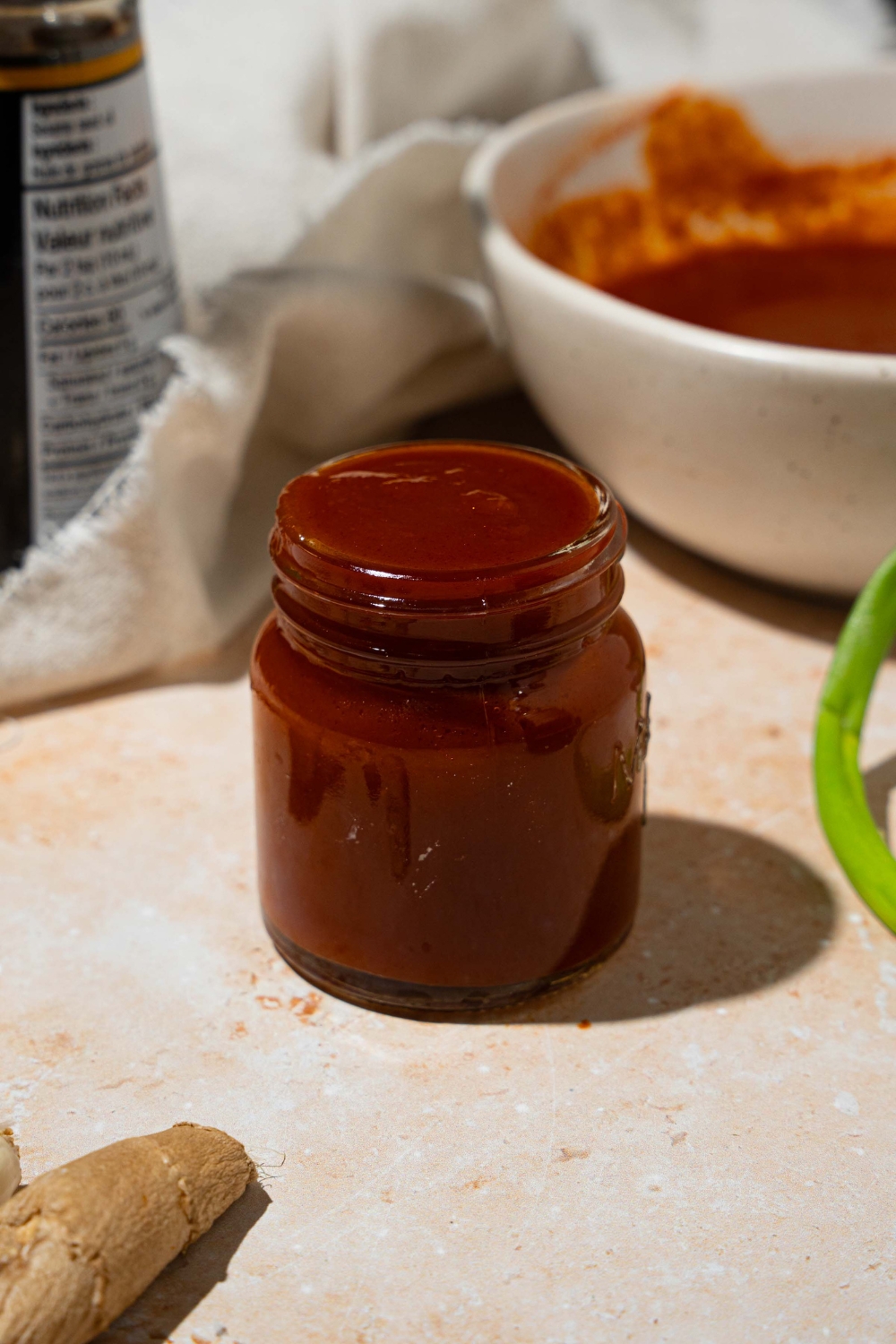
Table of Contents
Bachan's Japanese BBQ Sauce Copycat Recipe
I first tried Bachan's Japanese BBQ sauce after seeing it go viral week after week on social media, and I immediately understood the hype. That deep, savory-sweet flavor was unlike any BBQ sauce I had ever tasted before. I went through the bottle embarrassingly fast and instead of just buying another one I decided to figure out how to make it myself.
That decision led to a lot of testing. Ratios matter a lot with a sauce like this because every element needs to be in balance. Too much soy and it becomes salty, too much mirin and it gets overly sweet, not enough ginger and you lose that distinctive warmth that makes Japanese BBQ sauce so different from anything else. After working through several versions this is the recipe I landed on and it's the closest I've gotten to Bachan's.
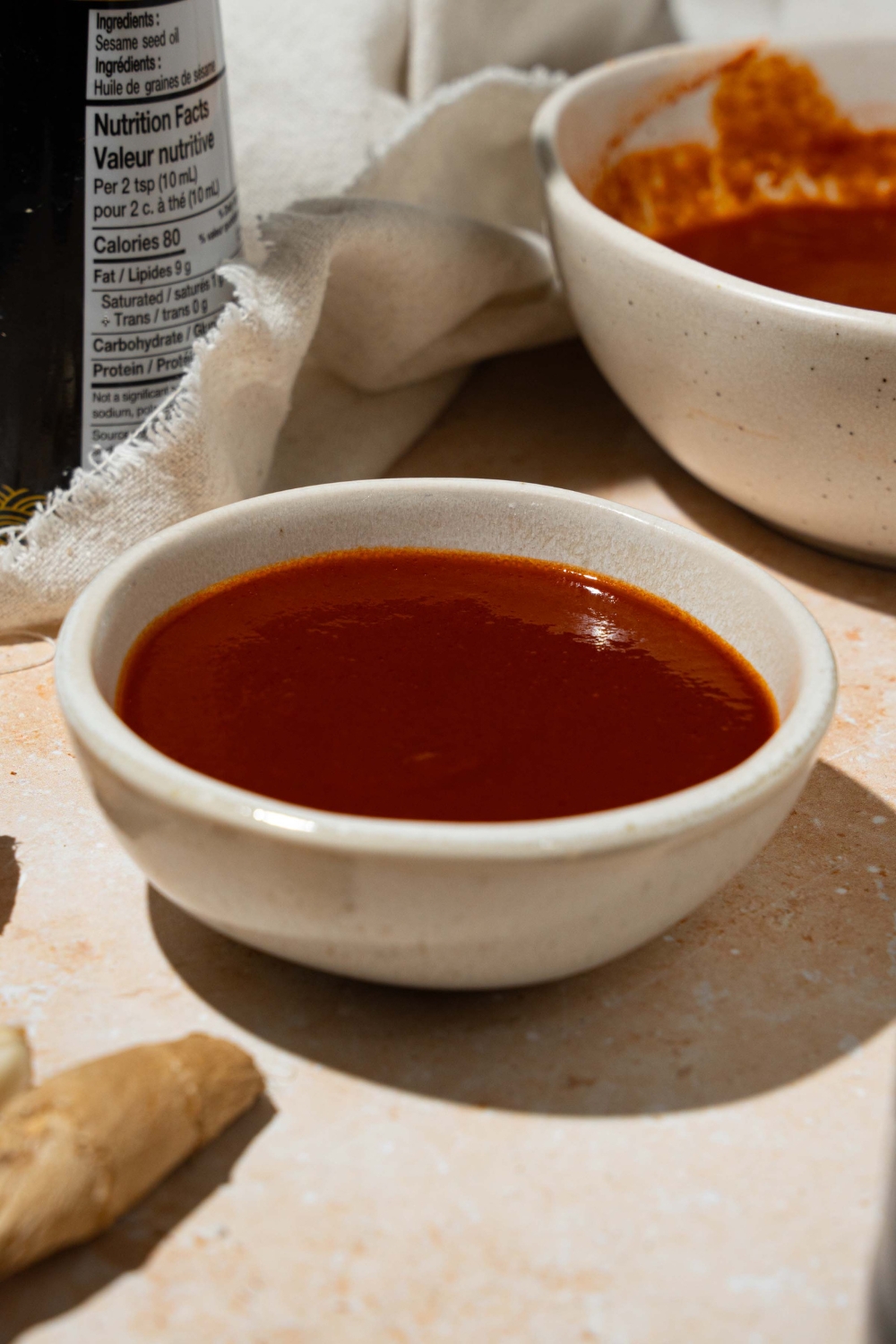
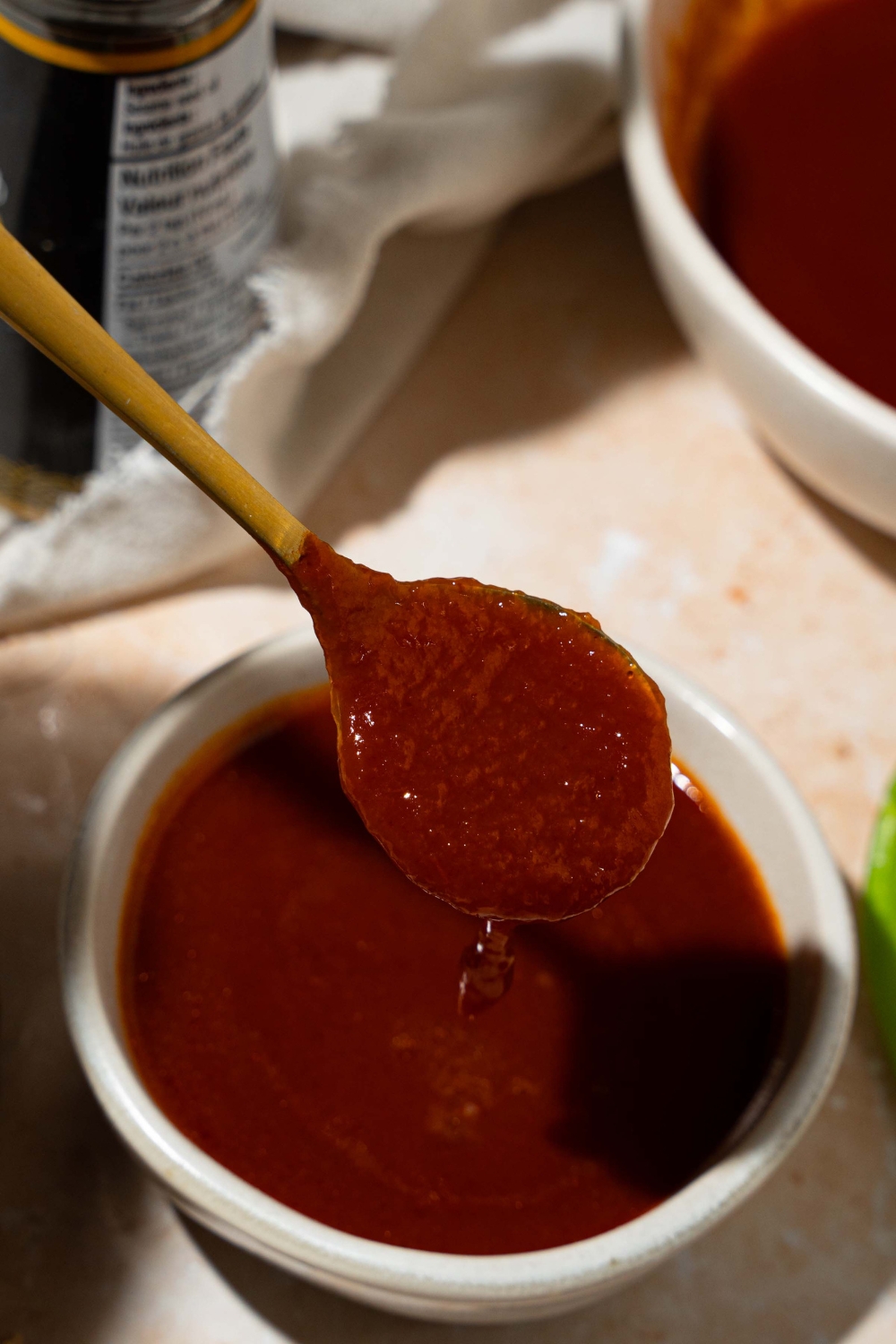
The combination of soy sauce, tomato paste, mirin, fresh ginger, and toasted sesame oil gives it that same deep, complex, slightly caramelized flavor that makes the original so addictive. The one technique that makes a real difference is straining it through a fine mesh sieve at the end. That one extra step gives you that smooth, glossy, bottled-sauce consistency that makes it look and feel like something you actually bought at the store. Nobody needs to know you made it yourself in 15 minutes.
If you love bold, Japanese-style sauces like my katsu sauce and yum yum sauce, this one is going straight into your regular rotation.
Why You'll Love This Japanese BBQ Sauce Recipe
There are a lot of reasons to make your own Japanese BBQ sauce at home instead of reaching for a bottle, but here are the ones that actually matter.
It tastes like Bachan's. That signature savory-sweet depth from the soy, ginger, and toasted sesame is all there. If you're a Bachan's fan you'll recognize it immediately. If you've never tried Bachan's this is a great introduction to what Japanese BBQ sauce is supposed to taste like.
It's ready in 15 minutes. Faster than a grocery run, faster than waiting for delivery, and faster than you'd expect for something that tastes this complex. Fifteen minutes on the stovetop and you have a full jar of sauce ready to go.
You know exactly what's in it. Store bought versions contain preservatives and additives that extend shelf life. This version is made with real soy sauce, fresh ginger, mirin, tomato paste, and toasted sesame oil. Nothing you can't pronounce and nothing you don't recognize.
It costs a fraction of the price. A bottle of Bachan's runs anywhere from eight to twelve dollars depending on where you buy it. The ingredients for this homemade version cost a fraction of that and make just as much if not more sauce.
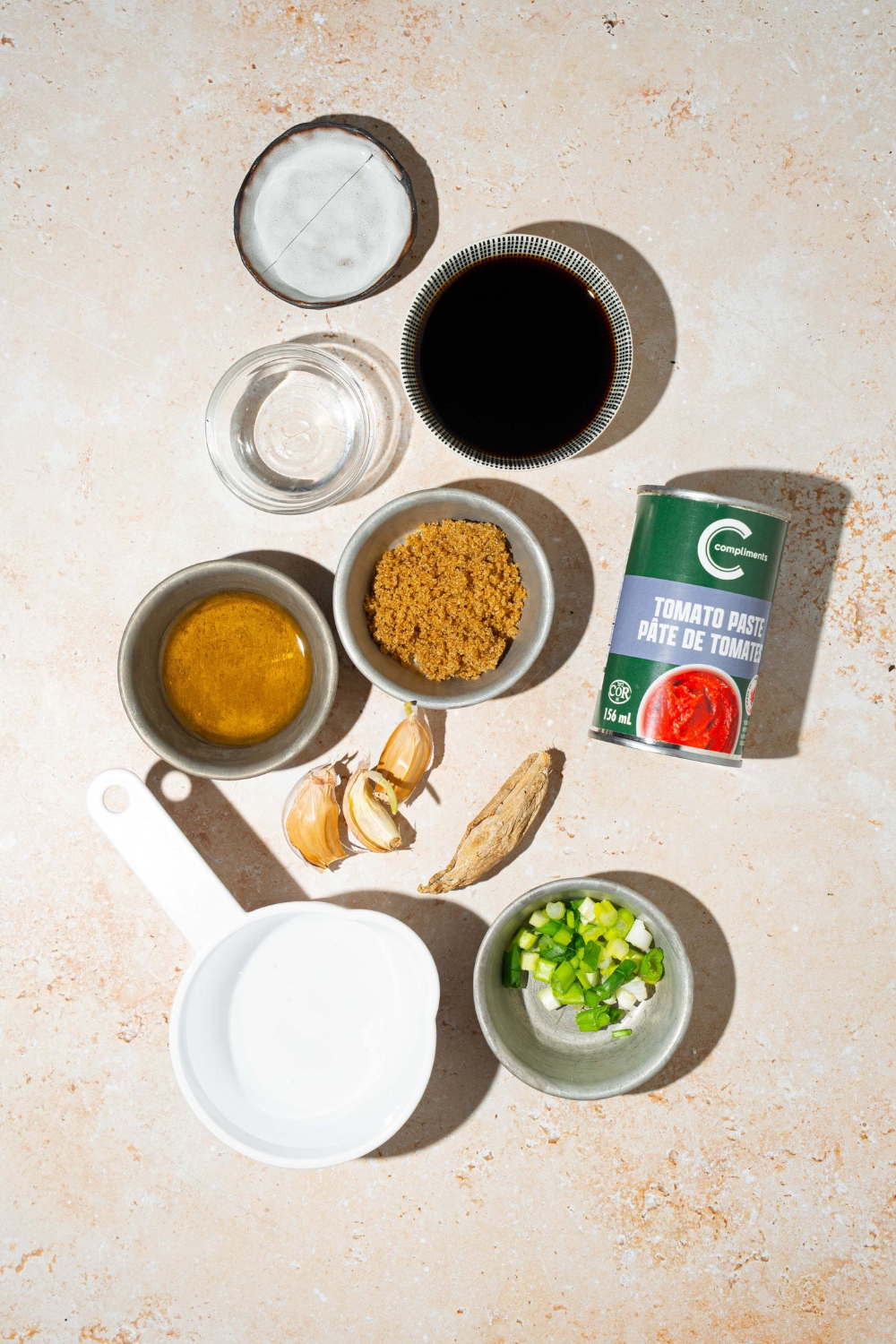
Ingredients
- 6 tablespoon low-sodium soy sauce
- 2 tablespoon brown sugar or white cane sugar
- 6 oz tomato paste
- 1 tablespoon mirin
- 3 tablespoon green onion, chopped
- 1 tablespoon rice vinegar
- 3 cloves garlic, minced
- 3 teaspoon toasted sesame oil
- 3 teaspoon fresh ginger, grated
- 1 cup water
- Salt to taste
How to Make Japanese BBQ Sauce
Step 1: Prep Your Ingredients
Finely mince the garlic, chop the green onions, and grate the fresh ginger. Fresh ginger and garlic are both non-negotiable here.
Step 2: Build the Sauce
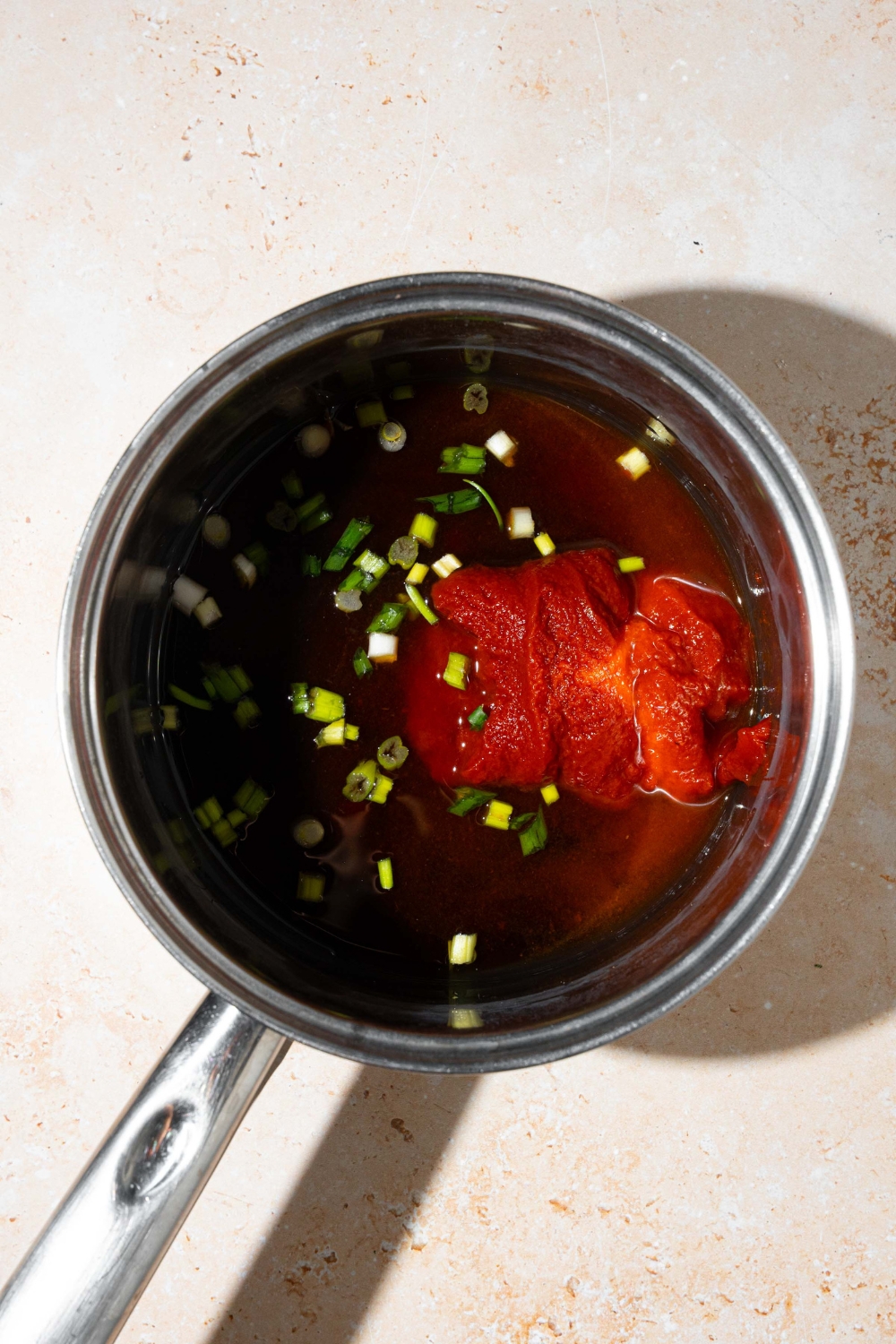
Add the soy sauce, brown sugar, tomato paste, mirin, grated ginger, chopped green onions, rice vinegar, minced garlic, and water to a medium saucepan. Stir well until the tomato paste is fully dissolved into the liquid and everything is evenly combined.
Step 3: Simmer
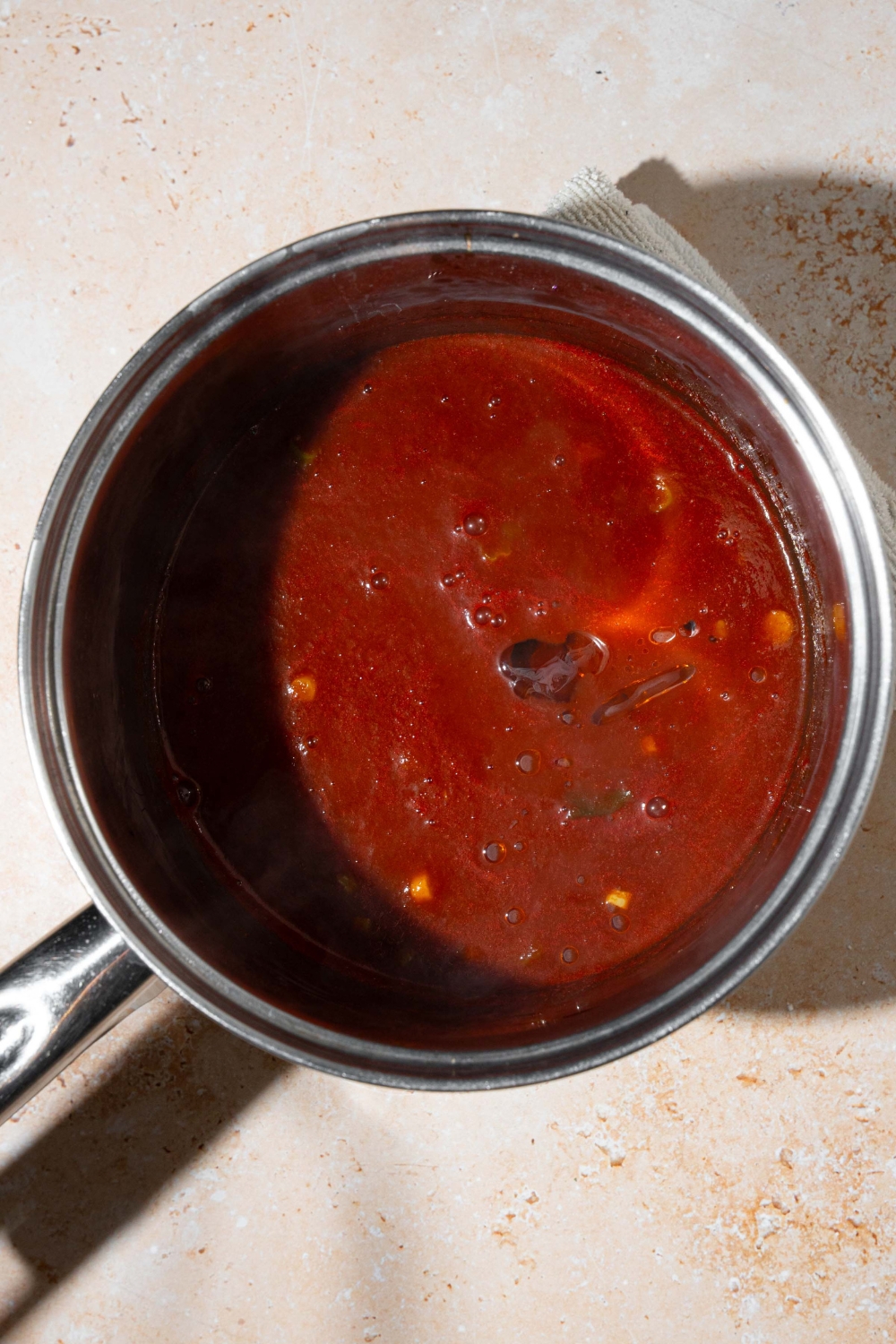
Place the saucepan over medium heat and bring to a gentle simmer, stirring occasionally. Once simmering, let it cook for about 5 minutes, stirring regularly to make sure nothing sticks to the bottom or burns. You'll start to notice the kitchen smelling incredible at this point.
Step 4: Reduce and Develop the Flavor
Reduce the heat to low and continue cooking for another 7-10 minutes, stirring frequently. This is where the sauce thickens slightly and all the flavors meld together into something cohesive and complex. Taste it and adjust if you want; a little extra sugar if you want it sweeter, a pinch of salt if it needs more depth.
Step 5: Finish with Sesame Oil
Just before pulling the sauce off the heat, stir in the toasted sesame oil. Adding it at the end rather than at the beginning preserves that distinctive nutty, aromatic sesame flavor. It's the finishing touch that ties everything together.
Step 6: Strain for a Smooth Sauce
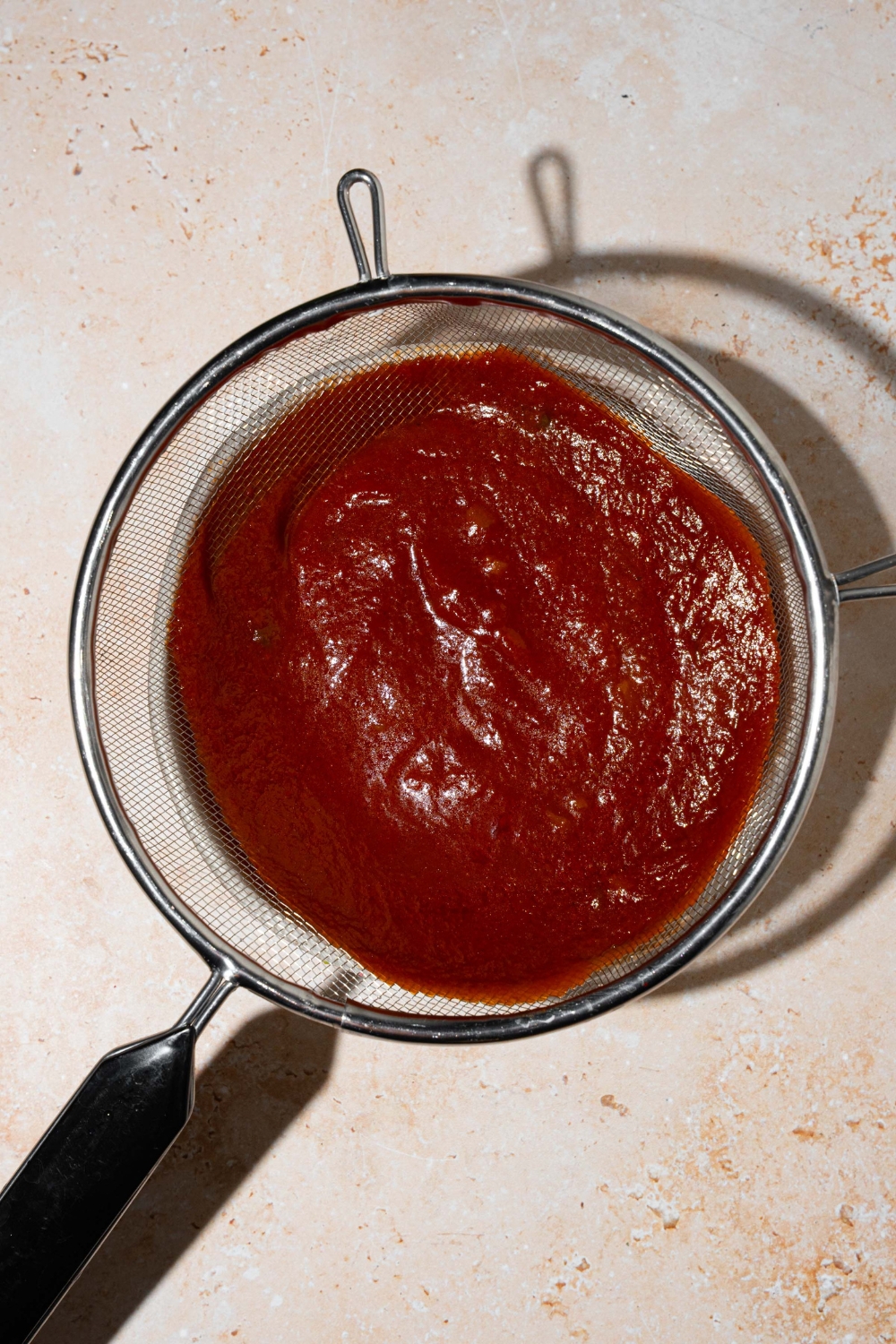
Let the sauce cool for a few minutes, then pour it through a fine-mesh sieve into a clean bowl, pressing on the solids to extract as much liquid as possible. Discard the solids.
Step 7: Use or Store
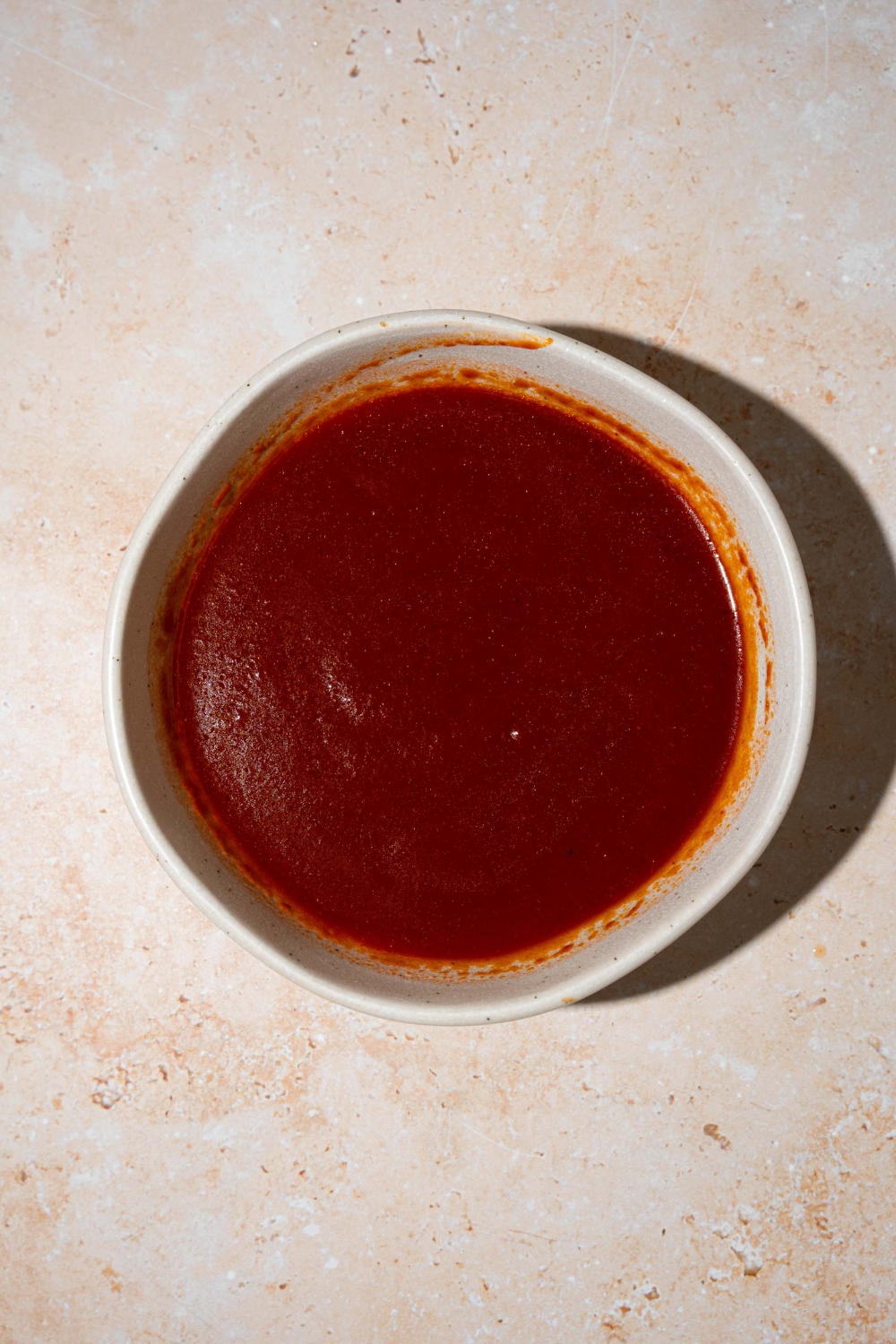
Serve the sauce with anything you want. Then transfer the rest of the finished sauce to a glass jar or airtight container and refrigerate for up to one week. Give it a shake or stir before each use.
Tips for the Best Japanese BBQ Sauce
Use fresh ginger and garlic, not dried. These two ingredients are the backbone of this sauce's flavor. Fresh ginger has a bright, slightly spicy warmth that dried ginger powder simply can't match. Same goes for the garlic. Fresh minced cloves give you a deeper, more rounded flavor. Dried versions just don't deliver the same result.
Don't skip the mirin. Mirin is a sweet Japanese rice wine that adds a subtle sweetness and a glossy quality to the sauce that regular sugar alone doesn't give you. You can find it in the Asian foods aisle at most grocery stores or at any Asian market.
Low-sodium soy sauce is important. Regular soy sauce can make this sauce way too salty, especially as it reduces on the stovetop and the flavors concentrate. Low-sodium soy sauce gives you much more control over the final seasoning and lets the other flavors come through clearly instead of getting buried under salt.
Add the sesame oil last. Toasted sesame oil is delicate and its flavor degrades when cooked at high heat for too long. Stirring it in right at the end keeps that distinctive nutty aroma front and center in the finished sauce.
Strain it twice for the smoothest result. One strain removes the solids. A second strain catches any remaining ginger fibers or fine particles and gives you that polished, bottled-sauce quality. Worth the extra 30 seconds.
Ways to Use Japanese BBQ Sauce
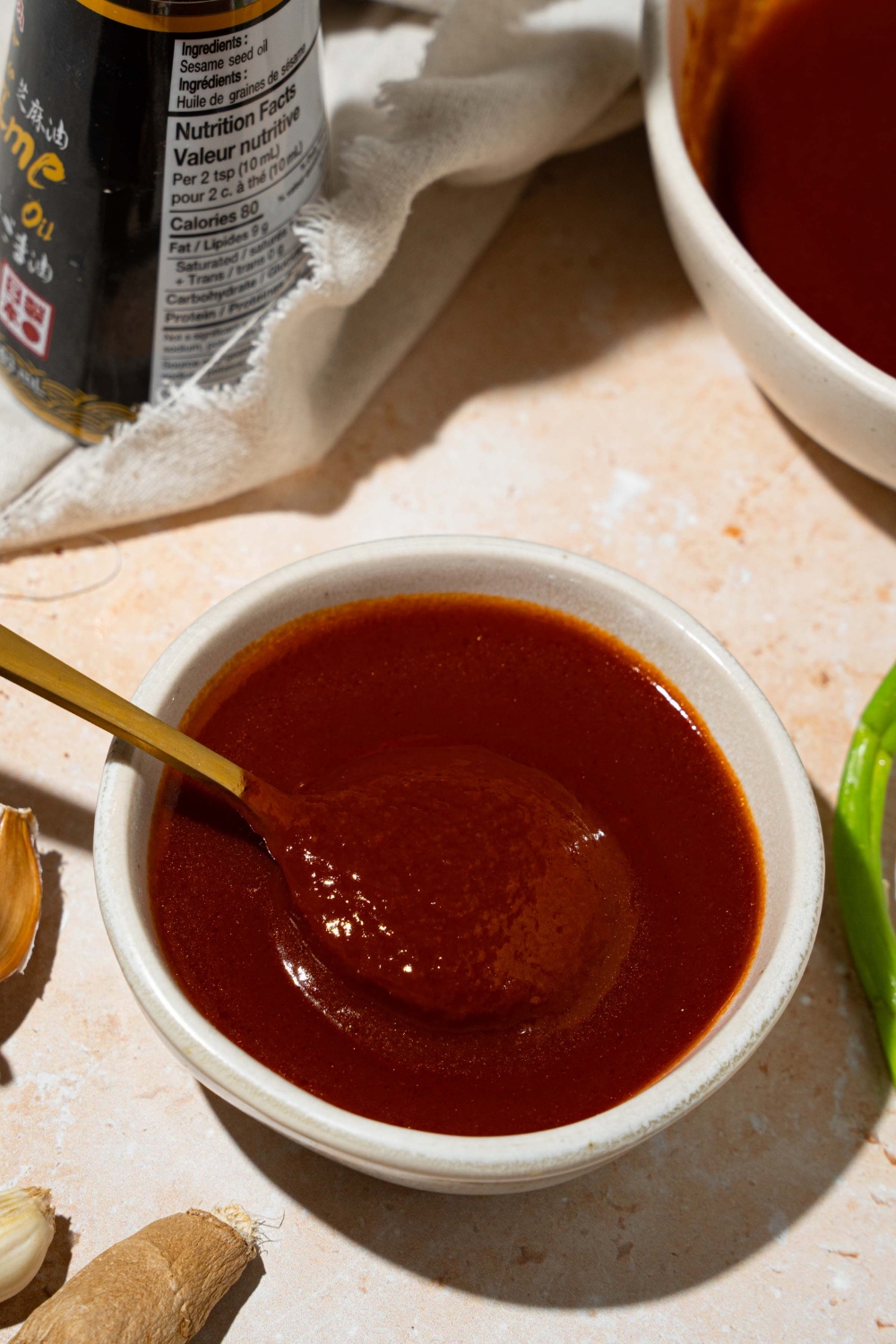
Once you have a jar of this in the fridge you'll find yourself reaching for it constantly. Here are the best ways to use it:
As a marinade. This sauce was built for marinating. Chicken thighs, flank steak, salmon, and shrimp all benefit enormously from even a quick 30 minute soak. The soy and mirin tenderize the protein while the ginger and garlic work their way in. Overnight marinating takes it even further.
As a glaze. Brush it on during the last few minutes of grilling or broiling and the natural sugars in the mirin caramelize into a sticky, glossy coating that looks like something from a restaurant kitchen. Works best on salmon, chicken thighs, pork tenderloin, and ribs.
In fried rice and noodles. A few spoonfuls stirred into a hot wok adds an instant depth of flavor that transforms a simple weeknight fried rice or noodle. I love stirring it in with this cheesy maggi.
On burgers. Brush it on the patty during the last minute of grilling for a Japanese inspired twist that pairs incredibly well with a simple slaw and a brioche bun. One of the most underrated uses for this sauce.
As a dipping sauce. Serve it alongside dumplings, spring rolls, Japanese long fries, chicken tenders, chicken katsu, or grilled vegetables. The savory-sweet balance makes it an all purpose dipping sauce that works with almost anything you'd normally pair with soy sauce or teriyaki.
On roasted vegetables. Toss vegetables in the sauce before roasting or drizzle it over them right before serving. Broccoli, Brussels sprouts, green beans, and sweet potatoes are all incredible with a coating of Japanese BBQ sauce.
Frequently Asked Questions
What is Bachan's Japanese BBQ sauce?
Bachan's is a popular bottled Japanese BBQ sauce that went viral for its rich, savory-sweet flavor profile. It's become a staple condiment for a lot of home cooks and is widely available online and in specialty grocery stores. This copycat captures the same flavor at a fraction of the cost.
What does Japanese BBQ sauce taste like?
It's savory, slightly sweet, and deeply umami-forward with notes of ginger, garlic, and sesame. It's less smoky and tangy than traditional American BBQ sauce and more complex and nuanced. Almost closer to a teriyaki sauce but richer and more layered.
What is the difference between Japanese BBQ sauce and teriyaki sauce?
They're similar but distinct. Teriyaki sauce is typically thinner, sweeter, and built primarily around soy sauce, mirin, and sugar. Japanese BBQ sauce has a deeper, more complex flavor profile with additional ingredients like tomato paste, ginger, and sesame oil that give it more body, more umami, and a richer overall taste. Think of teriyaki as the lighter, sweeter cousin.
What is mirin and can I substitute it?
Mirin is a sweet Japanese rice wine used widely in Japanese cooking. If you can't find it, a combination of 1 tablespoon of dry sherry or sake and half a teaspoon of sugar is the closest substitute. Rice wine vinegar with a pinch of sugar also works in a pinch, though the flavor will be slightly sharper.
Can I use this as a marinade?
Yes and it's one of the best uses for this sauce. It works great as a marinade for chicken, beef, salmon, and shrimp. Marinate for at least 30 minutes for a noticeable flavor boost or up to 8 hours in the refrigerator for deeper penetration. Don't marinate fish for more than an hour since the acidity in the sauce can start to break down the texture.
Is this sauce gluten free?
Standard soy sauce contains gluten so the recipe as written is not gluten free. To make it completely gluten free swap the soy sauce for tamari or a certified gluten free soy sauce. Both work seamlessly in this recipe with no noticeable difference in flavor or consistency.
Can I make this sauce less sweet or less salty?
Yes and it's easy to adjust. For less sweetness reduce the mirin by half a tablespoon and taste as you go. For less salt use low-sodium soy sauce and add a small pinch of regular salt at the end if needed. Adjusting at the end after the sauce has reduced gives you the most accurate read on the final seasoning.
How do I get the sauce extra smooth?
The double strain method through a fine mesh sieve is the key. Press firmly on the solids the first time to extract as much liquid as possible then strain a second time to catch any remaining ginger fibers or fine particles. It takes an extra 60 seconds and gives you a noticeably smoother, more polished sauce that looks and feels like something you bought at the store.
How long does homemade Japanese BBQ sauce last?
Stored in an airtight jar or container it keeps well in the refrigerator for up to 2 weeks. The flavor actually deepens and improves after the first day once all the ingredients have had time to fully meld together. Give it a good stir or shake before using since the ingredients can settle slightly as it sits.
Sauce Recipes to Try Next
- Crab cake sauce
- General Tso sauce
- Hibachi ginger sauce
- Sweet onion sauce
- Vietnamese peanut sauce
- Poke sauce
- Crack sauce
Homemade Japanese BBQ Sauce (Bachan's Copycat)

If you've ever gone through a bottle of Bachan's Japanese BBQ sauce faster than you expected and didn't want to wait for a grocery run, this recipe is exactly what you need. This homemade Japanese BBQ sauce is savory, slightly sweet, and rich with umami in all the right ways. It comes together in about 15 minutes with simple pantry ingredients and tastes so close to the real thing. Pour it over grilled chicken, use it as a dipping sauce, glaze it on ribs, stir it into noodles, or brush it on vegetables...it goes with everything!
Ingredients
- 6 tablespoon low-sodium soy sauce
- 2 tablespoon brown sugar or white cane sugar
- 6 oz tomato paste
- 1 tablespoon mirin
- 3 tablespoon green onion
- 1 tablespoon rice vinegar
- 3 cloves garlic, minced
- 3 teaspoon toasted sesame oil
- 3 teaspoon ginger, grated
- 1 cup water
- Salt to taste
Instructions
1. Gather and prepare all of your ingredients. Finely mince the garlic, chop the green onions, and grate the fresh ginger.
2. Add the soy sauce, brown sugar, tomato paste, mirin, grated ginger, chopped green onions, rice vinegar, minced garlic, and water to a medium saucepan. Stir well to combine.
3. Place the saucepan over medium heat and bring the mixture to a gentle simmer, stirring occasionally. Let it simmer for about 5 minutes, making sure to stir regularly so nothing sticks or burns.
4 Reduce the heat to low and continue cooking for another 7–10 minutes, stirring frequently. This allows the flavors to meld together while thickening the sauce slightly. Taste and adjust with a little salt or extra sugar if desired.
5. Stir in the toasted sesame oil just before removing the sauce from the heat.
6. Let the sauce cool for a few minutes, then strain it through a fine-mesh sieve into a bowl, pressing on the solids to extract as much liquid as possible. Discard the solids.
7. For an extra smooth sauce, strain it a second time into a clean bowl or container.
8. Transfer the sauce to a glass jar or airtight container and refrigerate for up to 1 week.
Notes
- Fresh ginger and garlic are essential — don't substitute dried.
- Add sesame oil at the end to preserve its flavor.
- Use low-sodium soy sauce to control the saltiness.
- Double straining gives you the smoothest, most polished result.
- Store refrigerated for up to 1 week. Thin with a splash of water if it thickens too much.
Nutrition Information:
Yield:
4Serving Size:
1Amount Per Serving: Calories: 127Total Fat: 5gSaturated Fat: 1gUnsaturated Fat: 4gSodium: 1183mgCarbohydrates: 20gFiber: 2gSugar: 14gProtein: 4g
Leave a Reply