


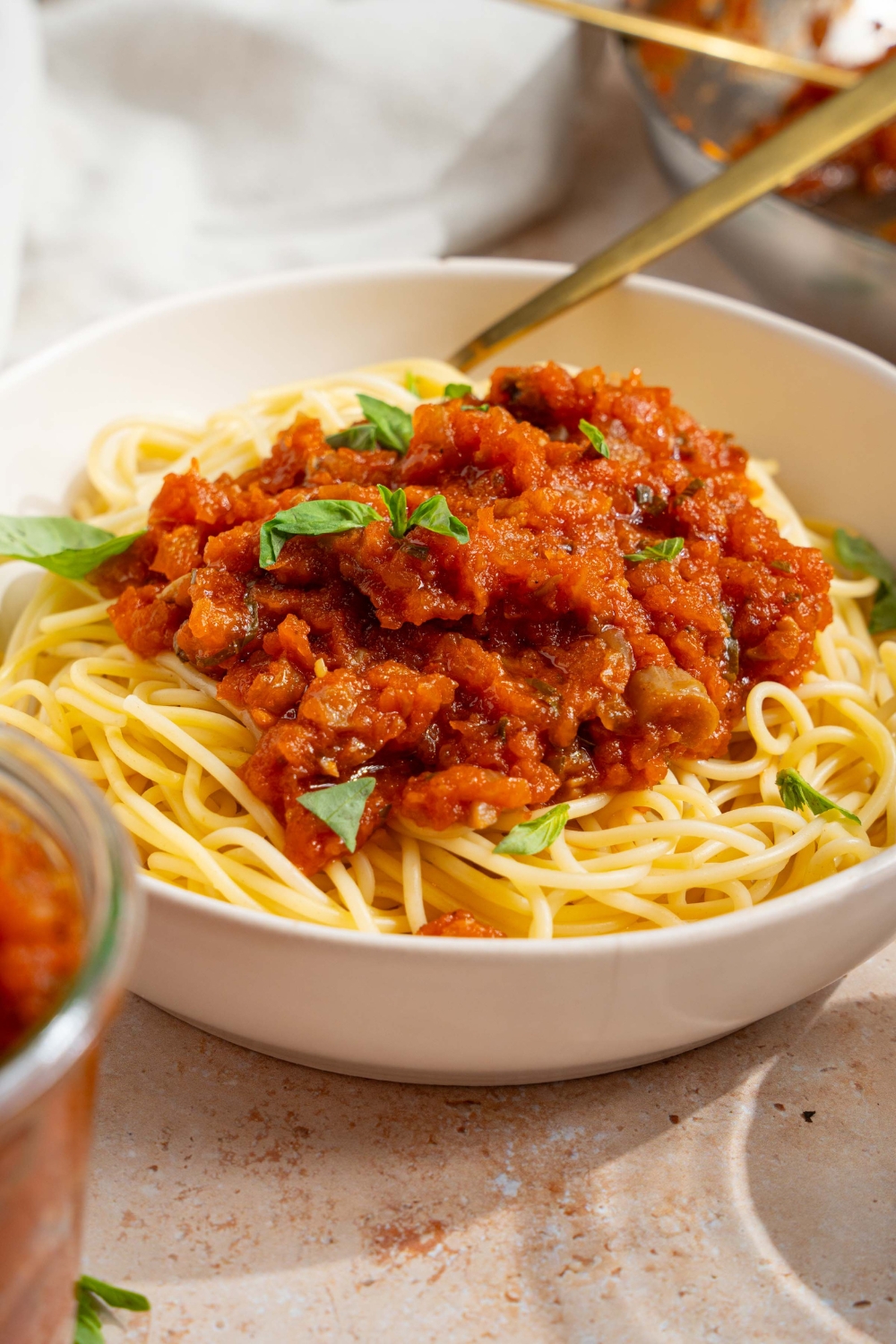
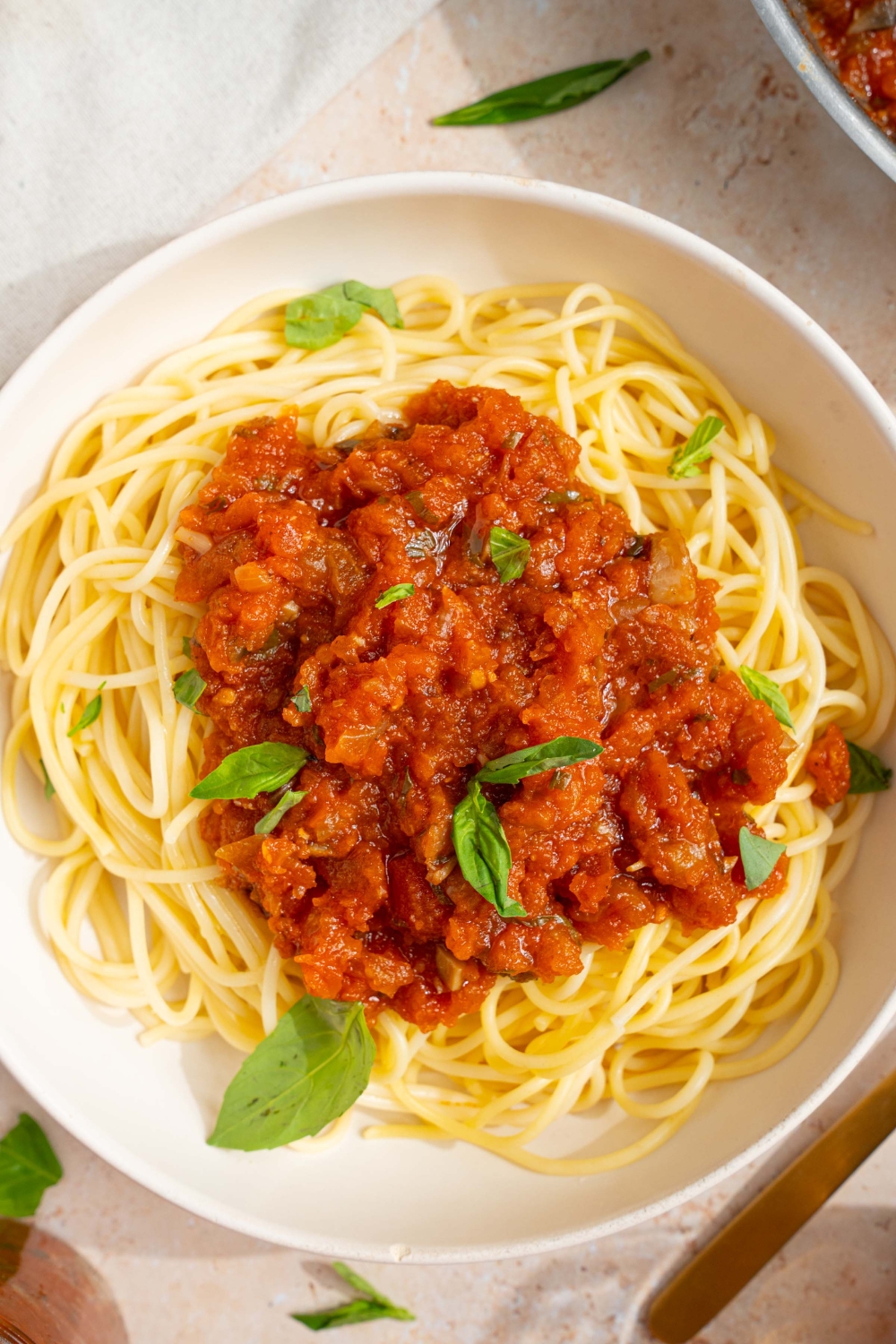
This homemade spaghetti sauce with fresh tomatoes is thick, rich, and full of real slow-simmered flavor. It makes spaghetti night so much better, and once you taste it, jarred sauce is going to feel a little sad. Don’t let fresh tomatoes scare you either, this recipe consists of simple steps. A quick blanch, blend, then let it simmer until it turns into a perfect spaghetti sauce that'll make Sunday sauce nights even more memorable.
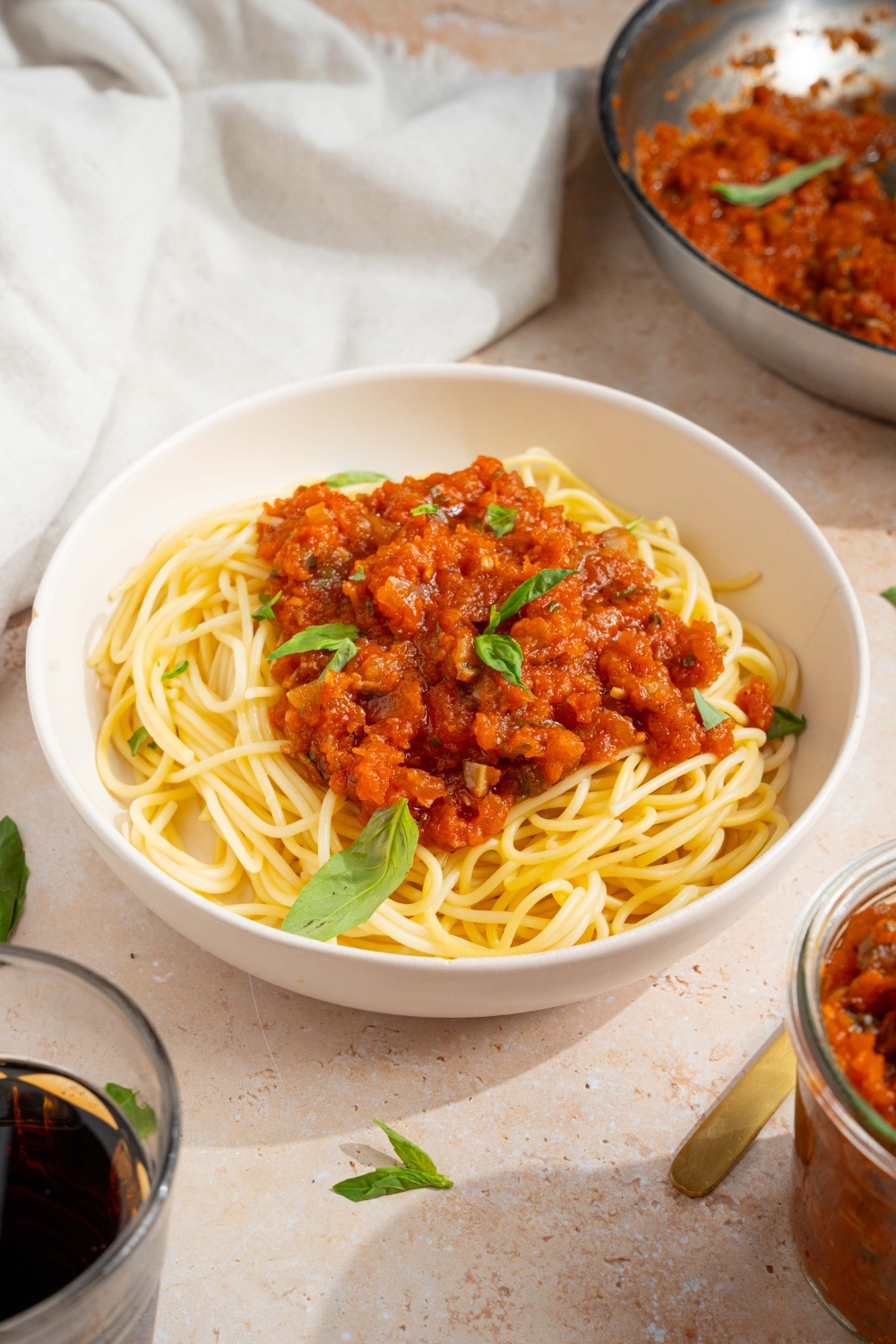
Table of Contents
Why You'll Love This Homemade Spaghetti Sauce
My grandma was known for her Sunday sauce, and her secret was always fresh tomatoes. That’s the flavor I wanted, so I built this recipe around that same idea: start with fresh tomatoes, then let time do the work.
This sauce tastes like something you’d get at a little family-run Italian restaurant, slow-simmered with onions, garlic, basil, and oregano until it gets thick and glossy. The mushrooms melt into the sauce and give it a hearty, savory backbone, and the splash of soy sauce is my trick that deepens the flavor without making it taste like soy sauce. It just makes everything taste more “done,” like you’ve been simmering it all day.
If you want a fresh tomato spaghetti sauce that feels Sunday-sauce worthy but still doable at home, this is it. It’s the kind of pot you’ll keep dipping a spoon into while it cooks, and it turns even basic pasta into a meal everyone remembers.
Ingredients You'll Need
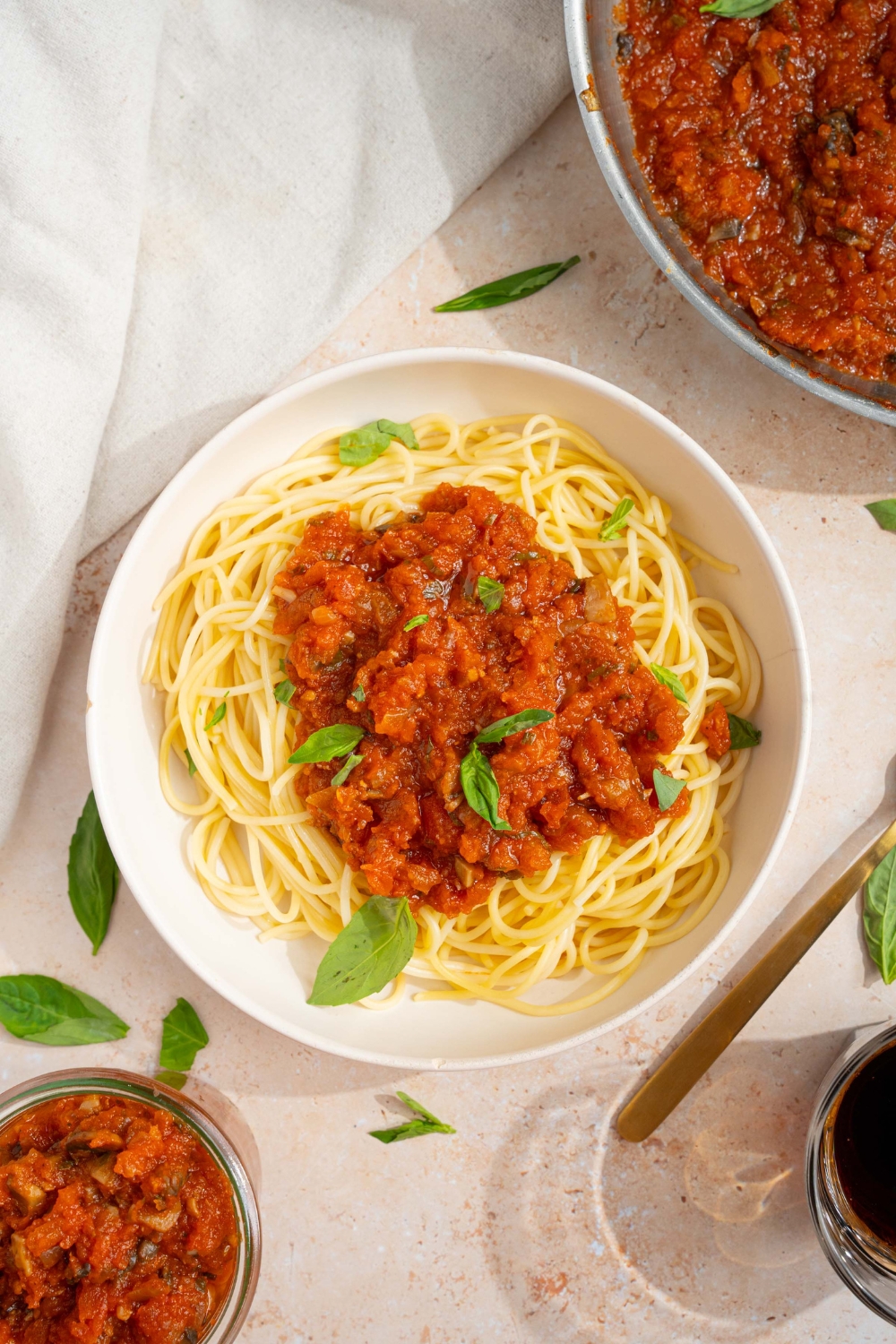
- 12 to 14 fresh tomatoes (garden tomatoes work best), about 6 to 8 pounds
- 2 tablespoons olive oil
- 1 large onion, chopped
- 8 ounces fresh mushrooms, chopped
- 2 teaspoons soy sauce
- 6 cloves garlic, minced
- 10 to 12 basil leaves, chopped
- 2 teaspoons dried oregano
- 1 tablespoon sugar, to start (add more as needed)
- 2 teaspoons kosher salt
- ½ teaspoon black pepper
Ingredient Notes That Make This Sauce Better
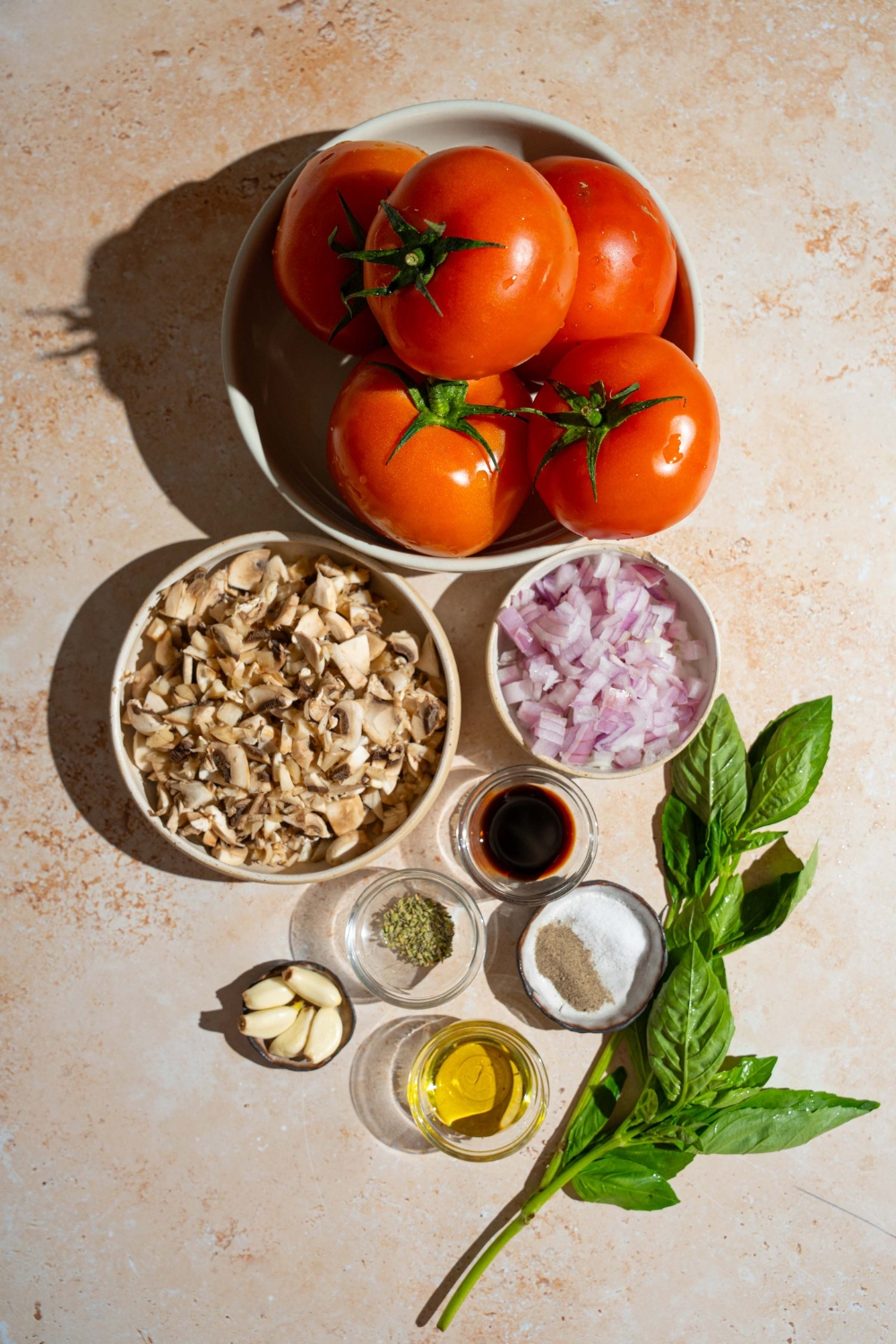
- Tomatoes: If you are using fresh garden tomatoes, you are already winning. Different varieties have different water content. Juicier tomatoes will need more simmer time to thicken. Meatier tomatoes (like Roma) thicken faster.
- Soy sauce: It is doing “umami” work here. It deepens flavor the way a long simmer does, but faster. It will not taste like soy sauce once it cooks into the sauce.
- Mushrooms: They add body and savory depth. Chopping them small helps them blend into the sauce so you get flavor without big mushroom chunks (unless you want them). If you don't want to use mushrooms, leave them out, or replace with diced bell pepper for a different kind of sweetness.
- Sugar: Fresh tomatoes can be sweet or acidic depending on variety and ripeness. Sugar is there to balance, not make it sweet. Start with 1 tablespoon and adjust after the sauce simmers.
How to Make Homemade Spaghetti Sauce with Fresh Tomatoes
Step 1: Blanch and peel the tomatoes
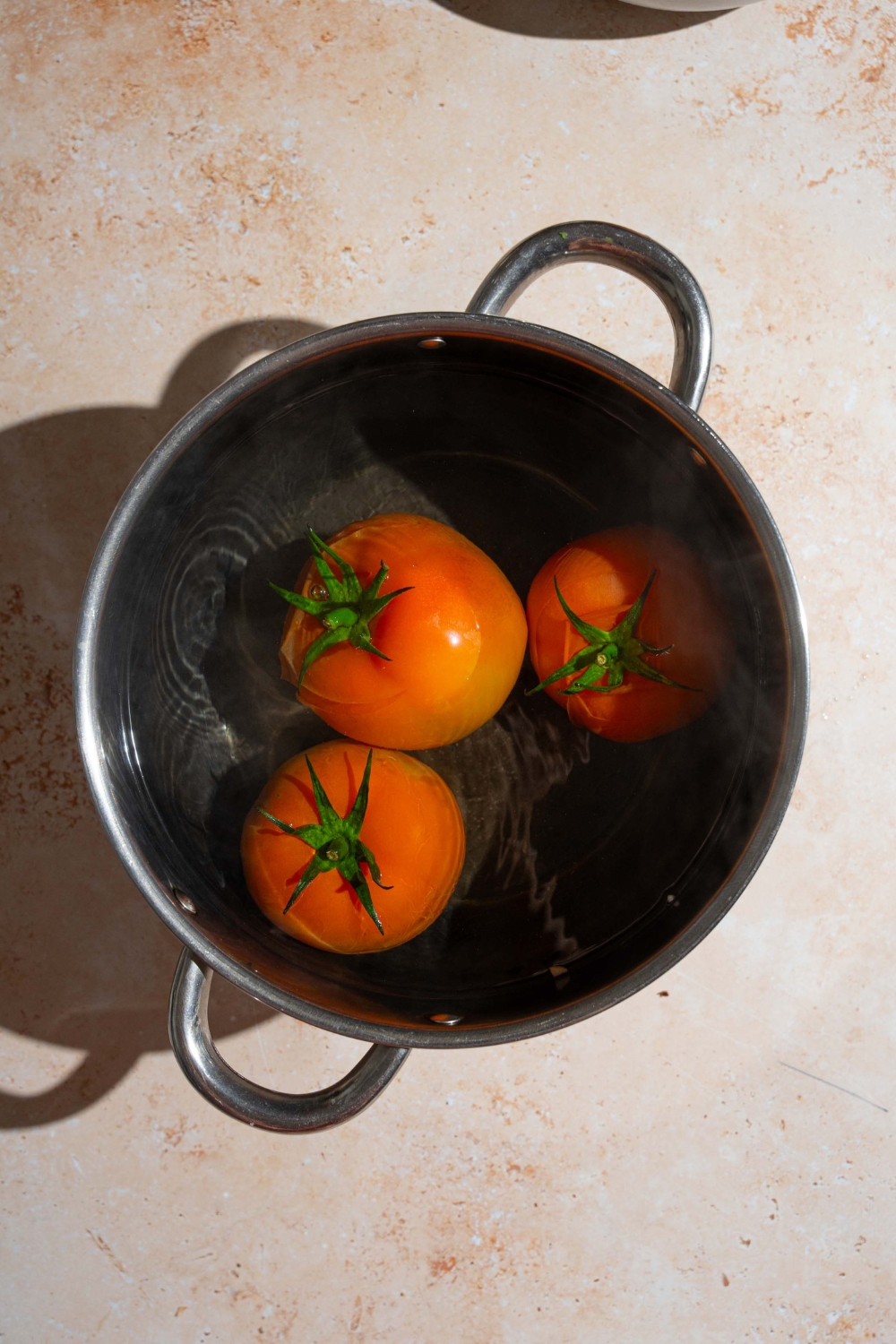
Bring a large pot of water to a boil. Working in batches, blanch tomatoes in boiling water for 10 to 15 seconds, then immediately transfer to an ice-water bath.
Step 2: Core, quarter, and crush
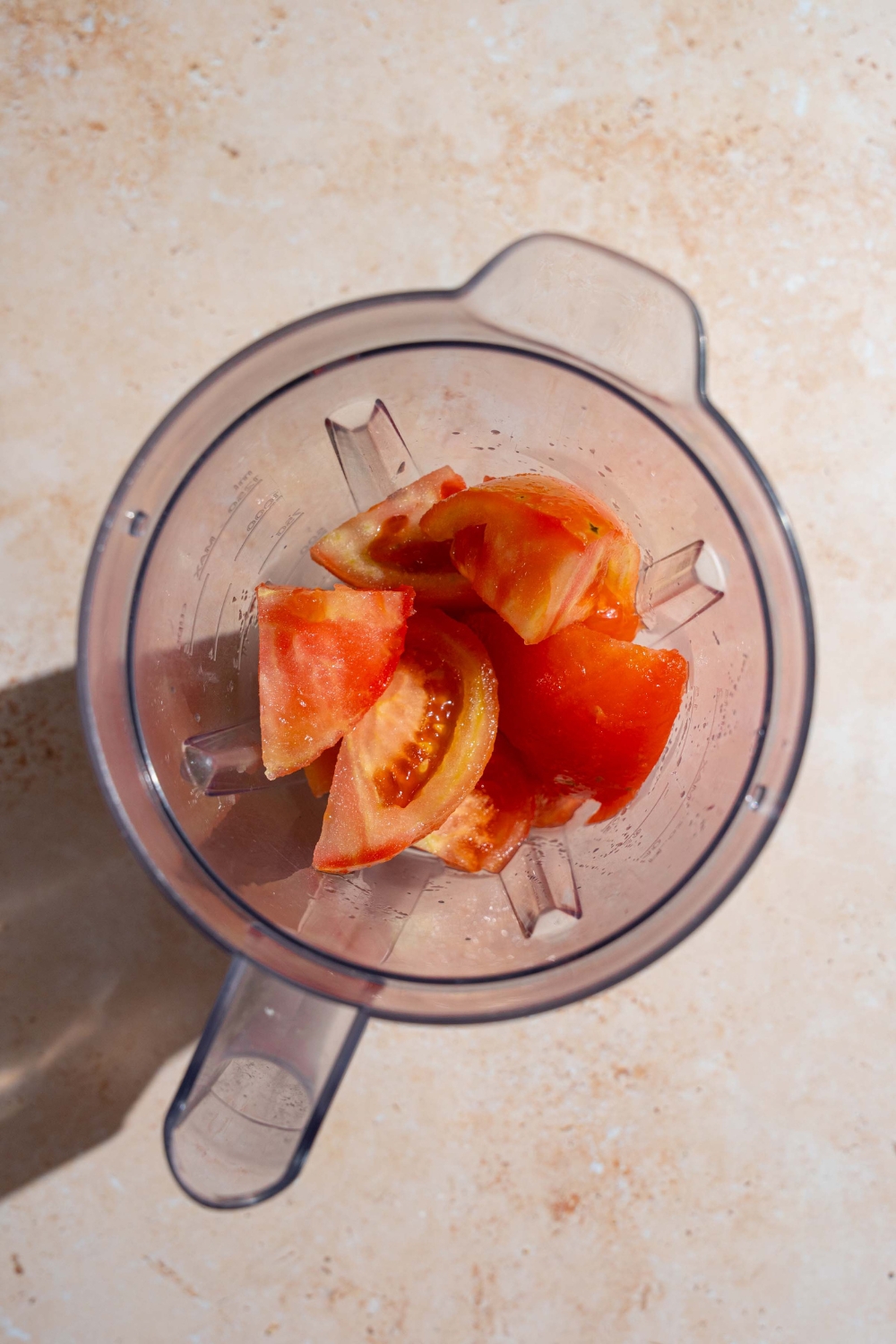
Peel off the skins, remove stems, and cut tomatoes into quarters. Transfer to a food processor or blender and pulse a few times until they resemble crushed tomatoes. Do not over-process. Set aside.
Step 3: Sauté onion and mushrooms
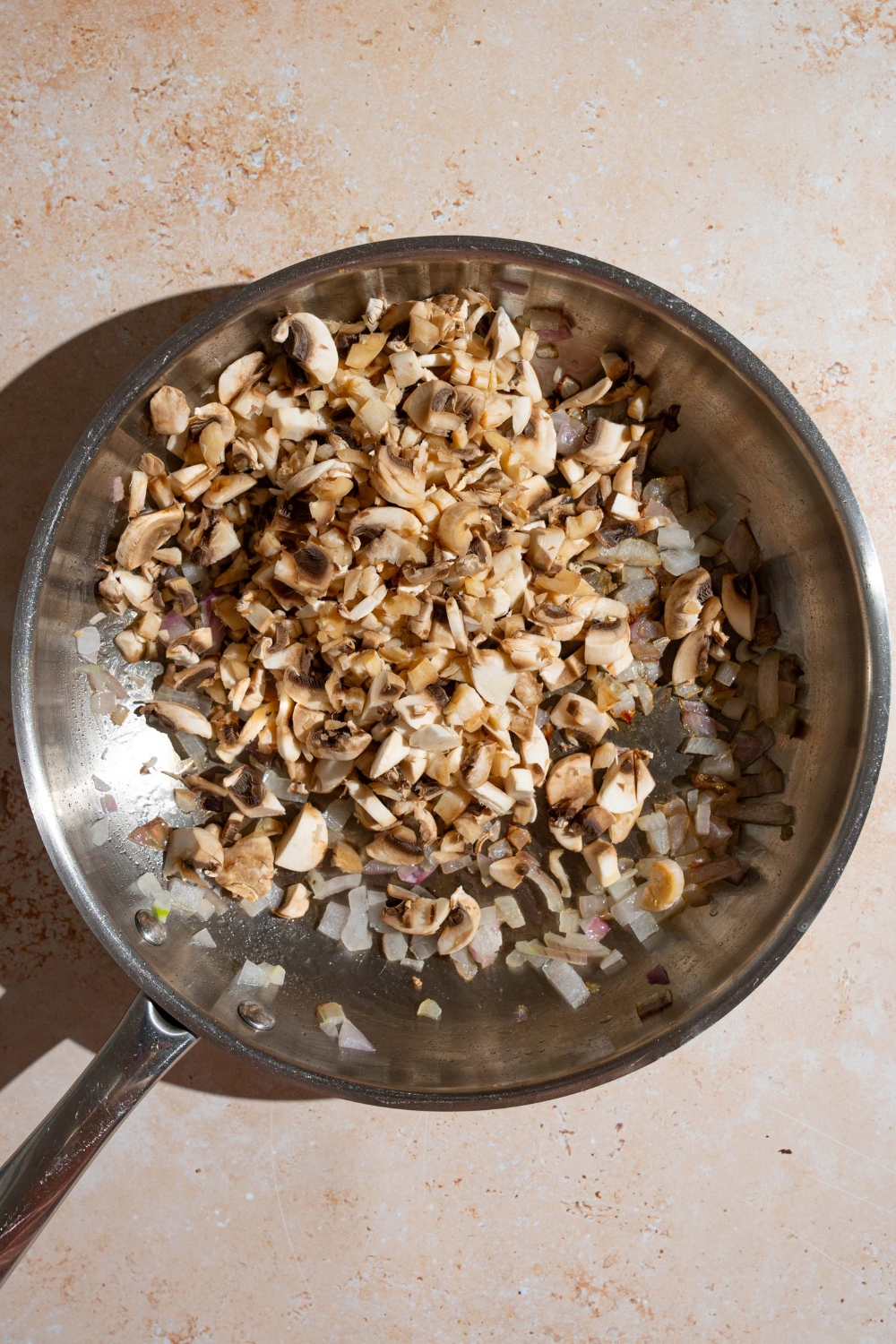
Heat olive oil in a large skillet over medium heat. Add chopped onion and sauté until soft and translucent. Add mushrooms and cook 2 to 3 minutes.
Step 4: Add soy sauce and garlic
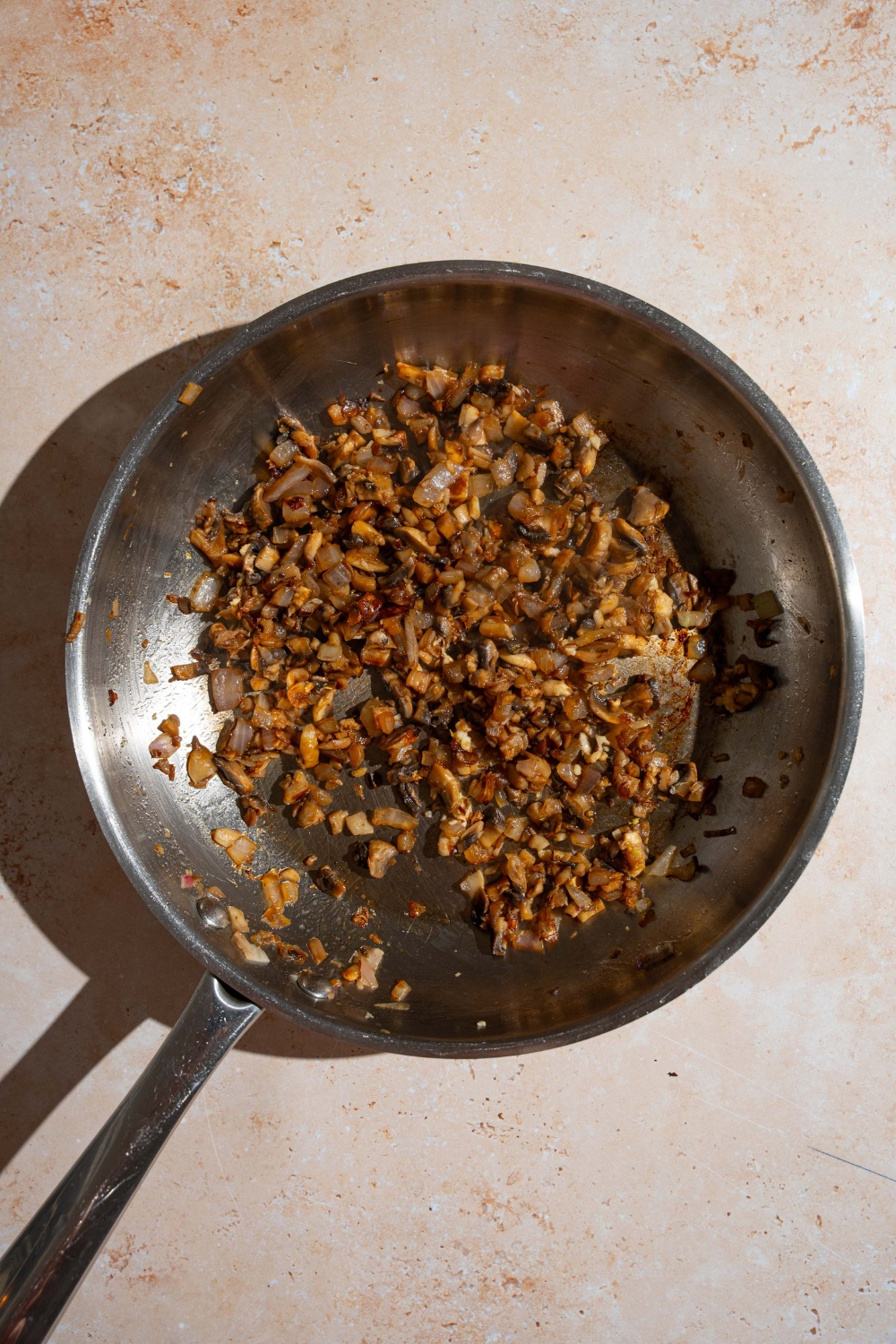
Stir in soy sauce and garlic, and cook until mushrooms are tender and garlic is fragrant.
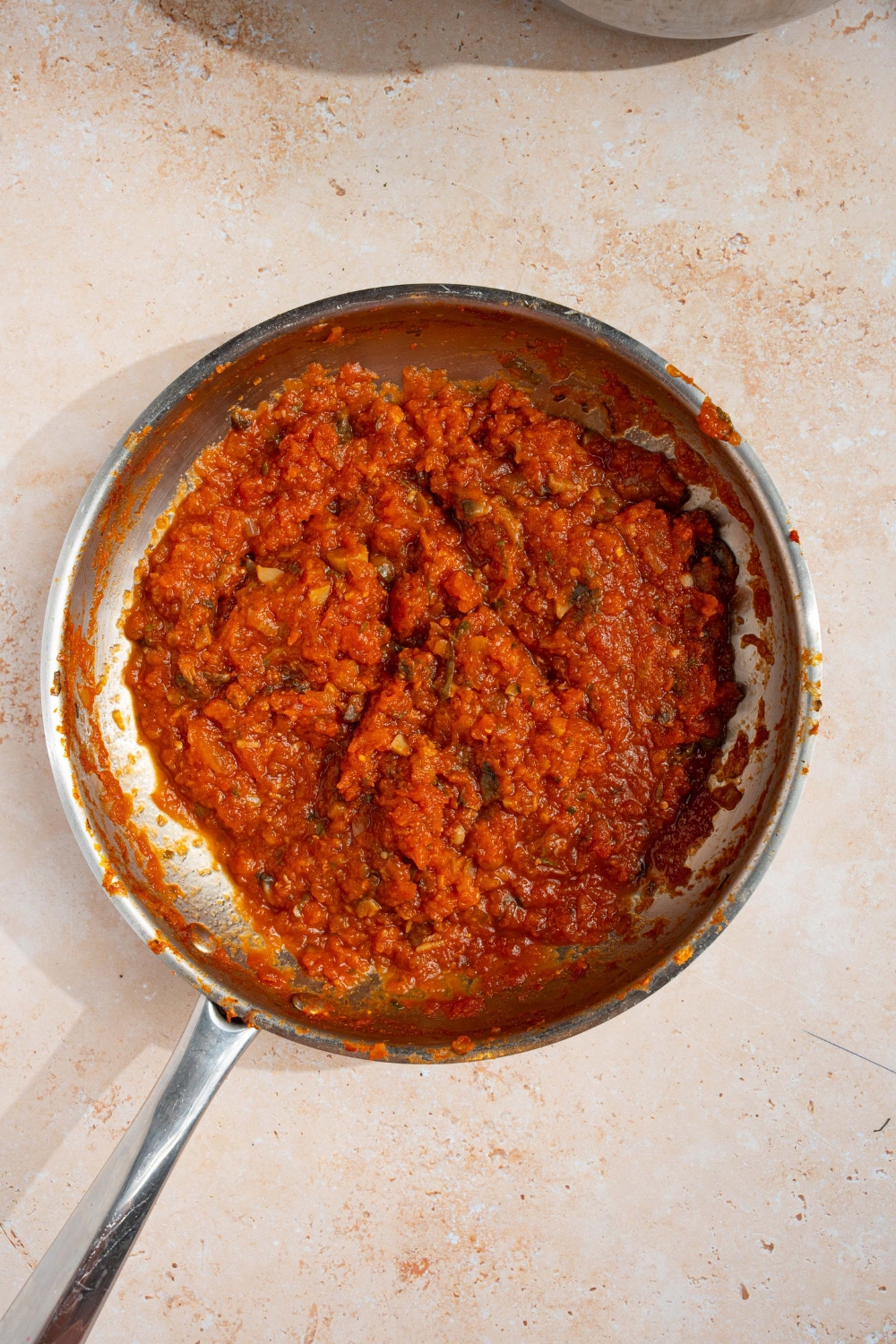
Step 5: Simmer the sauce
Pour in the processed tomatoes. Add basil, oregano, sugar, salt, and pepper. Stir to combine. Bring to a simmer and cook uncovered at least 1 hour, stirring occasionally.
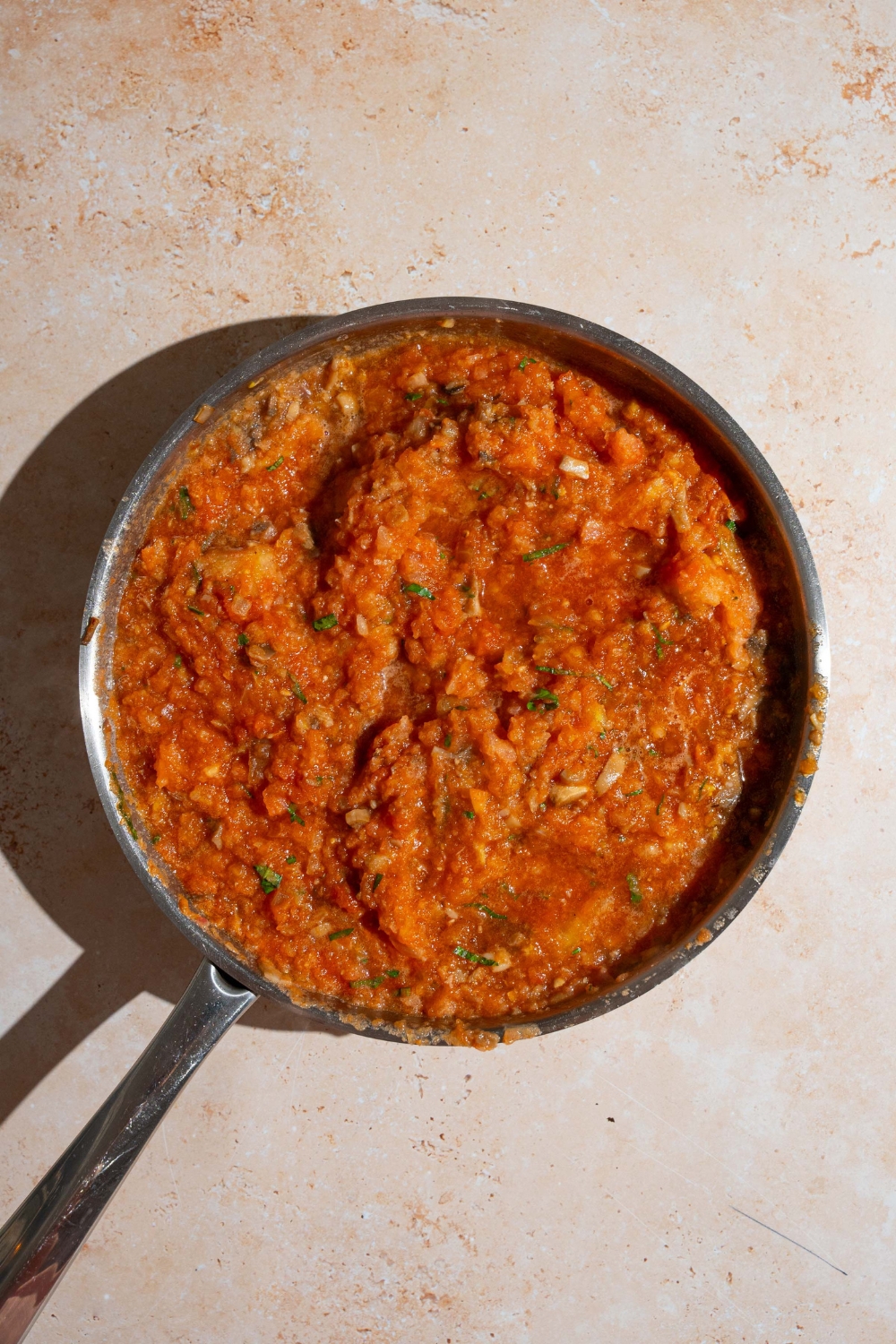
For a longer simmer (2+ hours), cover for the first hour, then remove the lid and continue simmering until thickened to your liking.
Step 6: Serve
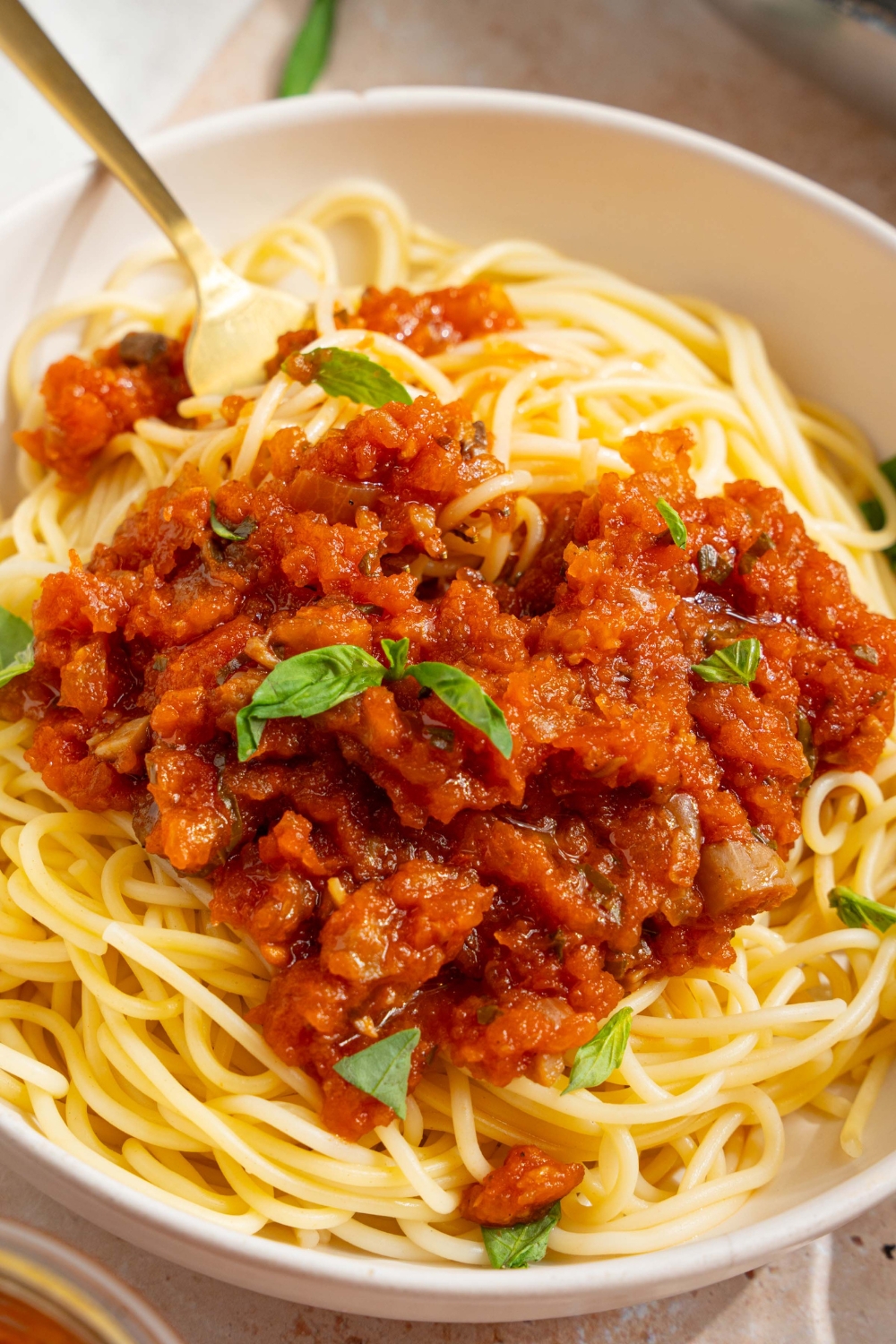
Serve warm over cooked pasta like spaghetti, or cool and store for later.
Pro Tips For The Best Homemade Spaghetti Sauce with Fresh Tomatoes
- Don’t over-blend the tomatoes: Pulse them just a few times so they look like crushed tomatoes. Over-blending turns them foamy and watery, and it can make the sauce taste “raw tomato” instead of slow-simmered. A little texture is exactly what you want here.
- Use ripe tomatoes for the best flavor: Fresh tomato sauce is only as good as the tomatoes you start with. The riper and more fragrant they are, the sweeter and richer your sauce will taste. If your tomatoes are pale or bland, you’ll need more simmer time and more seasoning to get the same depth.
- Simmer uncovered to build real thickness: Fresh tomatoes release a lot of water. Keeping the lid off is what concentrates the flavor and gives you that cling-to-the-noodles texture. If you’re doing a long simmer, covering for the first hour can help it get going without reducing too fast, then uncover to finish and thicken.
- Stir occasionally and scrape the bottom: Once the sauce starts thickening, it’s easier to scorch. Give it a good stir every 10 to 15 minutes and scrape the bottom corners of the pot, especially during the last 30 minutes when it’s at its thickest.
- Let the onions fully soften before you add tomatoes: That first sauté is where the sweetness starts. Cook the onions until they’re soft and translucent, not just “warmed up,” and your sauce will taste rounder and less sharp.
- Cook the mushrooms until they give up their moisture: Mushrooms can water down sauce if you rush them. Let them cook a few minutes so they soften and brown slightly. That’s how you get the hearty, savory backbone instead of “mushrooms floating in tomato water.”
- That soy sauce is your secret depth builder: It doesn’t make the sauce taste Asian, it just adds umami and helps the sauce taste like it simmered all day. Start with the amount in the recipe, then taste near the end. A little goes a long way.
- Taste near the end, not the beginning: Fresh tomato sauce changes as it cooks. Tomatoes get sweeter, flavors concentrate, and salt levels feel stronger later on. Taste in the last 15 to 20 minutes, then adjust salt, pepper, and sugar in small pinches until it tastes balanced.
- Fix an acidic sauce the right way: If your sauce tastes too sharp, don’t dump in a ton of sugar. Start with ¼ teaspoon at a time, then taste again. Also, longer simmering naturally mellows acidity, so sometimes the fix is simply more time.
- Make it thicker: Thickness comes from evaporation. Keep it uncovered and simmer longer, stirring more often as it thickens. If you want it extra hearty for baked pasta, give it another 30 to 60 minutes.
- Make it smoother: Blend at the end, briefly. If you prefer a smoother sauce, let it simmer first, then use an immersion blender for just a few quick pulses. Blending early can make it foamy and thinner. Blending late keeps it thick and velvety.
- Make it taste even better the next day: Fresh tomato sauce gets better after it rests. If you can, cool it, refrigerate overnight, then reheat slowly. The flavors settle and it tastes even more like a true Sunday sauce.
- Save pasta water: When you toss the sauce with pasta, add a splash of starchy pasta water. It helps the sauce cling to noodles and makes it taste more cohesive, like a restaurant sauce instead of sauce sitting on top of pasta
Recipe Variations You Can Try
- Meaty Fresh Tomato Spaghetti Sauce: For a heartier, meat sauce vibe, brown 1 pound ground beef or Italian sausage with the onion until fully cooked. Drain excess grease if needed, then continue with the mushrooms, garlic, and the rest of the recipe. This version is especially good for lasagna, baked ziti, and Sunday-style pasta nights.
- Roasted Fresh Tomato Sauce: If you want deeper sweetness and a more “slow-cooked” flavor, roast the tomatoes first. Toss quartered tomatoes with olive oil and a pinch of salt, roast at 425°F for 25 to 35 minutes until blistered and jammy, then pulse and simmer as written. Roasting concentrates the tomato flavor and naturally reduces acidity.
- Creamy Tomato Sauce: For a pink sauce vibe, stir in ¼ cup heavy cream at the end and warm gently for 1 to 2 minutes. It softens the acidity and makes the sauce feel extra silky without changing the tomato flavor too much.
- Veggie-Packed Soffritto Base: For a more classic, Italian-style base, add ½ cup diced carrots and ½ cup diced celery with the onion. Cook until softened before adding mushrooms and garlic. It adds natural sweetness and extra depth, especially if your tomatoes are on the tart side.
Storage, Freezing, and Make-Ahead Tips
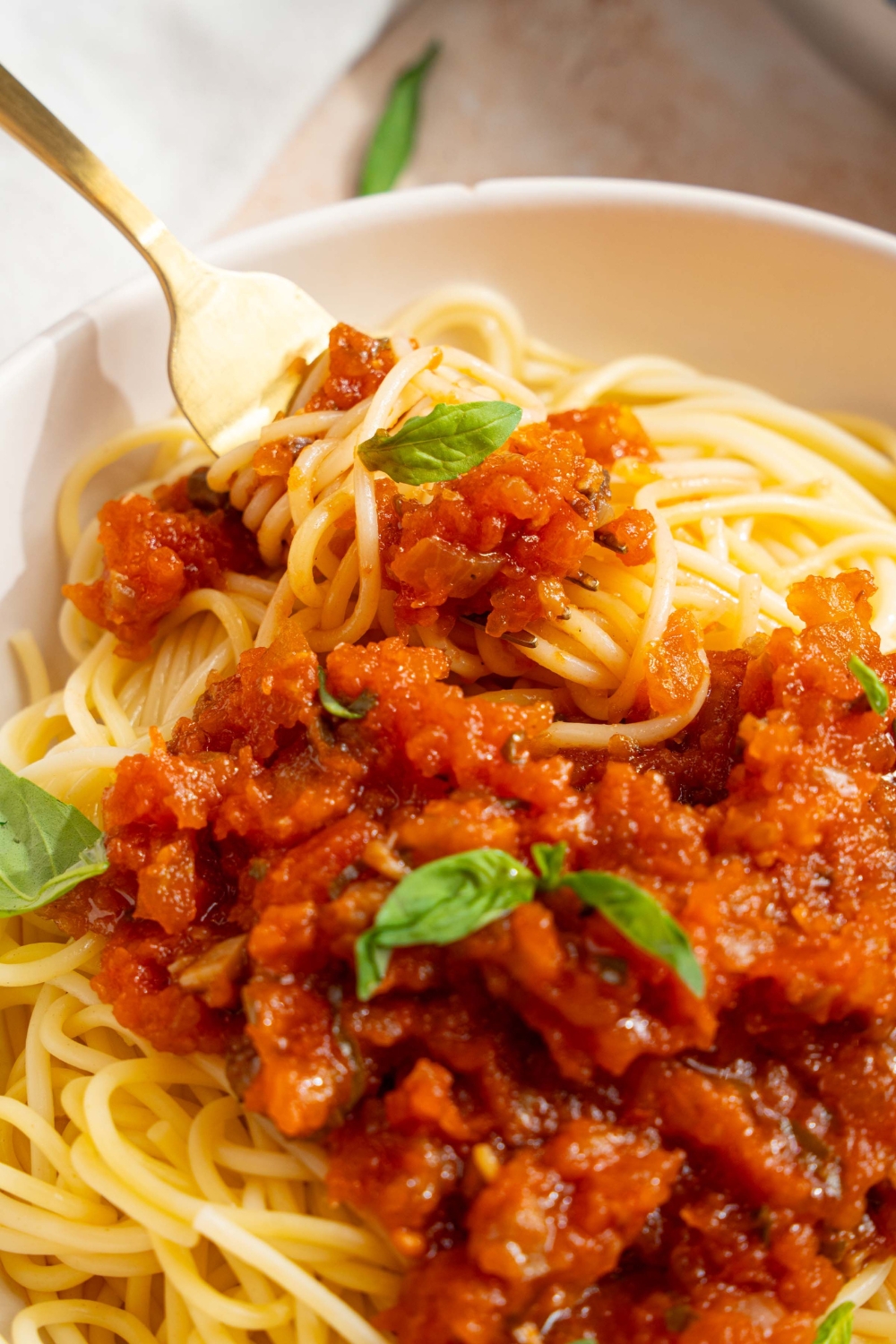
- Refrigerator: Let the sauce cool completely, then store it in airtight containers in the fridge for up to 5 days. It’ll thicken as it chills, which is totally normal for a fresh tomato sauce.
- Freezing: This sauce freezes really well. Portion it into freezer-safe containers or zip-top bags and freeze for up to 3 months. If you’re using bags, lay them flat to freeze so they stack neatly and thaw faster.
- Reheating: Reheat gently on the stovetop over low to medium-low heat, stirring occasionally. If it’s too thick (especially after chilling), loosen it with a splash of water or pasta water until it’s the consistency you want.
- Make-Ahead Tip: This is one of those sauces that tastes even better the next day. Making it ahead gives the flavors time to settle and mellow. Cool it, refrigerate overnight, then reheat and serve, or freeze a few portions so you’ve got a homemade weeknight dinner shortcut ready to go.
Homemade Tomato Sauce with Fresh Tomatoes FAQs
What tomatoes are best for homemade spaghetti sauce?
Meaty, low-water tomatoes make the thickest sauce fastest. Roma and San Marzano-style tomatoes are great for that classic spaghetti sauce texture. Garden tomatoes work too, and a mix of varieties can taste amazing, just know juicier tomatoes will need a longer uncovered simmer to thicken.
Do I have to peel the tomatoes for fresh tomato sauce?
You don’t have to, but peeling makes a smoother sauce. Tomato skins can curl up and leave chewy bits after simmering. If you want that classic smooth spaghetti sauce texture, blanching and peeling is worth it.
Can I make spaghetti sauce with fresh tomatoes without blanching?
Yes. If you don’t want to blanch, you can leave the skins on and go for a rustic sauce, or blend the sauce smoother and strain it if you want a cleaner texture. Blanching is just the quickest way to get skins off without messing with flavor.
Why add sugar to spaghetti sauce?
A little sugar balances tomato acidity. You’re not trying to make the sauce sweet, you’re just taking the sharp edge off so it tastes smoother and more “done.”
My fresh tomato sauce tastes too acidic. How do I fix it?
Let it simmer longer uncovered first, time mellows acidity naturally. If it’s still sharp, add sugar ¼ teaspoon at a time and taste again. Ripe tomatoes also matter a lot, under-ripe tomatoes are naturally more acidic.
What does soy sauce do in tomato sauce?
It adds umami and depth, making the sauce taste richer and more savory without tasting like soy sauce. It’s a simple trick that gives “all-day sauce” vibes without needing meat.
How do I thicken fresh tomato sauce faster?
Use a wide pot, simmer uncovered, and keep it at a steady simmer so water evaporates. If you turn the heat up to speed it along, stir more often as it thickens so it doesn’t scorch on the bottom.
Can I make this sauce without mushrooms?
Yes. The mushrooms add savory depth and a hearty feel, but you can leave them out and the sauce will still be delicious. If you skip them, you might want an extra pinch of salt, oregano, or a small splash more soy sauce for that same depth.
Can I use canned tomatoes instead of fresh?
You can, but the flavor will be different. Fresh tomatoes give you a brighter, more “summer sauce” taste. If you’re using canned, use crushed tomatoes and still simmer to concentrate the flavor, then adjust seasoning near the end the same way.
More Sauce Recipes You'll Love
- Lemon cream sauce
- Cajun Alfredo sauce
- Sherry cream sauce
- White wine pasta sauce
- Alfredo sauce with cream cheese
Homemade Spaghetti Sauce with Fresh Tomatoes

This homemade spaghetti sauce with fresh tomatoes is thick, rich, and full of real slow-simmered flavor. It makes spaghetti night so much better, and once you taste it, jarred sauce is going to feel a little sad. Don’t let fresh tomatoes scare you either, this recipe consists of simple steps. A quick blanch, blend, then let it simmer until it turns into a perfect spaghetti sauce that'll make Sunday sauce nights even more memorable.
Ingredients
- 12-14 tomatoes, (fresh, garden tomatoes work best- appx. 6-8 lbs)
- 2 tablespoons olive oil
- 1 large onion, chopped
- 8 ounces mushrooms, fresh, chopped
- 2 teaspoon soy sauce
- 6 cloves garlic, minced
- 10-12 basil leaves, chopped
- 2 teaspoon dried oregano
- 1+ tablespoon sugar, start with 1 tablespoon, taste, and add more as you go along as needed
- 2 teaspoon Kosher salt
- ½ teaspoon pepper
Instructions
1. Bring a large pot of water to a boil. Working in batches, blanch the tomatoes in the boiling water for 10–15 seconds, then immediately transfer them to an ice-water bath.
2. Peel off the skins, remove the stems, and cut the tomatoes into quarters. Transfer them to a food processor or blender and pulse a few times until they resemble crushed tomatoes. Avoid over-processing. Set aside.
3. Heat oil in a large skillet over medium heat. Add chopped onions and sauté until soft and translucent.
4. Add mushrooms and cook for 2–3 minutes. Stir in soy sauce and garlic, and continue cooking until the mushrooms are tender.
5. Pour in the processed tomatoes, then add basil, oregano, sugar, salt, and pepper. Stir to combine.
6. Bring the sauce to a simmer and cook uncovered for at least 1 hour, stirring occasionally to prevent burning. For a longer simmer (2+ hours), cover for the first hour, then remove the lid and continue simmering until the sauce thickens.
7. Serve warm over cooked pasta.
Nutrition Information:
Yield:
4Serving Size:
1Amount Per Serving: Calories: 100Total Fat: 8gSaturated Fat: 1gUnsaturated Fat: 7gSodium: 1275mgCarbohydrates: 8gFiber: 3gSugar: 3gProtein: 2g
Leave a Reply