


Napoleon cake is a showstopping layered dessert made with delicate pastry and rich, creamy custard. Known for its tender, flaky texture and slightly sweet vanilla cream, this cake has roots in both French and Russian baking traditions. With buttery pastry layers and smooth pastry cream, this is the kind of cake that melts in your mouth and gets better as it rests, just like my ultra-popular Neiman Marcus cake and simple Milk Cake!
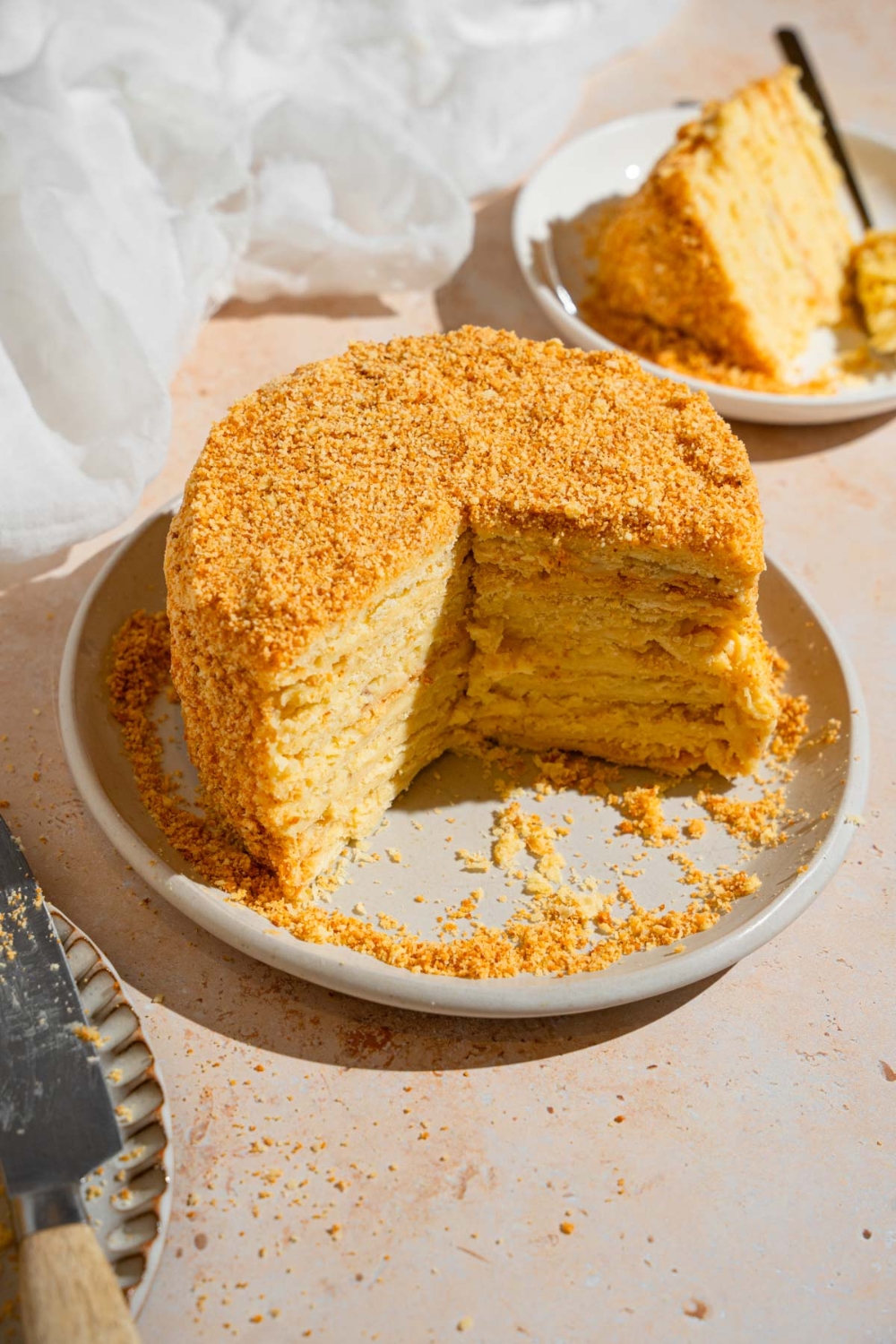
Table of Contents
Why I Love This Napoleon Cake Recipe
What I love about this Napoleon cake is how every layer, every step, works together to create something that looks—and tastes—like it came from a high-end bakery. The pastry bakes up golden and flaky, but the process isn’t fussy at all. I’ve made enough of these to know you don’t have to be a pastry chef to nail it—if you can roll dough and stir a pot, you’ve got this.
One of my favorite parts? This cake actually gets better as it sits. When you make it ahead, the pastry cream has time to sink into the layers, softening them just enough to create that melt-in-your-mouth texture Napoleon cakes are famous for. By the next day, the flavors have blended together into something even richer and more indulgent.
I’ve made this Napoleon dessert for birthdays, holidays, and even just because, and every time it hits the table, there’s that little pause when people see it—followed by requests for seconds. Guests always think it’s complicated, but I know it’s just a matter of using good ingredients and following a straightforward process. For me, this recipe is proof that you don’t need fancy tools or rare ingredients to make a dessert that looks and tastes like it came from a French pastry bakery.
Ingredients You'll Need
For the Dough:
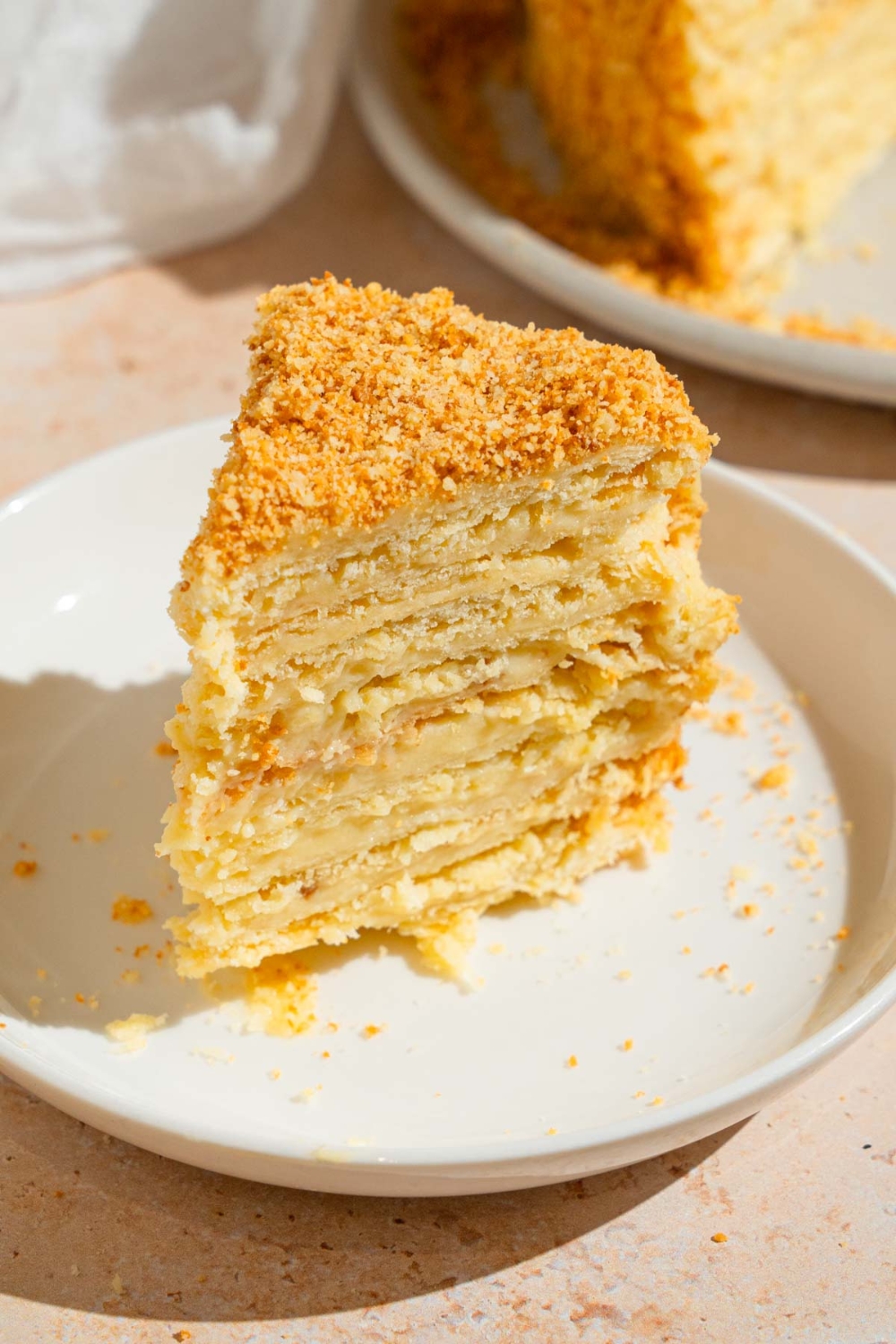
- 5½ cups (690g) all-purpose flour
- 1¾ cups (400g) cold butter, cubed
- 2 large eggs
- 200ml ice water
- 1 tablespoon white vinegar
- ½ teaspoon salt
For the Pastry Cream:
- 6 egg yolks
- ⅓ cup (43g) cornstarch
- 3 cups (720ml) whole milk
- 1 cup (230g) butter
- ¾ cup + 2 tablespoons (175g) sugar
- 2 teaspoons vanilla extract
How to Make Napoleon Cake
Step 1: Make the dough
In a small bowl, whisk together the eggs, ice water, vinegar, and salt.
In a food processor, pulse the flour and butter until they reach a crumbly consistency with a few small chunks.
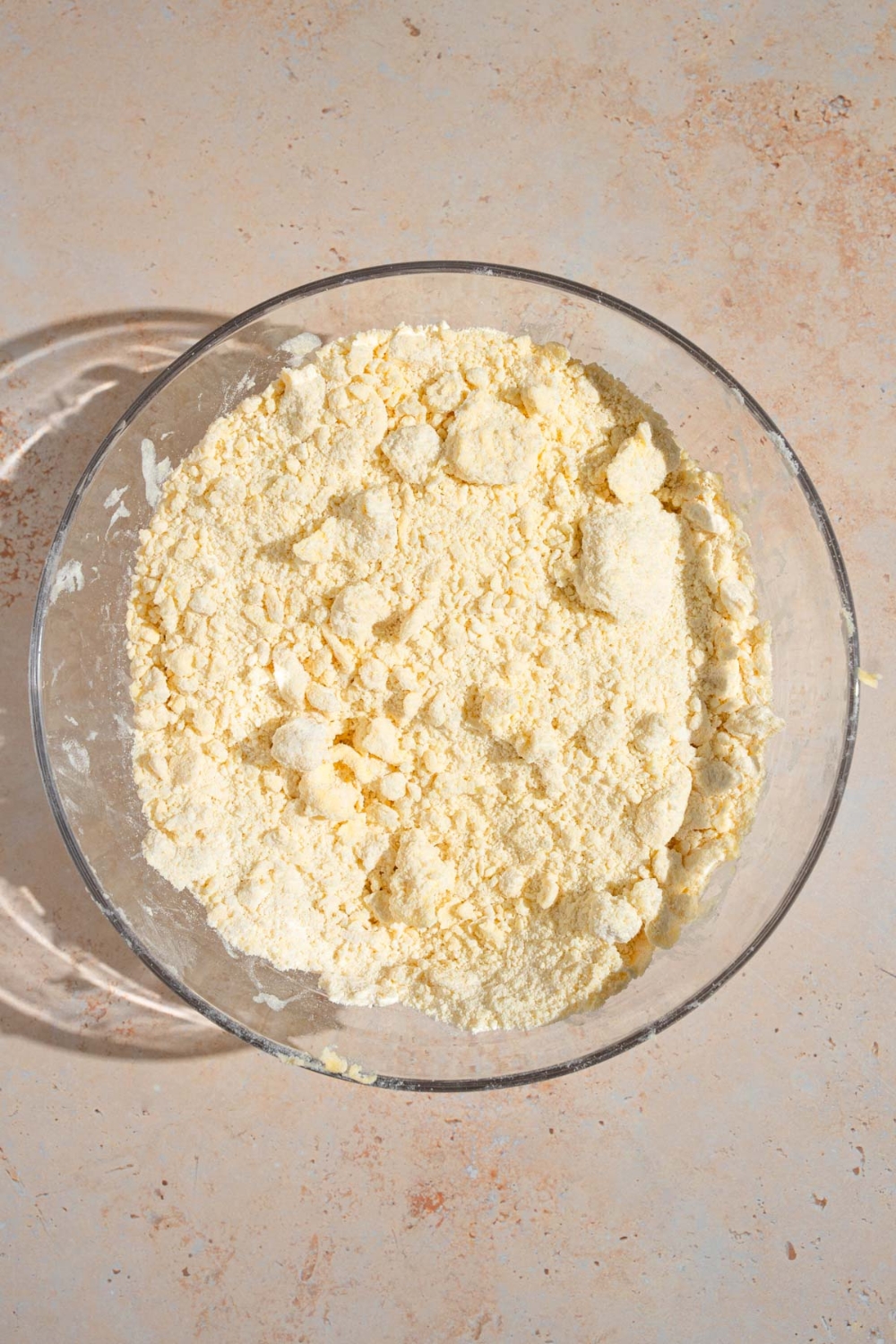
Transfer the crumbly flour-butter mixture to a large bowl and mix in the egg mixture until a dough forms. Knead lightly until combined and smooth.
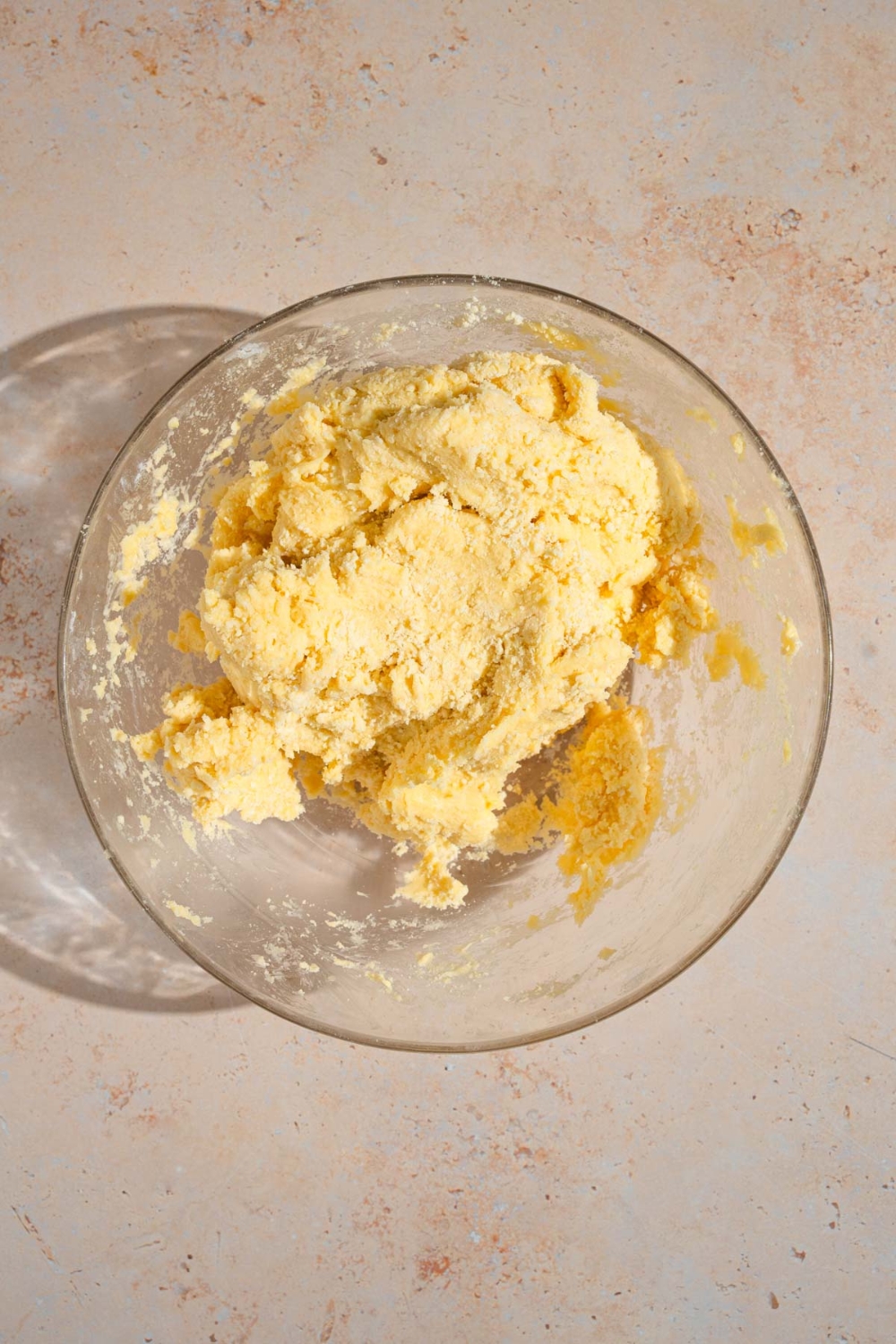
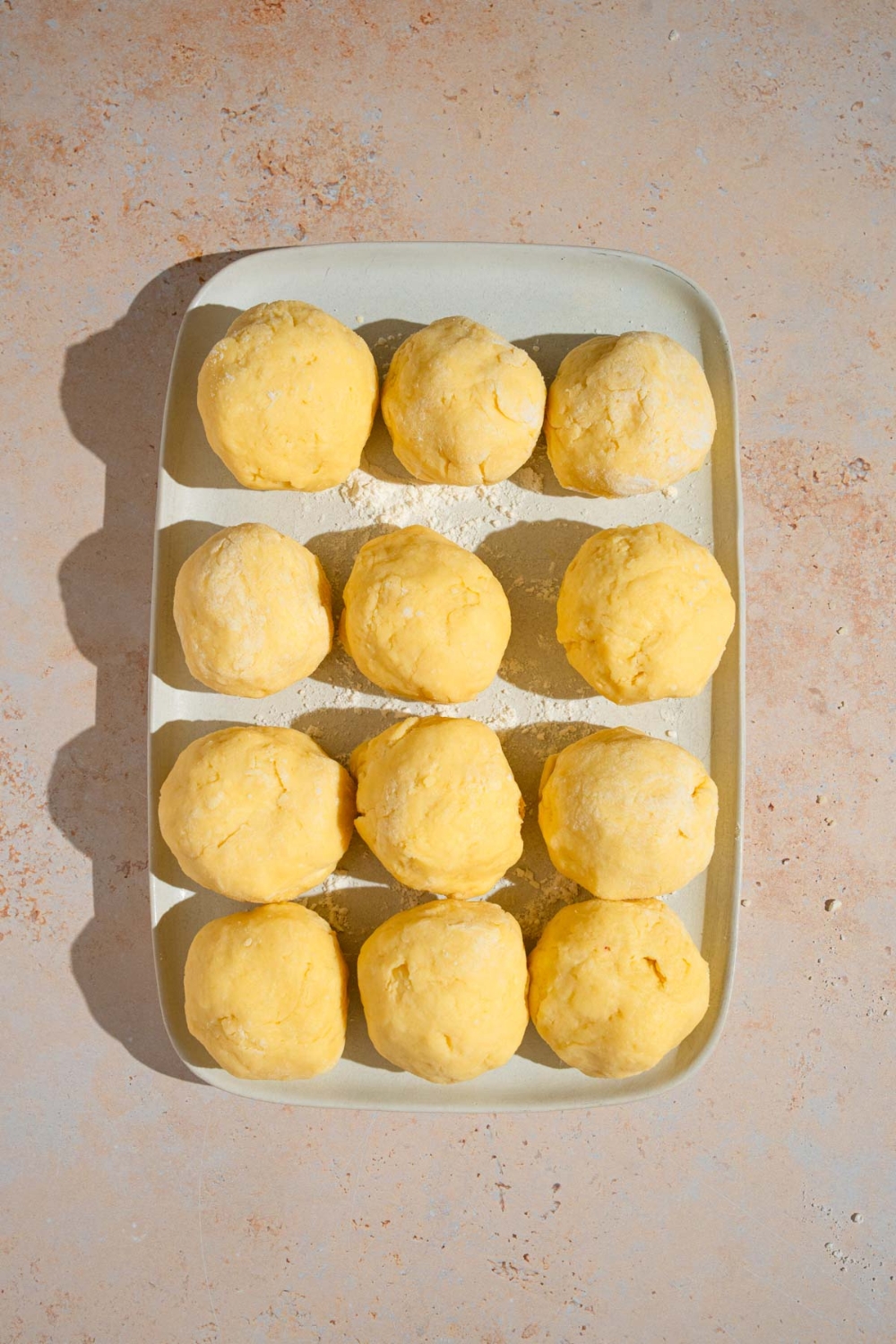
Divide the dough mixture into 10–12 equal balls, and put them on a dish. Cover it with plastic wrap, and refrigerate the dough balls for 1 hour.
Step 2: Prepare the Pastry Cream
In a bowl, whisk together the egg yolks, sugar, and cornstarch until smooth.
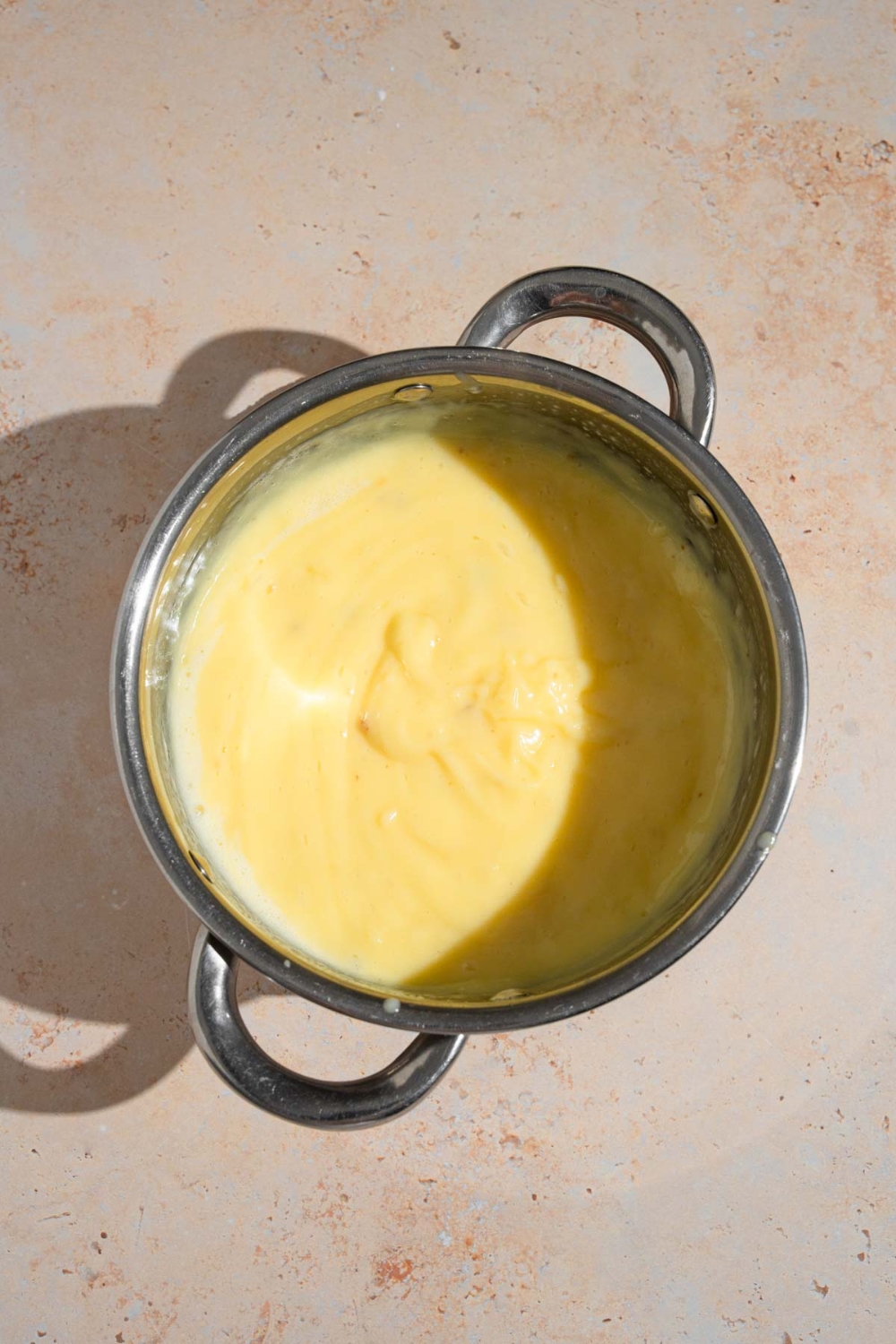
Heat the milk in a saucepan until hot but not boiling. Slowly pour the milk into the egg mixture, whisking constantly. Return the mixture to the saucepan and cook over medium-low heat, stirring constantly, until thickened (about 7–8 minutes).
Remove from heat and stir in the butter and vanilla. Cover with plastic wrap and let it cool completely while you bake the cake.
Step 3: Roll and Bake the Layers
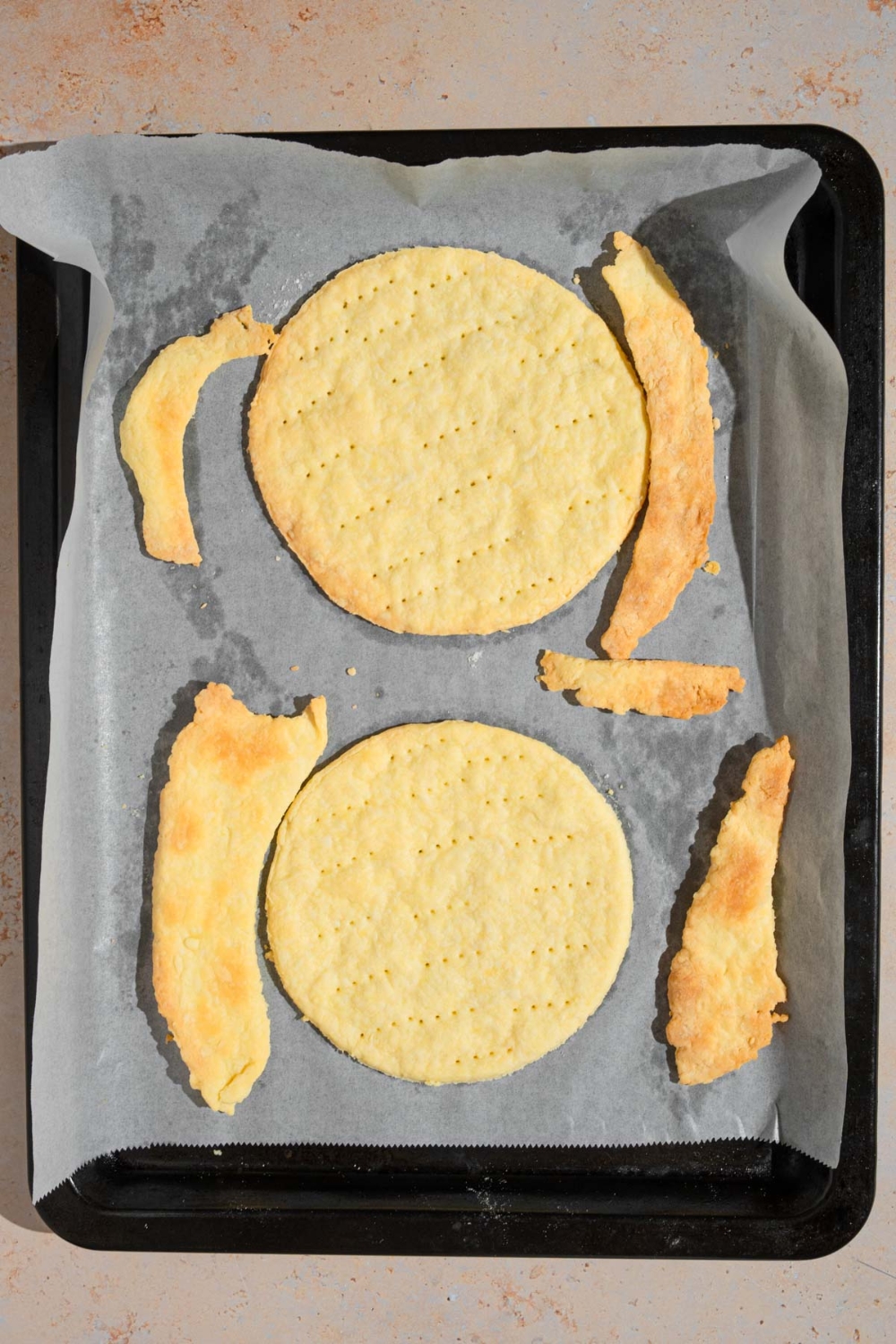
Preheat the oven to 375°F (190°C). Roll out each chilled dough ball on a sheet of parchment paper into a very thin circle. Use an 8-inch (20 cm) ring to trim each one. Prick the top of each round layer with a fork.
Bake 2 layers at a time on a parchment-lined baking sheet for 10–12 minutes, until lightly golden. Cool completely. Save and bake the dough scraps—they’ll be used for garnish.
Step 4: Assemble the Cake
Place one baked pastry layer on a serving plate. Spread about 3 tablespoons of cream over it. Repeat until all layers of the cake are stacked. Cover the top and sides with the remaining cream.
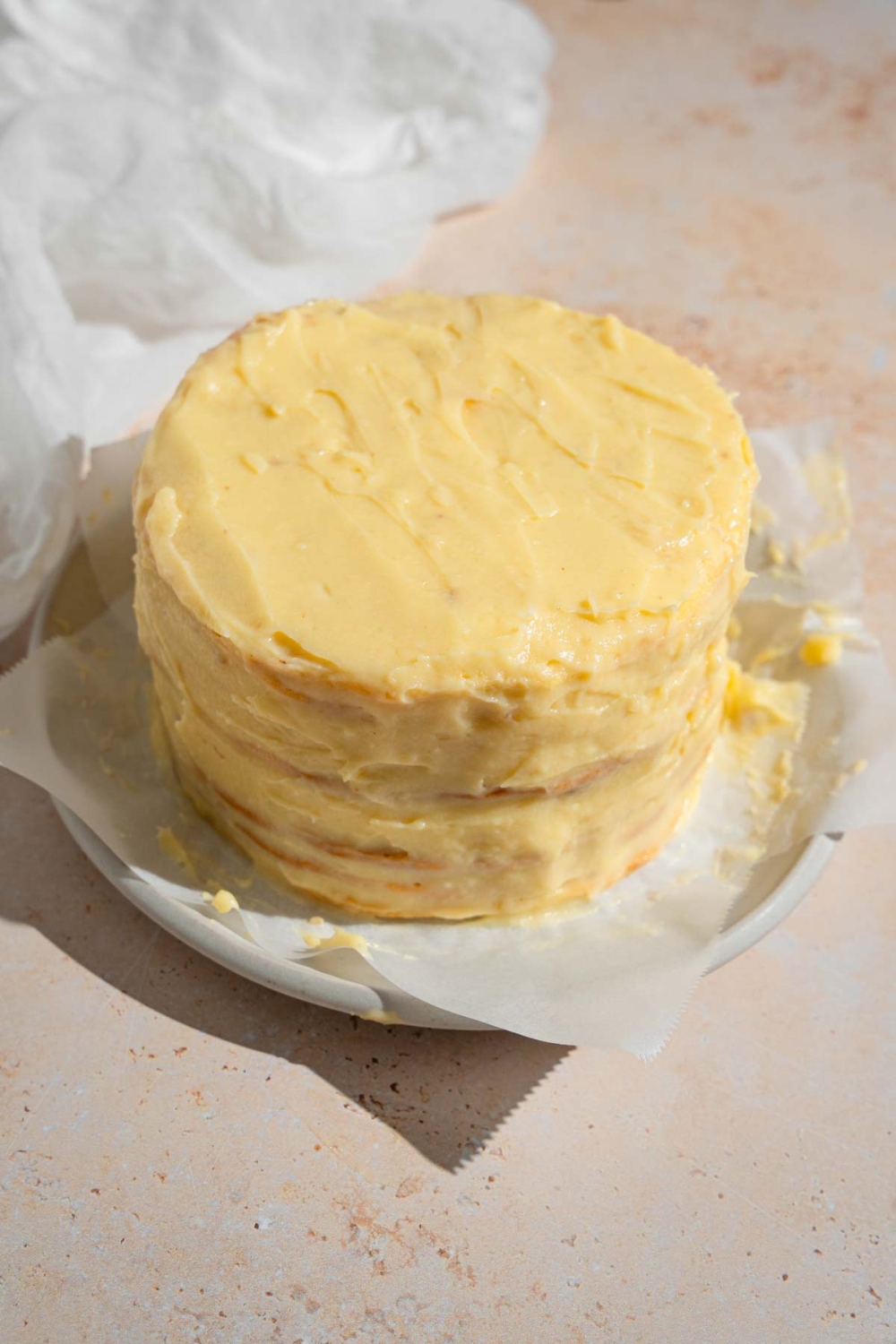
Step 5: Add the Finishing Touch
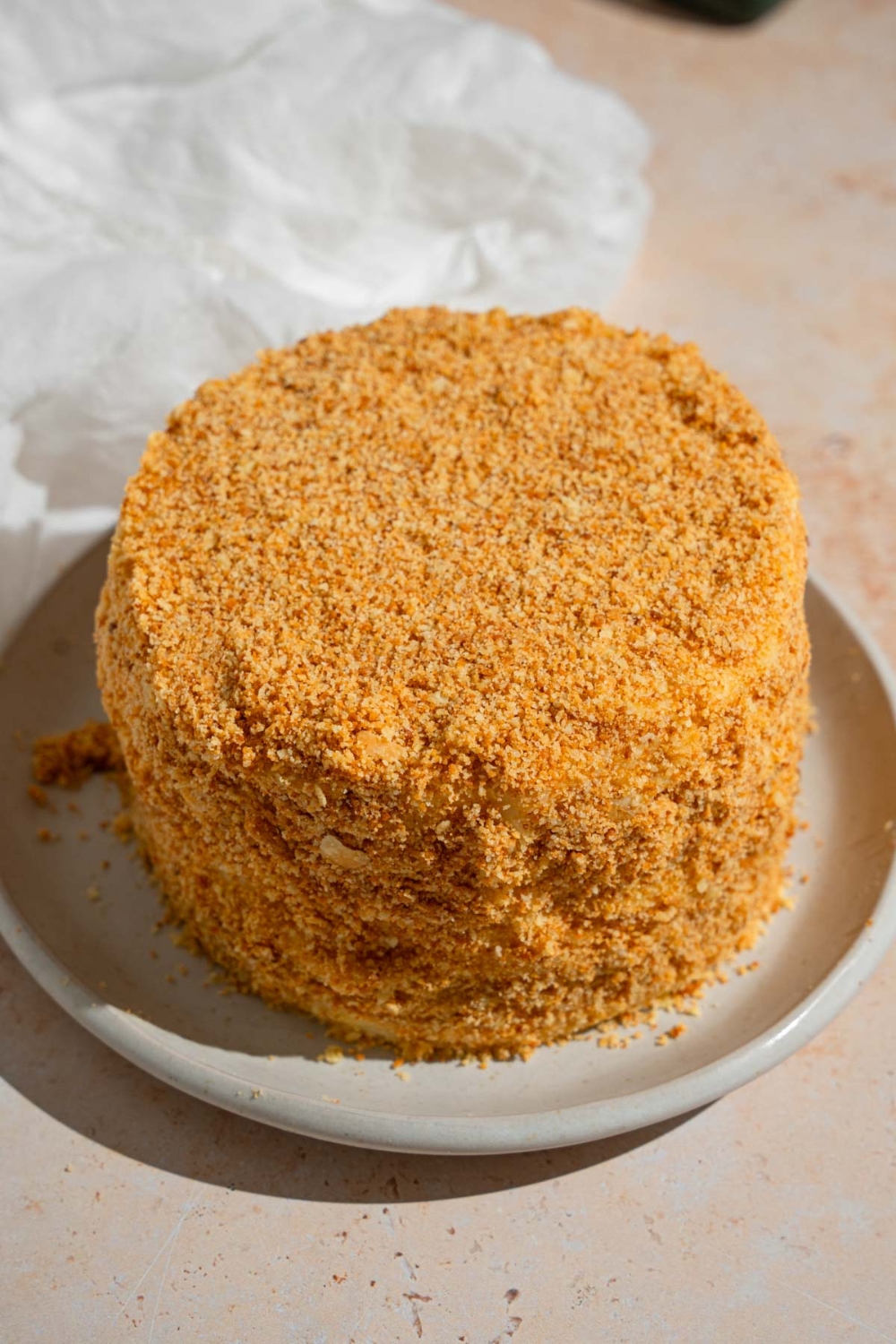
Pulse the baked scraps into fine crumbs using a food processor. Press the crumbs onto the top and sides of the cake to fully cover it. Refrigerate the assembled cake overnight to allow the layers to soften and set. Serve the next day and enjoy!
Expert Tips for The Best Napoleon Cake
- Use cold butter for the flakiest pastry:
Cold butter is essential for creating the tender, layered texture that makes a Napoleon cake so special. Keep the butter firm until you cut it into the flour, and work quickly so it doesn’t soften before baking. When the cold butter hits the oven heat, it releases steam that separates the layers for that perfect puff. - Roll the dough thinner than you think:
Aim for sheets that are just a couple of millimeters thick. Thinner layers bake up lighter, stack more evenly, and allow the pastry cream to soak in without making the cake heavy. Use a ruler if needed and rotate the dough as you roll to keep it even. - Chill the dough before rolling:
Resting the dough for at least 30 minutes in the refrigerator relaxes the gluten, which makes rolling easier and prevents shrinkage. It also re-chills the butter so it doesn’t melt too early, preserving those flaky layers. - Cook the pastry cream low and slow:
Use medium-low heat and stir constantly to avoid curdling or scorching. A heavy-bottomed saucepan helps distribute heat evenly, and switching from a whisk to a spatula as the cream thickens ensures you’re scraping every corner of the pot. - Assemble directly on your serving plate:
Once layered, the cake is delicate and difficult to move without damaging it. Build it where you plan to serve, and use strips of parchment under the edges while assembling to keep your serving platter clean—just slide them out when you’re done. - Let the cake rest overnight:
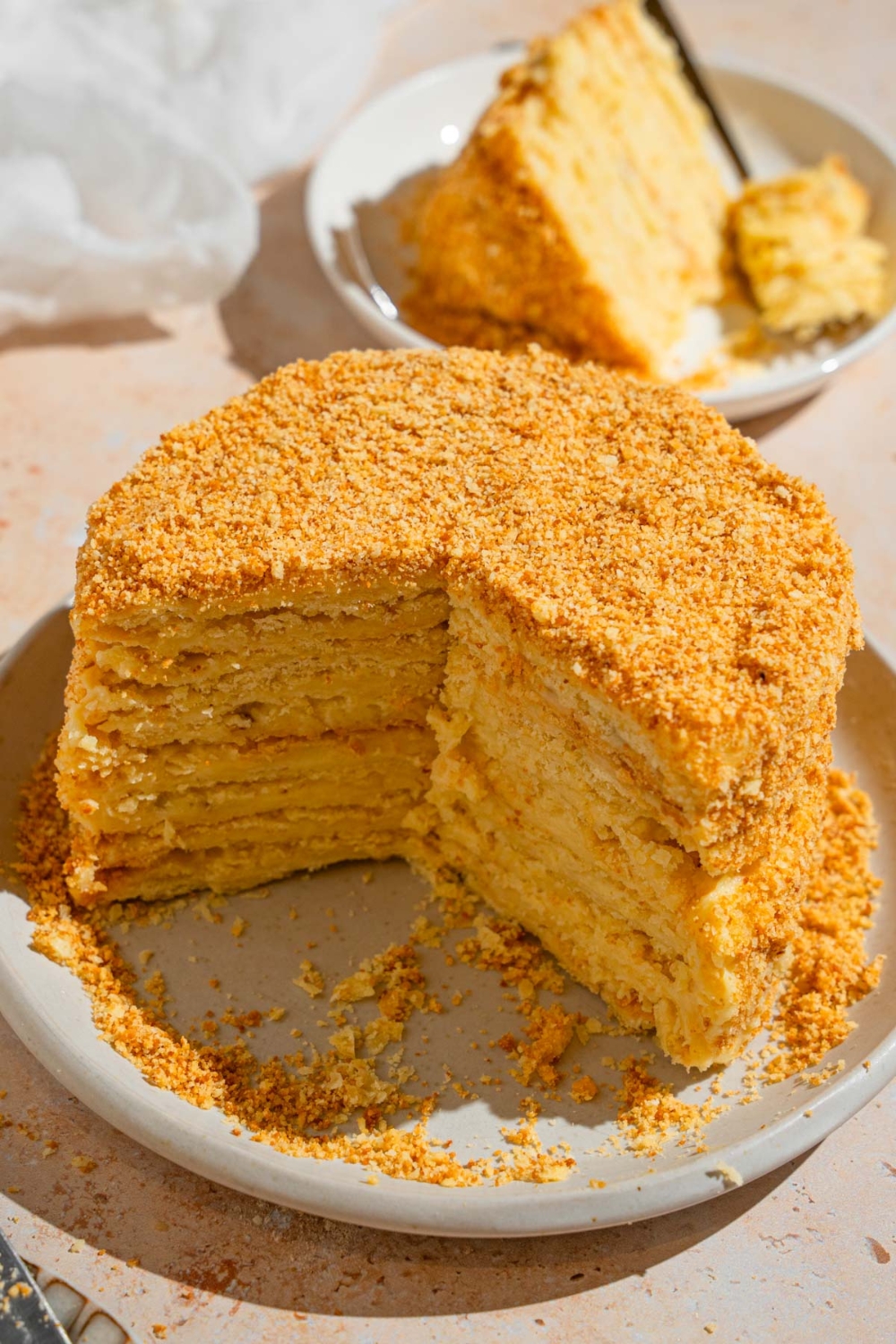
Napoleon cake tastes best the next day. The cream needs time to soften the pastry layers and meld the flavors, creating that signature melt-in-your-mouth texture. - Garnish with leftover pastry crumbs:
Don’t throw away the baked pastry scraps. Pulse them into fine crumbs and use them to coat the top and sides of the cake. They add crunch, visual appeal, and help hide any imperfections in the outer layers.
FAQs About This Napoleon Cake Recipe
What is Napoleon cake made of?
Napoleon cake is a layered dessert built from multiple rounds of thin, flaky pastry—traditionally made with buttery puff pastry—and a rich, creamy filling. The classic version features a custard-style pastry cream made from eggs, sugar, milk, and butter, often flavored with vanilla. In some recipes, the cream is enriched with a bit of whipped cream or sweetened condensed milk for extra smoothness. Once assembled, the cake is chilled to allow the cream to soften the pastry layers, creating the signature melt-in-your-mouth texture.
Where did Napoleon cake originate?
Napoleon cake, also known as Mille-feuille in French, has a history that blends French and Russian culinary traditions. The original Mille-feuille (“thousand sheets”) comes from France and dates back to at least the 17th century, consisting of layers of puff pastry and pastry cream. In the early 19th century, French pastry techniques spread to Russia, where the dessert was adapted into what is now known as Napoleon cake.
How long does Napoleon cake last?
Store the finished cake in the refrigerator for up to 5 days. The flavor improves after a day or two as the layers continue to soften, making this one of the best make-ahead French pastry dessert recipes you can make at home!
Can I freeze Napoleon cake?
It’s not ideal. Freezing can cause the cream to separate and make the texture soggy. If needed, freeze unassembled layers and make the cream fresh before serving.
Can I make this cake ahead of time?
Yes—this cake is actually best made a day in advance. Letting it rest overnight allows the cream to soak into the layers for that signature soft, creamy texture.
What can I use instead of a cake ring?
You can use any 8-inch plate or bowl as a guide and cut around it with a knife. A springform pan ring also works well for trimming uniform circles.
Final Thoughts
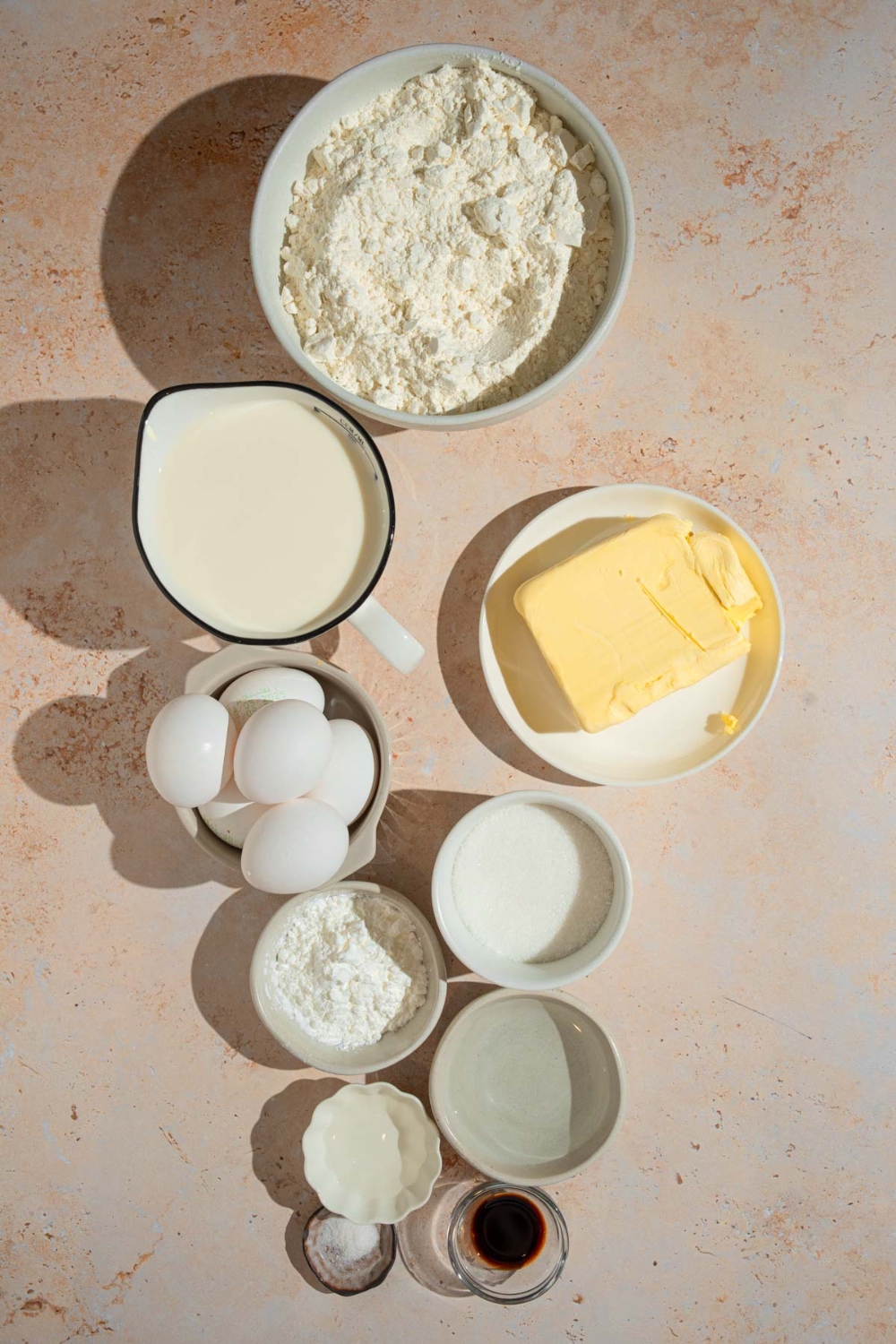
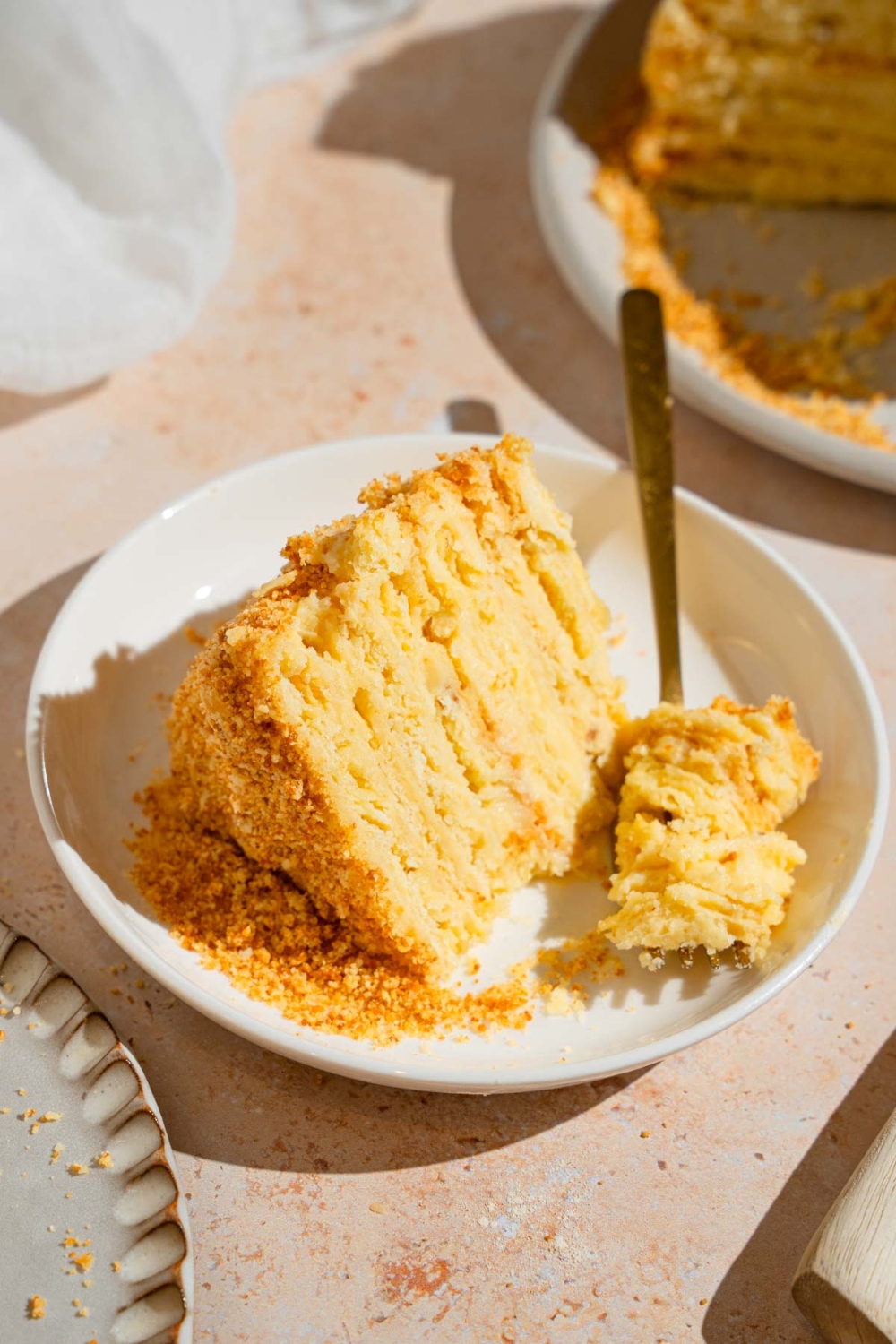
This Napoleon cake is elegant, nostalgic, and surprisingly doable at home. The flaky pastry, the smooth vanilla cream, the simple dusting of crumbs—it all comes together into a dessert that looks as impressive as it tastes. Whether you’re making it for a celebration or just want to try something special, this cake will absolutely steal the show. After you make this Napoleon pastry recipe, leave a review and comment below—I love hearing from you!
More Cake Recipes To Try
Napoleon Cake

Napoleon cake is a showstopping layered dessert made with delicate pastry and rich, creamy custard. Known for its tender, flaky texture and slightly sweet vanilla cream, this cake has roots in both French and Russian baking traditions. With buttery pastry layers and smooth pastry cream, this is the kind of cake that melts in your mouth and gets better as it rests, just like my ultra-popular Neiman Marcus cake and simple Milk Cake Milk Cake!
Ingredients
For the Dough:
- 5½ cups (690g) all-purpose flour
- 1¾ cups (400g) cold butter, cubed
- 2 large eggs
- 200ml ice water
- 1 tablespoon white vinegar
- ½ teaspoon salt
For the Cream:
- 6 egg yolks
- ⅓ cup (43g) cornstarch
- 3 cups (720ml) whole milk
- 1 cup (230g) butter
- ¾ cup + 2 tablespoons (175g) sugar
- 2 teaspoons vanilla extract
Instructions
Prepare the dough:
1. In a small bowl, whisk together the eggs, water, vinegar, and salt. Set aside.
2. In a food processor, combine flour, salt, and cold butter. Pulse until crumbly. Transfer to a large bowl, add the egg mixture, and mix until a dough forms. Knead on a lightly floured surface until smooth. Divide into 10–12 equal pieces, shape into balls, cover with plastic wrap, and refrigerate for 1 hour.
Make the pastry cream:
3. In a bowl, whisk egg yolks, sugar, and cornstarch until smooth. In a saucepan, heat milk until hot but not boiling.
4. Gradually pour the hot milk into the egg mixture while whisking constantly. Pour the mixture back into the saucepan and cook over medium-low heat, stirring, until thickened (about 7–8 minutes).
5. Remove from heat, stir in butter and vanilla until smooth. Cover with plastic wrap and let cool completely.
Bake the cake:
6. Preheat the oven to 375°F (190°C).
7. On parchment paper, roll each chilled dough ball into a very thin circle. Use an 8-inch (20 cm) cake ring or pan to trim each layer. Prick with a fork. Keep the dough scraps on the tray.
8. Bake layers for 10–12 minutes until lightly golden. Repeat for all layers (you can bake two at a time on one tray). Cool completely. Save the baked scraps for garnish.
Assemble the cake:
9. Place the first layer on a serving plate. Spread about 3 tablespoons of cream over it. Repeat the process until all layers are stacked. Cover the top and sides with the remaining cream.
10. Place the baked dough scraps in a food processor and blend into fine crumbs. Press the crumbs onto the top and sides of the cake.
11. Refrigerate the cake overnight before serving.
Nutrition Information:
Serving Size:
1 sliceAmount Per Serving: Calories: 517Total Fat: 33gSaturated Fat: 9gCholesterol: 120mgSodium: 205mgCarbohydrates: 45gFiber: 1gSugar: 15gProtein: 10g
Leave a Reply