


This gochujang mayo has a flavor that makes almost anything better. It’s creamy and rich from the Kewpie mayo, with a punch of heat from the gochujang, brightness from fresh lemon, and just enough honey to balance everything out. Best of all, it takes under 5 minutes and works on everything from burgers and sandwiches to grain bowls, fries, and grilled chicken.
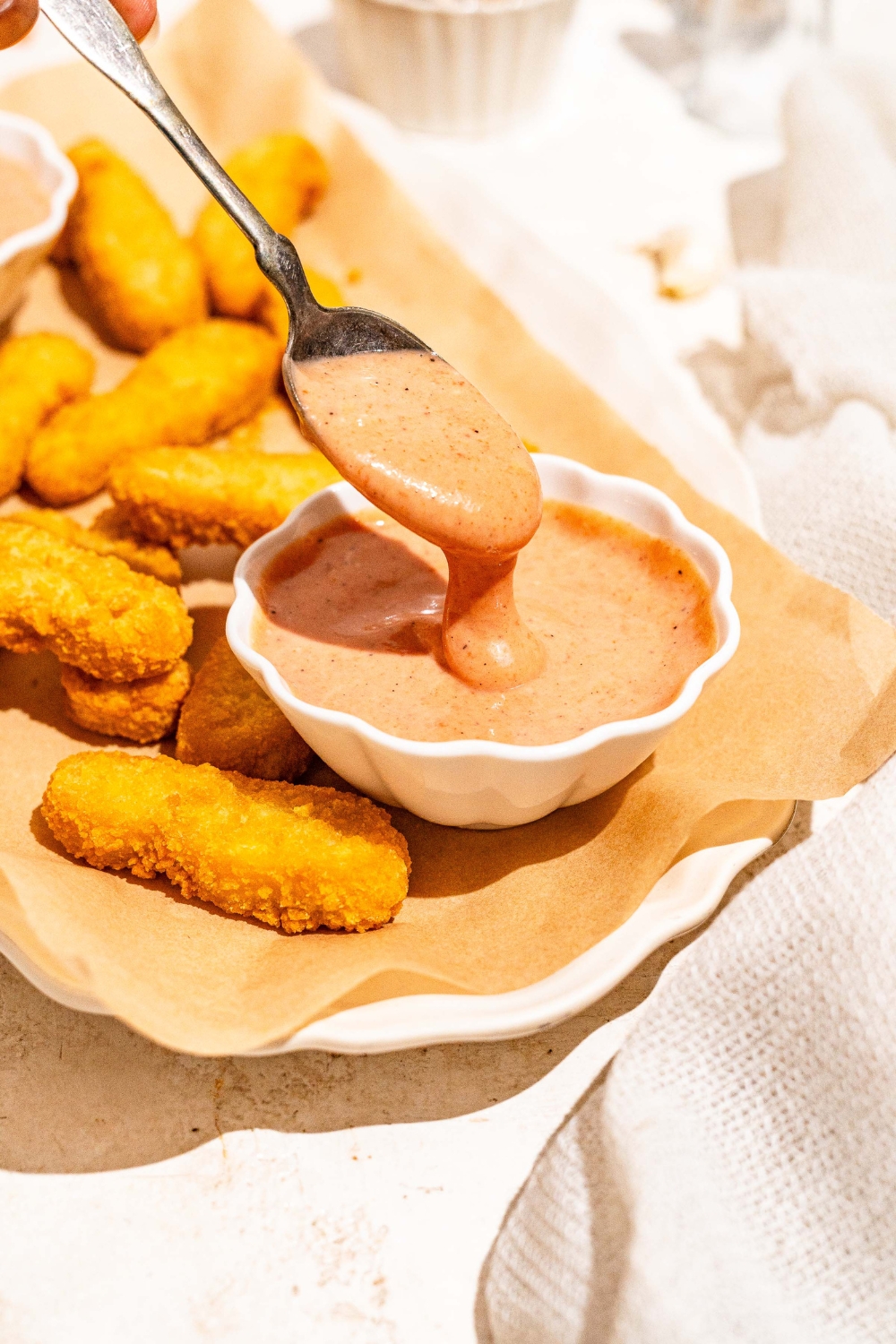
Table of Contents
Why You'll Love This Spicy Korean Mayo
I love classic spicy mayo, but gochujang gives this version much more depth than hot sauce alone. It adds a fermented, savory heat with a subtle sweetness that makes the sauce taste richer and more balanced.
After testing it a few ways, I found that Kewpie mayo makes the smoothest, creamiest base, and fresh lemon keeps the sauce from tasting too heavy. The buttermilk loosens it just enough for drizzling, and a small amount of honey rounds out the spice without making it overly sweet.
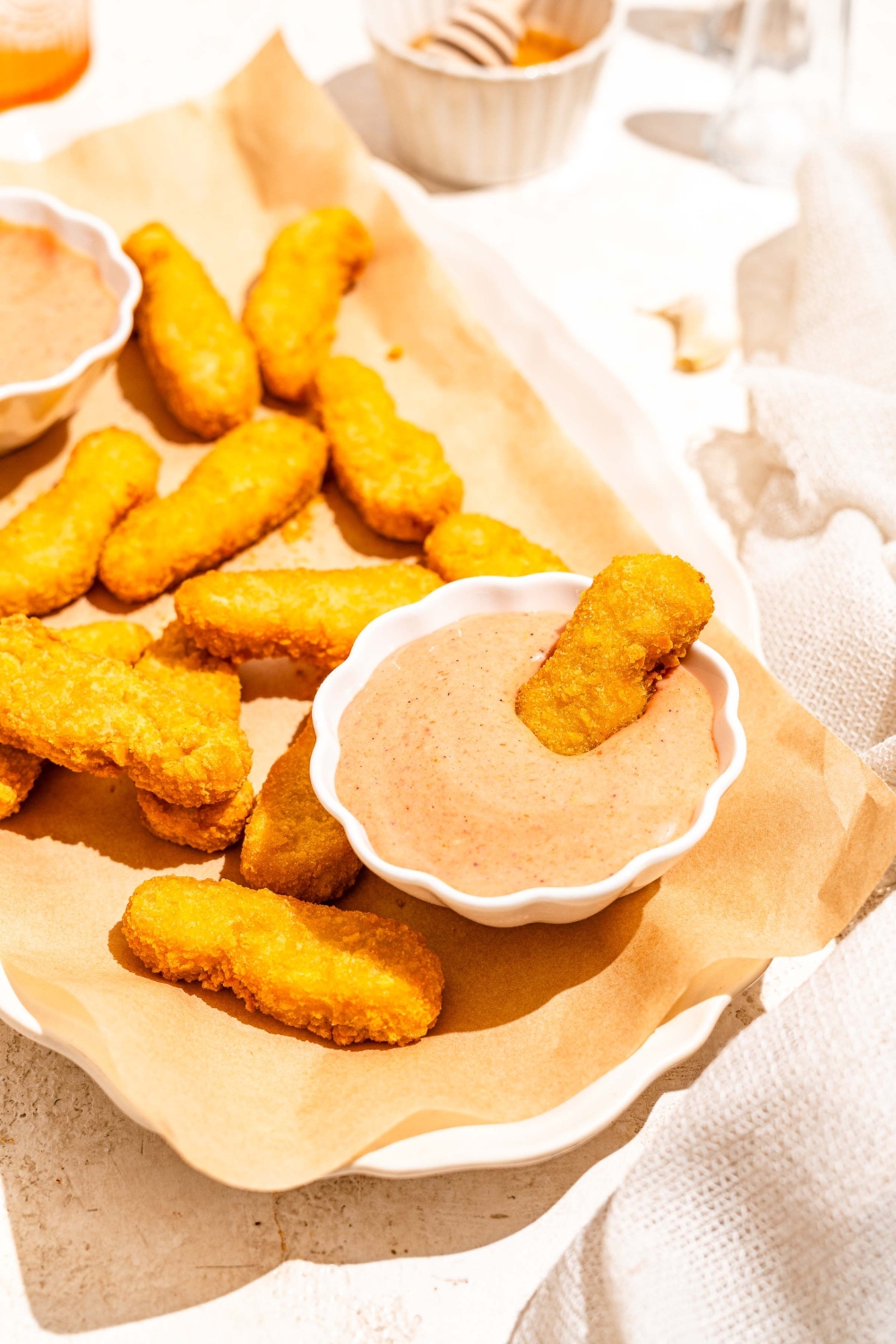
The result is a bold, versatile sauce that works on literally anything you're eating for dinner. If you like my yum yum sauce or orange sauce, this spicy garlic gochujang mayo is another easy one to keep in your fridge.
Ingredients for Gochujang Mayo
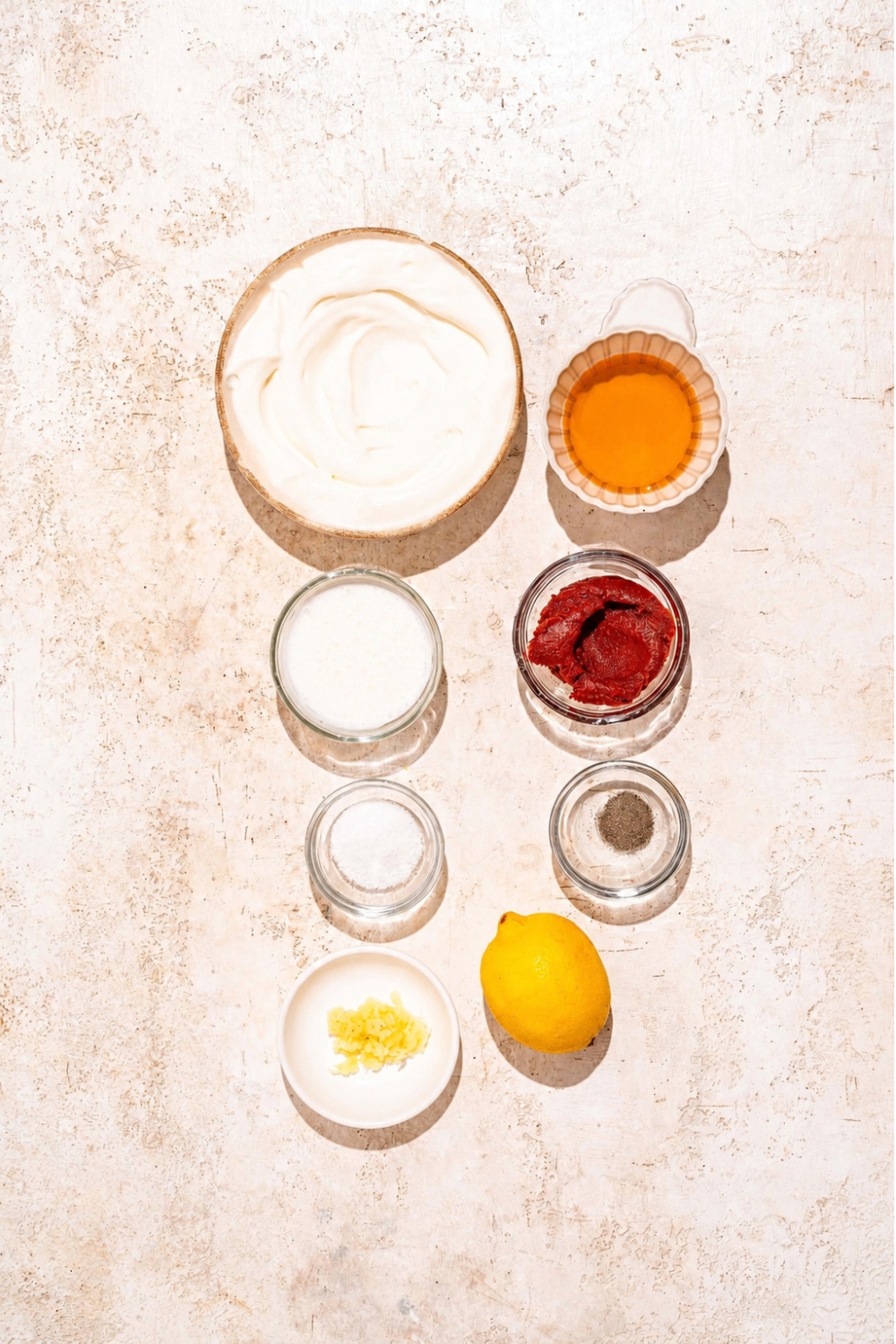
- ½ cup Kewpie mayo
- 1 to 2 tablespoon gochujang, to taste
- 1 tablespoon fresh lemon juice
- ½ teaspoon lemon zest
- 1 tablespoon buttermilk
- 1 to 2 small garlic cloves, finely grated
- 1 to 2 teaspoon honey
- Salt and black pepper, to taste
Ingredient Notes to Make This Korean Spicy Mayo Better
- Kewpie mayo: This gives the sauce a richer, smoother texture and slightly tangier flavor than regular mayonnaise. Standard mayo will work, but the sauce won’t taste quite as full or creamy.
- Gochujang: Brands vary quite a bit in heat and sweetness, so start with 1 tablespoon and add more after tasting. I like using enough to give the mayo a noticeable kick without overpowering the other flavors.
- Fresh lemon: Use both the juice and zest. The juice cuts through the richness, while the zest adds a fresher lemon flavor without thinning the sauce too much.
- Buttermilk: This loosens the mayo into a creamy, drizzling consistency while adding a little extra tang. Add it gradually if you prefer a thicker dipping sauce.
- Honey: Start with 1 teaspoon, then add more only if needed. Its job is to soften the heat and balance the gochujang, not make the sauce noticeably sweet.
- Garlic: Freshly grated garlic blends into the mayo more evenly than chopped garlic. One small clove gives the sauce a subtle bite, while two make the garlic flavor much more pronounced.
How to Make Gochujang Mayo
Step 1: Combine the Ingredients
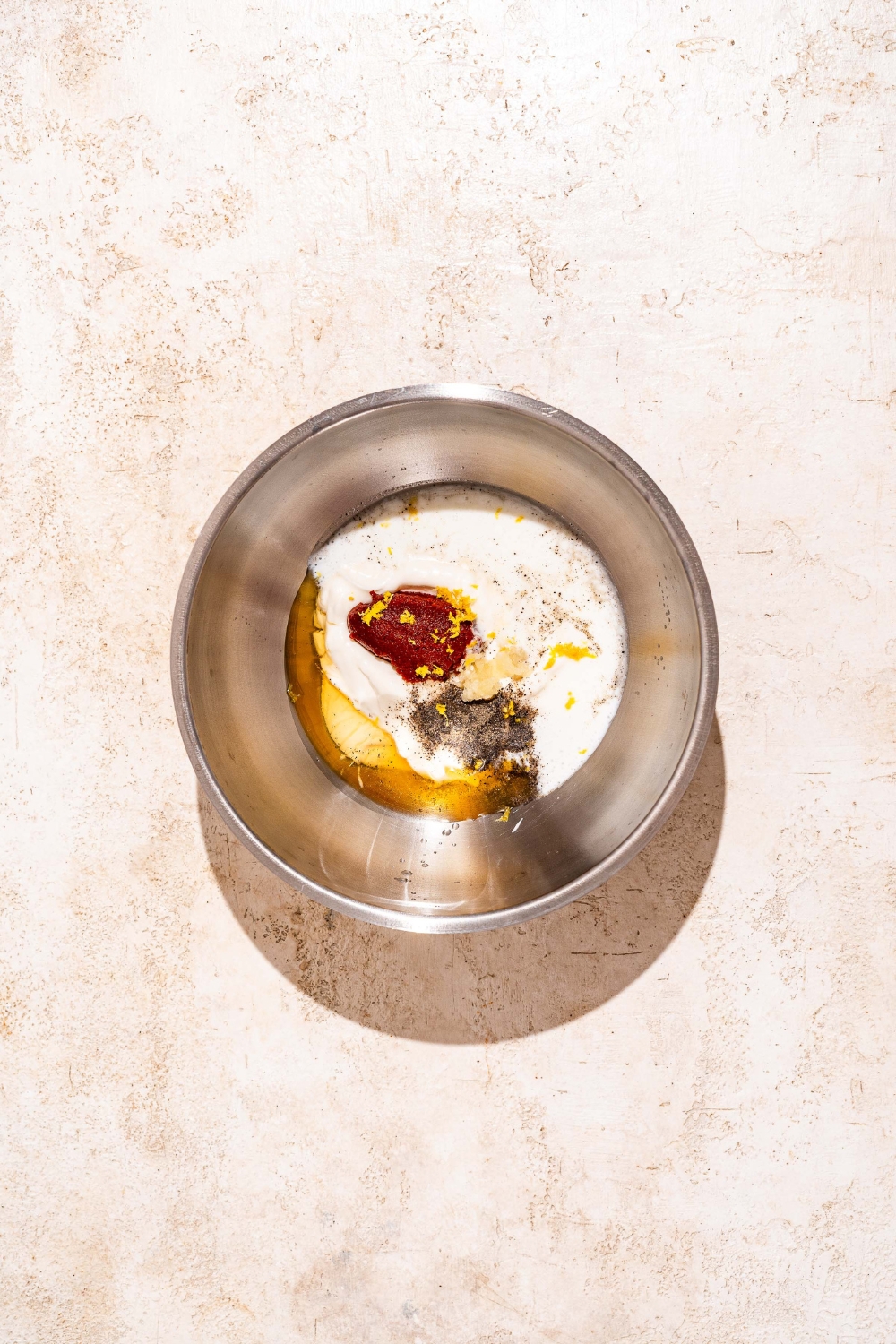
Add the Kewpie mayo, gochujang, fresh lemon juice, lemon zest, buttermilk, grated garlic, and honey to a medium bowl.
Step 2: Whisk Until Smooth
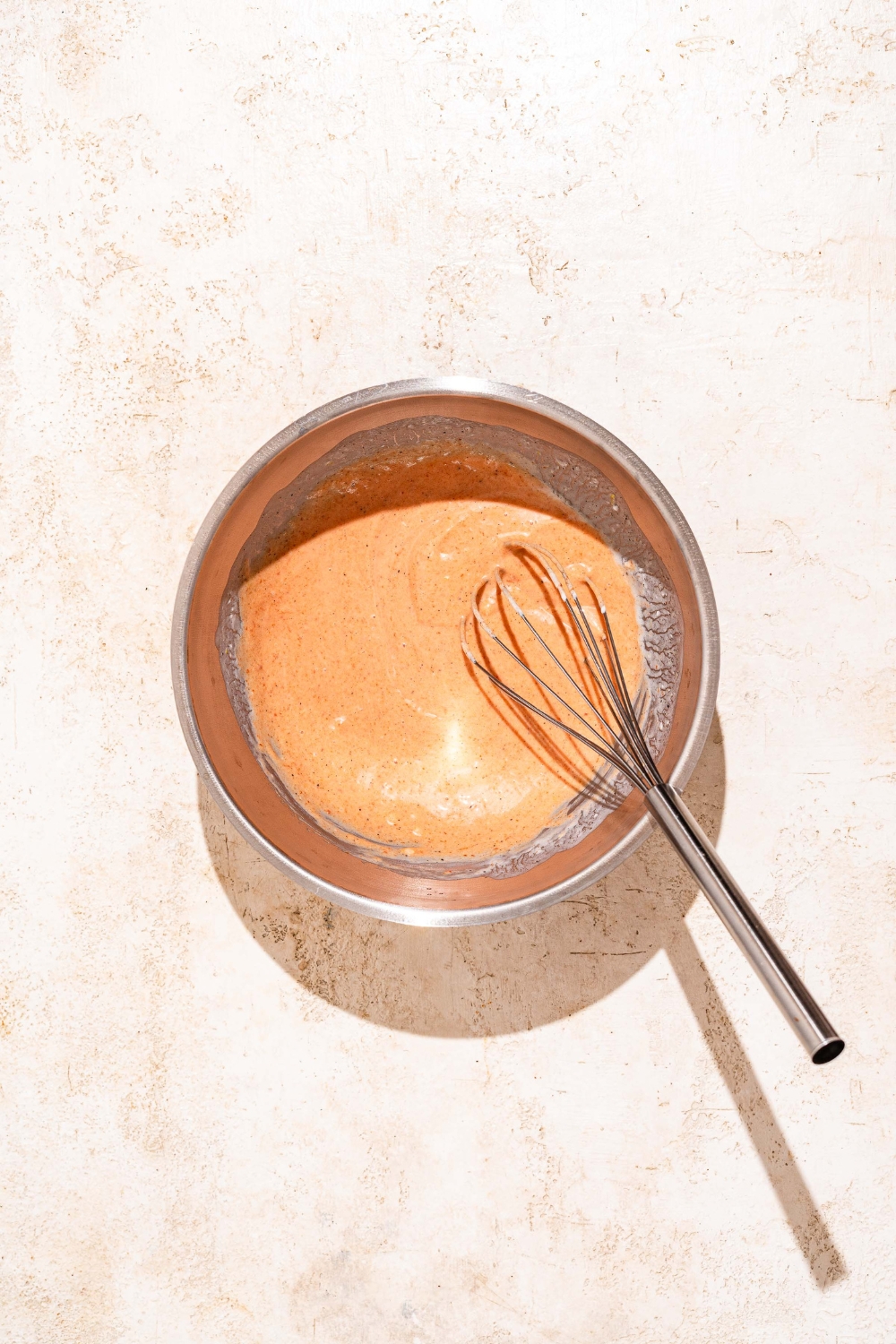
Whisk everything together until fully combined and smooth. The sauce should be creamy, slightly thin, and a deep reddish-orange color from the gochujang.
Step 3: Taste and Adjust
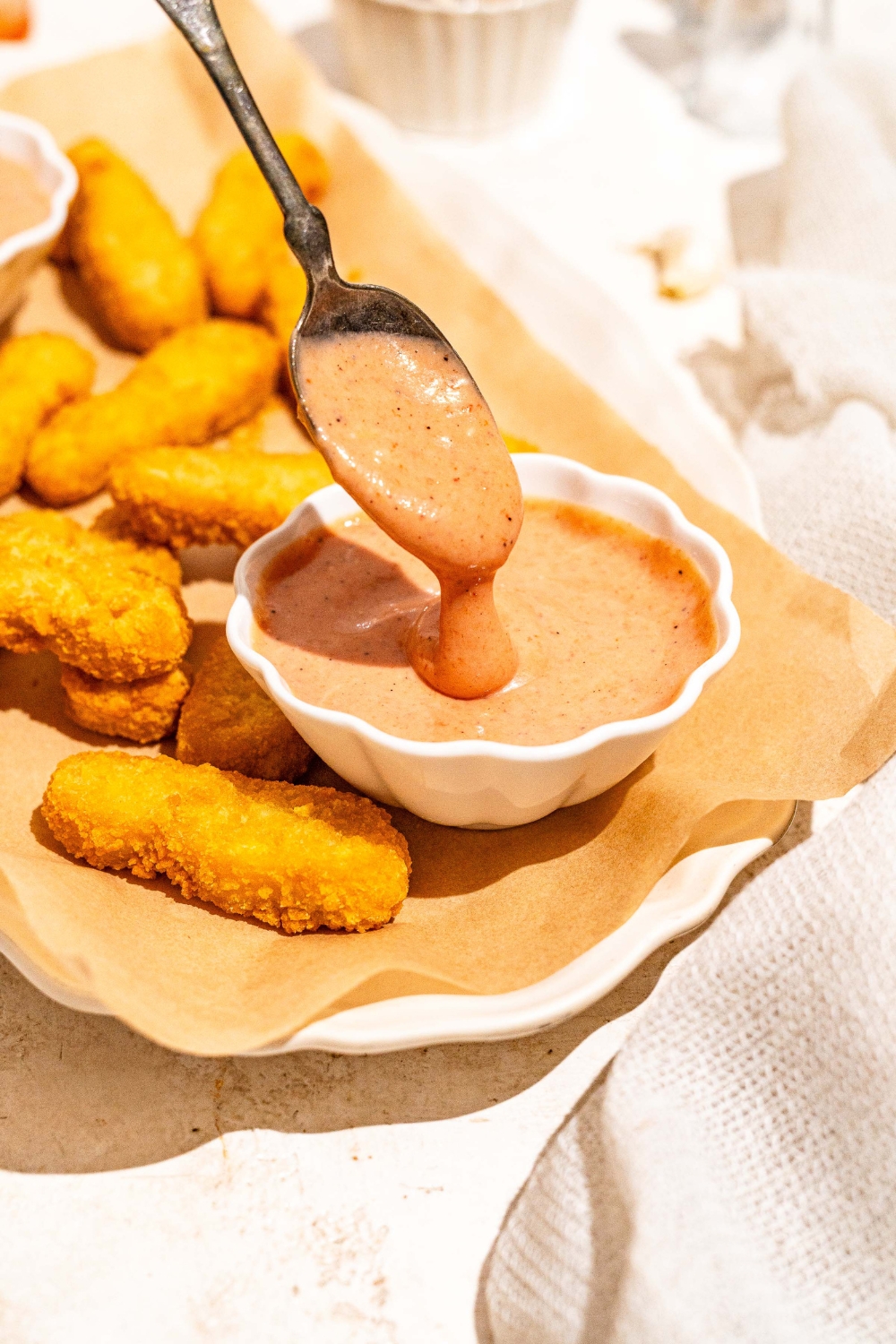
This is the most important step. Taste the sauce and adjust to your preference. Add more gochujang for extra heat, more honey if you want it sweeter, more lemon juice for brightness, or a small pinch of salt if it needs more depth.
Step 4: Refrigerate and Serve
Transfer to an airtight container and refrigerate until you're ready to use. The flavors develop and deepen as it sits, so it actually gets better after a few hours in the fridge.
My Pro Tips for the Best Gochujang Mayo
- Whisk until completely smooth. Gochujang is thick and can leave small streaks in the mayo. Keep whisking until the sauce is evenly colored and no pockets of paste remain.
- Add the salt last. Kewpie mayo and gochujang both contain salt, and the amount varies by brand. Taste the finished sauce before seasoning so it doesn’t end up overly salty.
- Adjust the consistency for how you’re serving it. Keep the sauce thick for burgers, sandwiches, and dipping fries. For rice bowls, tacos, or grilled meats, whisk in a small splash of buttermilk until it’s thin enough to drizzle.
- Let the sauce rest before serving. Refrigerating it for at least 30 minutes gives the garlic time to mellow and helps the spicy, sweet, and tangy flavors blend together.
- Taste it with the food you’re serving. The sauce may taste intense on its own but more balanced once it’s paired with fries, chicken, or rice. Make your final adjustments after trying a small amount with the actual dish.
- Stir it again after chilling. The sauce thickens slightly in the refrigerator, so give it a good stir before serving. Add a few drops of buttermilk or lemon juice if it needs loosening.
Ways to Use Gochujang Mayo
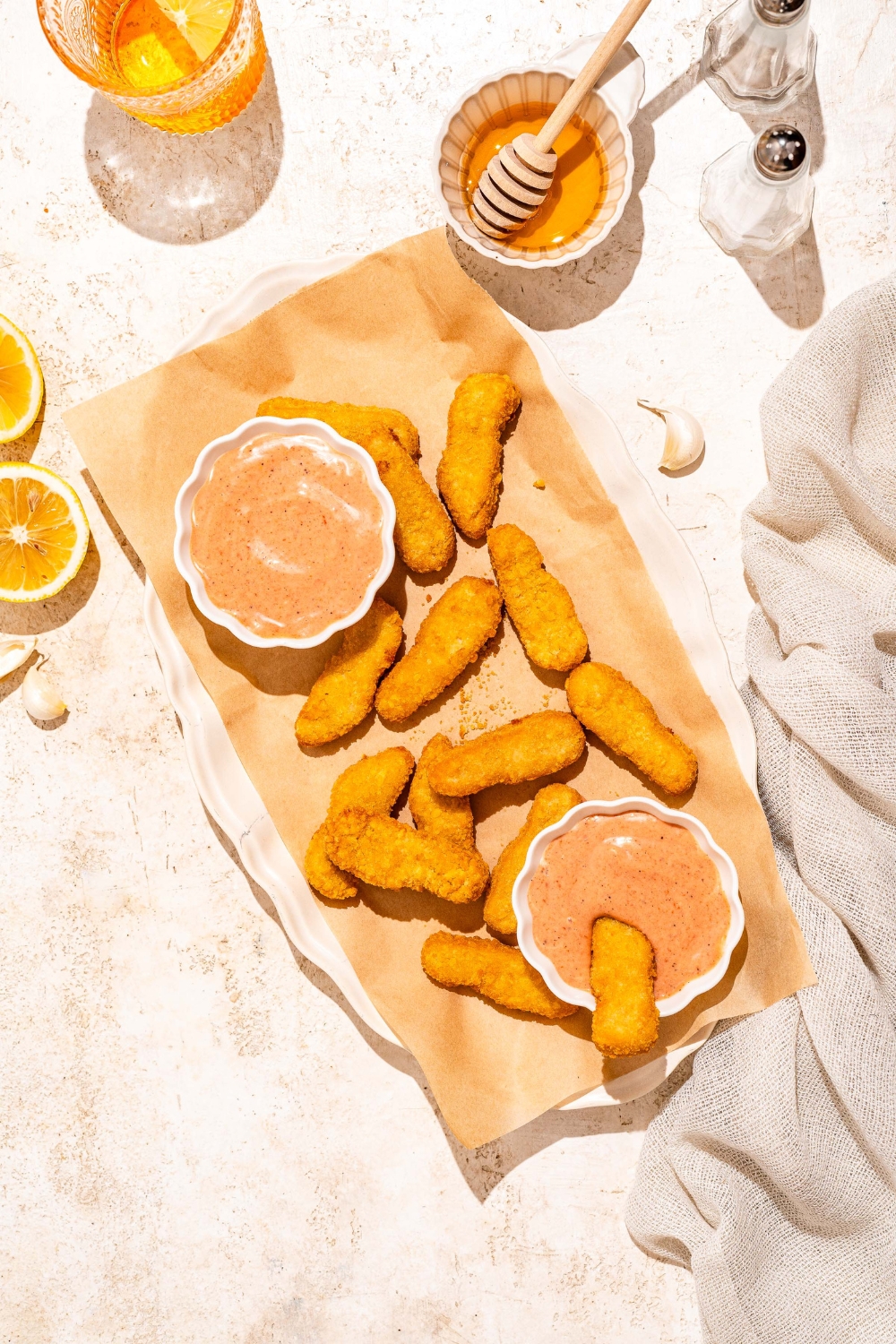
This sauce works anywhere you’d normally use spicy mayo, but these are my favorite ways to serve it:
- Korean fried chicken and chicken sandwiches: Spread it on a crispy chicken sandwich, drizzle it over Korean fried chicken, or serve it as a dip for chicken tenders and wings. I love it with these Asian zing wings.
- French fries and sweet potato fries: Use it as a dipping sauce for fries, tater tots, onion rings, or roasted potatoes.
- Burgers: Spread it directly on the bun for beef, chicken, turkey, or salmon burgers. It’s especially good with pickles, slaw, and caramelized onions.
- Rice bowls and bibimbap: Drizzle it over chicken, beef, shrimp, or tofu. The creamy sauce works especially well with rice, cucumbers, avocado, and kimchi.
- Salmon: Spoon it over baked or air-fried salmon, use it as a finishing sauce for salmon bowls, or spread a thin layer over the fish before broiling.
- Sushi, poke, and sushi bowls: Use it in place of traditional spicy mayo on salmon poke, tuna bowls, sushi rolls, or crispy rice.
- Tacos and wraps: Drizzle it over Korean beef tacos, shrimp tacos, chicken wraps, or lettuce wraps.
- Dumplings and spring rolls: Serve it on the side as a creamy dipping sauce for dumplings, egg rolls, spring rolls, or wontons.
- Roasted vegetables: Add it to roasted broccoli, cauliflower, Brussels sprouts, cabbage, or sweet potatoes just before serving.
How to Store Homemade Gochujang Mayo
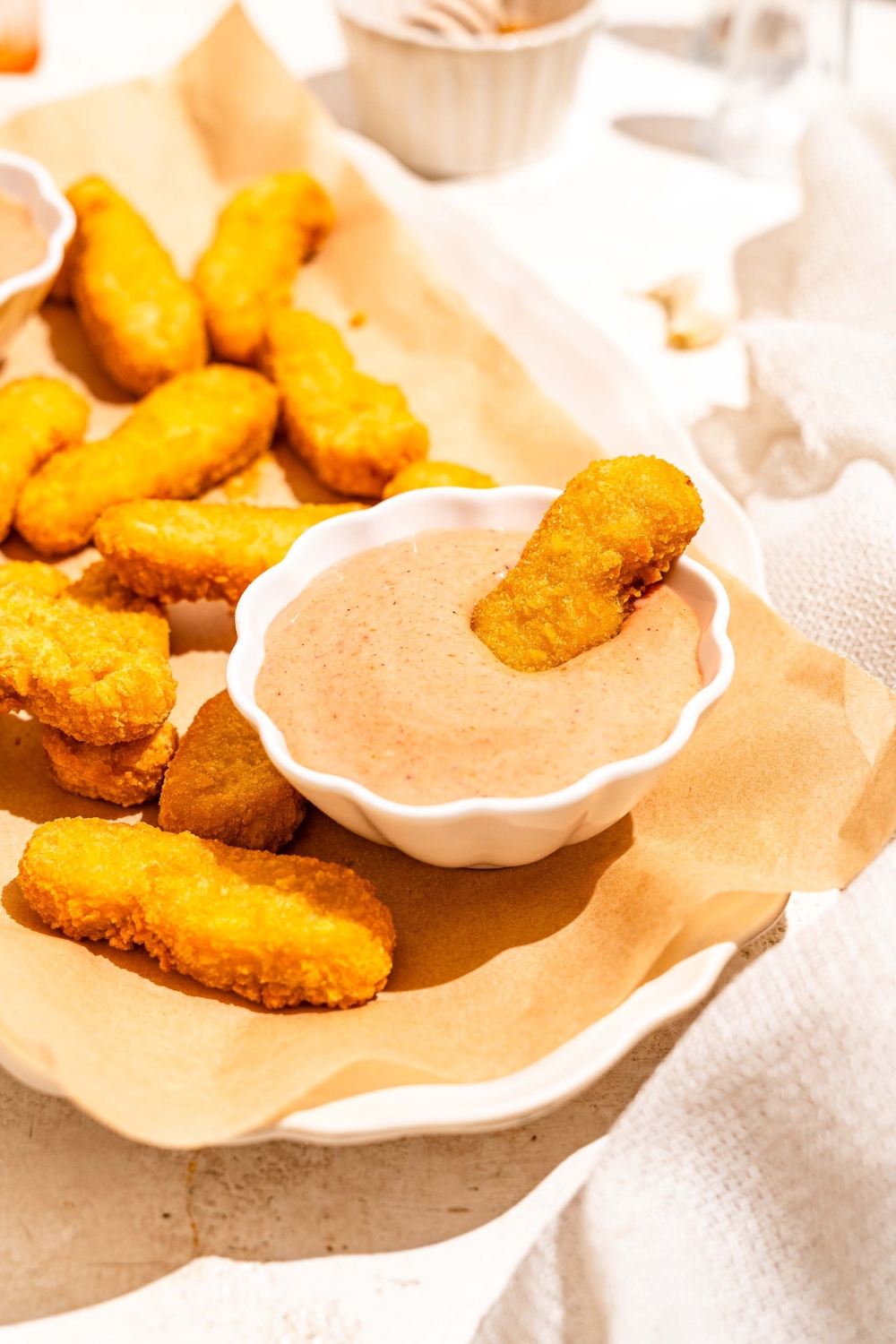
Store the gochujang mayo in a clean, airtight container in the refrigerator for up to 1 week. I think it tastes even better after chilling for a few hours because the garlic mellows and the spicy, sweet, and tangy flavors have time to come together.
Give the sauce a good stir before serving, especially if it has thickened or separated slightly. Don’t leave it at room temperature for more than 2 hours, and discard it if the smell, color, or texture changes.
I don’t recommend freezing it because the mayo and buttermilk can separate as they thaw, leaving the sauce watery or grainy.
Gochujang Mayo FAQs
What is gochujang mayo?
Gochujang mayo is a creamy Korean-inspired sauce made by combining mayonnaise with gochujang, a fermented Korean chili paste. It has a spicy, slightly sweet, and savory flavor that’s more complex than mayo mixed with a standard hot sauce.
Is gochujang mayo the same as spicy mayo?
Gochujang mayo is a type of spicy mayo, but it isn’t the same as the sriracha mayo commonly served with sushi. Gochujang gives the sauce a deeper fermented flavor, more sweetness, and a thicker consistency, while sriracha tastes sharper and more vinegary.
How spicy is gochujang mayo?
This recipe has a mild to medium heat when made with 1 tablespoon of gochujang. Using 2 tablespoons creates a stronger kick, but the mayo, honey, lemon, and buttermilk keep the spice balanced. Since gochujang brands vary in heat, taste the sauce before adding the full amount.
Can I use gochujang sauce instead of gochujang paste?
Gochujang paste is the best choice for this recipe. Bottled gochujang sauce is usually thinner and may already contain vinegar, sweeteners, soy sauce, or sesame oil, so it can make the mayo runnier and change the flavor. If it’s all you have, add a small amount at a time and reduce the buttermilk as needed.
What can I substitute for gochujang?
Sriracha can work, but the finished sauce will taste more like traditional spicy mayo. It won’t have the same fermented, savory depth or subtle sweetness that gochujang provides.
Is gochujang mayo gluten-free?
Not always. Some brands of gochujang contain wheat or other gluten-containing ingredients, while others are specifically labeled gluten-free. Check the label on your gochujang and the other packaged ingredients if you need the finished sauce to be gluten-free.
Does gochujang mayo contain dairy?
This particular gochujang mayo contains dairy because it’s made with buttermilk. The mayonnaise itself isn’t a dairy product, but anyone avoiding dairy will need to replace the buttermilk with a dairy-free alternative or leave it out for a thicker sauce.
More Sauce Recipes to Try
- Japanese BBQ Sauce
- Vietnamese Peanut Sauce
- Peri Peri Sauce
- Hibachi Ginger Sauce
- Creamy Chipotle Sauce
Gochujang Mayo

This gochujang mayo has a flavor that makes almost anything better. It’s creamy and rich from the Kewpie mayo, with a punch of heat from the gochujang, brightness from fresh lemon, and just enough honey to balance everything out. Best of all, it takes under 5 minutes and works on everything from burgers and sandwiches to grain bowls, fries, and grilled chicken.
Ingredients
- ½ cup Kewpie mayo
- 1–2 tablespoon gochujang, to taste
- 1 tablespoon fresh lemon juice
- ½ teaspoon lemon zest
- 1 tablespoon buttermilk
- 1–2 small garlic cloves, finely grated
- 1–2 teaspoon honey
- Salt and black pepper, to taste
Instructions
1. Add all the ingredients to a medium bowl and whisk until smooth and fully combined.
2. Taste and adjust the seasoning as needed, adding more gochujang for extra heat, honey for sweetness, or lemon juice for more brightness.
3. Transfer to an airtight container and refrigerate until ready to use. The sauce will keep in the refrigerator for up to 1 week.
Notes
- Use Kewpie mayo for the richest, most flavorful result.
- Start with 1 tablespoon gochujang and build up to taste.
- Finely grate the garlic for the smoothest sauce.
- Tastes even better after resting overnight in the fridge.
- Keeps refrigerated for up to 2 weeks.
Nutrition Information:
Yield:
6Serving Size:
1Amount Per Serving: Calories: 143Total Fat: 16gSaturated Fat: 2gUnsaturated Fat: 13gCholesterol: 9mgSodium: 135mgCarbohydrates: 0gFiber: 0gSugar: 0gProtein: 0g
Leave a Reply