


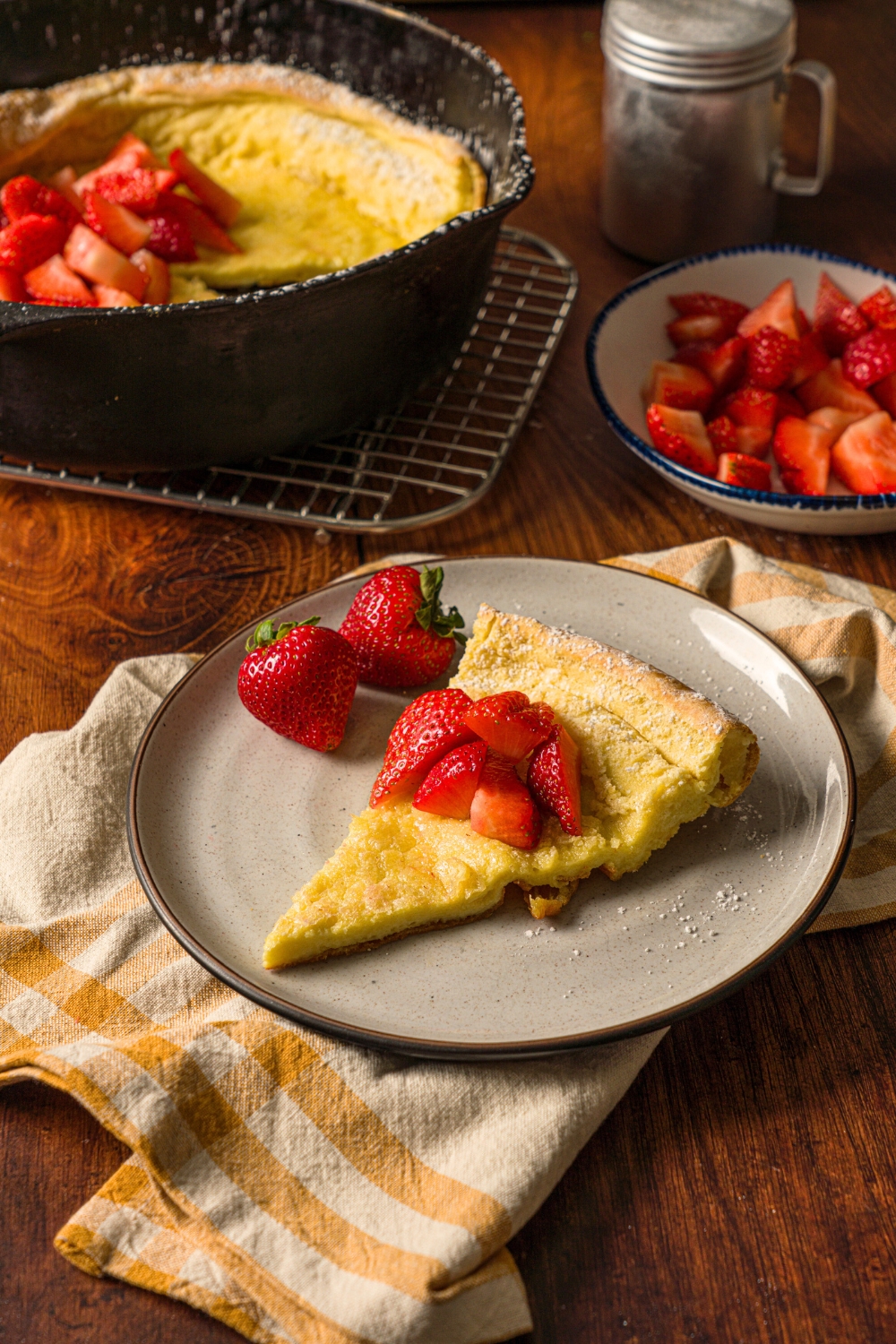
These Dutch baby pancakes (also known as German Pancakes) are light, puffy, buttery, and way easier than they look. You whisk together a simple batter in just a few minutes, pour it into a hot buttery pan, and let the oven do all the work. As it bakes, it rises fluffy and golden around the edges with a soft, custardy center that’s almost like a cross between a pancake and a popover. It’s the perfect base for powdered sugar, fresh strawberries, berries, lemon, or warm maple syrup, and it’s one of my favorite “wow” breakfasts to make with just a handful of basic ingredients.
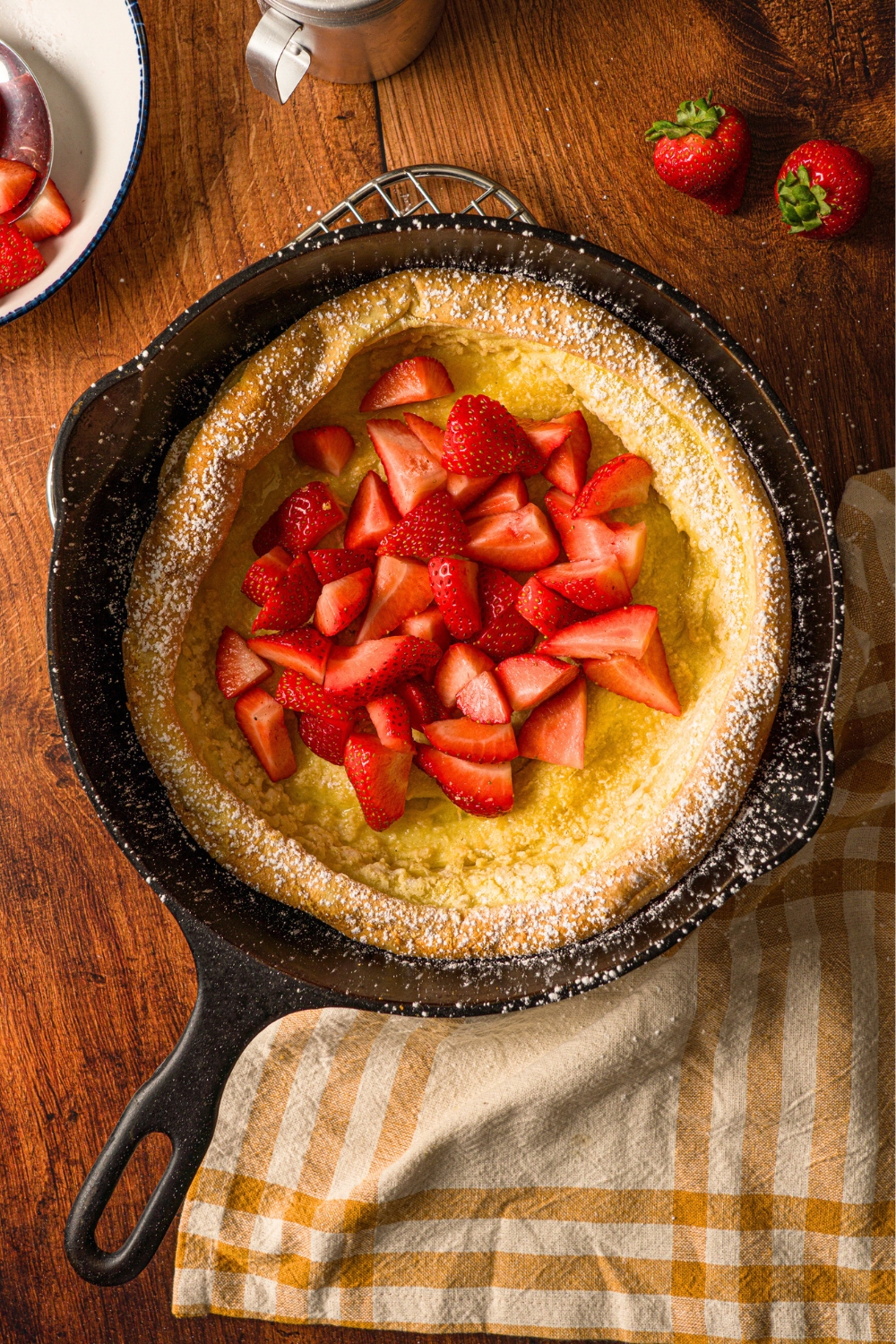
Table of Contents
Why I Love This Dutch Baby Recipe
There’s a breakfast spot near me called The Pancake House that I’ve been going to since I was a kid, and I still go there to this day. Growing up, I’d go with my mom and grandma, and they would always order the Dutch baby. It would come out of the kitchen puffed, fluffy, and piled with fresh fruit. It was too out of the ordinary for me as a kid, and I would just order classic buttermilk pancakes. Last time I went there, my wife and I split a Dutch baby, and I finally got it. It’s like no other “pancake” I’ve ever had. It's light and airy on the edges, custardy in the middle, and so buttery.
In honor of my mom and grandma, I wanted to create a Dutch baby pancakes recipe I could make at home anytime. After a lot of trial and error testing different flour ratios, oven temps, and pan sizes, this is the version I landed on, and it’s perfect every time. I love this recipe because it’s a true “set it and forget it” breakfast that still feels special. You melt the butter right in the cast iron skillet, pour in the simple eggy batter, and let it puff into a golden, cloud-like Dutch baby in the oven.
This German pancake recipe is ideal for weekend mornings, brunch with guests, or any time you want a fun, impressive breakfast or brunch recipe that looks like you worked way harder than you actually did.
Don't just take my word for it though, a recent reader made it and here's what they had to say about this Dutch baby recipe:
Made this Dutch baby recipe for a family brunch we hosted this weekend, it was 11/10 good!! We'll be making it again for our Christmas brunch in a few weeks. -Emily S.
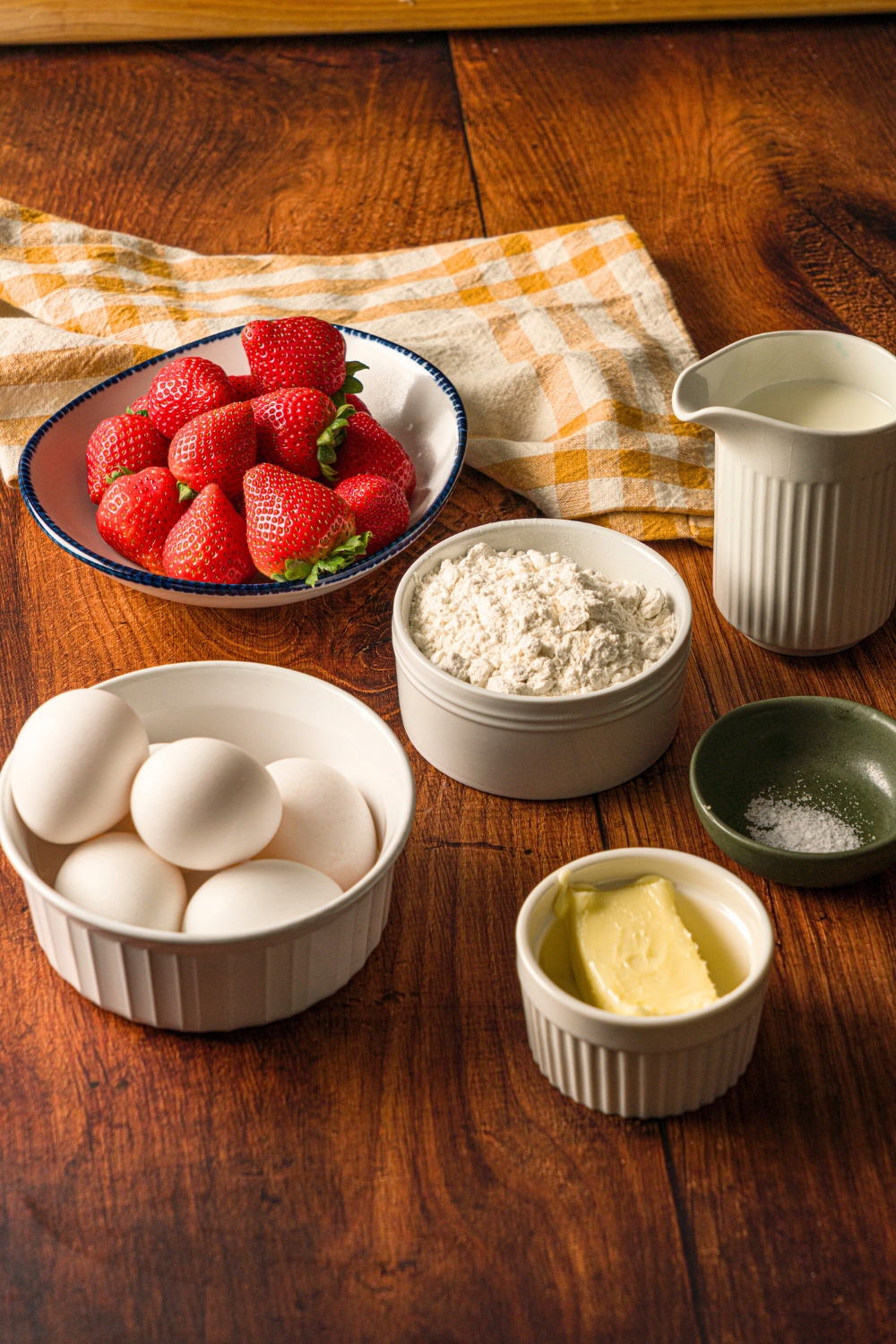
Ingredients You’ll Need
- ¼ cup butter
- 1 cup all-purpose flour
- 1 cup milk
- 6 eggs, lightly beaten
- ⅛ teaspoon salt
How To Make Dutch Baby Pancakes
Step 1: Preheat
Preheat your oven to 350°F (175°C). Place a Dutch oven or a large cast iron skillet in the oven with the butter inside. Let the butter melt completely while the pan heats up. This helps the pancake puff and gives you those crisp, buttery edges.
Step 2: Make the Batter
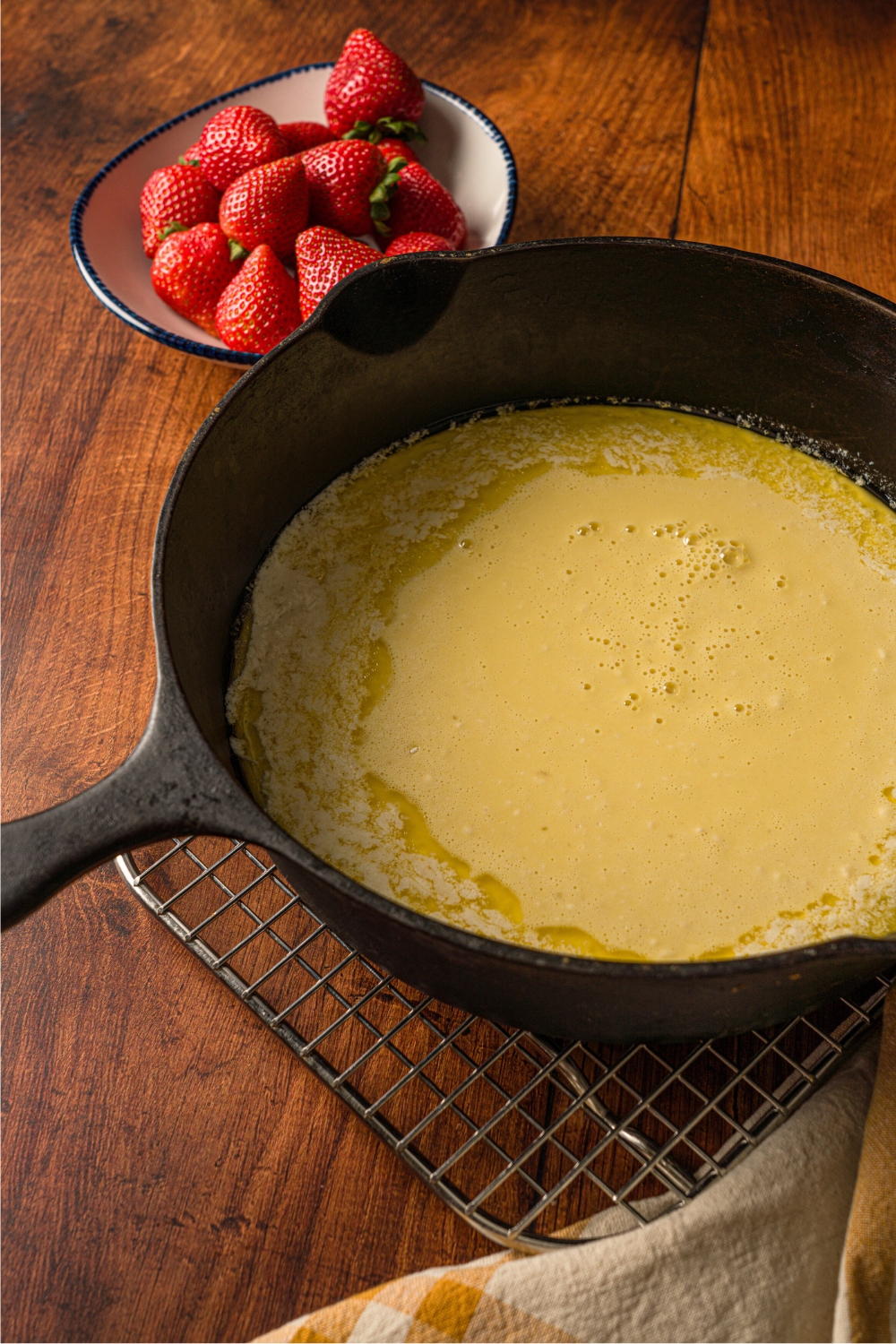
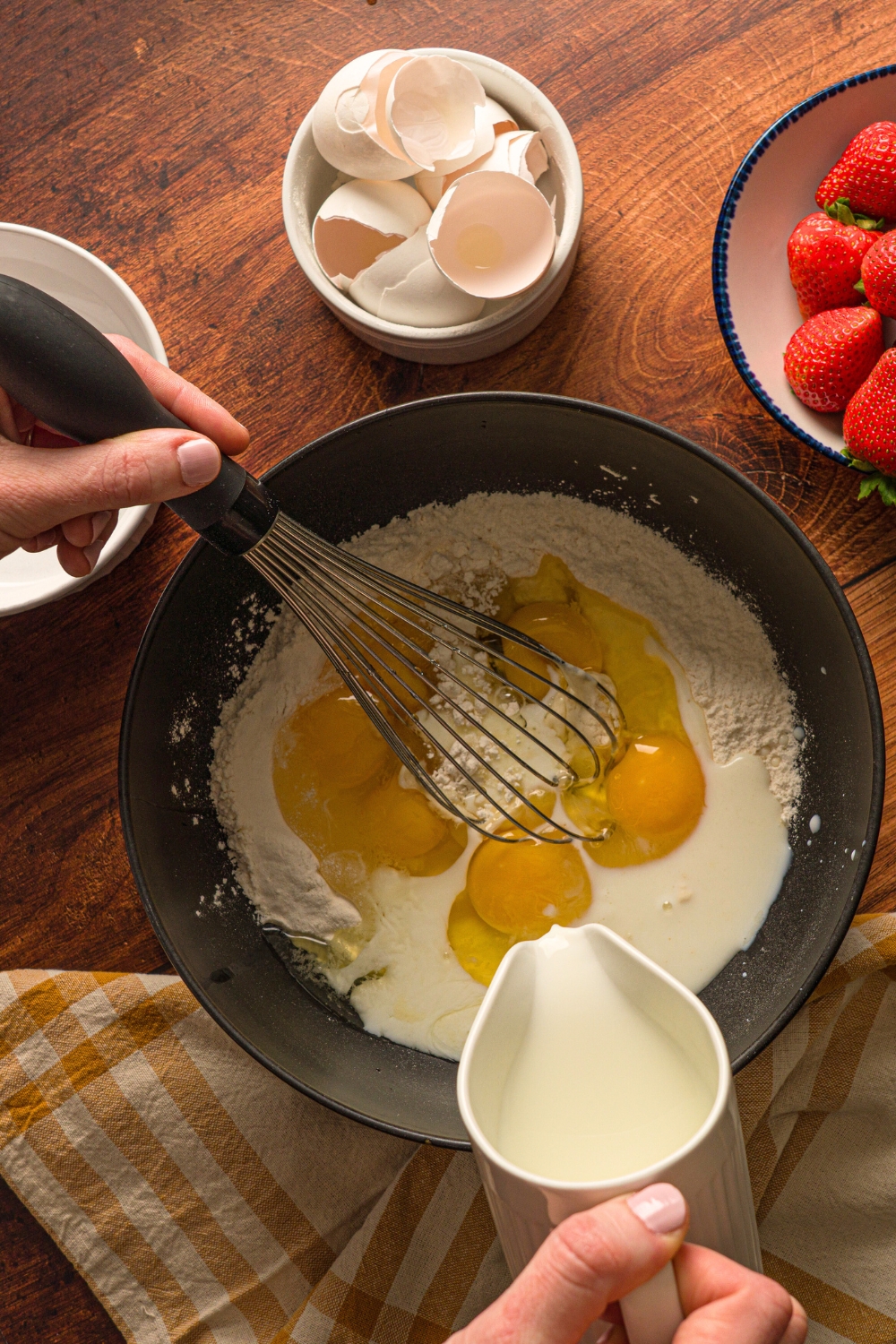
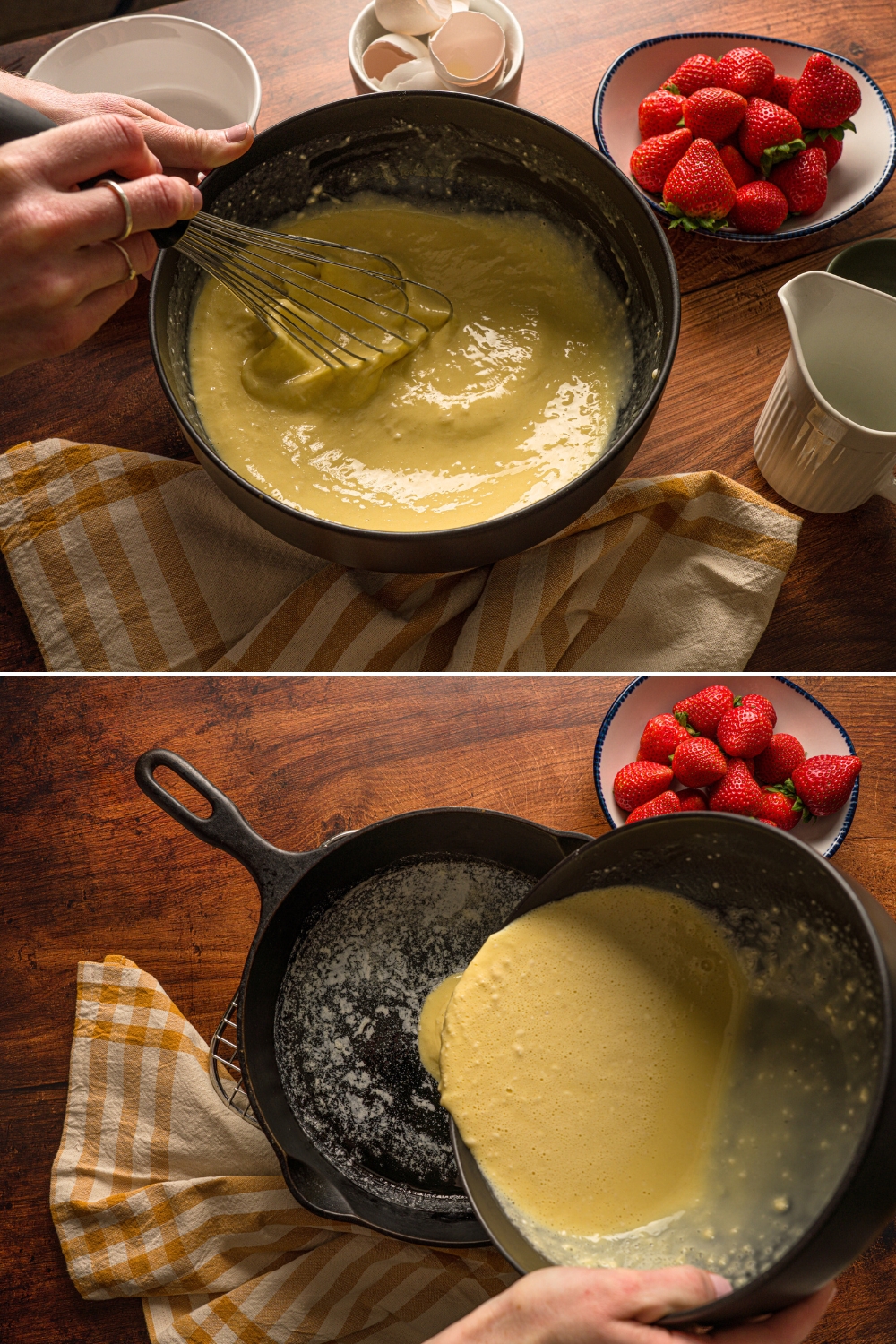
In a medium bowl, whisk together the eggs and milk until smooth and well combined. Add the flour and salt and whisk again until the batter is mostly smooth with no big lumps. The batter will be fairly thin, but that’s what you want for a puffy German pancake.
Step 3: Add the Batter to the Pan
Carefully remove the hot pan from the oven with an oven mitt (the butter should be melted and slightly sizzling). Swirl the butter to coat the bottom and sides of the pan, then immediately pour in the batter. Do this fairly quickly so the pan stays hot.
Step 4: Bake
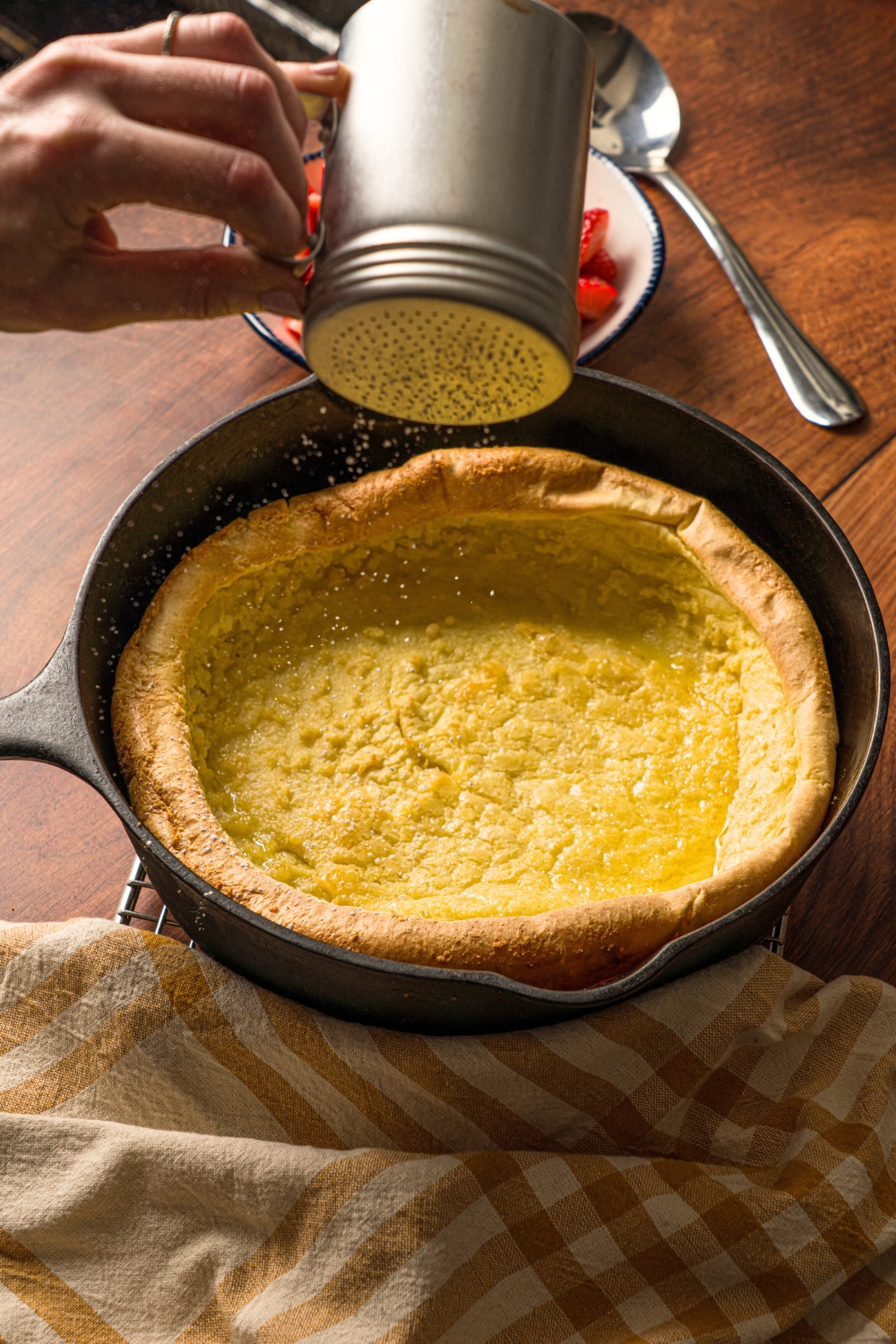
Return the pan to the oven and bake for 35–40 minutes, or until the German pancake is puffed up around the edges and deep golden brown. The center will be set but still a little soft.
Step 5: Serve
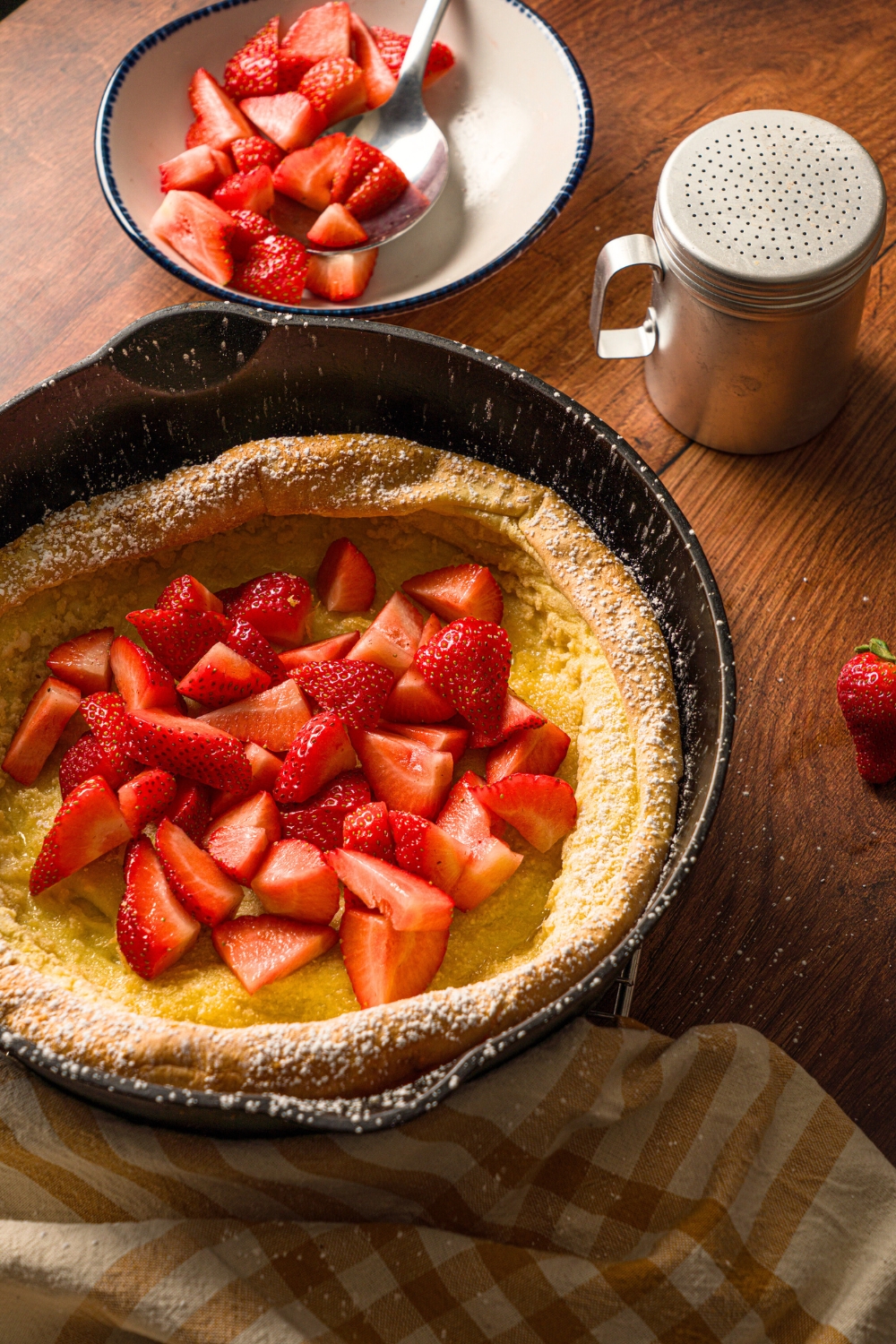
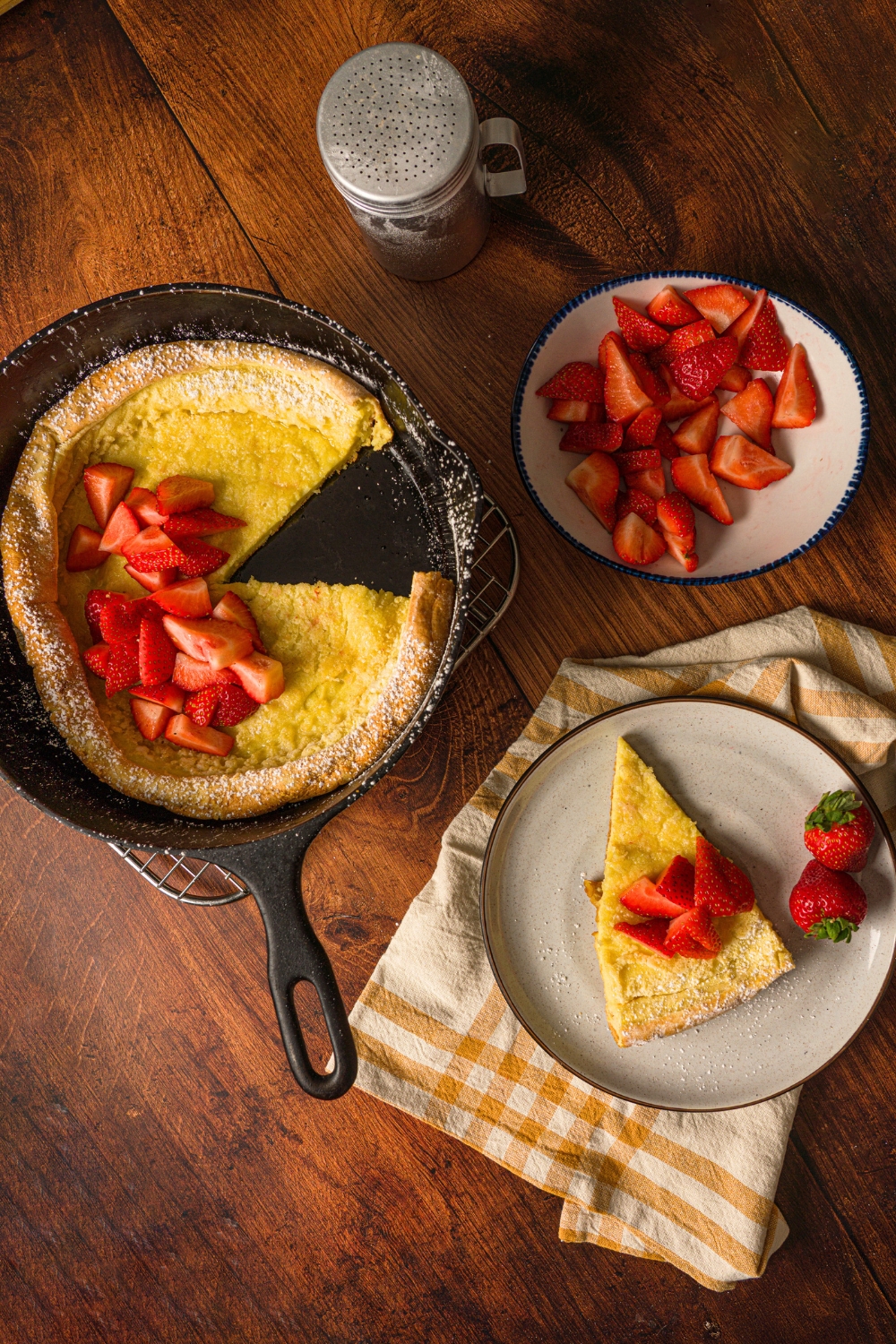
Remove the Dutch baby from the oven and let it sit for a minute. It will deflate slightly as it cools. Dust generously with powdered sugar and top with fresh strawberries (or your favorite fruit) if you’d like. Slice and serve right away while it’s warm.
Expert Tips for The Best Dutch Baby Pancakes
- Use room temperature eggs and milk. Cold ingredients can shock the hot pan and make it harder for your German pancake to puff properly. Let the eggs and milk sit out for 20–30 minutes before you start, or briefly warm the milk in the microwave until it’s just slightly warm (not hot). Room temperature batter rises more evenly and gives you better lift.
- Don’t overmix the batter. You want a smooth batter, but you don’t need it whisked within an inch of its life. Whisk just until the flour is incorporated and there are no big lumps left. Overmixing can develop too much gluten in the flour, which can make your Dutch baby a little dense and chewy instead of light and custardy. A few tiny lumps are totally fine.
- Use a cast iron or heavy oven-safe pan. A well-heated cast iron skillet or heavy Dutch oven is key for that dramatic puff. These pans retain and distribute heat really well, which helps the butter sizzle and the batter puff up around the edges instead of baking flat. A thinner pan will still work, but you won’t get quite the same height or crisp edges.
- Preheat the pan and butter until hot and sizzling. Don’t rush this step. Place the pan with the butter in the oven while it preheats, and let the butter fully melt and start to sizzle and foam. You want the pan very hot when you pour in the batter. This immediate blast of heat is what makes the Dutch baby rise quickly and creates those crisp, browned edges. If the butter is just barely melted and the pan isn’t hot enough, the pancake won’t puff as much.
- Pour the batter into the pan quickly. When the pan is hot and the butter is bubbling, carefully pull it out of the oven, swirl the butter to coat the sides, and pour in the batter right away. Try to move quickly so the pan doesn’t lose too much heat. Then get it straight back into the oven. That combo of hot pan and quick bake is what gives you that classic Dutch baby dome.
- Avoid opening the oven while it bakes. It’s tempting to peek, but opening the oven door too early can let out heat and cause your fluffy pancake to deflate before it’s fully set. Use the oven light instead and check it through the window. Wait until it’s puffed and deep golden around the edges before you open the door.
- Serve immediately for maximum puff. German pancakes start to deflate as soon as they come out of the oven—that’s totally normal. For the most dramatic presentation, have your toppings ready and bring it to the table right away. Slice it while it’s still hot, with the edges tall and crisp and the center soft and custardy.
- Scale the recipe for different pan sizes. This recipe works great in a 10–12-inch cast-iron pan. If you’re using a smaller pan, the pancake will be thicker and may need an extra few minutes to bake through. For a larger pan, you can 1.5x the batter so it doesn’t bake up too thin. Just keep an eye on it near the end of the baking time and look for those golden, puffed edges as your doneness cue.
Dutch Baby Topping Ideas
- Classic Lemon & Powdered Sugar: Dust the warm pancake generously with powdered sugar and finish with a squeeze of fresh lemon juice. It cuts through the richness and gives that classic Dutch baby flavor.
- Fresh Berries & Whipped Cream: Top with a mix of strawberries, blueberries, raspberries, or blackberries and a big dollop of freshly whipped cream. This is perfect for brunch and makes the pancake feel light and dessert-like at the same time.
- Cinnamon Sugar & Sautéed Apples: For a cozy fall twist, toss sliced apples in butter, cinnamon, and a little brown sugar, then cook until soft and caramelized. Pile them onto the pancake and sprinkle with extra cinnamon sugar. It’s basically apple pie meets Dutch baby.
- Bananas & Nutella: Layer sliced bananas over the pancake and drizzle with warmed Nutella. You can add a little whipped cream or chopped hazelnuts on top if you want extra texture.
- Maple Syrup & Butter: Keep it simple with warm maple syrup and a pat of butter that melts into all the little pockets. This is great if you want something familiar but still a step up from regular pancakes.
- Cinnamon Sugar Straight from the Oven: As soon as the pancake comes out of the oven, brush the top lightly with melted butter and sprinkle with cinnamon sugar. It sticks to the hot surface and gives you a churro-style crust.
- Savory Dutch Baby: Skip the sweet toppings and go savory. After baking, top with shredded cheese, thinly sliced ham, crispy bacon, or sautéed mushrooms and herbs. You can also add a fried egg on top and serve it as a brunch-for-dinner option.
Dutch Baby FAQs
Can I make a Dutch baby without a cast iron skillet?
Yes. Any heavy, oven-safe pan or baking dish can work. A metal cake pan, pie dish, or 9×13 baking dish are all good options. Just make sure to preheat the pan with the butter so it’s hot and coated when you add the batter. If your pan is thinner, keep an eye on the edges so they don’t brown too quickly. Just keep in mind that cast iron holds heat better, so the pancake usually gets a bit taller and crispier around the edges in a skillet.
Can I blend the batter instead of whisking?
Absolutely. Blending the batter in a blender (or using an immersion blender) is actually one of the easiest ways to make a super smooth Dutch baby batter. It helps fully incorporate the eggs, milk, and flour, and can give you a really nice rise. Just be careful not to over-blend for several minutes (30–45 seconds is plenty).
Why didn’t my Dutch baby puff up?
There are a few common reasons a Dutch baby doesn’t rise much:
- Cold ingredients: Using very cold eggs and milk can keep the batter from puffing properly. Room temperature ingredients rise better.
- The pan is not hot enough: The pan and butter should be very hot and sizzling when you pour in the batter. If the pan isn’t preheated long enough, you won’t get that dramatic rise.
- Overmixing or incorrect ratios: Overmixing can make the pancake a bit dense, and using too much flour relative to the eggs and milk can weigh it down.
- Oven door opened too early: Opening the oven before the pancake is mostly set can let out heat and cause it to deflate.
If yours doesn’t puff much the first time, don’t stress—it will still taste great, and you can adjust your pan preheat and ingredient temperature next time.
How long do leftovers last and how do I reheat them?
Dutch babies are always best right out of the oven, but you can store leftovers. Let the pancake cool completely, then refrigerate slices in an airtight container for 1–2 days. To reheat, place slices on a baking sheet and warm in a 325°F oven for about 5–10 minutes until heated through. The edges won’t be as puffy as when it’s fresh, but it will still taste delicious. You can also reheat briefly in the microwave, though the texture will be softer.
Can I make a Dutch baby ahead of time?
You can’t really “make and hold” a Dutch baby and expect the same dramatic puff, since it naturally deflates as it cools. But you can make it easier on yourself by prepping ahead. You can mix the batter the night before and store it in the fridge, then bring it closer to room temperature and whisk briefly before baking. Also, have your toppings (fruit, lemon, powdered sugar, etc.) washed and ready. This way, you just preheat the pan, pour, bake, and serve fresh.
Can I make a dairy-free or gluten-free Dutch baby?
You can adapt this recipe with some tweaks. To make it dairy-free, use a neutral dairy-free milk (like oat or almond milk) and swap the butter for a dairy-free butter or a light oil. The pancake may not puff quite as dramatically, but it will still be tasty. To make it gluten-free, use a good 1:1 gluten-free all-purpose flour blend. The texture will be slightly different—often a bit more delicate—but it generally works well for Dutch babies.
Can I make a savory Dutch baby instead of sweet?
Yes! For a savory version, skip the powdered sugar and sweet toppings. You can reduce the sugar in the batter (if your base recipe includes any) and top the baked pancake with shredded cheese, sautéed mushrooms, spinach, ham, bacon, or herbs. It’s great with a fried egg on top and works really well as a brunch or light dinner option.
Pancake Recipes To Try Next
- Tres Leches Pancakes
- Cornmeal pancakes
- Sweet Cream Pancakes
- Cottage Cheese Banana Pancakes
- IHOP Pancakes
- Crispy Edge Pancakes
Dutch Baby Pancake (Easy German Pancakes Recipe)

These Dutch baby pancakes (also known as German Pancakes) are light, puffy, buttery, and way easier than they look. You whisk together a simple batter in just a few minutes, pour it into a hot buttery pan, and let the oven do all the work. As it bakes, it rises fluffy and golden around the edges with a soft, custardy center that’s almost like a cross between a pancake and a popover. It’s the perfect base for powdered sugar, fresh strawberries, berries, lemon, or warm maple syrup, and it’s one of my favorite “wow” breakfasts to make with just a handful of basic ingredients.
Ingredients
- ¼ cup butter
- 1 cup all-purpose flour
- 1 cup milk
- 6 eggs, lightly beaten
- ⅛ teaspoon salt
Instructions
- Preheat the oven to 350°F (175°C). Add the butter to a 10–12-inch cast-iron skillet or oven-safe pan and place it in the oven to melt and heat.
- In a bowl, whisk together the eggs and milk. Add the flour and salt and whisk just until smooth and combined.
- Carefully remove the hot pan from the oven, swirl the melted butter to coat the bottom and sides, then immediately pour in the batter.
- Return the pan to the oven and bake for 35–40 minutes, or until puffed and deep golden brown around the edges and set in the center.
- Serve right away, topped with powdered sugar, fresh berries, syrup, or your favorite toppings.
Nutrition Information:
Serving Size:
1 sliceAmount Per Serving: Calories: 240Total Fat: 14gSaturated Fat: 6gUnsaturated Fat: 7gCholesterol: 233mgSodium: 397mgCarbohydrates: 18.3gProtein: 9.6g
Emily S.
Made this Dutch baby recipe for a family brunch we hosted this weekend, it was 11/10 good!! We'll be making it again for our Christmas brunch in a few weeks.