


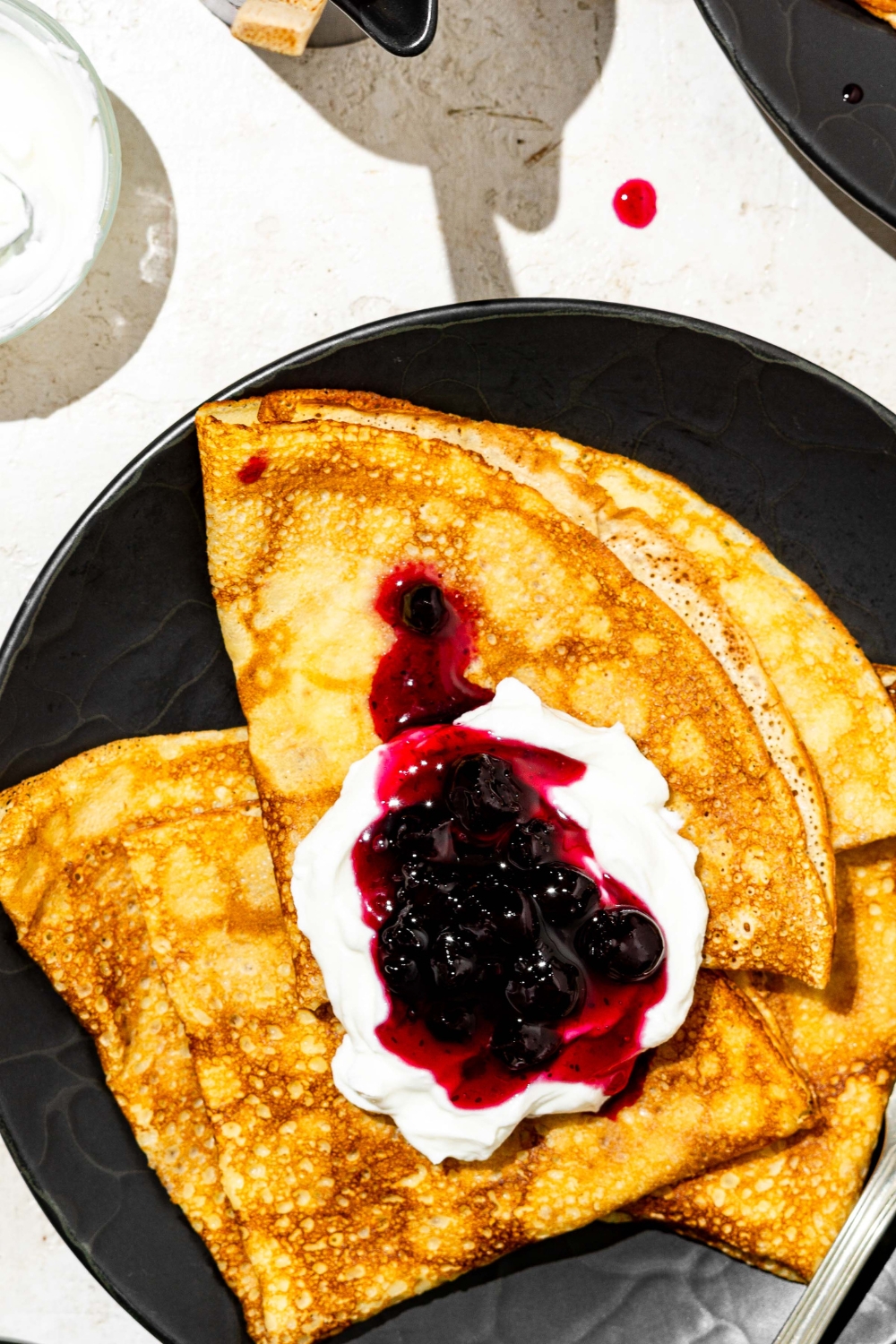
These Swedish pancakes are light, delicate, and perfectly thin, sitting right between a crepe and a classic pancake. They cook fast, roll or fold perfectly, and come out with those crisp, lacy edges that make them feel a little fancy without any extra work. Top them with jam and yogurt, keep it classic with butter and syrup, or go full brunch mode with fruit and whipped cream. If you love soft, elegant pancakes that don’t feel heavy, this is a must-make breakfast.
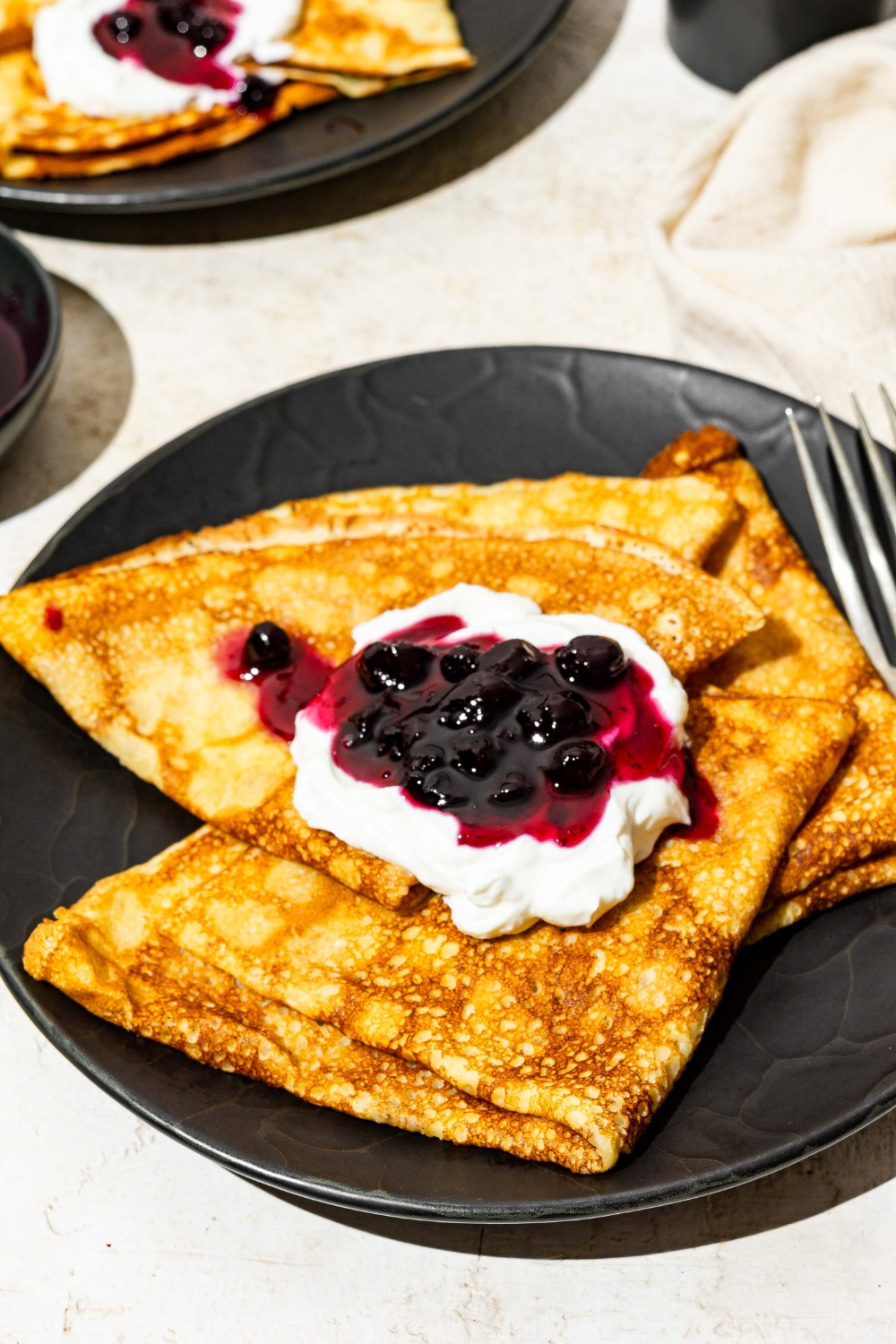
Table of Contents
Why You'll Love This Swedish Pancake Recipe
The first time I had Swedish pancakes was at The Pancake House, that classic breakfast spot near me where everything comes out hot, buttery, and somehow better than it should be. I ordered them on a whim, and the second they hit the table, I got it. They were thin and delicate like a crepe, but still had that soft pancake comfort, especially with jam and something creamy on top.
I’ve made a ton of pancake recipes over the years, so trying Swedish pancakes felt like the perfect way to switch it up and make something a little different. This version gives you that same restaurant-style texture without any fuss. The batter blends in seconds, the pancakes cook in about a minute, and they come out tender and slightly custardy with those crisp, lacy edges that make them so addictive. Once you make them for the first time, they’ll end up in your regular breakfast rotation.
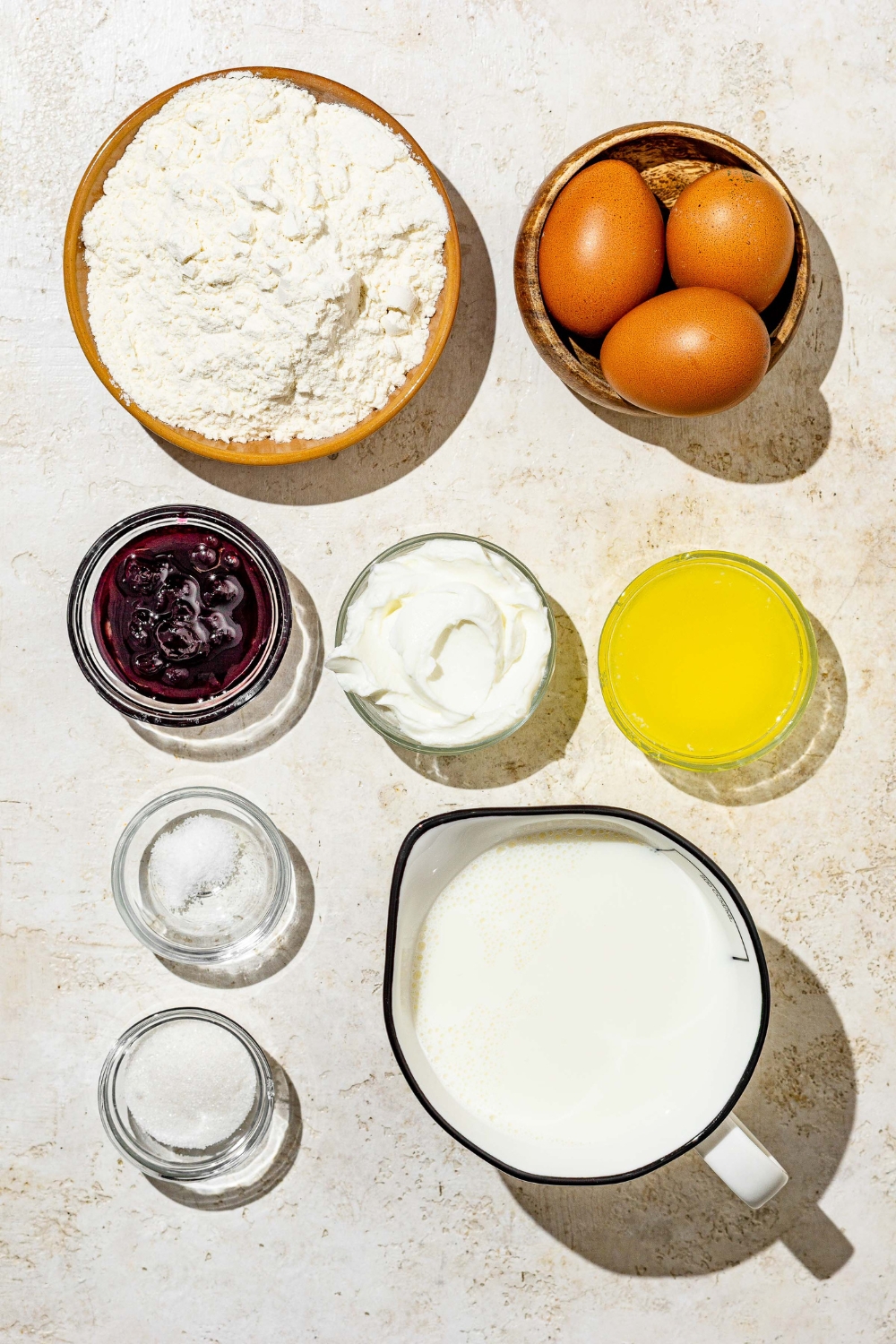
Ingredients You’ll Need
For the Pancakes:
- 3 eggs
- 1½ cups whole milk (plus up to ¼ cup more, if needed)
- 1 cup all-purpose flour
- 3 tablespoon melted butter
- 1 tablespoon granulated sugar
- ½ teaspoon salt
Serving Ideas:
- Blueberry jam (or lingonberry jam for a traditional option)
- Plain yogurt or Greek yogurt
How To Make Swedish Pancakes
Step 1: Blend the Batter
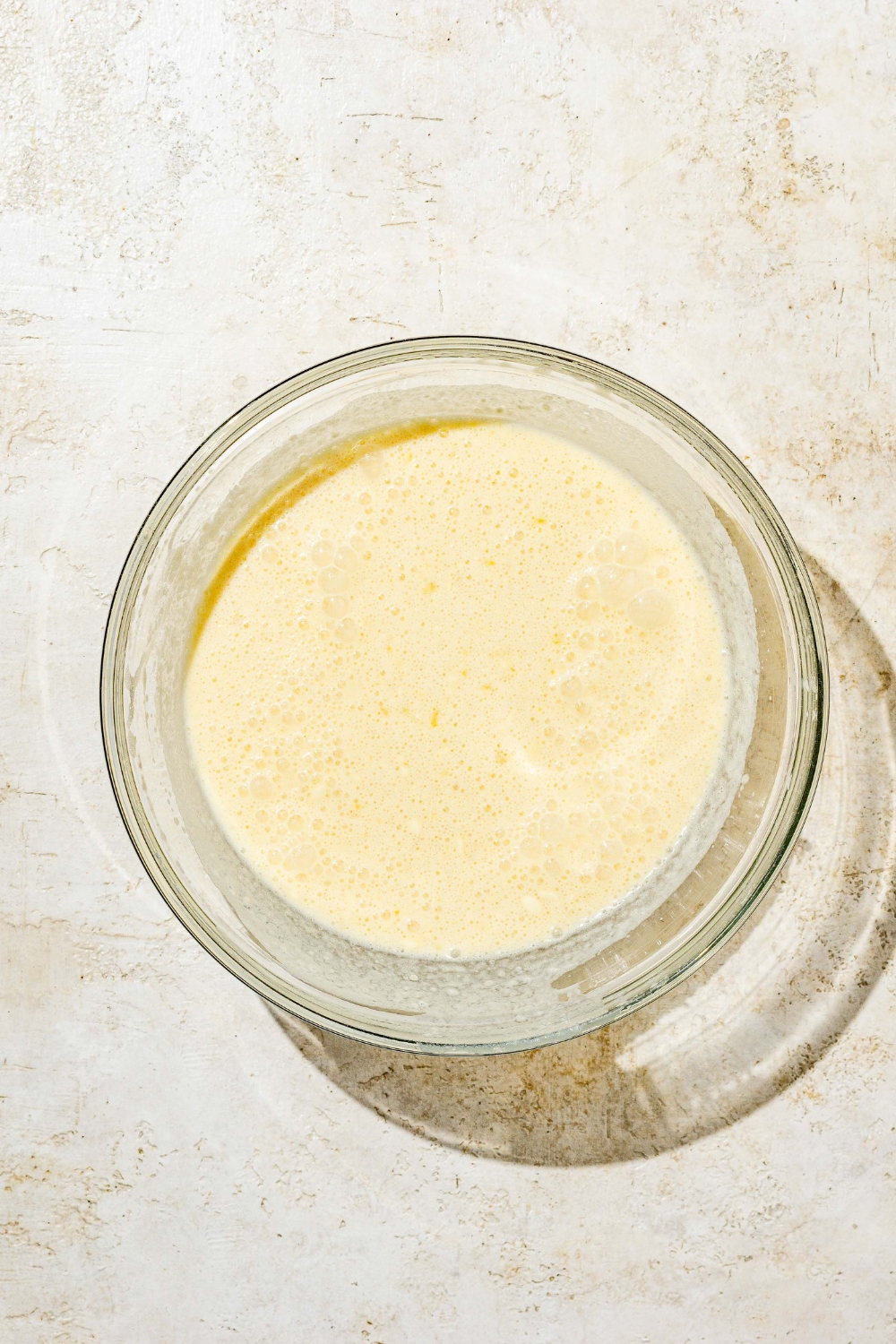
Add the eggs and milk to a blender and blend for about 30 seconds, until doubled in volume and slightly frothy.
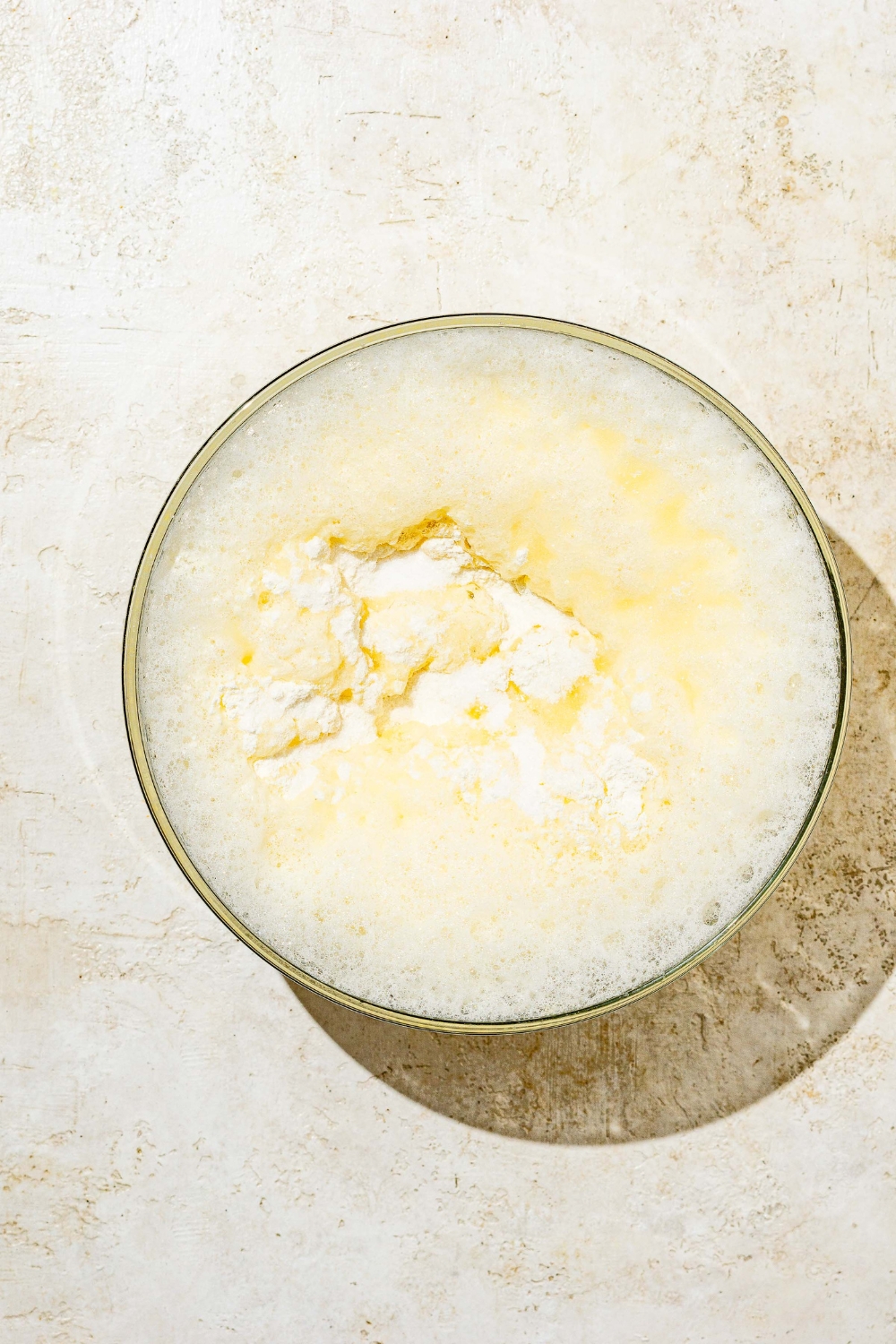
Add the flour, melted butter, sugar, and salt, then blend again for 15–20 seconds until smooth and lump-free. If the batter feels thick, blend in up to ¼ cup more milk until it’s pourable.
Step 2: Heat the Pan
Preheat a nonstick or well-seasoned cast-iron pan over medium heat. Lightly grease if needed.
Step 3: Cook the Pancakes
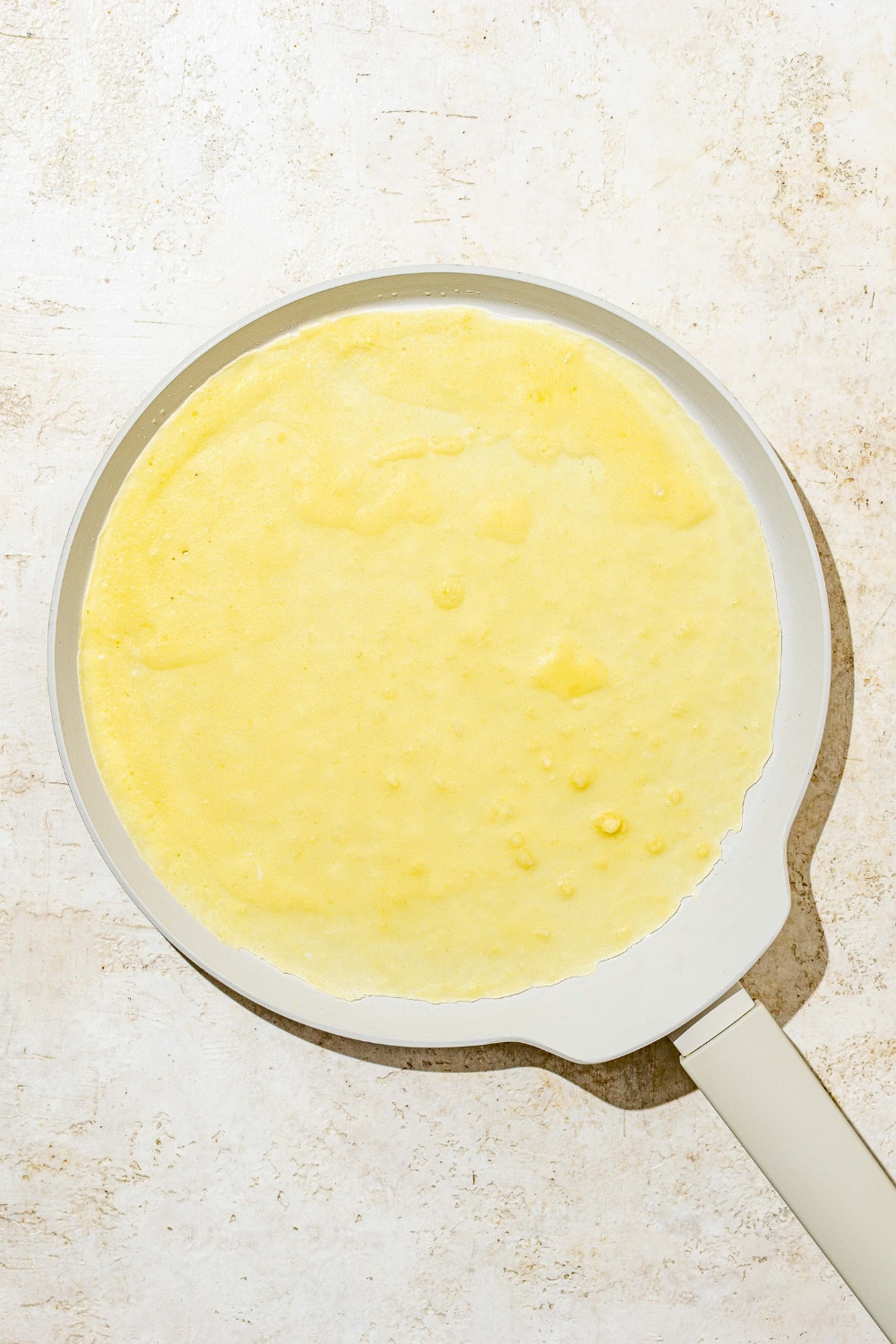
Pour about ¼ cup of batter into the center of the pan, then immediately tilt and swirl the pan to spread the batter thin and wide. Cook for about 1 minute, until the bottom is lightly golden and the edges begin to lift.
Step 4: Flip and Finish
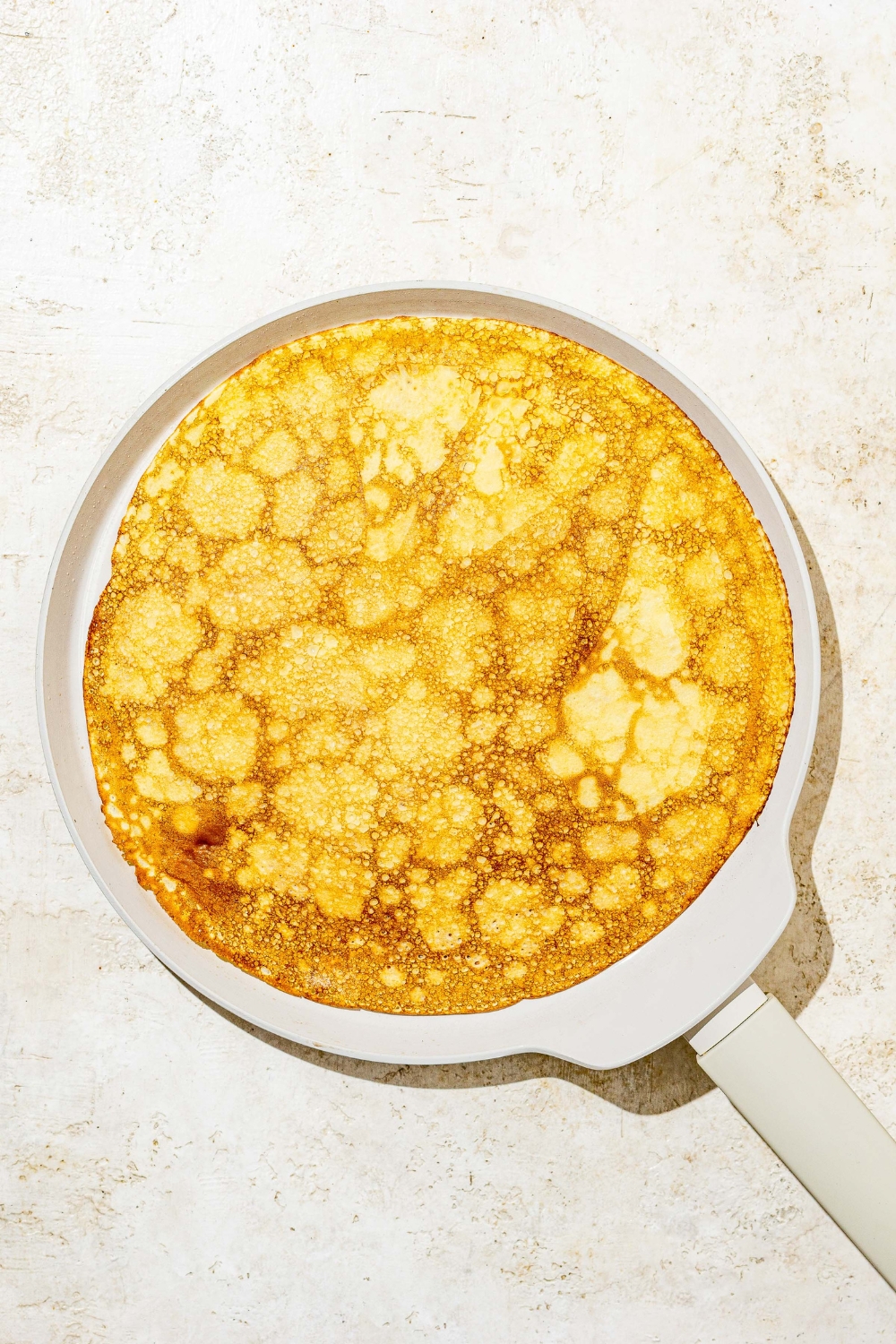
Gently lift the edges with a spatula and flip. Cook the second side for 15–30 seconds, just until set. Transfer to a plate and repeat with the remaining batter.
Step 5: Serve
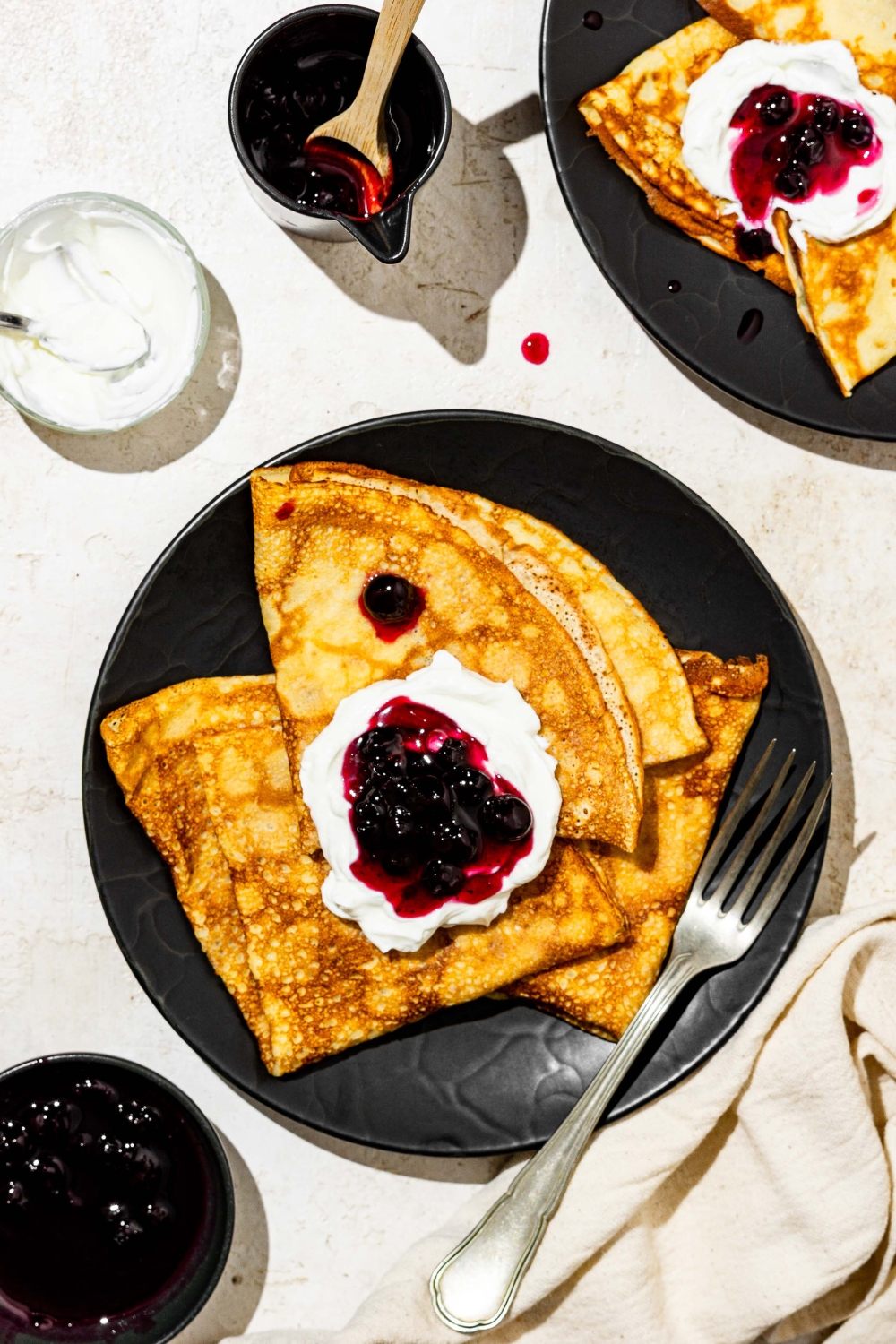
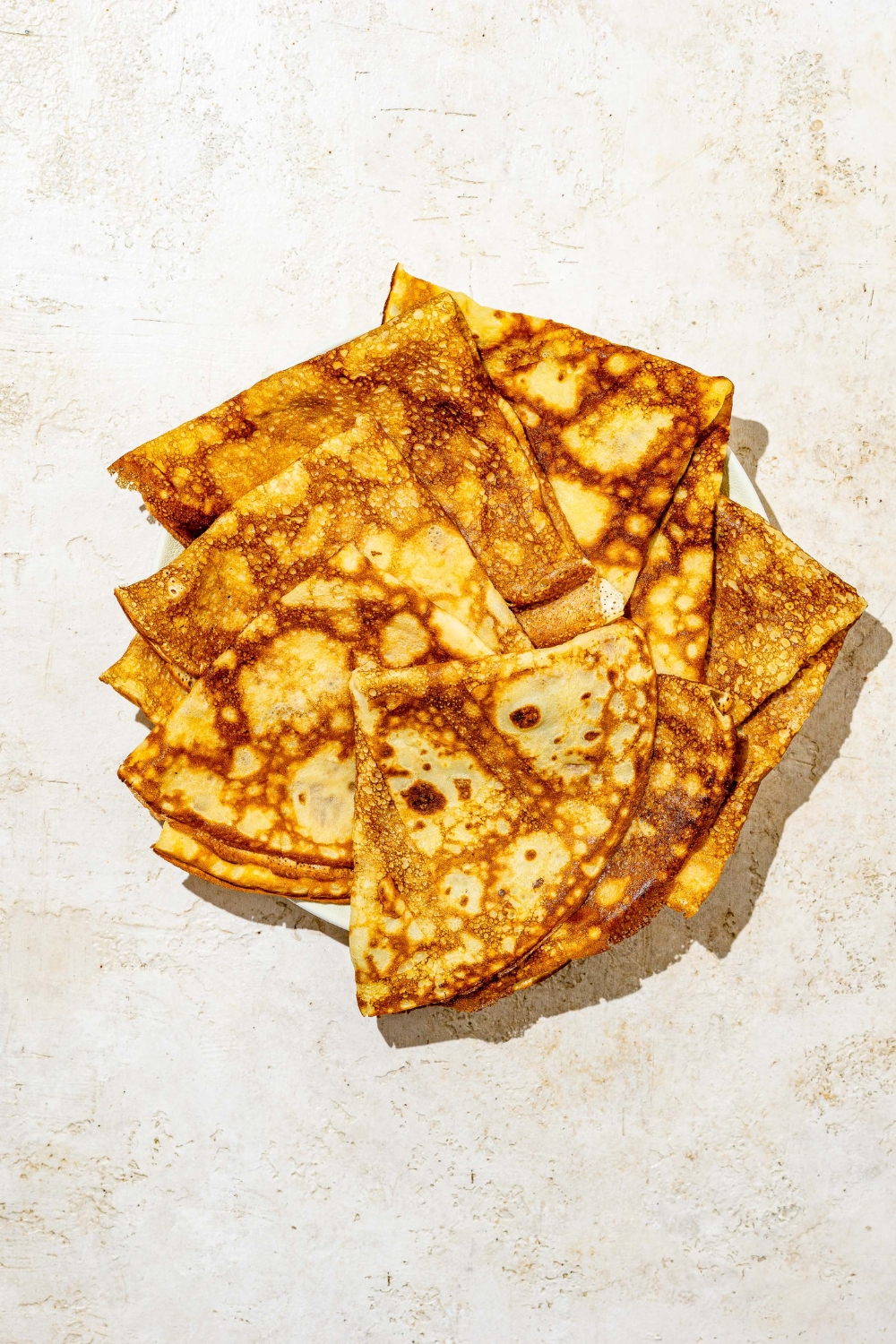
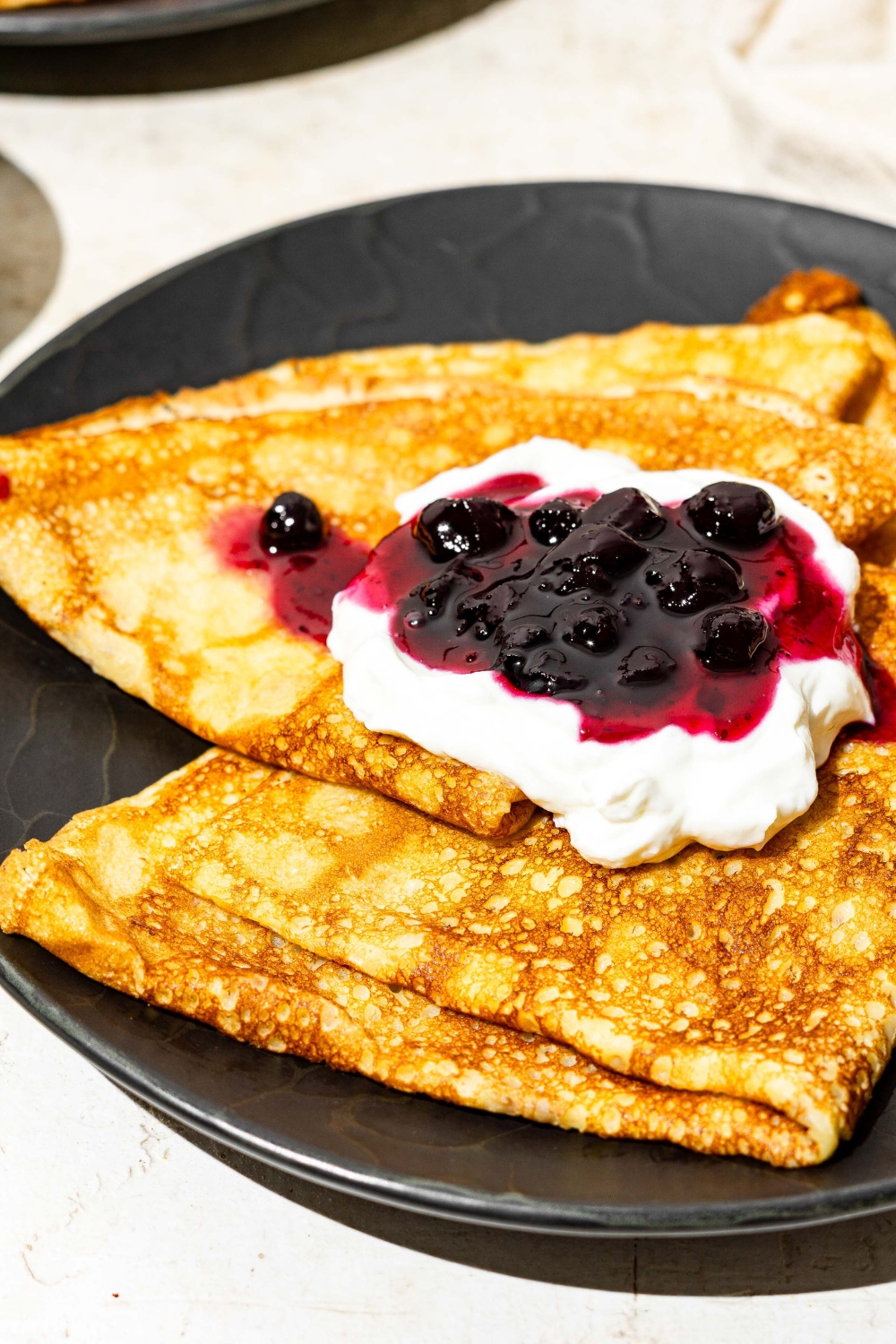
Serve the pancakes flat, folded, or rolled, however you want! Then top with jam, yogurt, or any toppings you love.
Expert Tips To Make The Best Swedish Pancakes
- Blend for the best texture. A blender gives you the smoothest batter with zero lumps, and it helps the eggs and flour combine evenly so the pancakes cook up tender instead of chewy. Blend just until smooth, then let the batter sit for a few minutes so any bubbles settle and the flour hydrates.
- The batter should be thin. Swedish pancake batter should be much thinner than regular pancake batter, closer to a crepe batter. That thin consistency is what lets it spread wide and cook into delicate pancakes with lacy edges. If it seems too thick, add a splash of milk and blend again until it pours easily.
- Swirl immediately after pouring. Pour the batter, then tilt and rotate the pan right away. You have a short window before it sets, so the quicker you swirl, the more even and thin the pancake will be. If you wait too long, it stays thick in the middle and won’t have that classic, delicate texture.
- Medium heat is the sweet spot. If the pan is too hot, the edges brown before the center sets. If it’s too cool, the pancakes cook slowly and can dry out instead of staying soft and tender. Medium heat should give you a light golden underside in about a minute. Adjust up or down after your first pancake.
- Use a good nonstick pan or a well-seasoned skillet. Swedish pancakes are thin and delicate, so the pan matters. A nonstick pan makes flipping easier and keeps the lacy edges from tearing. Use a small amount of butter or oil, then wipe out excess between pancakes so they don’t get greasy.
- Flip once and flip gently. These pancakes are fragile, so one flip is all you need. Wait until the edges look set and the underside is lightly golden, then slide a thin spatula under and flip carefully. The second side cooks fast, usually 15 to 30 seconds.
- Stack loosely and keep them warm the right way. Stack the pancakes without pressing them down so steam can escape, and they stay tender, not soggy. If you’re making a big batch, keep them warm in a 200°F oven on a plate or baking sheet until ready to serve.
Flavor Variations You Can Try
- Lemon Sugar Pancakes: Sprinkle warm pancakes with a little sugar, then finish with a squeeze of fresh lemon juice. The lemon brightens everything and tastes especially good with the buttery edges.
- Vanilla Swedish Pancakes: Add 1 teaspoon vanilla extract to the batter for a sweeter, more dessert-like flavor that pairs perfectly with yogurt, berries, or maple syrup.
- Savory Version: Skip any sugar in the batter and serve the pancakes with smoked salmon, sour cream, and fresh dill. Add a few capers or thinly sliced red onion if you want that classic brunch vibe.
- Berry-Filled: Spread a thin layer of jam or berry compote inside each pancake, then roll it up. Dust with powdered sugar or add a spoonful of yogurt on the side for a simple, café-style plate.
- Dessert Style: Top with whipped cream and fresh berries, then drizzle with a little maple syrup or warm berry sauce. This one feels like a brunch treat, but it’s easy enough for any morning.
Swedish Pancakes FAQs
How are Swedish pancakes different from crepes?
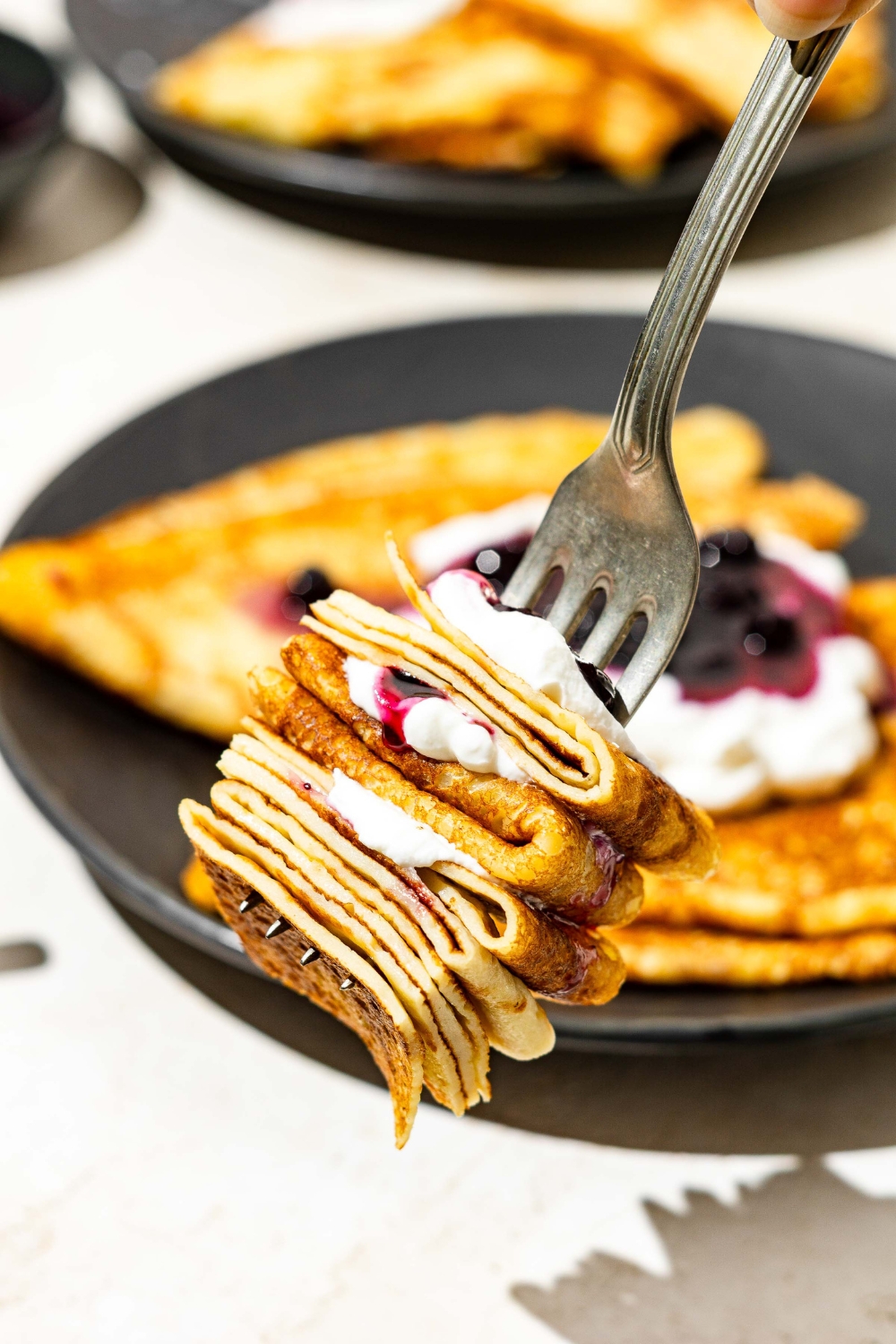
Swedish pancakes are usually a little thicker and softer than crepes. They still have that thin, delicate look, but the texture is more tender and slightly custardy, more like a very thin pancake rather than a paper-thin crepe. They also tend to be a bit sweeter and are commonly served rolled with jam.
How are Swedish pancakes different from regular pancakes?
They’re much thinner and cook faster. Instead of fluffy, tall pancakes, Swedish pancakes spread wide in the pan and stay soft and flexible, so you can fold or roll them. The edges get lightly crisp and lacy, which is part of what makes them so addictive.
Can I make the batter ahead of time?
Yes. Store the batter in the fridge for up to 24 hours. Give it a quick re-blend or whisk before cooking because the flour can settle. If it thickens in the fridge, add a small splash of milk to thin it back out to a pourable consistency.
Do I need a special pan for Swedish pancakes?
No. A good nonstick skillet works great, and a well-seasoned cast-iron pan can work too. The most important thing is an even-heating pan and a thin spatula for flipping. If you have a crepe pan, that’s great, but not required.
Why are my Swedish pancakes tearing when I flip them?
This usually happens if the pan is not nonstick enough, the heat is too high, or you’re flipping too soon. Wait until the edges look set and the underside is lightly golden, then flip gently with a thin spatula. A small bit of butter in the pan also helps prevent sticking.
Can I freeze Swedish pancakes?
Yes. Let them cool completely, then stack with parchment paper between layers and freeze in a freezer bag for up to 2 months. Reheat in a skillet over low heat, in the microwave in short bursts, or in a warm oven (around 300°F) until soft and heated through.
What’s the most traditional topping for Swedish pancakes?
Lingonberry jam is the classic, often served with a dollop of yogurt, sour cream, or whipped cream. If you cannot find lingonberry jam, raspberry jam is a great substitute with a similar tart-sweet flavor.
How do I keep Swedish pancakes warm for a crowd?
Place cooked pancakes on a baking sheet in a 200°F oven while you finish the batch. Stack them loosely so steam can escape, and they stay tender rather than becoming soggy.
My Final Thoughts
These Swedish pancakes are simple, elegant, and incredibly satisfying. Whether you serve them for a cozy weekend breakfast or a special brunch, their delicate texture and classic flavor never disappoint. Give them a try and leave me a comment and review below. I hope you enjoy them as much as I do!
Breakfast Recipes To Try Next
Swedish Pancakes

These Swedish pancakes are light, delicate, and perfectly thin, sitting right between a crepe and a classic pancake. They cook fast, roll or fold perfectly, and come out with those crisp, lacy edges that make them feel a little fancy without any extra work. Top them with jam and yogurt, keep it classic with butter and syrup, or go full brunch mode with fruit and whipped cream. If you love soft, elegant pancakes that don’t feel heavy, this is a must-make breakfast.
Ingredients
- 3 eggs
- 1 ½ cups whole milk (+ ¼ cup – see notes)
- 1 cup flour
- 3 tablespoons melted butter
- 1 tablespoon granulated sugar
- ½ teaspoon salt
- blueberry jam
- plain yogurt
Instructions
1. Blend the eggs and milk until doubled in volume, about 30 seconds. Add the flour, melted butter, sugar, and salt, then blend for another 15–20 seconds until smooth and well combined.
2. Preheat a nonstick or well-seasoned cast-iron pan over medium heat. Pour about ¼ cup of batter into the pan, then immediately tilt and swirl the pan to spread the batter thin and wide, creating a delicate, lacy edge.
3. Cook for about 1 minute, or until the bottom is golden brown. Use a spatula to gently lift the edges and flip the pancake. Cook for another 15–30 seconds on the second side, adjusting doneness to your preference.
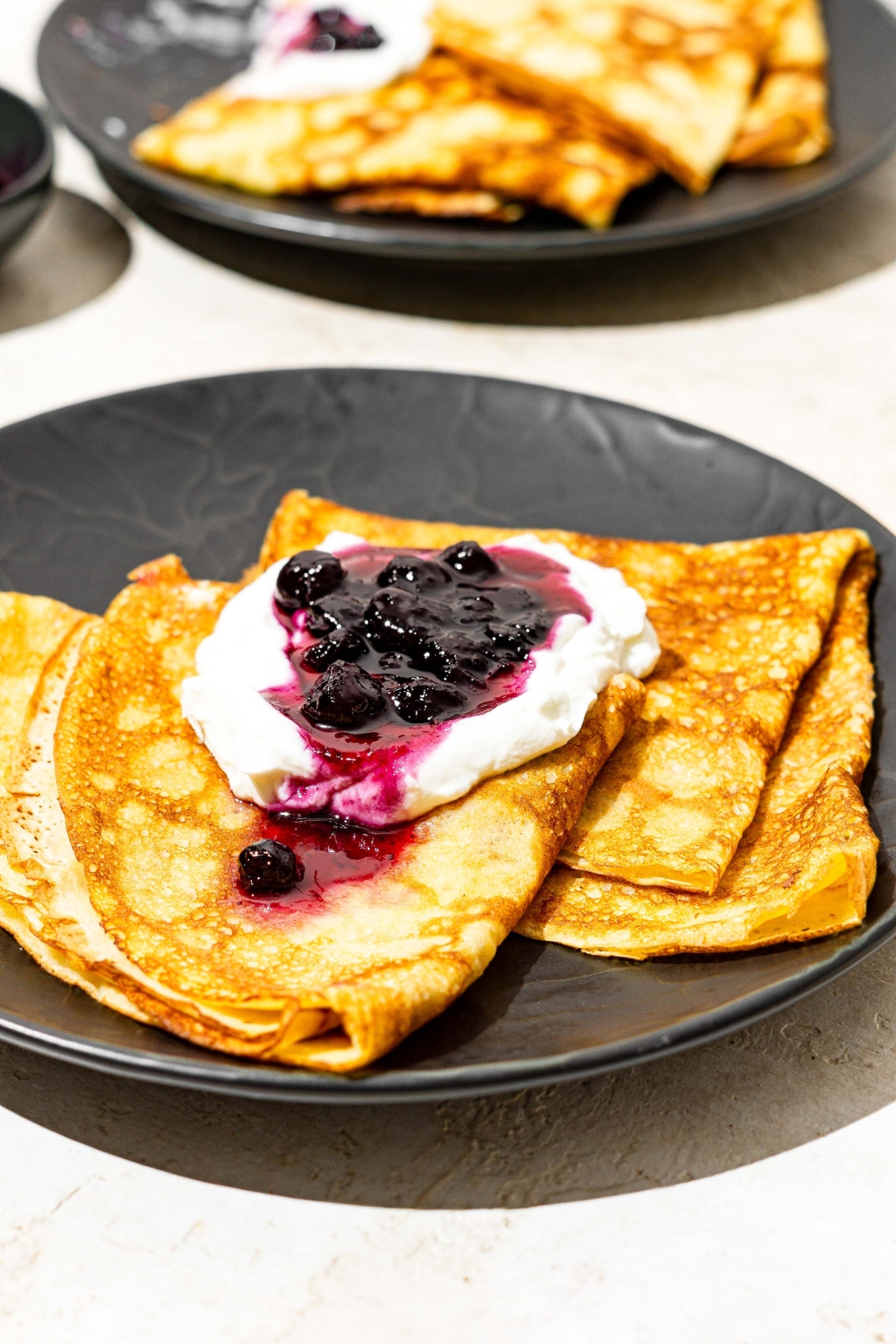
4. Serve flat, folded, or rolled and top with your favorites such as maple syrup, whipped cream, fruit, or jam. For a classic touch, fold and serve with lingonberry jam and yogurt.
Nutrition Information:
Yield:
6Serving Size:
1Amount Per Serving: Calories: 287Total Fat: 10gSaturated Fat: 6gUnsaturated Fat: 5gCholesterol: 115mgSodium: 290mgCarbohydrates: 38gFiber: 1gSugar: 6gProtein: 9g
Leave a Reply