


These Tiana-inspired beignets are soft, pillowy, and finished with honey and a generous dusting of powdered sugar, just like the beignets from The Princess and the Frog. That same honey-and-powdered-sugar combination is now served at Tiana’s Palace in Disneyland, which makes this homemade version even more fun to recreate.
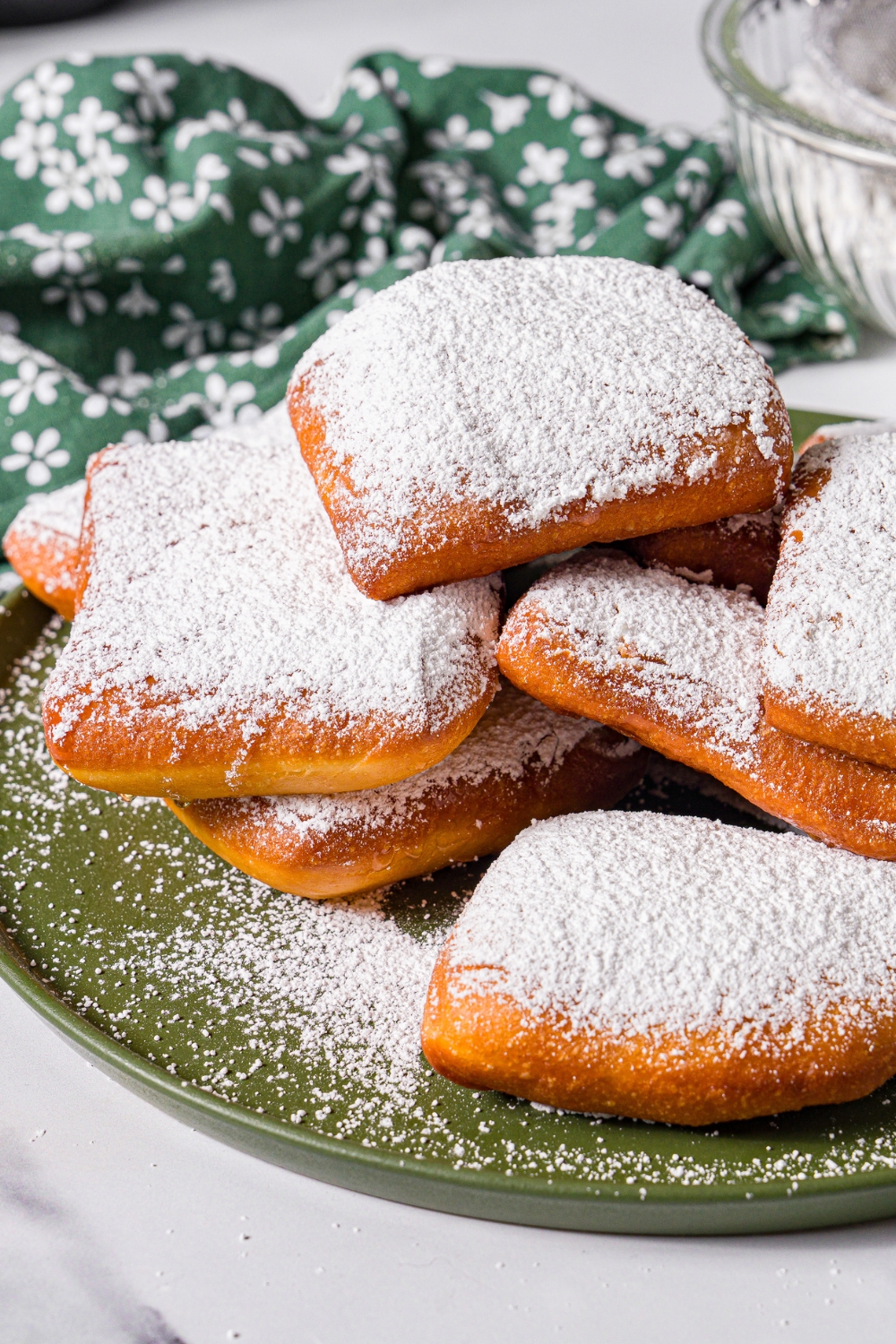
Table of Contents
Why I Had to Make These Princess and the Frog Beignets
The Princess and the Frog is one of my wife’s and my favorite Disney movies, and every time we watch it, we end up craving beignets. It always reminds us of the warm, powdered sugar-covered ones we’ve had at Disney’s Port Orleans French Quarter. I hadn’t thought about them in a while until I saw a viral video recreating Tiana’s beignets, and I immediately wanted to make my own version.
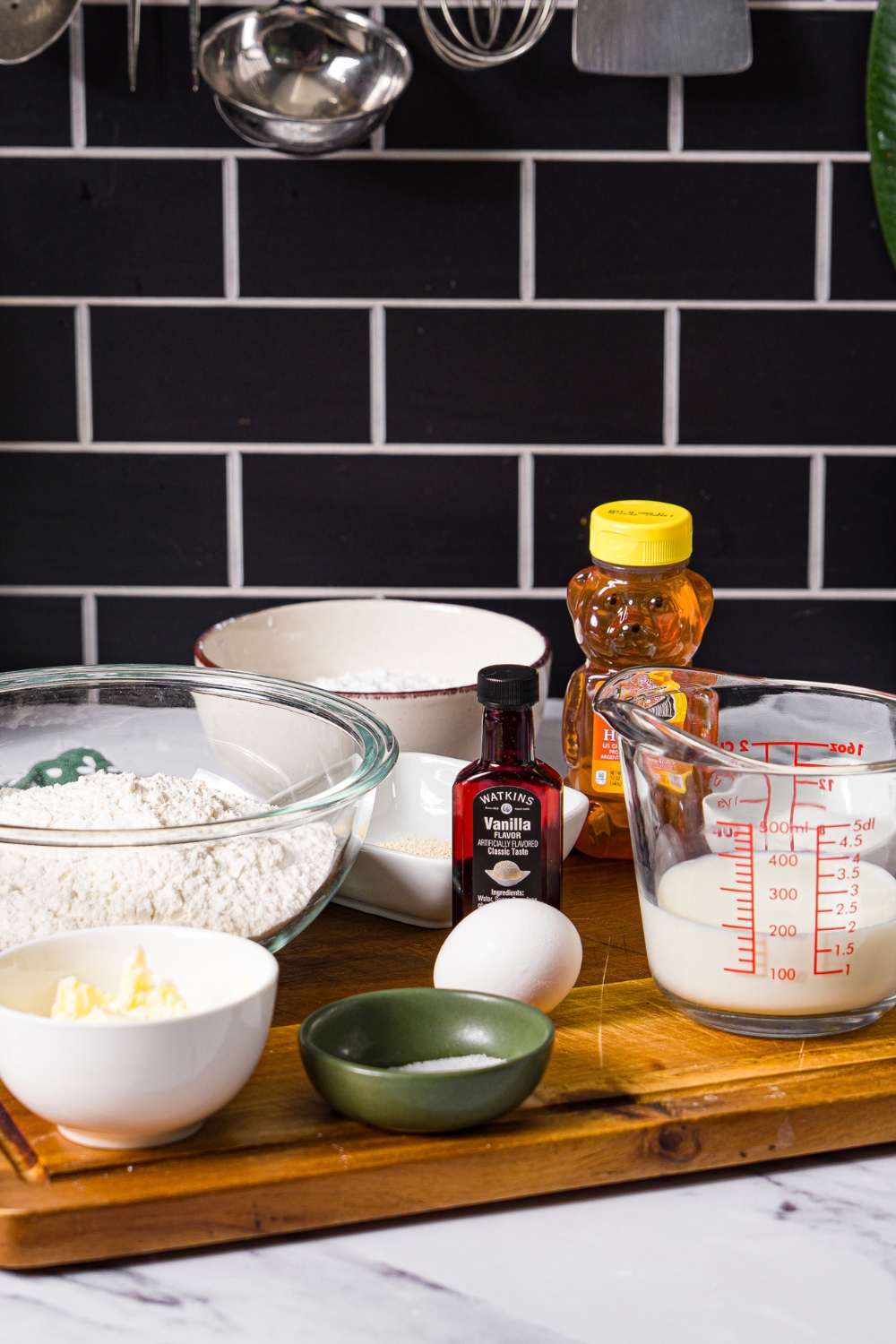
For this recipe, I went with a yeast-raised dough and an overnight rest in the fridge. The slow rise gives the dough more flavor and helps the beignets fry up golden outside while staying incredibly light and pillowy in the center.
Then I finish them the Tiana way, with a drizzle of honey followed by plenty of powdered sugar. On a warm beignet, that combination is hard to beat.
Ingredients
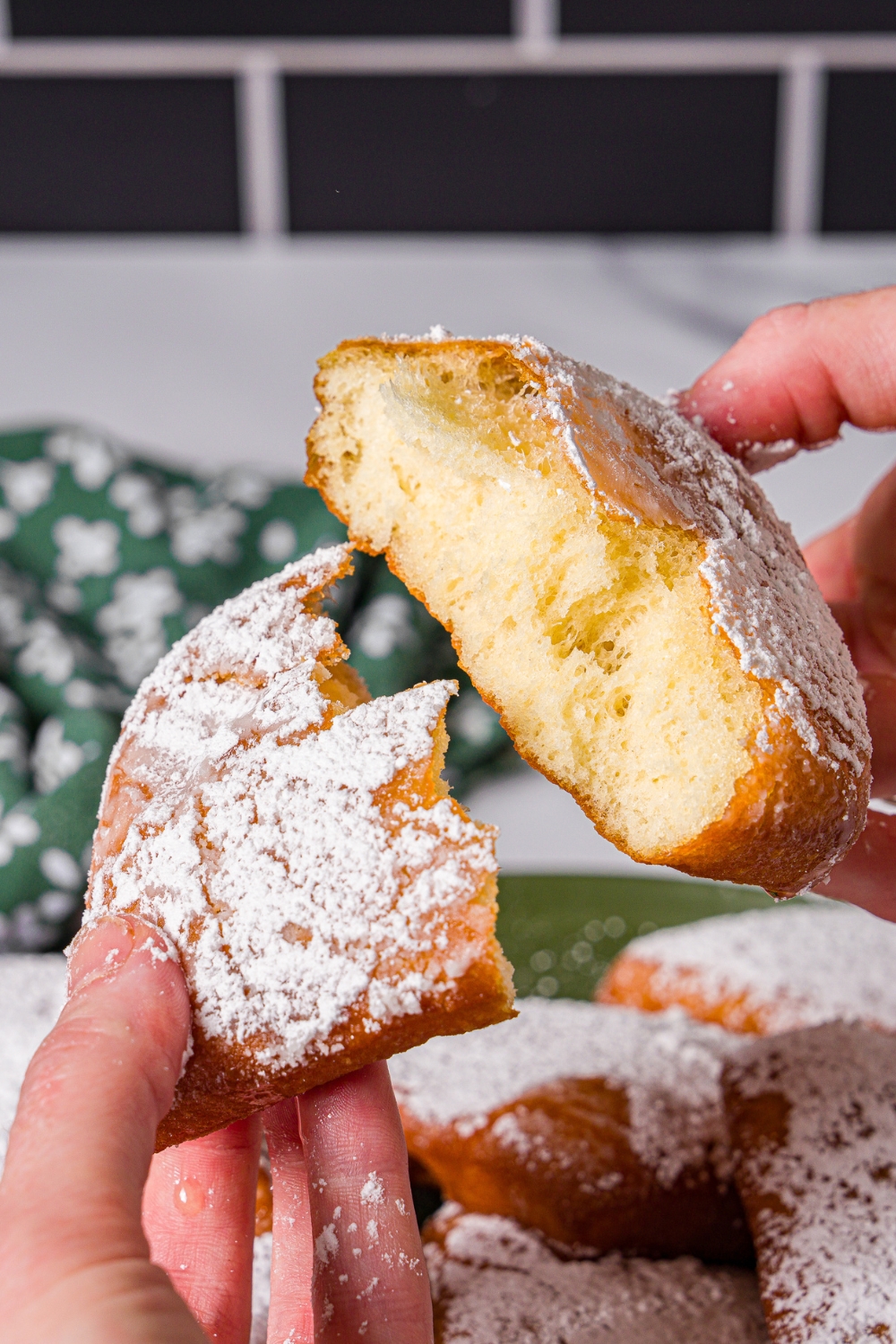
- ½ cup lukewarm milk
- ¼ cup sugar
- 2 ¼ teaspoons active dry yeast
- 1 egg, room temperature
- 1 tablespoon vanilla extract
- 2 ½ cups bread flour
- 1 ¼ teaspoon salt
- ¼ cup butter, softened
- Honey and powdered sugar, for finishing
Ingredient Notes
- Bread flour: Bread flour gives the dough enough strength to trap air as the beignets fry, helping them puff while still staying soft and tender inside. All-purpose flour can work, but the finished beignets may be slightly less chewy and structured.
- Active dry yeast: Bloom the yeast in lukewarm milk with the sugar before making the dough. After about 10 minutes, the mixture should look foamy on top. If it doesn’t, I’d start over with fresh yeast.
- Milk: Keep the milk lukewarm, I always suggest around 100-110°F. Milk that’s too hot can damage the yeast, while cold milk will slow down the rise.
- Butter: Softened butter gets kneaded directly into the dough, adding richness while keeping the finished beignets tender. Add it after the shaggy dough has formed so it incorporates more evenly.
- Vanilla extract: A full tablespoon gives the dough a noticeable vanilla flavor that works especially well with the honey and powdered sugar finish.
- Frying oil: Use a neutral, high-heat oil such as vegetable or canola oil. Keeping it close to 350°F is important for getting golden beignets that cook through without becoming greasy.
- Honey and powdered sugar: Drizzle the warm beignets with honey first, then finish with a generous coating of powdered sugar. That sweet, sticky combination is the finishing touch that gives these their Princess and the Frog-inspired look and flavor.
How to Make Princess and the Frog Beignets
Step 1: Make the dough
In a glass measuring cup, heat the milk until just lukewarm. Add the sugar and yeast and stir together. Allow to sit for 10 minutes, until frothy. Add the egg and vanilla extract to the milk mixture and stir until the egg is beaten in.
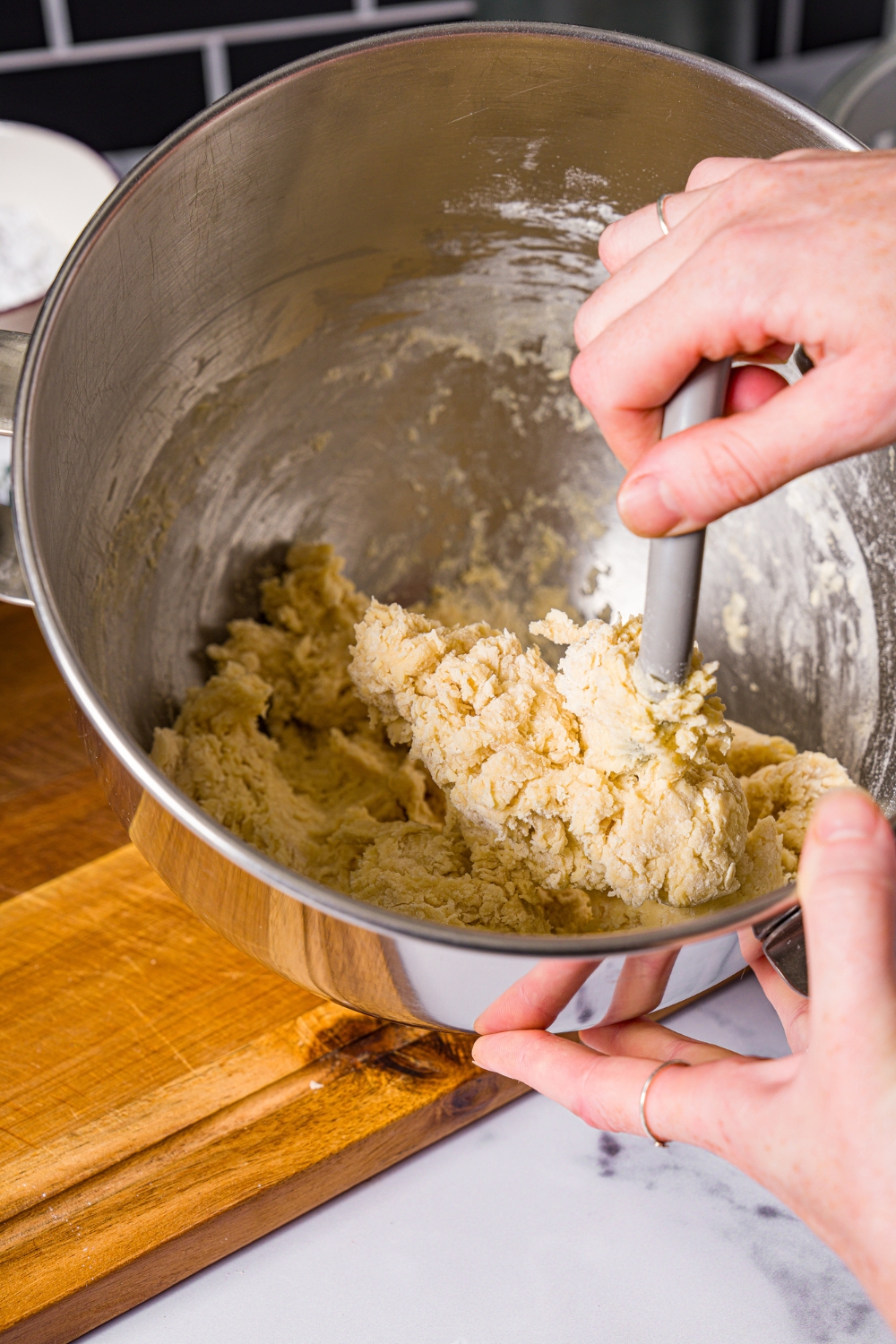
In a stand mixer bowl, add the flour and salt to the bottom. Add the milk yeast mixture on top and stir together until a shaggy looking dough forms.
Step 2: Add the butter and knead
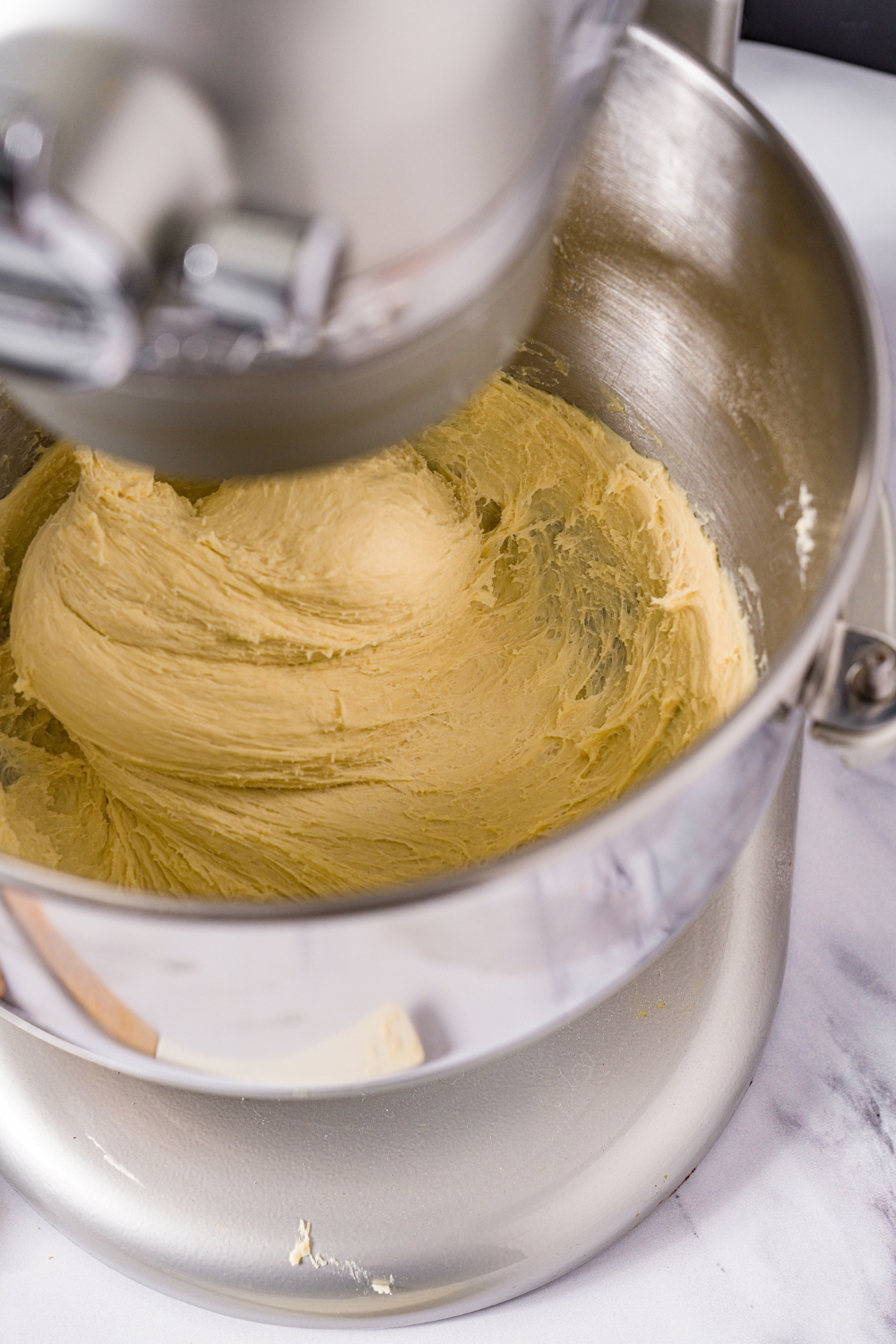
Add the butter and use a dough hook on second speed, making sure to stop and scrape a few times in the first 3 minutes. Mix the dough for 8-10 minutes, until it is smooth and passes the gluten window test, meaning a small piece can be stretched thin like a windowpane without tearing.
Step 3: Rise and refrigerate overnight
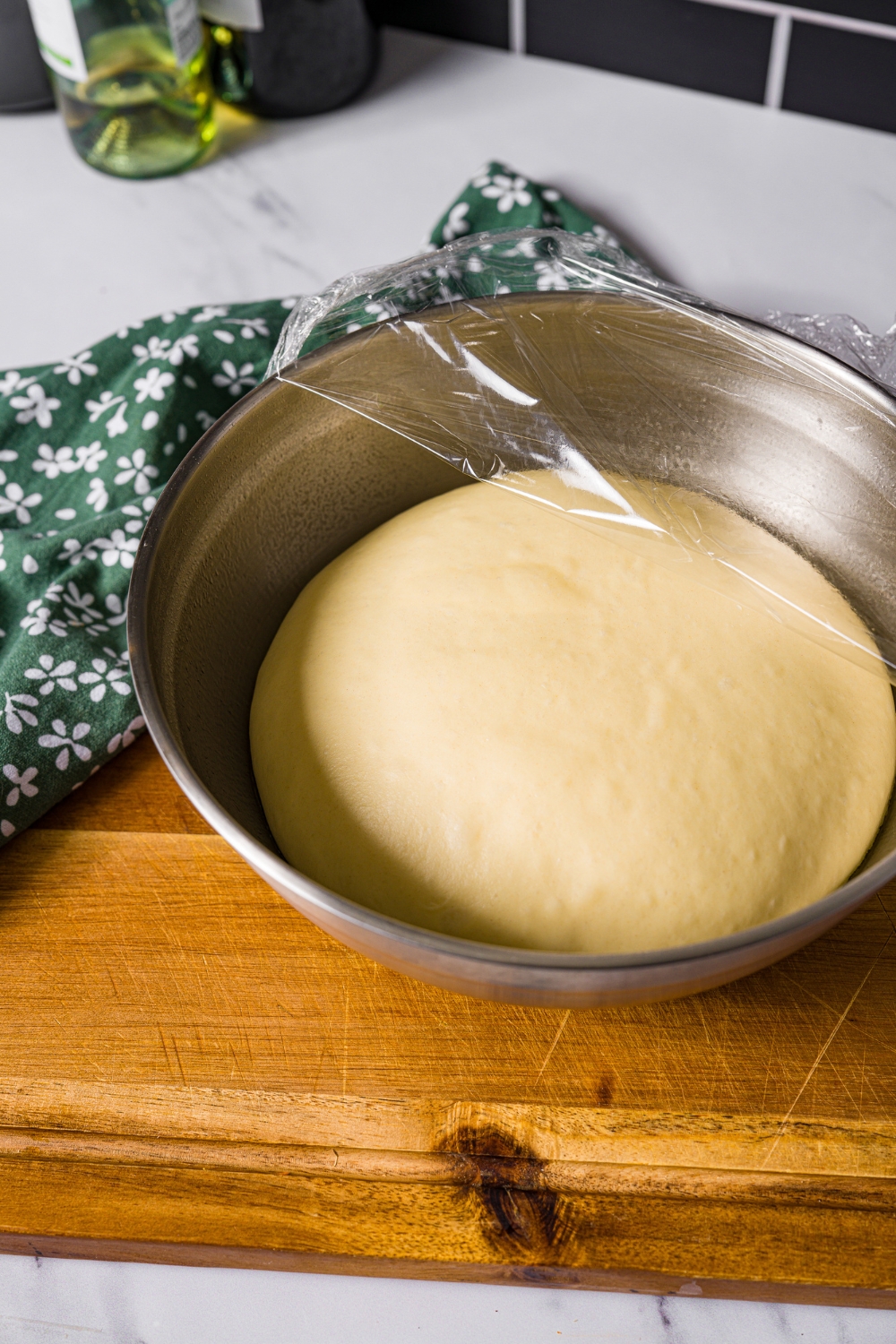
Transfer the dough to a lightly greased bowl, cover, and let it rise until doubled in size.
Then refrigerate the covered dough overnight. The next day, let it sit at room temperature until it has softened enough to roll easily.
Step 4: Roll, cut, and proof the dough
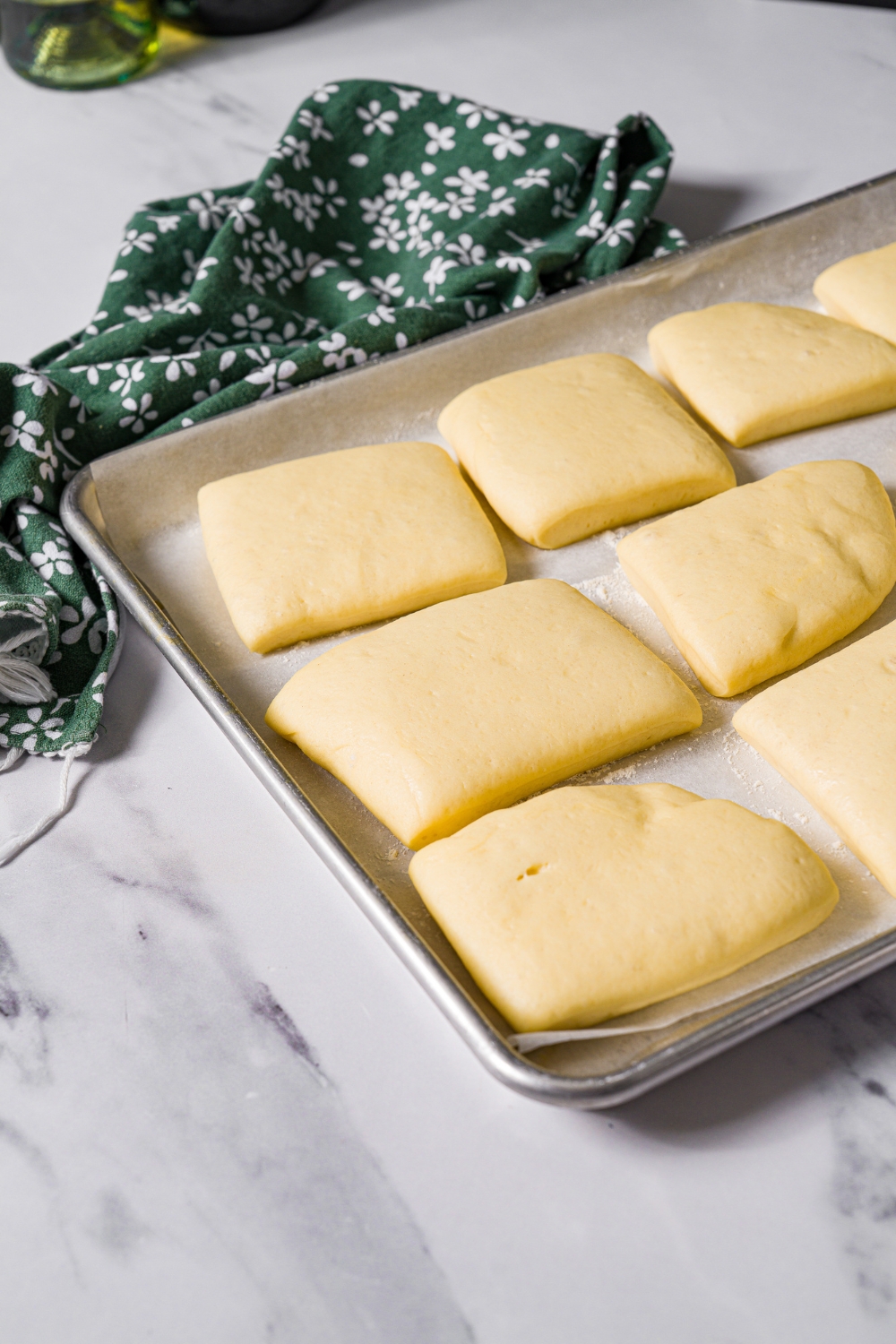
Roll the dough on a lightly floured surface into a rectangle about ½ inch thick. Cut into 12 pieces for large beignets and transfer them to a lightly floured, parchment-lined baking sheet.
Cover loosely and let proof for 30-45 minutes, until noticeably puffy. When lightly pressed, the dough should slowly spring back while leaving a slight indentation.
Step 5: Fry the beignets
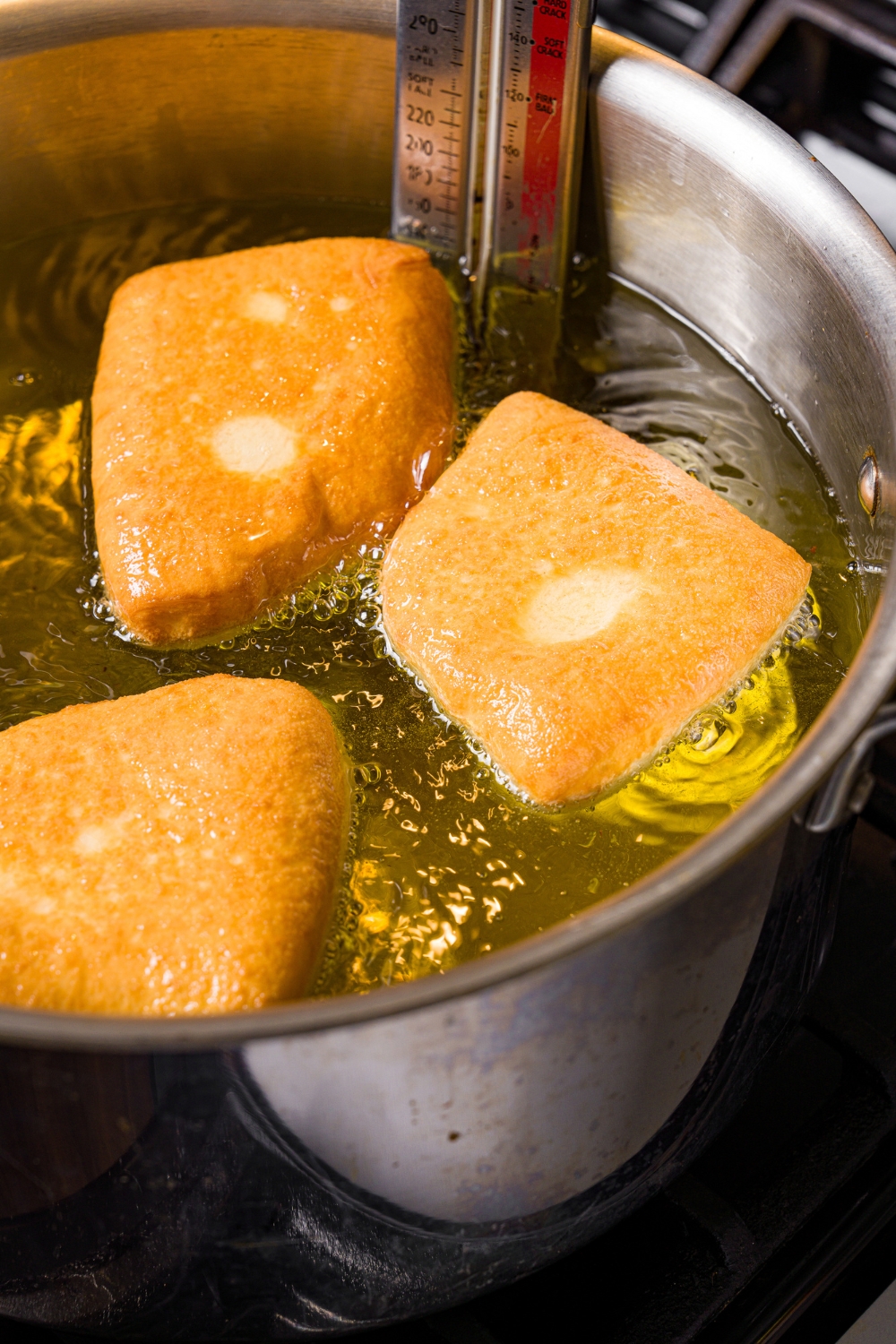
While the dough is proofing, heat a large pot filled halfway with vegetable oil to 350°F. Fry the beignets in small batches for about 2 minutes per side, until puffed and golden brown. Transfer the cooked beignets to a wire rack to drain.
Step 6: Add the honey and powdered sugar
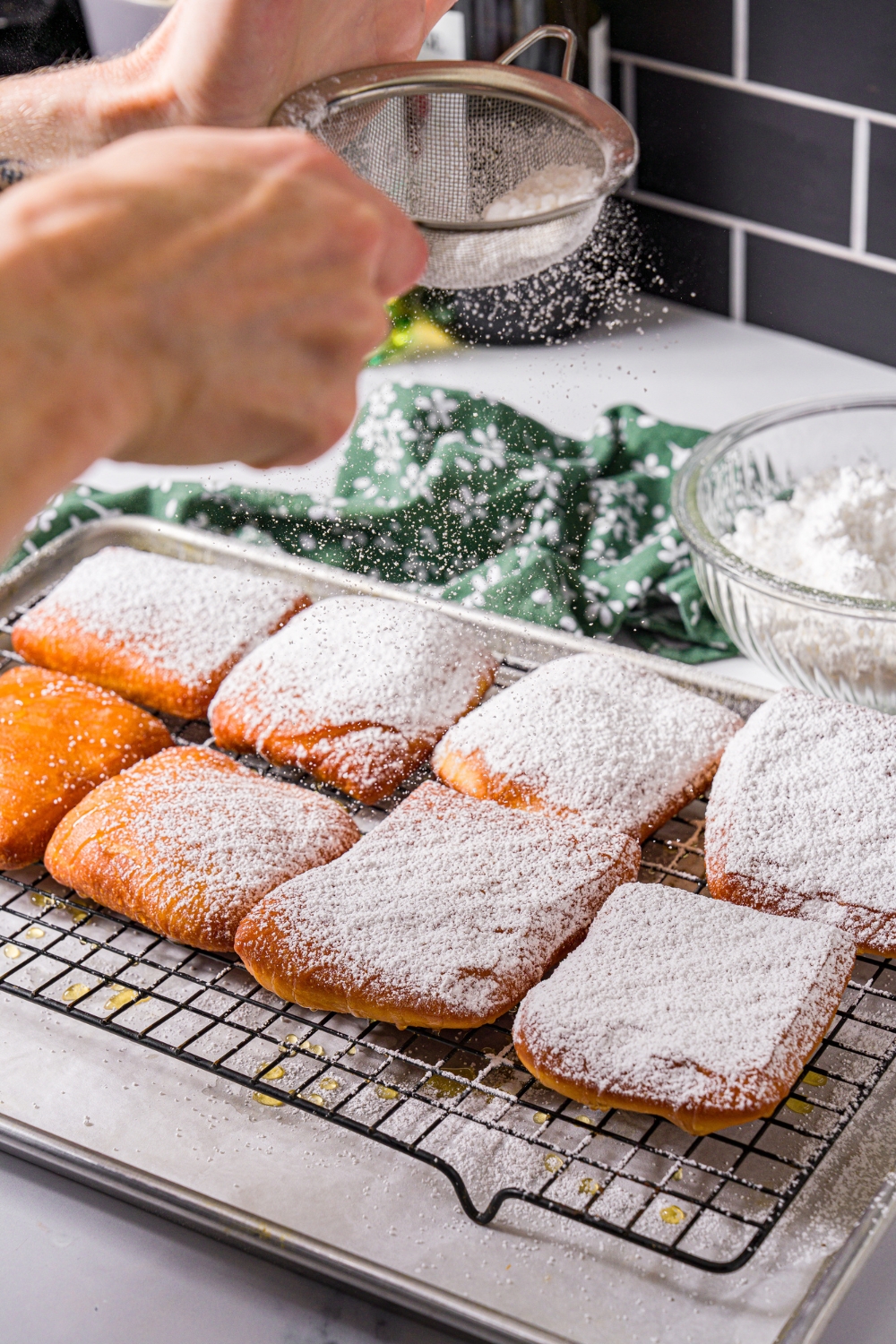
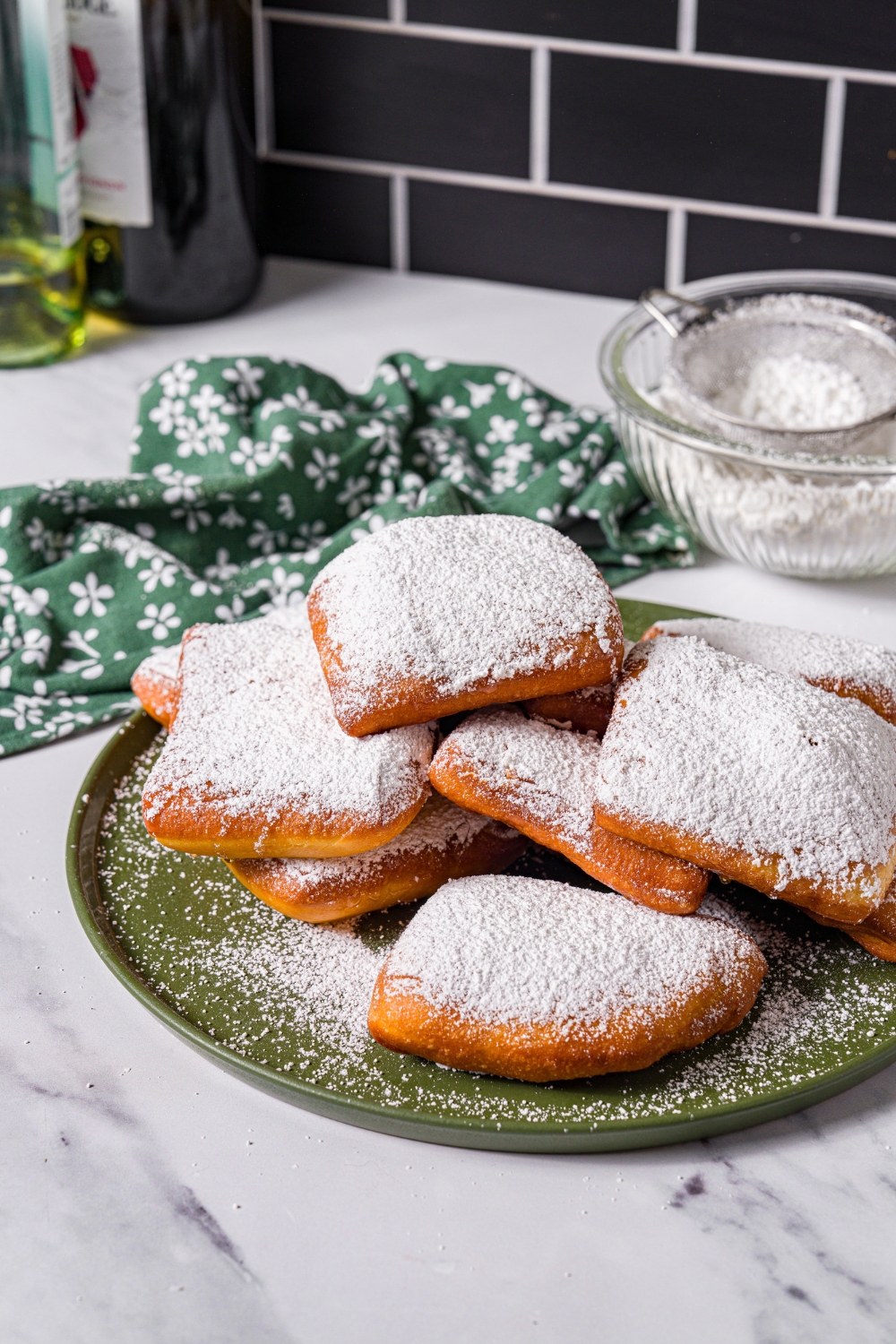
While the beignets are still warm, drizzle them with honey and finish with a generous dusting of powdered sugar. Serve immediately and enjoy!
Expert Tips for the Best New Orleans Style Beignets
- Use as little extra flour as possible when rolling. A light dusting is enough to prevent sticking. Working too much flour into the dough can make the beignets heavier and less tender after frying.
- Keep the cut beignets covered while they proof. The surface can dry out surprisingly quickly. Loosely covering them with plastic wrap keeps the dough soft so it can expand properly in the hot oil.
- Watch the dough, not just the clock. The final proof may take more or less than 30-45 minutes depending on your kitchen temperature. The pieces should look noticeably puffy and slowly spring back when gently pressed.
- Use a thermometer for the frying oil. Keep the oil close to 350°F throughout frying. Oil that’s too cool can make the beignets greasy, while oil that’s too hot can brown the outside before the center cooks.
- Let the oil recover between batches. The temperature will drop every time cold dough goes into the pot. Wait until it returns to 350°F before adding the next batch.
- Don’t flatten the dough after the final proof. Handle the pieces gently when transferring them to the oil so you don’t knock out the air they developed during the second rise.
- Finish and serve them while they’re warm. Beignets have their best texture right after frying, when the outside is lightly crisp and the center is still soft and airy. Add the honey and powdered sugar shortly before serving.
How to Store and Reheat Beignets
At room temperature: Beignets are best the day they’re fried, while the outside is still lightly crisp and the center is soft and airy. You can store leftovers in an airtight container at room temperature for up to 1 day.
To reheat: Warm the beignets in a 350°F oven for 5-7 minutes, just until heated through. I’d avoid the microwave if possible since it tends to make them soft and chewy rather than restoring the lightly crisp exterior.
To freeze: Freeze the fried beignets before adding the honey and powdered sugar. Arrange them in a single layer until solid, then transfer to a freezer-safe bag or container for up to 2 months.
To reheat from frozen: Warm the beignets straight from frozen in a 350°F oven until hot and lightly crisp again. Drizzle with fresh honey and add a generous dusting of powdered sugar just before serving.
Tiana's New-Orleans Style Beignets FAQs
What are Tiana's beignets?
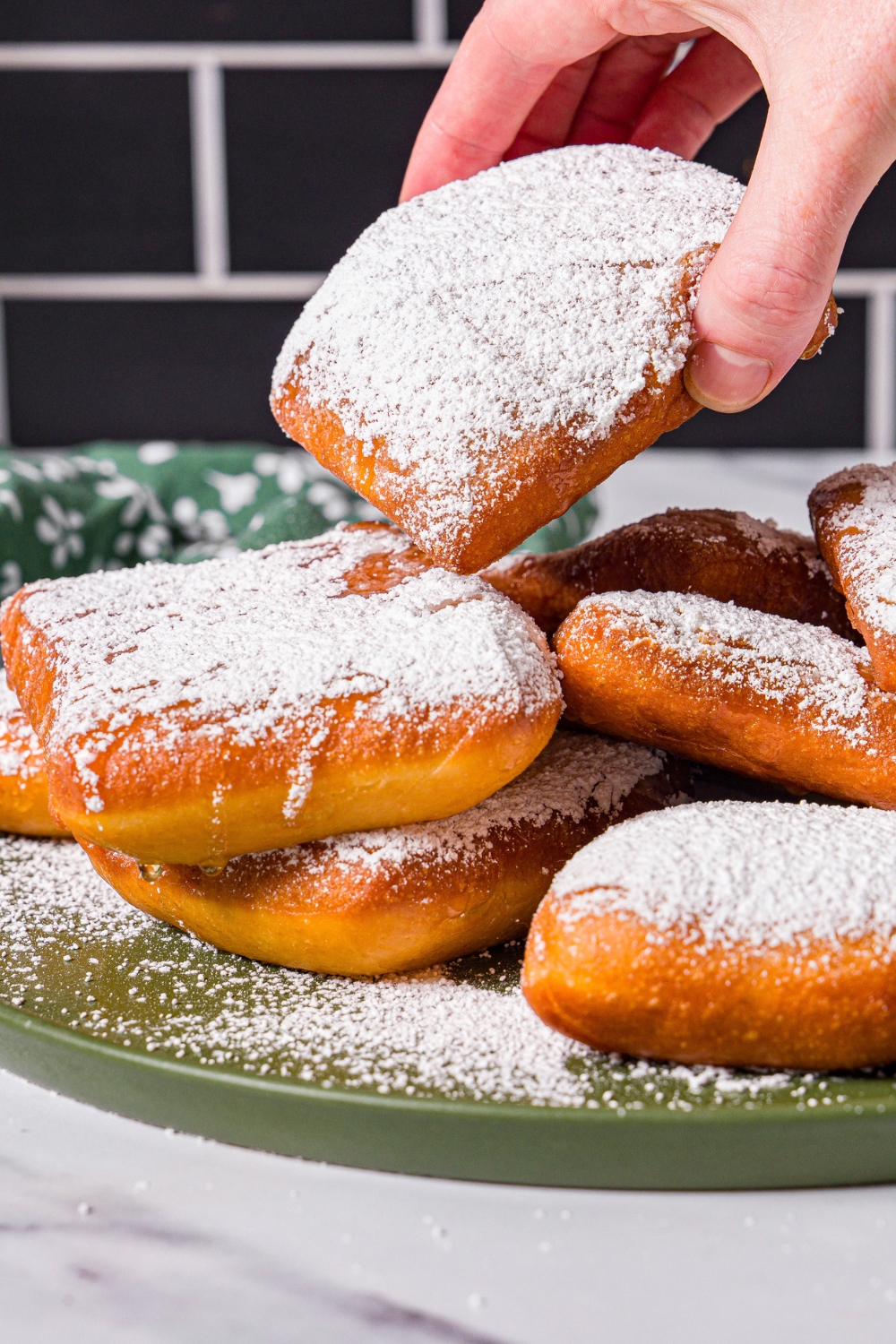
Tiana's beignets are the powdered sugar-covered fried pastries featured in Disney's The Princess and the Frog. This homemade version uses a soft yeast-raised dough and finishes the warm beignets with honey and plenty of powdered sugar for the Tiana-inspired touch.
What's the difference between a beignet and a donut?
Both are fried dough, but New Orleans-style beignets are typically cut into squares and served without a hole, usually under a generous coating of powdered sugar. Donuts come in many different shapes, dough styles, glazes, and fillings.
Why didn't my beignets puff up?
Beignets can stay flat if the yeast wasn't active, the dough didn't proof long enough, or too much air was knocked out while transferring them to the oil. Make sure the shaped pieces look noticeably puffy before frying and handle them gently once they've finished proofing.
What temperature should oil be for frying beignets?
Keep the oil around 350°F. Oil that's too cool can make the beignets absorb excess oil and become greasy, while overly hot oil can brown the outside before the center has time to cook.
Can I make beignet dough the night before?
Yes. This recipe is specifically designed for an overnight refrigerator rest. The cold fermentation develops more flavor and also firms the dough slightly, which makes it easier to roll and cut the next day.
Can I use all-purpose flour instead of bread flour for beignets?
Yes. You can substitute all-purpose flour, although the texture may be slightly softer and less chewy. I prefer bread flour for this recipe because its higher protein content gives the yeast dough more structure as the beignets proof and fry.
Why does Tiana put honey on her beignets?
Honey is part of the Princess and the Frog-inspired finish that makes these different from a basic powdered sugar beignet. Drizzling the warm beignets with honey adds extra sweetness and also gives the powdered sugar something to stick to.
More Dessert Recipes You'll Love
- Mini churros
- Fried dough
- Funnel cake fries
- Cookie dough stuffed cinnamon rolls
- Mini chocolate chip cookies
Tiana’s New Orleans-Style Beignets from The Princess and the Frog

These Tiana-inspired beignets are soft, pillowy, and finished with honey and a generous dusting of powdered sugar, just like the beignets from The Princess and the Frog. That same honey-and-powdered-sugar combination is now served at Tiana’s Palace in Disneyland, which makes this homemade version even more fun to recreate.
Ingredients
- ½ Cup Lukewarm Milk
- ¼ Cup Sugar
- 2 ¼ teaspoon Active Dry Yeast
- 1 Egg, Room Temp
- 1 Tablespoon Vanilla Extract
- 2 ½ Cups Bread Flour
- 1 ¼ Teaspoon Salt
- ¼ Cup Butter, Softened
- Honey and Powdered Sugar
- 2-3 Cups Oil for Frying
Instructions
1. In a glass measuring cup, heat the milk until just lukewarm. Add the sugar and yeast and stir together. Allow to sit for 10 minutes until frothy.
2. Add the egg and vanilla extract and stir until the egg is beaten.
3. In a stand mixer bowl add the flour and salt to the bottom. Add the milk yeast mixture on top and stir together until a shaggy looking dough forms.
4. Add the butter and use a dough hook on second speed, making sure to stop and scrape a few times in the first 3 minutes.
5. Mix the dough for 8-10 minutes until it is smooth and passes the gluten window test. You can take a small piece of dough and stretch thin like a window pane without tearing.
6. Lightly grease a bowl and proof the dough covered until doubled in size. Rest in the fridge overnight. To roll the dough, bring it to room temperature before starting to roll out.
7. On a lightly floured surface press the dough into a rectangle and roll out to about ½” thick. Cut the dough into desired sizes, I did 12 pieces for large beignets, and transfer to a lightly floured and parchment lined baking sheet.
8. Cover loosely with plastic and allow to final proof for 30-45 minutes until puffy and it does not spring back when lightly pressed.
9. While the dough is proofing, heat a large pot filled half way with vegetable oil. Fry the beignets in batches at 350°F about 2 minutes each size until golden brown.
10. Remove from the oil and allow to drain on a wire rack. Drizzle with honey and a heavy dusting of powdered sugar while still warm.
Nutrition Information:
Yield:
12Serving Size:
1 beignetAmount Per Serving: Calories: 345Total Fat: 23gSaturated Fat: 5gUnsaturated Fat: 16gCholesterol: 31mgSodium: 230mgCarbohydrates: 29gSugar: 11gProtein: 2g
Leave a Reply