
This baby French toast is soft, lightly sweet, and made to be easy for babies and toddlers to handle. It’s gently cooked so it stays tender (not crispy), which makes it a great option for baby-led weaning, early finger foods, and quick toddler breakfasts. Serve it plain or with yogurt and fruit, and as your little one gets older, you can add nut butter or mashed berries for extra flavor and nutrition. If you’ve tried my baby banana pancakes or baby smash cake, this is the same kind of foolproof, low-stress recipe for little eaters.
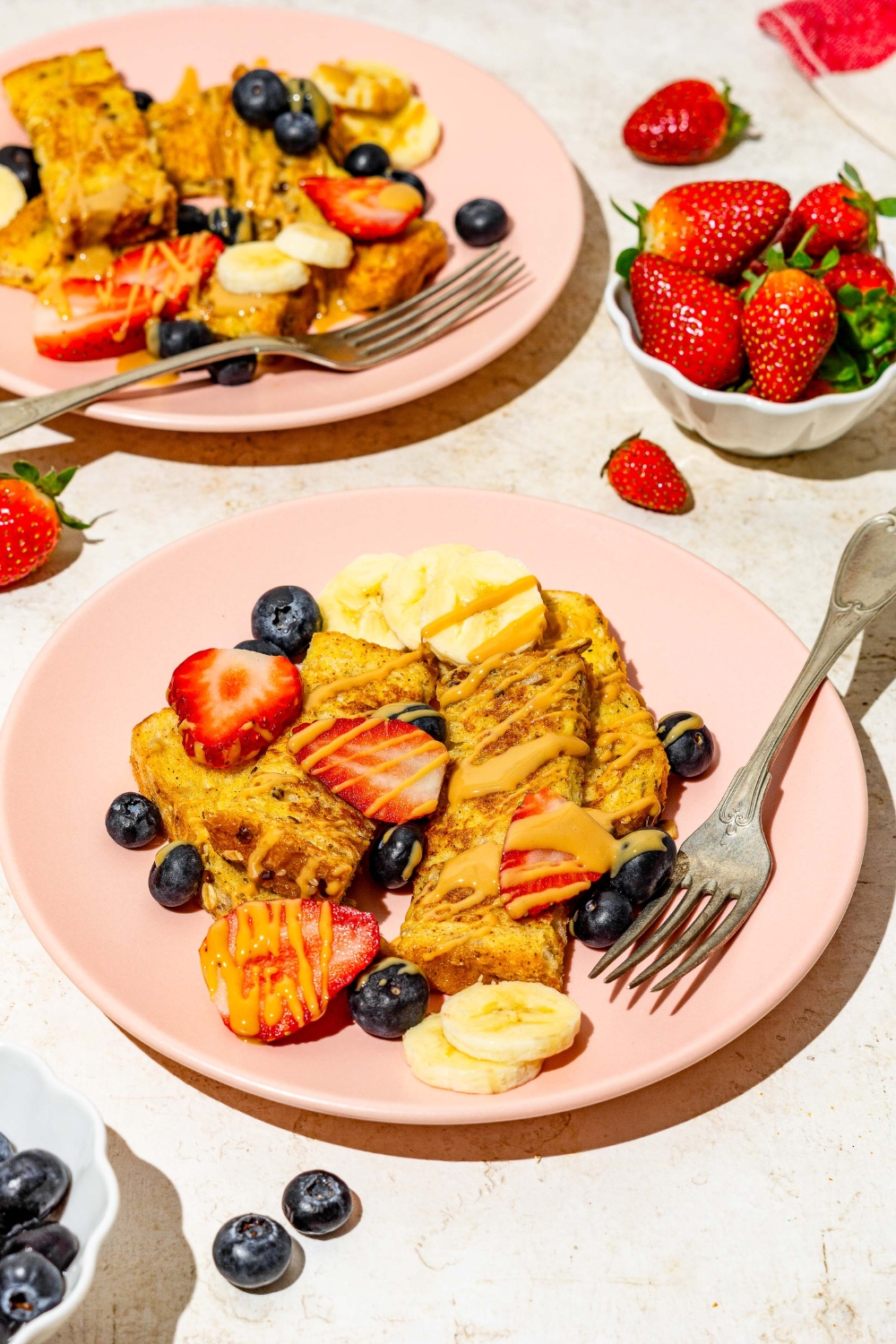
Table of Contents
Why You'll Love This French Toast For Baby
This baby French toast is a perfect “starter” finger food because the texture is soft and easy to gum, and the pieces are simple for small hands to grab. It’s also a great way to introduce eggs and bread in a format that feels familiar, not messy, and not hard to chew.
I love it because it’s flexible. You can keep it super simple for babies just starting solids, then level it up as they grow by serving it with yogurt for dipping, mashed fruit, or a thin layer of nut butter (when appropriate). It also works as breakfast or a snack, and it comes together fast with ingredients most people already have. If you want to make yourself French toast to eat with your baby, check out this French toast for one.
Quick safety note: for baby-led weaning, cut the French toast into age-appropriate shapes (often long strips work well), cook until soft, and avoid hard, crispy edges. Always supervise while eating and follow your pediatrician’s guidance for allergens and readiness.
Ingredients You’ll Need
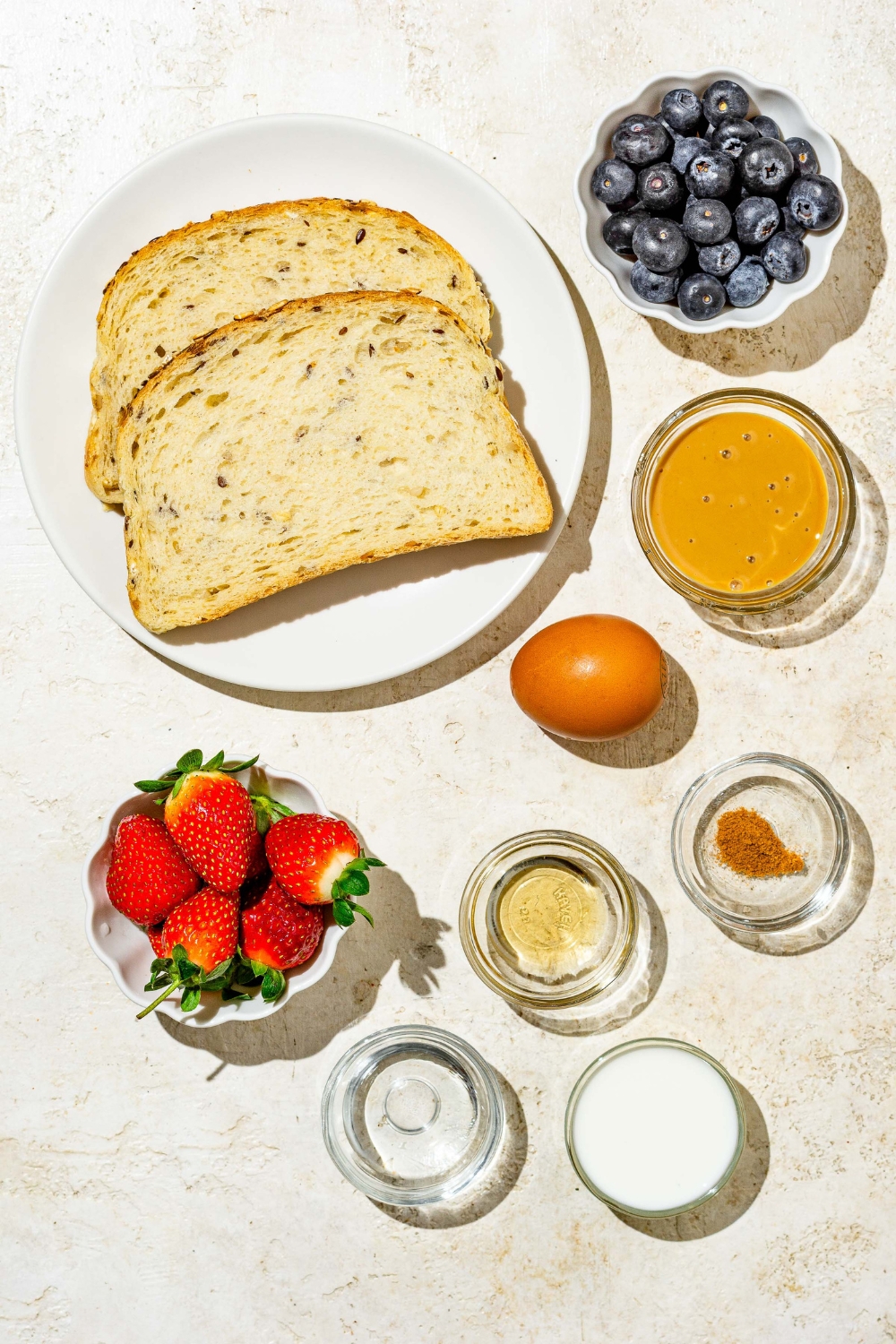
- 2 slices whole-grain bread (or bread of choice)
- 1 large egg
- 2 tablespoon milk
- ½ teaspoon vanilla extract
- Pinch of cinnamon (optional)
- ½ tablespoon butter or coconut oil, for cooking
- Fresh berries or banana slices, for serving
- Plain yogurt, for dipping
- Peanut butter or other nut butter, for drizzling (optional)
How To Make Baby French Toast
Step 1: Make the Egg Mixture
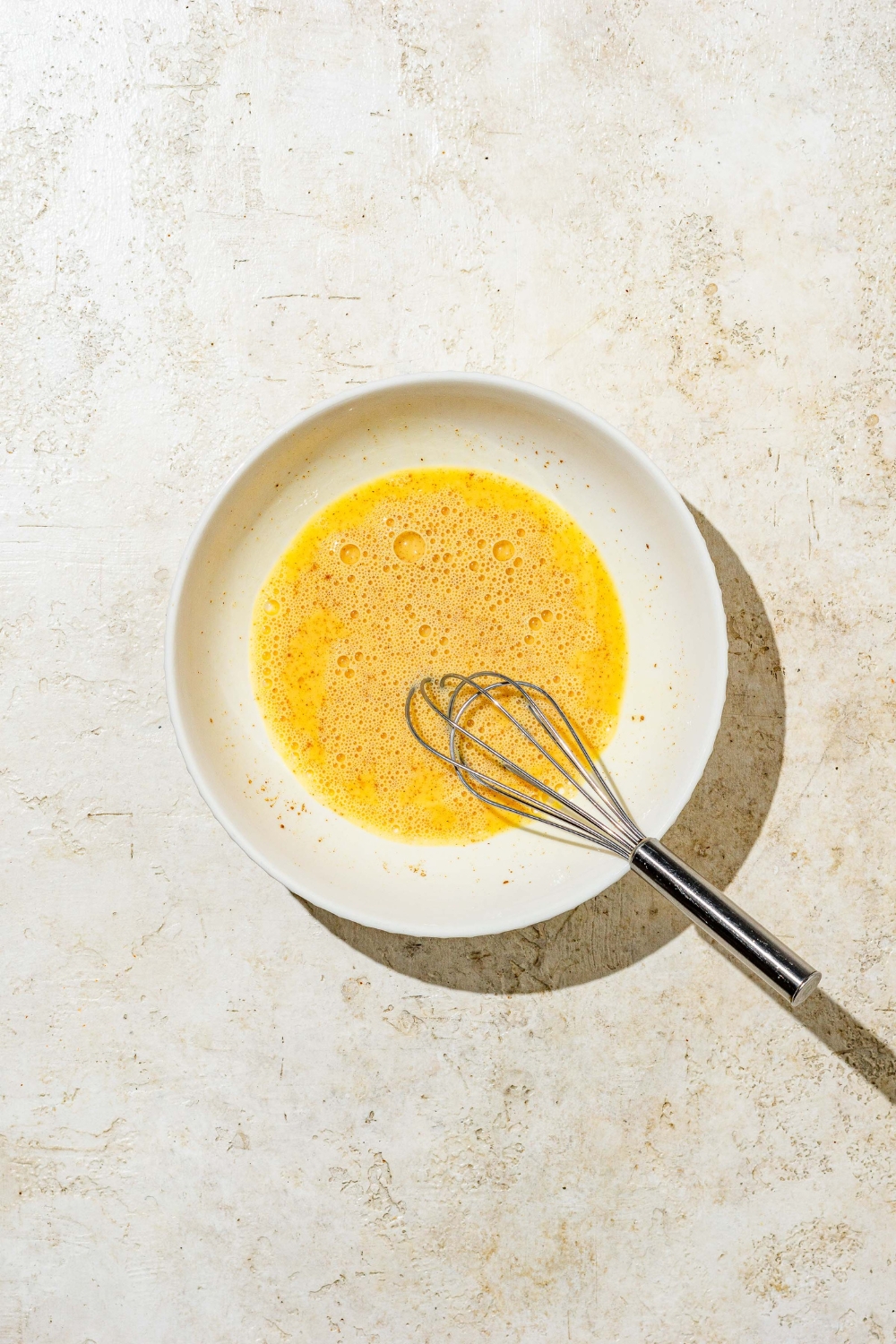
In a shallow bowl, whisk together the egg, milk, vanilla extract, and cinnamon (if using) until fully combined.
Step 2: Heat the Pan
Preheat a non-stick skillet over medium heat. Add the butter or coconut oil and let it melt, coating the pan evenly.
Step 3: Dip the Bread
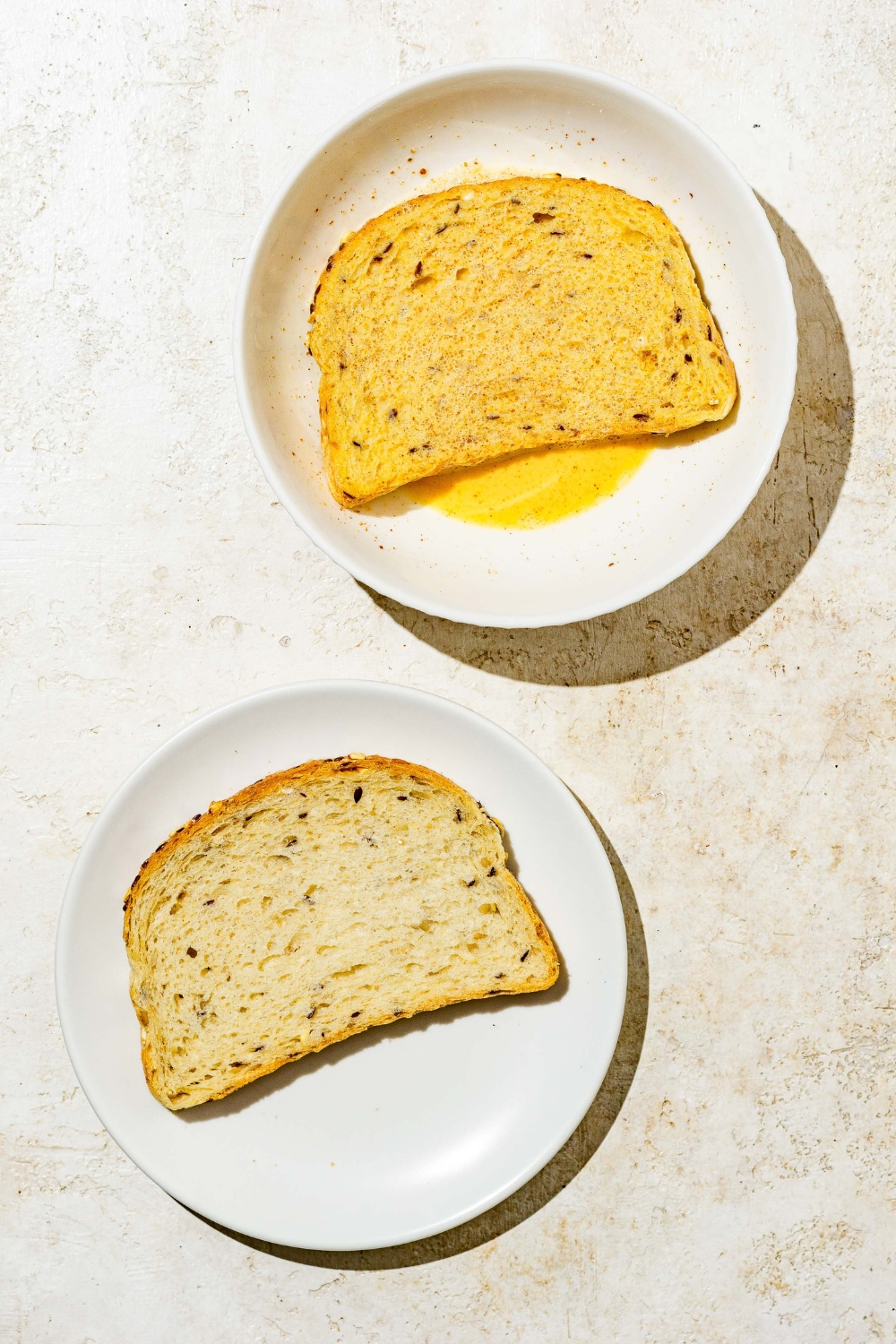
Dip one slice of bread into the egg mixture, allowing excess to drip off so the bread is coated but not soggy.
Step 4: Cook Gently
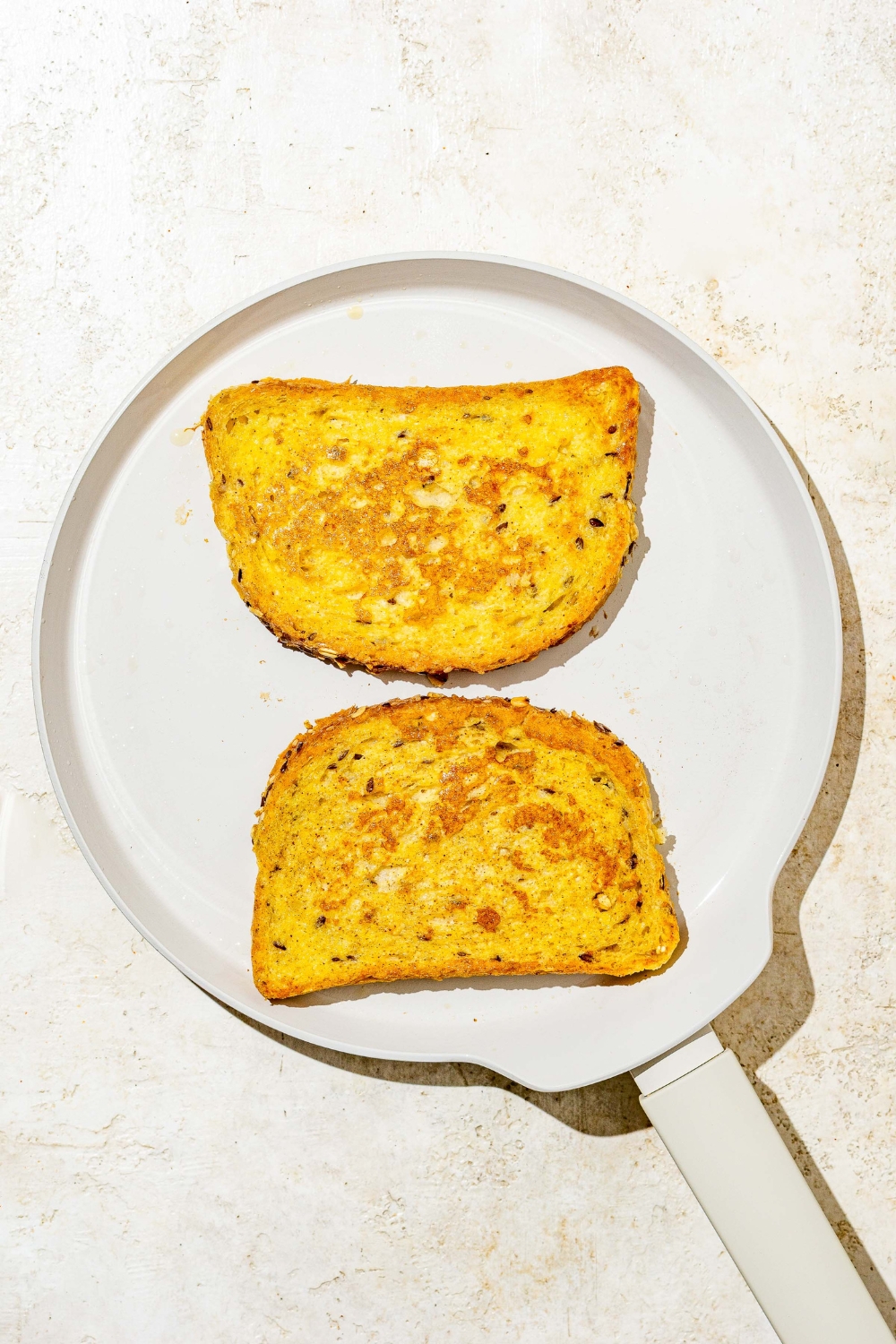
Place the bread in the skillet and cook for 2–3 minutes, until the bottom is lightly golden but still soft. Flip and cook the other side for another 2–3 minutes. Repeat with the remaining slice if needed.
Step 5: Cool & Cut
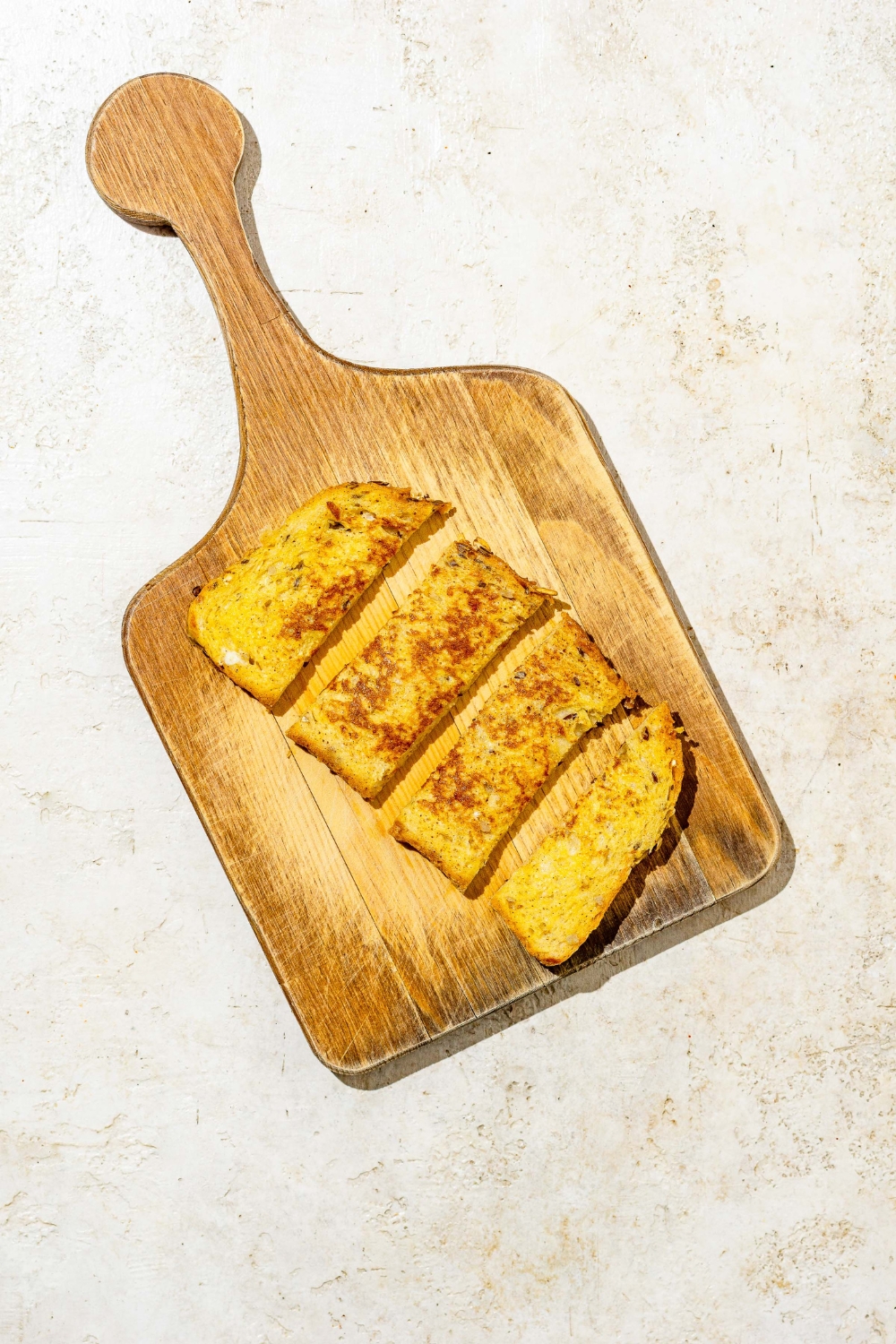
Remove the French toast from the pan and let it cool slightly. Cut each slice into 4 pieces. For younger babies, remove the crusts and cut into smaller portions.
Step 6: Serve
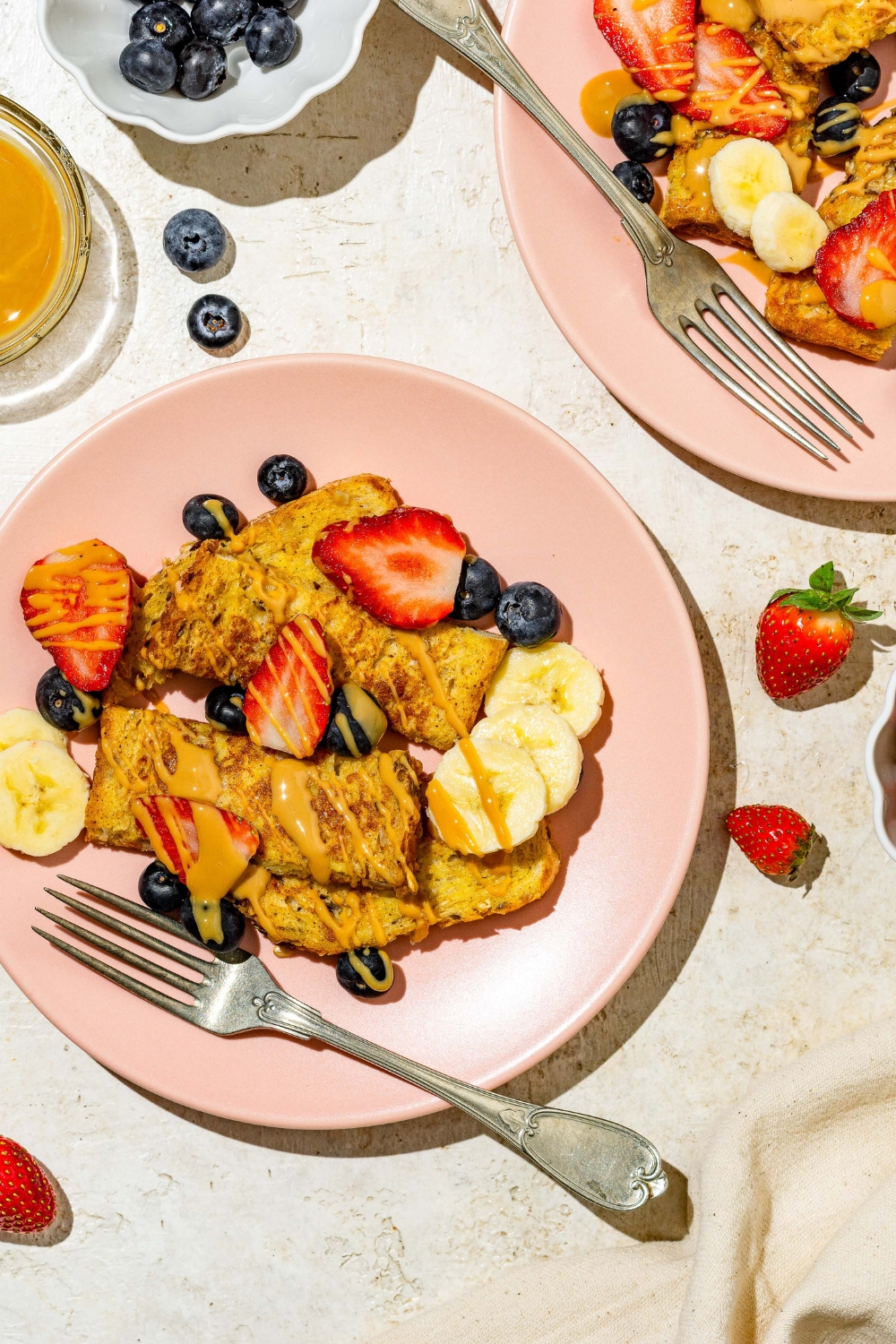
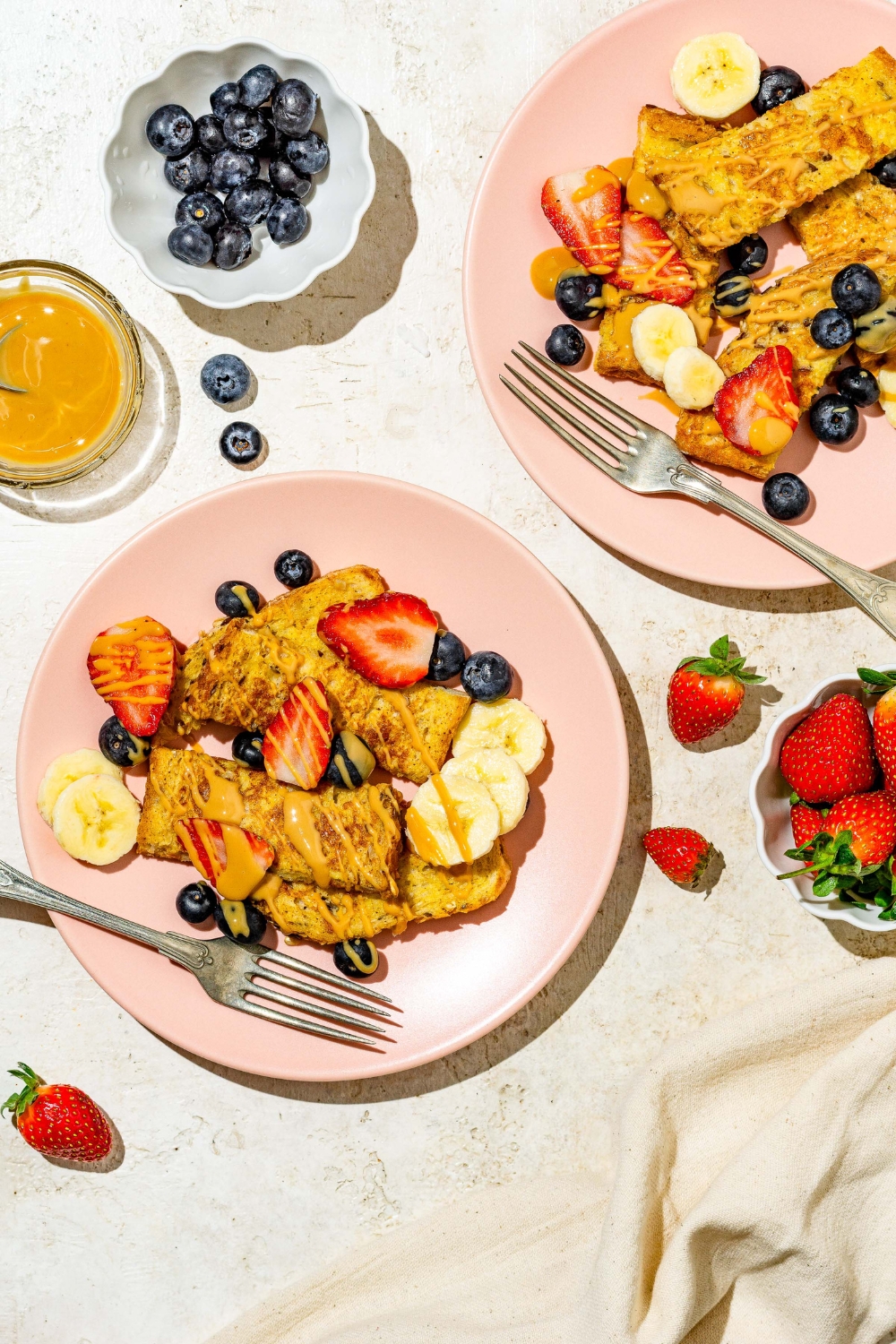
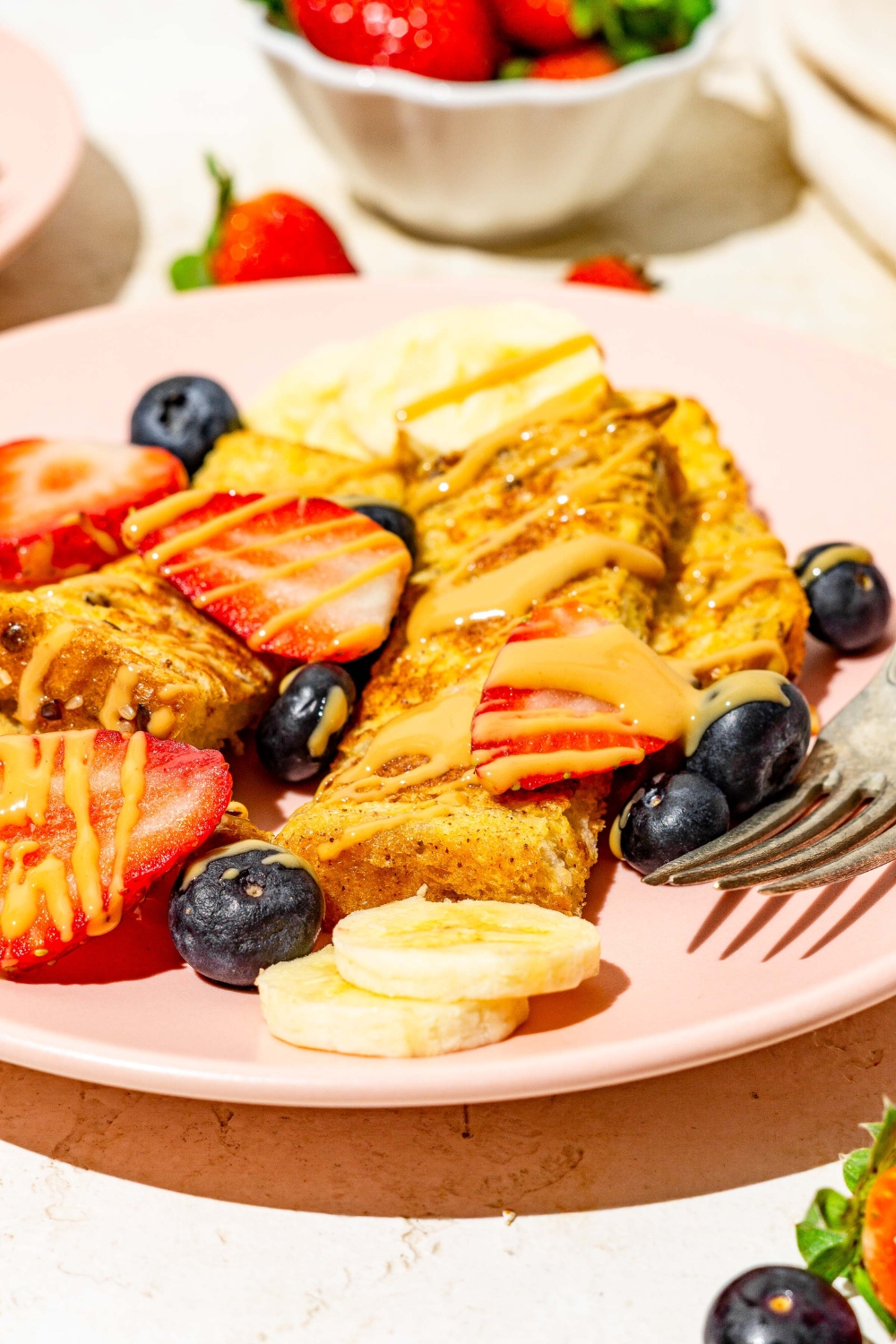
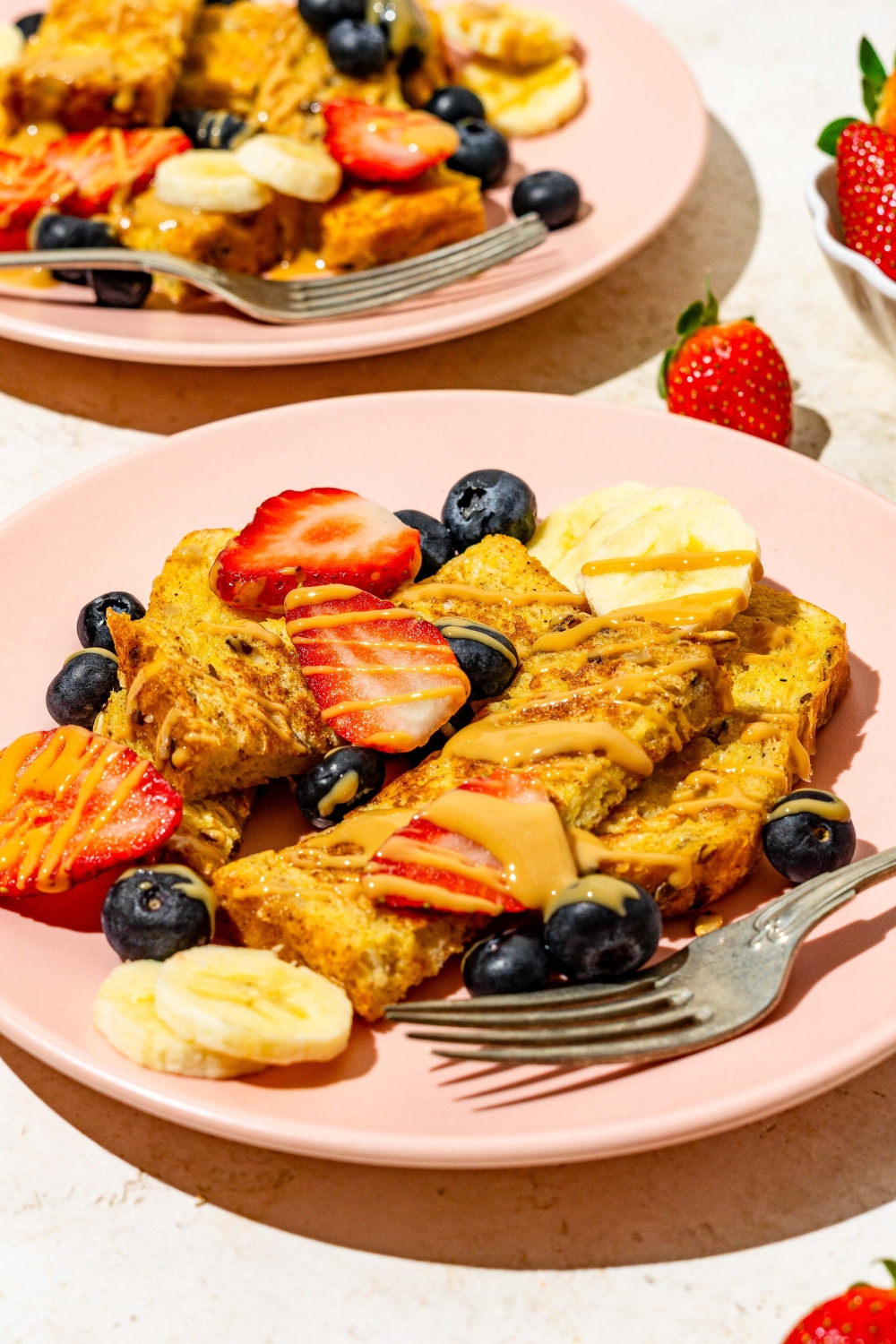
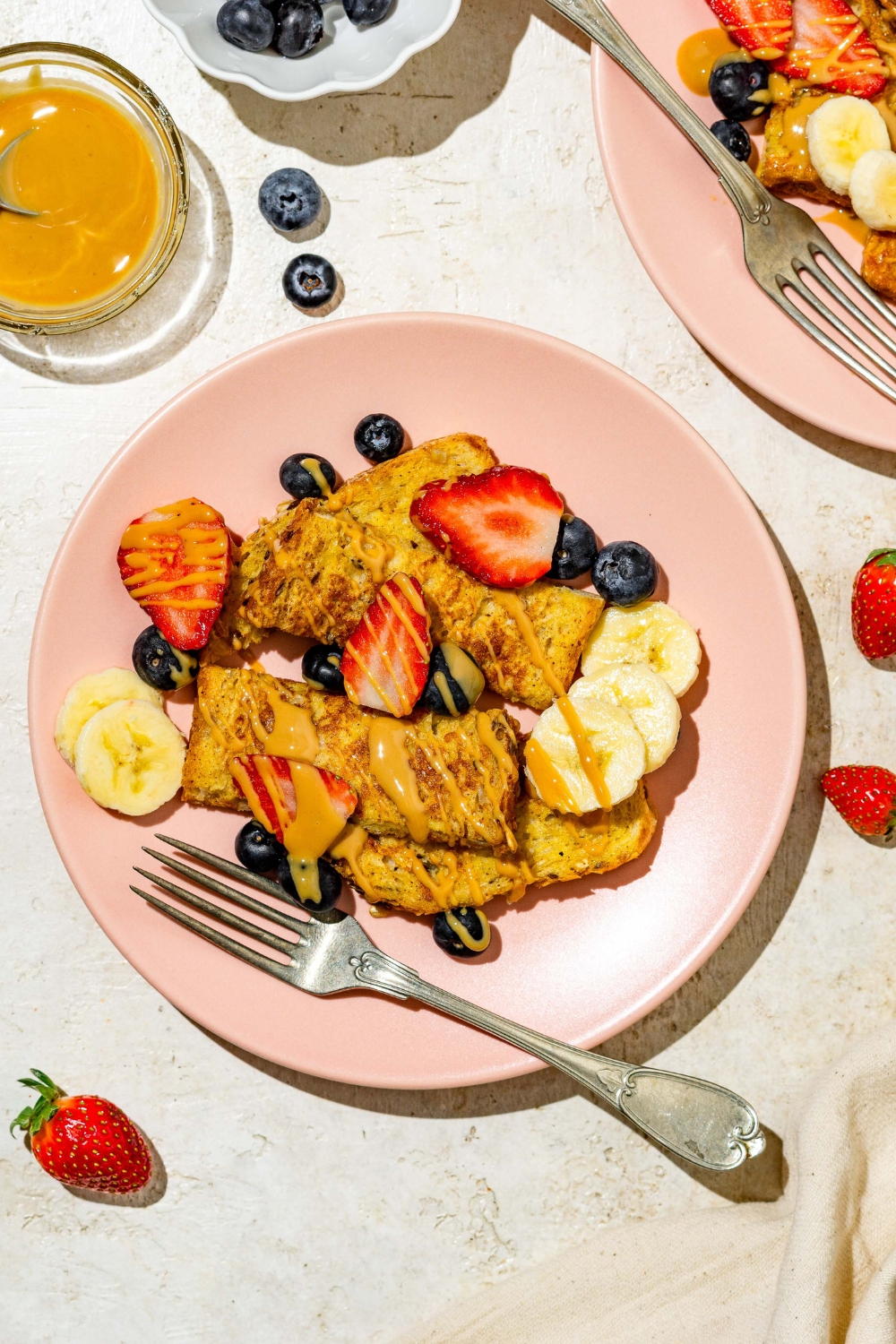
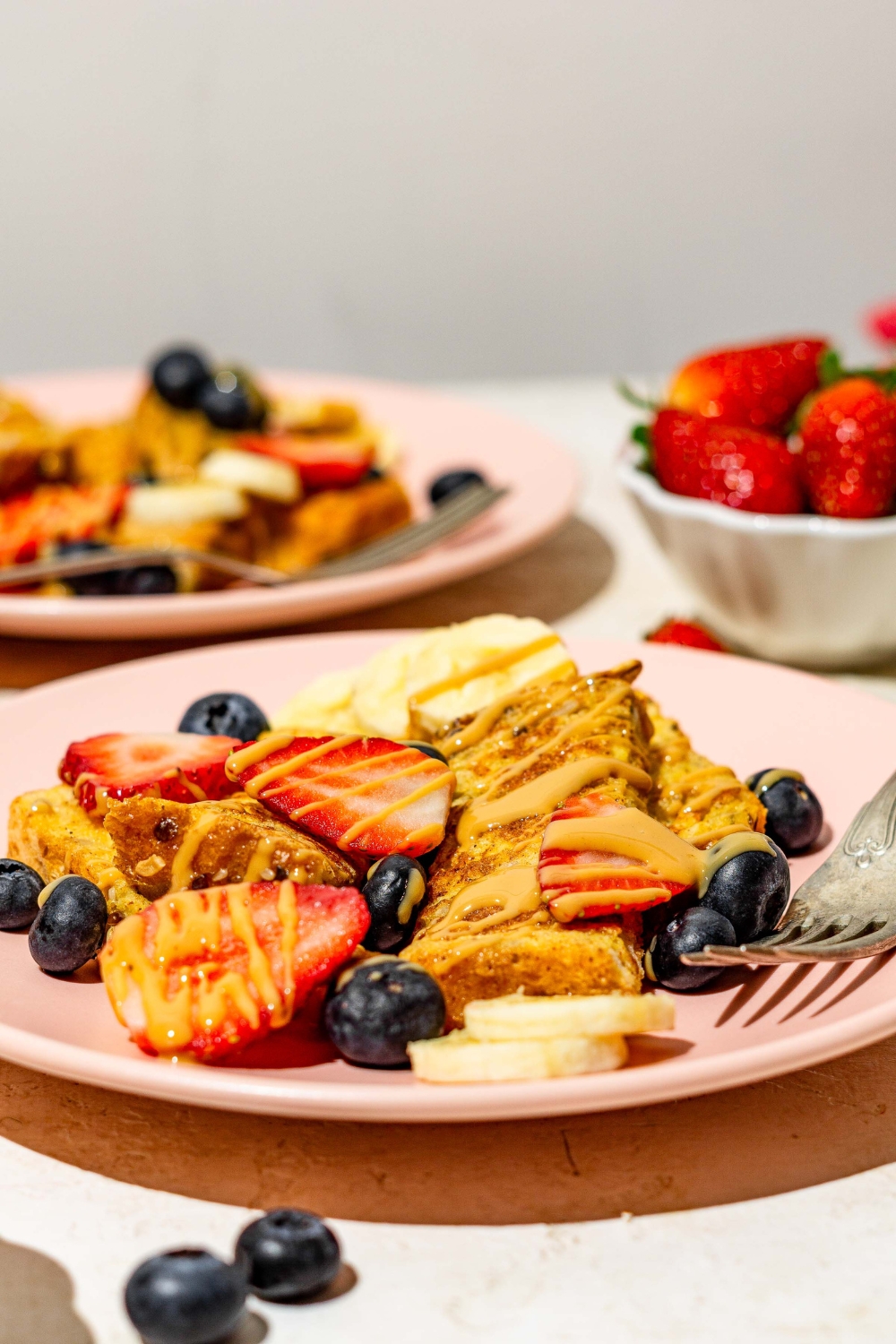
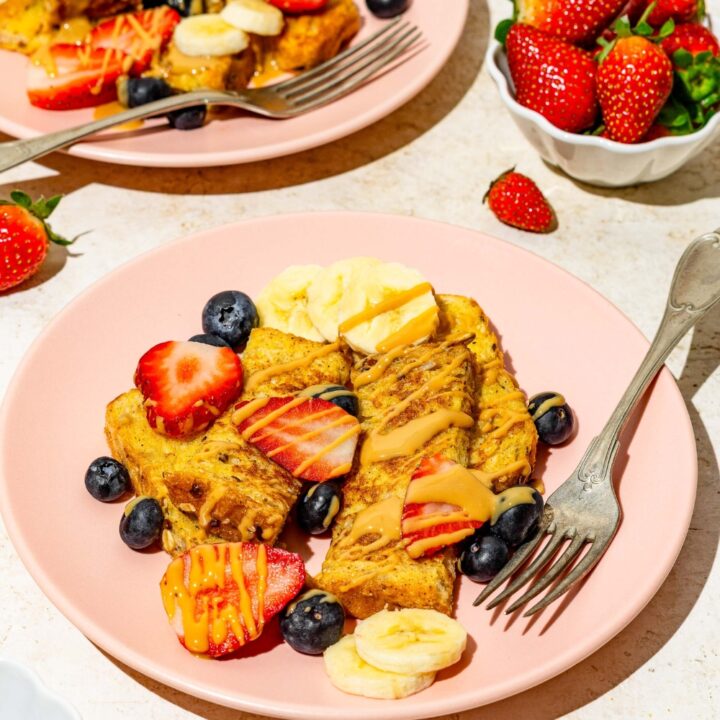
Serve with soft fruit, yogurt for dipping, and a drizzle of nut butter if desired. For older toddlers, you can add a small drizzle of maple syrup or serve it on the side.
French Toast For Baby Recipe Tips
- Keep it soft, not crispy: Cook baby French toast on medium or medium-low heat so it stays tender and easy to gum. If the outside is browning too fast, turn the heat down. You want a soft center with only a light golden color.
- Choose soft bread for the easiest texture: Whole-grain bread is great for extra fiber, but the best bread is whatever is soft and easy to bite. If your bread is very thick or crusty, slice it thinner so the pieces aren’t tough for little mouths.
- Soak briefly so it doesn’t get soggy: A quick dip in the egg mixture is enough. If the bread sits too long, it can turn mushy and fall apart in the pan. Aim for coated, not drenched.
- Skip added sugar: Babies don’t need it, and this tastes great without it. Vanilla and toppings like fruit or yogurt add plenty of flavor.
- Cut into baby-friendly shapes: For baby-led weaning, long strips are usually easiest to grasp. For toddlers, bite-size squares work well. Keep pieces soft and manageable.
- Let it cool before serving: French toast holds heat. Give it a few minutes so it’s warm, not hot, to avoid mouth burns.
- Crusts are optional: Some babies do fine with crusts, and others chew and spit them out. If your child struggles, trim crusts for a softer bite.
- Introduce allergens thoughtfully: If you’re serving nut butter, thin it with yogurt or warm water so it’s not thick or sticky. Offer new allergens one at a time and follow your pediatrician’s guidance for readiness and allergy safety.
Recipe Variations
- Dairy-free: Use a plant-based milk and cook with coconut oil or a neutral oil instead of butter. The texture stays soft and baby-friendly.
- Egg-free: Dip the bread in a mashed banana + milk mixture instead of eggs. It won’t taste exactly the same as classic French toast, but it still cooks up soft and makes a great baby-led weaning option.
- Savory version: Skip vanilla and any sweet spices and serve with mashed avocado, plain Greek yogurt, or a veggie puree for dipping. This is a great way to keep it less sweet for everyday breakfasts.
- Extra protein: Serve with Greek yogurt for dipping or spread a thin layer on top. For older babies and toddlers, a thin smear of nut butter (thinned with yogurt or warm water) also works well.
- Baby French toast sticks for easy gripping: Cut the bread into strips before dipping and cooking. Long strips are usually the easiest shape for baby-led weaning and make it less crumbly to hold.
Baby French Toast FAQs
What age can babies eat French toast?
Many babies can have French toast around 6 months, once they’re showing signs of readiness for solids and eggs and bread have been introduced safely. Always follow your pediatrician’s guidance, especially if you have allergy concerns.
Is cinnamon safe for babies?
Yes, in small amounts. A light sprinkle is plenty. You don’t need much for flavor, and keeping it minimal helps avoid irritating sensitive little tummies.
Can I make baby French toast ahead of time?
Yes. Cook it, cool it completely, then store it in an airtight container in the fridge for up to 2 days. Reheat gently so it stays soft.
Can I freeze baby French toast?
Yes. Freeze pieces in a single layer on a baking sheet, then transfer to a freezer bag. Reheat in a skillet on low heat or in a toaster oven until warmed through. For baby-friendly texture, avoid over-toasting.
What bread is best for baby French toast?
Soft breads work best. Whole-grain sandwich bread is great for everyday nutrition, and brioche is extra soft and tender. The main goal is bread that cooks up soft and easy to bite, not crusty or tough.
My Final Thoughts
This French toast recipe for a baby is simple and nourishing, and it grows with your child. It’s soft, flavorful, and easy to customize with healthy toppings, making it a go-to breakfast or snack for babies and toddlers alike. Whether you’re starting solids or feeding a curious eater, this recipe is a gentle, delicious option you’ll make again and again.
Baby French Toast Recipe
This baby French toast is soft, lightly sweet, and made to be easy for babies and toddlers to handle. It’s gently cooked so it stays tender (not crispy), which makes it a great option for baby-led weaning, early finger foods, and quick toddler breakfasts. Serve it plain or with yogurt and fruit, and as your little one gets older, you can add nut butter or mashed berries for extra flavor and nutrition. If you’ve tried my baby banana pancakes or baby smash cake, this is the same kind of foolproof, low-stress recipe for little eaters.
Ingredients
- 2 slices whole-grain bread, or any bread of choice
- 1 large egg
- 2 Tablespoons milk
- ½ teaspoon vanilla extract
- pinch of cinnamon, optional
- ½ Tablespoon butter or coconut oil, for cooking
- fresh berries or banana slices and yogurt, for serving
- peanut butter or another nut butter, for drizzling
Instructions
1. In a shallow bowl, whisk together the milk, egg, vanilla, and cinnamon until well combined.
2. Preheat a non-stick skillet over medium heat and add butter, letting it melt and coat the pan. Dip each slice of bread into the egg mixture one at a time, allowing any excess to drip off.
3. Place the bread into the skillet and cook for 2–3 minutes, until the bottom is golden brown but still soft (not crisp). Flip and cook for another 2–3 minutes on the other side.
4. Remove from the pan and repeat with the remaining slice, unless your pan is large enough to cook both at once.
5. Let the French toast cool slightly, then cut into 4 pieces. For younger babies, you can remove the crusts and cut into smaller portions.
6. Serve with fresh berries, banana slices, yogurt for dipping, and a drizzle of nut butter if desired. For older toddlers, you can also add a light drizzle of maple syrup or serve it on the side for dipping.
Nutrition Information:
Yield:
2Serving Size:
1Amount Per Serving: Calories: 117Total Fat: 7gSaturated Fat: 4gUnsaturated Fat: 3gCholesterol: 94mgSodium: 115mgCarbohydrates: 8gFiber: 0gSugar: 1gProtein: 5g
Sarah
My 1 and 3-year olds devoured this! Thanks for the great recipe!